
What Actually Comes Off a Tacoma Truck at the Wash Bay
Emulsified diesel, engine oil, and hydraulic fluid dominate the stream at a typical Pacific Highway or Port of Tacoma-area fleet wash bay, typically running 200–800 mg/L total oil and grease (HydropureWater field data, 2025–2026). Add road grit at 150–500 mg/L TSS, the alkaline detergent surfactants used to cut that petroleum film, and a winter chloride spike from undercarriage de-icing brine that washes back into the sump. BOD is comparatively low — often under 600 mg/L — because the organics are petroleum-based and resist biological oxidation. The chemistry behaves nothing like a food-processing or refinery wastewater that most generic "DAF vs clarifier" articles assume.
Climate makes the problem worse. Tacoma receives roughly 39 inches of rainfall per year, with the bulk falling between October and April. Wash-bay sump covers crack, gutters overflow, and stormwater cross-connections routinely push surge flows of 80–120 gpm into treatment systems sized for an average 30–50 gpm. That intermittent peak is the operating condition that separates a DAF from a clarifier: the bubble blanket in a dissolved air flotation system responds in seconds, while a settling tank simply blows solids out the overflow weir during a surge.
The first engineering move is almost always a covered equalization tank sized for at least four hours of average flow, with a coarse sand/grit pre-screen ahead of it. Hahn (2010) makes equalization a foundational design variable for any flotation system, and Tacoma field experience echoes it: skipping the EQ tank is the single most common reason a new wash-bay treatment system underperforms in its first winter.
How a DAF and a Clarifier Actually Separate the Gunk
Both technologies are physical separators — no biological stage, no real chemistry beyond coagulant and polymer — but they exploit opposite ends of the density spectrum. A DAF floats the light fraction; a clarifier drops the heavy fraction.
In a DAF, a side-stream of clarified effluent (typically 20–40% of the forward flow) is pressurized to 60–75 psi in a saturator vessel and held there long enough to dissolve air to near saturation. When that recycle stream is released back into the main flow at the DAF inlet, the pressure drop nucleates a cloud of micro-bubbles in the 30–80 μm range. Those bubbles attach to oil droplets and polymer-flocculated solids, lifting them into a thick float layer that is scraped off the top into a sludge hopper. Clarified water exits under a downstream baffle. The key design levers, per Hahn (2010), are the air-to-solids ratio (typically 0.02–0.05 by mass), the hydraulic loading rate, and the coagulant/polymer dose; get any one of them wrong and removal collapses. A packaged DAF system packages these variables into a skid with preset operating windows sized for fleet-wash flow bands.
A gravity clarifier does the opposite. Wastewater enters a quiescent zone, heavy inert grit and settleable solids drop to a conical or hopper bottom, sludge is raked to a central sump, and clarified water rises over a peripheral weir. If the unit has a surface skimmer, floating oil can be scraped off — but only the free oil that has already risen. Emulsified oil (which is what detergent-laden wash water produces) stays in suspension and exits with the effluent. The lamella clarifier variant inserts a stack of inclined plates at 55–60°, multiplying the effective settling footprint 5–10× inside a much smaller tank. Surface overflow rate is the controlling design variable; lamella units are typically rated at 20–40 m/h equivalent settling velocity (HydropureWater catalog spec, 2025).
DAF vs Clarifier for Trucking Wastewater: Side-by-Side Comparison
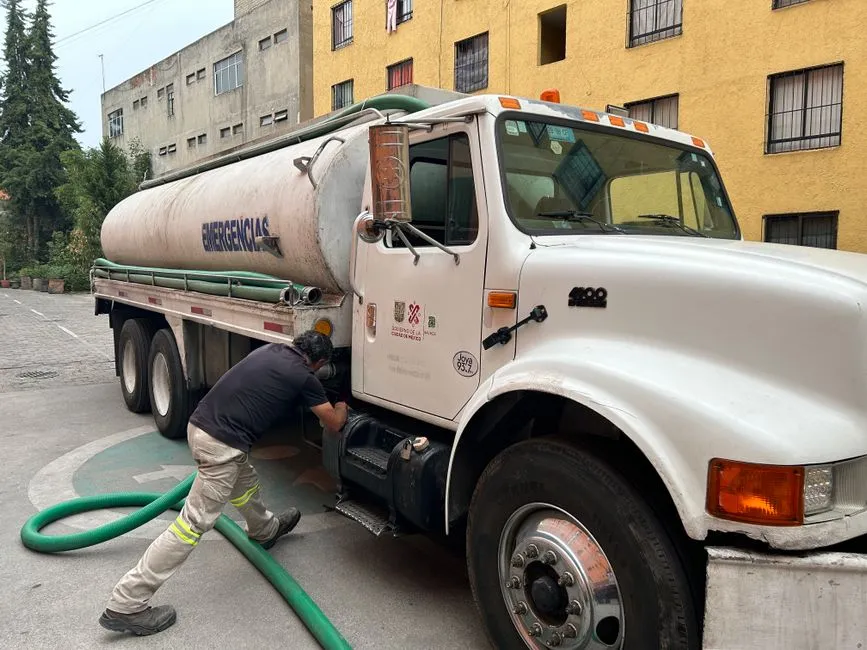
This is the table to put in front of ownership. Numbers are banded for a 30–80 gpm fleet wash stream in 2026, drawn from vendor catalogs, Hahn (2010), and Tacoma field installations.
| Parameter | DAF | Plain gravity clarifier | Lamella clarifier | Hybrid DAF + lamella |
|---|---|---|---|---|
| Mechanism | Air flotation of oil & floc | Gravity settling | Inclined-plate settling | Float then settle |
| Oil & grease removal | 90–95% | 60–70% | 70–80% | 95%+ |
| TSS removal | 80–90% | 85–95% | 85–95% | 95%+ |
| Footprint at 50 gpm | 60–90 ft² | 80–150 ft² | 25–50 ft² | 100–130 ft² |
| Packaged CAPEX (USD 2026) | $90,000–$180,000 | $50,000–$110,000 | $70,000–$140,000 | $160,000–$300,000 |
| OPEX drivers | Air compressor, polymer, coagulant | Sludge pumping | Sludge pumping | Air + polymer + sludge pumping |
| Operator skill | Moderate (chemistry tuning) | Low | Low | Moderate–high |
| Best-fit trucking condition | Emulsified oil, surfactants, variable flow | Heavy inert grit, low oil, steady flow | Space-constrained TSS polish | Tacoma worst-case winter loads |
The plain clarifier's 60–70% FOG number is the trap. At 300 mg/L FOG in the wash stream, that is still 90–120 mg/L going to the City of Tacoma sewer — above the local surcharge threshold and a guaranteed line item on the next pretreatment invoice. DAF's 90–95% on the same stream drops the effluent to 15–30 mg/L, comfortably under any FOG cap the Tacoma Wastewater Utility enforces. As Ecologix (2024) and VanAire (2025) both report, the 95% FOG number for DAF is robust on emulsified oily streams, while clarifier performance is fundamentally limited to free oil that has already phase-separated.
Sizing a DAF for a 30–80 gpm Tacoma Fleet Wash Bay
Drop these numbers into an RFP and ask vendors to confirm each row. The values come from Hahn (2010) design methodology applied to a 50 gpm average stream with a 2:1 peak-to-average ratio.
| Parameter | Value at 50 gpm design flow | Notes |
|---|---|---|
| Average design flow | 30–80 gpm | Pick the average, not the peak |
| Equalization tank | 12,000 gal (4 hr at 50 gpm) | Covered, vented, with mixer |
| DAF tank volume | ~250–350 ft³ | 10–15 min hydraulic residence |
| Air recycle rate | 30–40% of forward flow | Side-stream saturator |
| Saturator pressure | 60–75 psi | Higher = more dissolved air, smaller bubbles |
| Air-to-solids ratio | 0.02–0.05 | Per Hahn (2010) |
| Coagulant dose (PAC or alum) | 50–150 mg/L | Jar-test before final design |
| Anionic polymer dose | 5–15 mg/L | Fed via automatic polymer dosing skid |
| Float solids concentration | 3–6% dry solids | Sent to sludge handling |
| Hydraulic loading rate | 1.5–3.0 gpm/ft² | Verify against vendor rating |
Footprint on a typical 3-bay Tacoma wash structure: an 8 ft × 12 ft DAF skid plus a 10 ft × 16 ft equalization basin, both fitting under a 14 ft ceiling alongside the existing trench drain. A lamella alone would shrink the floor space by about 40%, but it will not solve the FOG problem. If space is the binding constraint and FOG is the binding limit, the hybrid DAF + lamella is the only honest answer. Peak shift-end surges of 100 gpm are handled cleanly by the DAF because the bubble blanket forms in 30–60 seconds; a clarifier overflows the same surge and dumps its settled sludge blanket back into suspension.
2026 Tacoma and Pierce County Compliance Reality
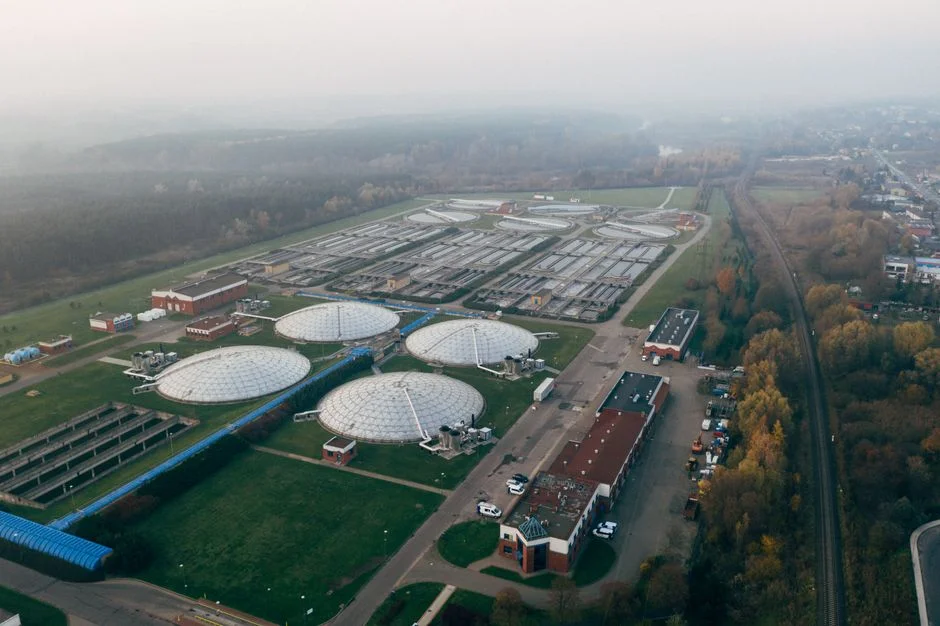
The City of Tacoma Industrial Pretreatment Program (IPP) administers the local limits through Tacoma Wastewater Utility. The relevant numbers in 2026: FOG is typically capped at 100 mg/L at the discharge point, with a surcharge tier that starts at 75 mg/L on commercial haulers; TSS limits sit around 200–250 mg/L depending on the specific discharge permit. Tacoma Water's fats/oils/grease guidance for commercial connections echoes those numbers, and repeated excursions trigger progressively larger surcharges, formal warning letters, and ultimately permit suspension for chronic violators. The same architecture applies in Pierce County through Tacoma-Pierce County Health Department and the local POTW pretreatment ordinances.
On top of that, the Washington State Department of Ecology stormwater rules (Chapter 173-218 WAC, vehicle wash category) apply the moment any wash water can reach a storm drain. A covered wash bay with full containment and on-site treatment is the cleanest way to stay on the right side of both programs. Tacoma tightened enforcement on truck-wash operators discharging to combined sewers during 2024–2025, and pretreatment documentation audits have become routine in 2026. This article is a buyer's guide, not legal advice — confirm the current FOG and TSS numbers with Tacoma Wastewater Utility before you sign a purchase order. The compliance cost of a wrong choice is recurring; the CAPEX difference between a clarifier and a DAF is one-time.
Decision Rule: Which System Should Your Tacoma Depot Buy?
Take this one screen to the ownership meeting.
- Buy a DAF if FOG exceeds 150 mg/L, flow is intermittent (peak-to-average > 1.5:1), detergent surfactants are present, or floor space is under 150 ft². Pair it with an automatic polymer dosing skid and a covered EQ tank sized for 4 hours of average flow.
- Buy a lamella clarifier if FOG is below 100 mg/L, flow is steady, grit and inert TSS dominate, and the CAPEX ceiling is tight. It is rarely the right primary on a Tacoma fleet wash bay, but it is a strong polish step downstream of a DAF.
- Buy the hybrid DAF + lamella if FOG exceeds 200 mg/L and TSS exceeds 400 mg/L simultaneously, or you need margin under both the Tacoma FOG and TSS limits inside a tight retrofit footprint.
- Always pair any of the above with: a covered equalization tank (per Hahn, 2010), automatic coagulant and polymer dosing, and a covered sludge dewatering step such as a small plate-and-frame filter press to keep float sludge from re-entering the waste stream.
For a deeper comparison that covers transportation-equipment shops in another jurisdiction, the transportation-equipment DAF vs clarifier guide applies the same framework to a different regulatory envelope, and the micro-bubble flotation specifications article gives the full engineering data behind the 30–80 μm bubble range. For a related compliance walkthrough on the EV/auto side, the EV/auto plant pretreatment compliance guide covers the same pretreatment-program logic in a different industry.
Frequently Asked Questions
Can a clarifier alone handle truck wash water in Tacoma?
Rarely. Clarifiers remove only free oil that has already phase-separated; emulsified petroleum hydrocarbons and detergent surfactants stay dispersed. Field data on Tacoma fleet wash streams (HydropureWater, 2025–2026) shows a plain clarifier leaving 90–120 mg/L FOG in the effluent at 300 mg/L influent, above the local 100 mg/L cap.
How much does a packaged DAF cost for a small fleet in 2026?
A packaged 30–80 gpm DAF skid with built-in saturator and skimmer typically lands in the $90,000–$180,000 range in 2026 USD, before installation, civil work, and the equalization basin. Add roughly $30,000–$60,000 for the EQ tank, polymer dosing, and a small sludge dewatering press.
Do I need a permit to install a DAF in Tacoma?
Yes. Any modification to industrial pretreatment equipment requires notification to Tacoma Wastewater Utility, and most installations trigger an Industrial Pretreatment Program permit amendment. Confirm the current submittal checklist with Tacoma Wastewater Utility before issuing a purchase order.
What is the typical polymer consumption for a DAF on fleet wash water?
Anionic polyacrylamide at 5–15 mg/L is typical, paired with 50–150 mg/L of coagulant (PAC or alum) ahead of the polymer injection. Always jar-test against the actual wash stream — winter de-icer chloride shifts demand the dose upward.
Can a DAF and a lamella clarifier share one sludge handling step?
Yes. Float sludge from the DAF and settled sludge from the downstream lamella can be combined in a single sludge sump and dewatered on a shared plate-and-frame press sized to the combined dry-solids load, typically 30–60 kg DS/hr for a 50 gpm fleet wash bay.