Why Textile Wastewater in Singapore Demands a Tighter Treatment Train
Singapore imports roughly 60% of its raw water from Malaysia and Johor, and PUB's long-term strategy — Four National Taps plus desalination and NEWater — pushes every industrial discharger toward in-plant recycling rather than sewer discharge. That makes textile effluent a target for reuse, not disposal, and forces the design envelope tighter than the global academic literature typically assumes. A modern Singapore dyehouse is expected to recover 90–95% of its process water with a hybrid MBR + RO train and operate at roughly 200 L of process water per kg of fabric (S3, MDPI Sustainability, 2022-11), which means a 10,000 kg/day mill needs about 2,000 m³/day of treatment capacity.
Singapore itself has no large domestic wet-processing base, but regional ASEAN garment and finishing hubs — Vietnam, Indonesia, Bangladesh, and Malaysian Johor — use Singapore-licensed engineering consultancies for compliance, EPC, and water-reuse design. The wet-process chain (sizing → desizing → scouring → bleaching → mercerising → dyeing → printing → finishing) generates 100–200 L of effluent per kg of fabric (S3, MDPI 2022), and reactive, azo, and anthraquinone dye classes carry persistent color, COD, and salt loads (often 5–60 g/L NaCl from reactive dyeing electrolytes) that conventional biological treatment alone cannot break (S2, IJEST 2018). A generic three-stage train copied from an academic paper will fail on color and TDS — PUB's discharge and reuse envelopes are the binding constraint, not the literature.
The standard response is a five-stage train: equalisation, coagulation/DAF, anaerobic + aerobic biological, MBR polishing, and RO/UF reuse, targeting PUB Trade Effluent limits (pH 6–9, COD ≤ 600 mg/L for trade effluent to sewer, TSS ≤ 400 mg/L, no visible color) and NEWater-grade reuse (TDS ≤ 300 mg/L, conductivity ≤ 250 µS/cm for high-purity NEWater) where on-site reuse is planned. The sections below set out the parameter table, the design envelope, the equipment train, and the 2026 cost bands an engineer in Singapore actually has to defend.
Singapore PUB Trade Effluent and Reuse Targets You Must Hit
PUB's compliance envelope is the design driver — the influent data is academic context, but the discharge and reuse numbers determine tank sizing, pump head, membrane area, and OPEX. The table below condenses the parameter set a Singapore dyehouse must design to; the values reflect PUB's trade effluent discharge requirements to public sewer and the NEWater-grade reuse thresholds for on-site industrial recycling. Treat these as the design basis; if a stage cannot guarantee compliance at the boundary condition (e.g., raw color 1,000–1,500 ADMI units, S2 IJEST 2018), it is undersized.
| Parameter | Discharge to public sewer (PUB trade effluent) | On-site NEWater-grade reuse | Notes |
|---|---|---|---|
| pH | 6.0–9.0 | 6.5–8.5 | Neutralise alkaline scouring/mercerising liquor before biology |
| Temperature | ≤ 40 °C | ≤ 35 °C | Cool hot rinse streams before aerobic tank |
| COD | ≤ 600 mg/L | ≤ 50 mg/L (RO permeate) | Industrial trade effluent benchmark |
| TSS | ≤ 400 mg/L | ≤ 1 mg/L (UF/MBR permeate) | MBR is mandatory for reuse |
| Oil & grease | ≤ 50 mg/L | ≤ 5 mg/L | DAF or skimmer ahead of biology |
| Sulfate | ≤ 500 mg/L | ≤ 30 mg/L | RO required to meet reuse |
| Color | No visible color after settling | ≤ 5 ADMI / Pt-Co | Design tertiary for ≥ 95% ADMI removal |
| TDS / conductivity | — | TDS ≤ 300 mg/L; conductivity ≤ 250 µS/cm (high-purity NEWater) | RO polish mandatory |
| Turbidity | — | ≤ 1 NTU | MBR permeate target |
| Heavy metals (Cr, Cu, Co, Zn combined) | < 1 mg/L | < 0.1 mg/L | Ion exchange if Cr(VI) > 5 mg/L |
Dyehouse color is the single most common rejection cause. Even when raw color reads 1,000–1,500 ADMI units (S2, IJEST 2018), PUB's "no visible color" standard means a tertiary stage must deliver ≥ 95% ADMI decolorization — Fenton, ozone, activated carbon, or RO, depending on salt load. For salt-laden reactive dye effluent, RO concentrate disposal cost is the OPEX driver; design concentrate flow at 20–30% of RO feed and budget for brine recovery or evaporator.
Influent Characteristics: What Your Treatment Train Must Handle
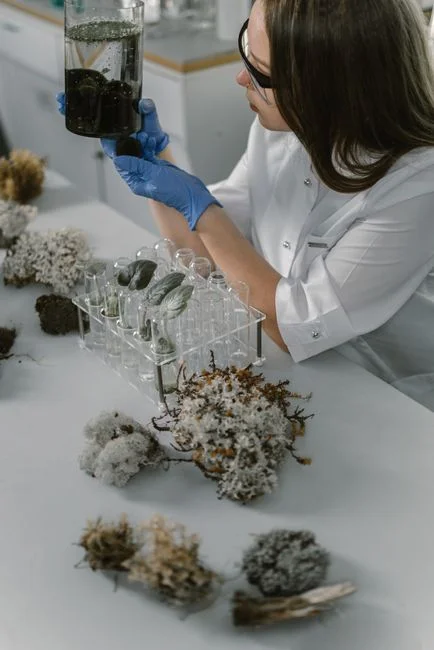
The influent envelope is what the equalisation tank and biological stage must be sized against. S2 (IJEST 2018) and S3 (MDPI 2022) are the two anchor references; the table below combines them with engineering ranges used in Singapore-region dyehouse EPC work. Equalisation is non-negotiable because each wet step — sizing, desizing, scouring, bleaching, mercerising, dyeing, printing, finishing — produces a different pollutant profile (S2, S3), and a single pH/TDS spike can shock a downstream biology tank.
| Parameter | Typical range (textile influent) | Reactive dye cotton house | Notes / source |
|---|---|---|---|
| COD | 800–2,500 mg/L | 1,500–2,500 mg/L | Peaks during desizing/dyeing (S2) |
| BOD₅ | 200–700 mg/L | 300–600 mg/L | BOD/COD ratio often 0.2–0.4 |
| TSS | 200–600 mg/L | 300–500 mg/L | Fibre and sizing residues |
| pH | 9–12 | 10–12 | Alkaline scouring/mercerising liquor (S3) |
| Temperature | 40–70 °C | 50–70 °C | Hot rinse streams — cool < 40 °C before biology |
| Dye loading | 10–250 mg/L | 60–200 mg/L | Laing 1991: 10–50 mg/L; Ghaly 2014: 10–250 mg/L (S2) |
| Extreme dye cases | 600–800 mg/L; 7,000 mg/L in undocumented discharges | — | Vandevivere 1998; Koprivanac 1993 (S2) |
| Salinity (NaCl) | 5–60 g/L | 20–60 g/L | Reactive dye electrolyte; halotolerant biology required |
| Heavy metals (Cr, Cu, Co, Zn, Fe) | < 1–10 mg/L combined | Cr(VI) up to 5 mg/L in some recipes | Table 4, S2 IJEST 2018 |
| Color (ADMI) | 1,000–1,500 ADMI | 1,000–1,500 ADMI | O'Neill 1999 (S2) |
Salinity is the design pivot. Conventional activated sludge drops to 30–50% COD removal at 10 g/L NaCl; halotolerant MBR with SRT 40+ days maintains biomass at 20–60 g/L (S2, IJEST 2018). If your influent is salt-laden reactive dye effluent, do not specify a standard CAS train — the biology will wash out within a week.
The 2026 Recommended Process Train for Singapore Dyehouses
The five-stage train below is sized to a 1,500 m³/day dyehouse with reactive cotton dyeing as the dominant load. Each stage has a specific removal target and a defined next-stage interface; the engineer should not collapse stages (e.g., skip DAF and feed raw effluent to biology) because reactive dye COD shocks kill biomass.
Stage 1 — Equalisation and pre-cooling. Buffer 8–12 hours HRT at average flow, neutralise pH 9–12 down to 6.5–8.5 with CO₂ or H₂SO₄ dosing, and cool hot rinse streams below 40 °C for downstream biology. A 1,500 m³/day plant needs a 500–750 m³ EQ tank, concrete or bolted steel, with submersible mixers and online pH/temperature probes feeding the PLC-controlled chemical dosing skid. Without EQ, no downstream stage can be designed with confidence.
Stage 2 — Coagulation / DAF. Remove 60–80% of TSS, most disperse dyes, and 30–50% of colloidal COD using a DAF system with polyaluminium chloride (PAC) dosing at 50–150 mg/L and anionic polymer at 1–3 mg/L. The DAF flow range of 4–300 m³/h covers dyehouse flows cleanly; a single 150 m³/h unit handles 1,500 m³/day in 10 hours of operation with redundancy. DAF sludge is the largest waste stream by mass — typically 3–5% of influent flow — and must be dewatered.
Stage 3 — Anaerobic + aerobic biological. The anaerobic stage (UASB or anaerobic baffled reactor, HRT 24–48 h) handles COD above 1,000 mg/L, partially decolourises azo dyes via reductive cleavage of the azo bond, and reduces aeration energy demand downstream by 30–50% (S3, MDPI 2022). The aerobic stage — MBBR or MBR — polishes BOD to below 20 mg/L and removes another 30–50% of color. For salt-laden reactive dye effluent above 20 g/L NaCl, specify a halotolerant MBR rather than MBBR.
Stage 4 — MBR polishing. DF series PVDF flat-sheet MBR modules at 0.1 µm cut off cut TSS to below 1 mg/L, turbidity to below 1 NTU, and produce an SDI low enough to feed RO without a separate cartridge filter. The MBR membrane bioreactor system at 10–20 LMH flux is the reuse interface — anything above 1 NTU going into RO will foul the membranes within 60 days.
Stage 5 — RO / UF reuse. An industrial RO polishing system at 70–80% recovery produces reuse-quality permeate (TDS ≤ 300 mg/L, conductivity ≤ 250 µS/cm). Concentrate (20–30% of feed) is the OPEX headache: 300–450 m³/day of brine for a 1,500 m³/day plant. Route to brine recovery, forced evaporation, or crystalliser for ZLD if PUB's site conditions demand it. Alternative tertiary options for refractory color when RO concentrate disposal is uneconomic: Fenton (Fe²⁺/H₂O₂ at pH 3, 30–60 min), ozone (2–5 mg O₃ per mg color), or adsorption on activated carbon / biochar (S3, MDPI 2022) — but each of these shifts cost from OPEX-disposal to OPEX-chemicals.
Equipment Sizing and 2026 Cost Bands for a 1,500 m³/day Dyehouse
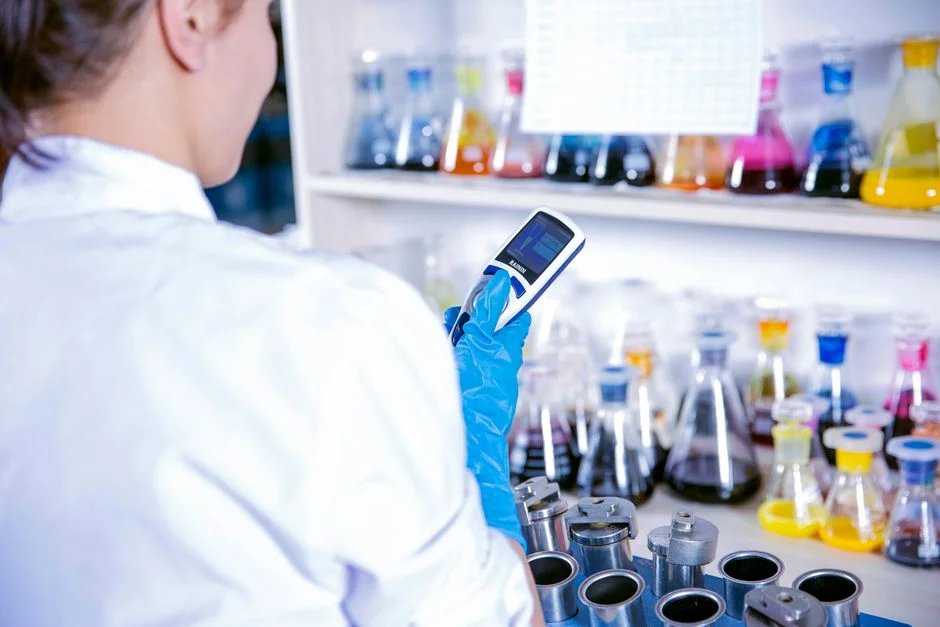
The table below translates the process train into the equipment decisions the engineer has to make — what to buy, what to size for, and what the 2026 cost band looks like for a Singapore-region install. Cost bands include skidded equipment, instrumentation, and installation; civil works (tanks, building) are excluded and typically add 30–50% to the equipment total.
| Stage | Equipment | Sizing for 1,500 m³/day | 2026 CAPEX band (USD) | OPEX driver |
|---|---|---|---|---|
| 1. Equalisation | EQ tank + mixers + pH probe | 500–750 m³ (8–12 h HRT) | 120K–220K (tank + mixers) | None mechanical; pH reagent |
| 2. Coagulation / DAF | DAF + dosing | Single 150 m³/h unit | 60K–120K installed | PAC 50–150 mg/L; polymer 1–3 mg/L |
| 3. Anaerobic + aerobic | UASB + MBBR (or MBR) | Anaerobic HR 24–48 h; aerobic HRT 12–24 h | 250K–450K packaged | Aeration 0.3–0.5 kWh/m³ |
| 4. MBR polish | PVDF flat-sheet DF modules | 4,000–5,000 m² at 15 LMH | 350K–600K packaged | Membrane replacement 7–10 yr; air scour |
| 5. RO reuse | Two-pass or single-pass RO | 1,050 m³/d permeate; 300–450 m³/d concentrate | 250K–450K | Power + membrane replacement 5–7 yr |
| 6. Chemical dosing | PLC-controlled dosing skid | pH, coagulant, antiscalant, cleaning | 25K–60K skidded | NaOH/HCl 1.5–2.5 USD/kg |
| 7. Sludge dewatering | Plate-and-frame filter press for MBR waste + DAF float | ~30–50 m³/d sludge at 1–2% TS | 80K–160K | Polymer 3–8 kg/d; cake haulage |
| Multi-media / carbon polish | Multi-media filter (pre-RO polishing) | ~65 m³/h | 40K–90K | Sand replacement 2–4 yr |
OPEX dominates lifecycle cost. For a 1,500 m³/day Singapore dyehouse, total OPEX typically runs 0.55–0.95 USD/m³ (HydropureWater field data, 2026) — driven by Singapore power at 0.10–0.15 USD/kWh, NaOH/HCl at 1.5–2.5 USD/kg, polymer for sludge dewatering, and RO membrane replacement. Budget OPEX at the upper end of the band if the influent carries salt above 20 g/L NaCl; halotolerant MBR and brine concentration add roughly 0.10–0.20 USD/m³.
Selecting Between MBR, MBBR, and SBR for the Biological Stage
The biological stage is the most contested equipment choice in a textile train because each reactor type carries a different CAPEX/OPEX profile, footprint, and tolerance to salt and shock loads. The table below is the decision matrix an engineer should walk a procurement director through when justifying the selection.
| Criterion | MBR | MBBR | SBR |
|---|---|---|---|
| CAPEX (1,500 m³/d, biological stage only) | USD 350K–600K packaged | USD 220K–360K packaged | USD 180K–300K packaged |
| Footprint | Smallest — high MLSS 8,000–12,000 mg/L | Medium — MLSS 3,000–5,000 mg/L | Largest — batch volume |
| Effluent TSS / turbidity | < 1 mg/L / < 1 NTU (reuse-ready) | 20–50 mg/L (needs clarifier) | 10–30 mg/L |
| SDI to RO | < 3, no cartridge filter needed | > 5, cartridge filter required | > 5, cartridge filter required |
| Salt tolerance (NaCl) | Up to 60 g/L with halotolerant biomass, SRT 40+ d | Drops to 30–50% COD removal at 10 g/L | Similar to MBBR |
| Membrane / media replacement | Membrane 7–10 yr (USD 80K–150K) | Carrier media 15+ yr | Decanter / weir maintenance |
| Cycle / hydraulic flexibility | Continuous; SRT decoupled from HRT | Continuous | Batch 8–12 h cycle |
| Best fit | Reuse mandatory, salt-laden, space-constrained | Discharge-to-sewer, salt < 10 g/L, lower CAPEX | Batch dyehouses, lowest CAPEX |
Decision rule: specify MBR if on-site reuse is the goal or if salt is above 10 g/L; specify MBBR if the plant discharges to sewer with a strict COD cap and salt is below 10 g/L; specify SBR if the dyehouse operates in batches and lowest CAPEX dominates. For reference, the MBR installation and commissioning 2026 guide walks through the commissioning window and flux ramp-up that an MBR train requires to hit design performance. If you are comparing regional baselines, the 2026 textile wastewater engineering guide for Malaysia shows the same reactor types but different discharge limits and power tariffs — useful when a regional client wants a side-by-side cost model.
Frequently Asked Questions
What are the PUB trade effluent discharge limits for textile wastewater in Singapore?
PUB's trade effluent discharge to public sewer is capped at pH 6–9, temperature ≤ 40 °C, COD ≤ 600 mg/L, TSS ≤ 400 mg/L, oil & grease ≤ 50 mg/L, sulfate ≤ 500 mg/L, and no visible color after settling. Color and TDS are the two parameters where reactive dye effluent most often fails without tertiary polishing — design the train for ≥ 95% ADMI decolorization and TDS reduction through RO if on-site reuse is planned.
Can textile effluent meet NEWater-grade reuse in Singapore?
Yes, with a five-stage train (EQ → DAF → anaerobic/aerobic → MBR → RO) the permeate typically hits TDS ≤ 300 mg/L, conductivity ≤ 250 µS/cm, and turbidity ≤ 1 NTU — the high-purity NEWater envelope. Recovery of 70–80% of the RO feed is realistic; the concentrate (20–30% of feed) must go to brine recovery, evaporator, or crystalliser. For reference on nitrogen parameters that also apply, the 2026 total nitrogen discharge limits guide covers PUB's TN envelope.
What is the typical CAPEX and OPEX for a 1,500 m³/day Singapore textile wastewater plant in 2026?
Total equipment CAPEX (excluding civil works) sits in the USD 1.0M–1.7M band for a 1,500 m³/day plant with MBR + RO reuse. OPEX runs 0.55–0.95 USD/m³ at Singapore power tariffs (0.10–0.15 USD/kWh) and reagent costs. Salt-laden reactive dye effluent pushes OPEX toward the upper end of the band; halotolerant MBR and brine concentration add roughly 0.10–0.20 USD/m³.
Which biological reactor — MBR, MBBR, or SBR — is best for salt-laden reactive dye effluent?
MBR with halotolerant biomass at SRT 40+ days. Conventional activated sludge drops to 30–50% COD removal at 10 g/L NaCl; MBBR and SBR inherit the same salt sensitivity. MBR also produces an SDI low enough to feed RO without a separate cartridge filter, which is the binding interface for any on-site reuse scheme.