Why plastics and rubber wastewater is uniquely hard to clarify
Plastics compounding, molding, extrusion, and rubber goods plants produce a wastewater stream that defeats the assumptions baked into most generic DAF-versus-clarifier marketing. The contaminant mix is not just "dirty water" — it is a sticky, foaming, density-reversed soup. Typical streams carry polymer and latex fines below 50 µm, plasticizer oils and release agents (silicone, zinc stearate, fatty acid waxes), carbon black from rubber compounding, and mineral fillers such as CaCO₃, talc, and glass fiber. Each behaves badly in a settling tank: fines have near-water density and stay in suspension for hours, oils float and re-entrain whenever a scraper arm passes, and carbon black smears onto concrete and launders permanently. Antioxidants and stabilizers (hindered phenols, thioesters) often push pH between 4 and 10 across a single shift as different wash baths drain.
The numbers are unforgiving. FOG in plastics wash water routinely runs 200–2,000+ mg/L and TSS lands between 500–5,000 mg/L — both far above what a gravity clarifier was designed for. Emulsified oils and sub-50 µm latex simply will not settle by gravity, which is the structural reason DAF outperforms a clarifier on this stream: microbubbles attach to particles that gravity cannot overcome.
Greendale factories discharge to the Milwaukee County sanitary system, where the regulatory framing runs through Wisconsin DNR NR 211 (industrial wastewater permitting) and NR 243 (POTW pretreatment). Local POTW surcharges apply to excess TSS, BOD, and FOG, so a clarifier that only removes 50% of TSS is not a bargain — it is a recurring line item on the surcharge schedule. For a deeper petroleum-stream cross-reference, the DAF vs clarifier for petroleum wastewater buyer's guide walks the same DAF-versus-settler logic on a related but chemically distinct stream.
DAF vs gravity clarifier: head-to-head on a plastics/rubber stream
DAF microbubbles in the 20–50 µm range lift fine latex and emulsified oil to the surface, where a paddle skimmer removes them; gravity clarifiers rely on Stokes-law settling that the same particles ignore. On a polymer-rich stream, that physics gap shows up directly in removal efficiency: DAF Corp's FC Maximizer is published at 92–98% TSS removal and the rectangular RC UniMax at 85–90% (source: dafcorp.com product pages, 2025), while conventional and lamella gravity clarifiers typically land at 40–70% on the same stream — that 40–70% figure is an engineering range, not a vendor spec sheet, because few clarifier vendors publish numbers on plastics/rubber feeds. The closer the particle density gets to water and the finer the droplet, the wider the gap grows.
| Parameter | DAF (FC Maximizer, UniMax) | Gravity / Lamella Clarifier |
|---|---|---|
| TSS removal on polymer/latex stream | 85–98% (DAF Corp published) | 40–70% (engineering range) |
| FOG / emulsified oil handling | Designed for free + emulsified FOG; bubble attachment | Floating oils re-entrain at the skimmer; emulsified oil passes through |
| Footprint / hydraulic loading | Higher unit-area loading, deeper tank | Lower loading (~20–40 m/h) but shallower, larger plan area |
| Sludge dryness | 2–4% dry solids; ~2× conventional DAF sludge (ClearFox) | Dilate sludge; thickener or plate press usually required downstream |
| Polymer / coagulant demand | Vertical round DAF uses up to 15% less polymer (ClearFox) | Coagulant + flocculant still required; larger floc needed |
| Materials of construction | 304SS standard, 316SS or PP/HDPE optional | Typically concrete + SS scraper; PP/HDPE available for retrofit packs |
| Energy / process | Physical separation; aeration pump + recycle compressor | No aeration; scraper drive and sludge pump only |
| Best fit on this stream | FOG >100 mg/L, TSS >500 mg/L, visible floating polymer | Heavy mineral filler stream, FOG <50 mg/L, modest discharge targets |
Footprint is more nuanced than the numbers suggest. A DAF clarifier has higher unit-area loading but a deeper tank, so the overall plan-area saving versus a comparably rated lamella clarifier (running 20–40 m/h per the HydropureWater lamella clarifier spec) is real but rarely 50%. Where DAF wins clearly is sludge: the dissolved air flotation system and similar units thicken float to 2–4% dry solids (DAF Corp published), which often eliminates a separate thickener and shrinks the downstream dewatering press.
When a DAF is the right primary unit for Greendale plastics and rubber plants
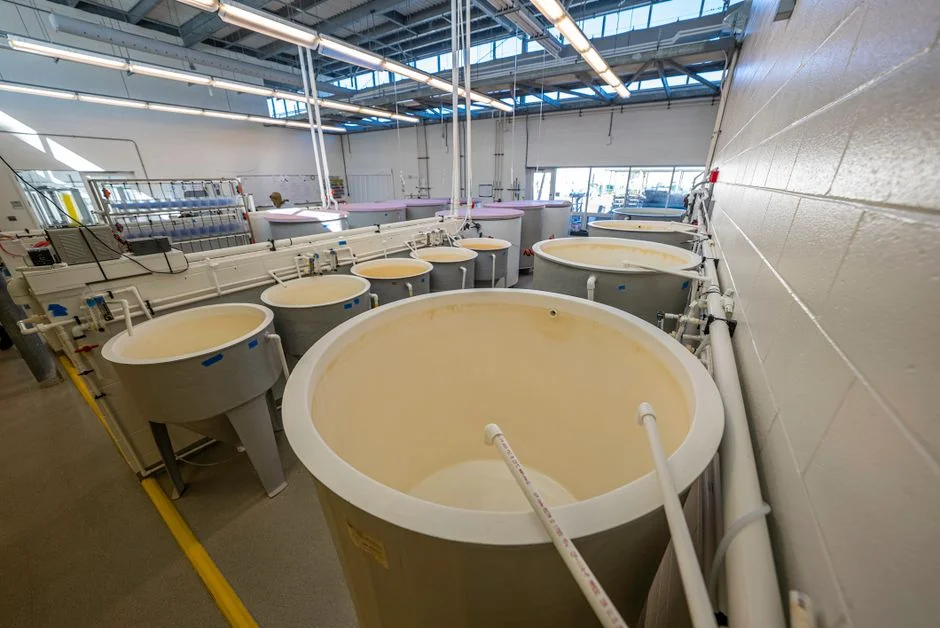
Use DAF as the primary clarifier when any of these triggers apply: FOG above ~100 mg/L, TSS above 500 mg/L, visible floating polymer or latex on the equalization tank surface, recurring clarifier scum and odor complaints, or a Milwaukee-area POTW surcharge schedule that punishes every pound of TSS and FOG above the contract limit. The physics is straightforward — a 20–50 µm bubble (per SigmaDAF and DAF Corp published ranges) has enough surface area to attach to a sub-50 µm latex droplet or a 10 µm oil emulsion, and the resulting bubble-floc aggregate has positive buoyancy that gravity alone can never deliver.
Model selection should track flow and solids load. For high flow with low-to-large solids, the SigmaDAF FPHF uses cross-flow plus countercurrent flow to push the hydraulic envelope; the COMPACT DAF is a pre-assembled turnkey unit rated for ≤66 GPM on a single skid, switching to a modular two-skid layout above 66 GPM (per SigmaDAF, 2026). For the largest Greendale-area plants in the 10–11,000 GPM range, the DAF Corp FC Maximizer publishes the highest published TSS removal at 92–98% on a 2,000 PPM feed. Material selection matters in polymer wash rooms that carry chloride residue from acid pickling or hot wash baths: 316SS resists pitting better than 304SS, and PP/HDPE tanks (ClearFox, SigmaDAF optional) outperform both in chloride-rich service. Skid-mounting and optional remote monitoring (ClearFox, DAF Corp skid-Mounted 48–450 GPM) cut on-site installation time on tight Greendale plant footprints.
When a lamella or conventional clarifier still wins
A lamella or conventional gravity clarifier is the right call when the stream is dominated by heavy mineral fillers (CaCO₃, talc, glass fiber) and FOG is consistently below ~50 mg/L. In that envelope, a HydropureWater lamella clarifier at 20–40 m/h surface loading delivers adequate TSS removal at a lower CapEx than a DAF and with no compressed-air or recycle pump to maintain. The same logic applies to a retrofit: if a plant already has a working rectangular clarifier and only needs to drop TSS further for membrane/RO reuse, adding inclined plates or a small DAF polish unit is cheaper than replacing the tank.
OpEx profile also matters. A DAF install adds a saturation tank, recycle pump, air compressor (or pump-aspirator), and a chemical dosing skid — non-trivial for a plant with no compressed-air header. If the receiving POTW has lenient surcharges and the discharge limits are modest, the DAF payback is weak. The honest move is to price the do-nothing option: a year of surcharges on the current clarifier effluent, plus the labor cost of pulling scum and cleaning launders, often makes the DAF economics obvious — but not always.
Sizing, chemical conditioning, and sludge handling for a 2026 DAF install
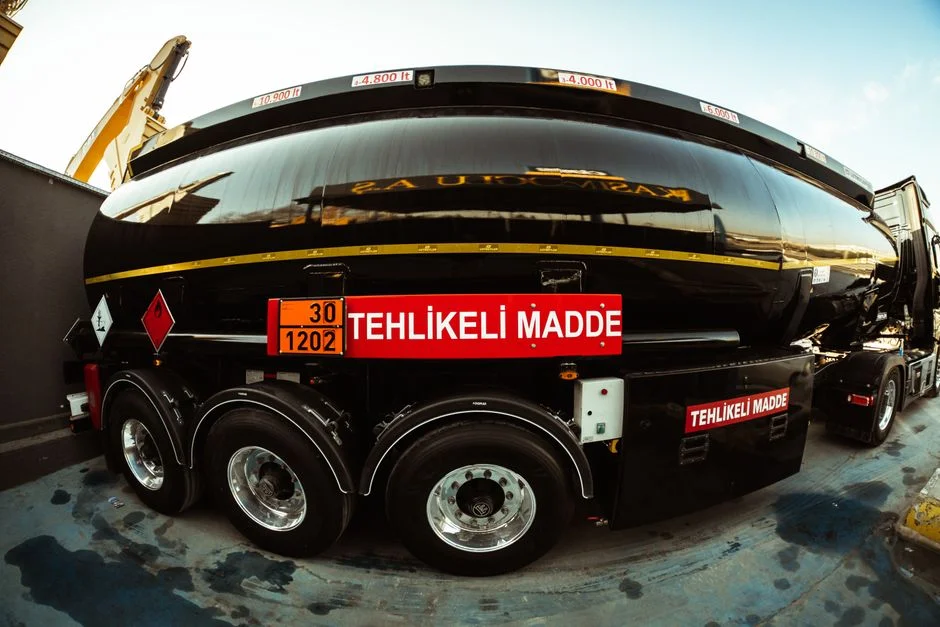
Hydraulic loading for a DAF typically falls in the 5–25 m/h range depending on model and influent solids — confirm with the vendor, since the right number depends on floc density and bubble contact time. The published dissolved air flotation system line covers 4–300 m³/h across 13 standard models, which brackets most plastics and rubber plant sizes in the Greendale market. Chemical conditioning is not optional: DAF must be paired with coagulation and flocculation so the floc is large enough for microbubbles to attach. DAF Corp, SigmaDAF, and VanAire all stress this in their process descriptions. A skid-mounted chemical dosing system sized for the design flow keeps coagulant and flocculant pumps in one panel with the DAF PLC.
Solids removal inside the DAF is two-path: a paddle skimmer sweeps floated scum off the surface, while an auger in the bottom cone pulls heavier settled solids (SigmaDAF process description). The float is already thickened to 2–4% dry solids (DAF Corp published), so pairing the DAF with a plate-and-frame filter press drops disposal volume without a separate gravity thickener. The table below shows the typical envelope.
| Parameter | Typical 2026 DAF design value | Source / note |
|---|---|---|
| Hydraulic loading | 5–25 m/h | Engineering range — confirm with vendor |
| DAF published flow range | 4–300 m³/h (13 models) | HydropureWater published spec |
| Microbubble size | 20–50 µm | DAF Corp, SigmaDAF published |
| Float sludge dryness | 2–4% dry solids | DAF Corp published |
| Polymer/coagulant demand | Vertical round DAF up to 15% less than horizontal rectangular | ClearFox published |
| Air supply / recycle | Saturation tank + recycle pump (or pump-aspirator) | Standard DAF process |
2026 cost and ROI checklist for Greendale factories
Translate the technical call into a CapEx/OpEx story your CFO will sign. First, anchor the surcharge economics: Wisconsin DNR NR 211 governs industrial discharge limits and NR 243 governs POTW pretreatment programs; the Milwaukee-area POTW then layers its own TSS, BOD, and FOG surcharges on top — published surcharges typically land in the $0.05–0.30/lb range, but always check the current MMSD or local utility tariff before sizing the savings. Higher DAF removal (85–98% TSS versus 40–70% for a clarifier on the same stream) routinely pays back the CapEx delta in 1–3 years on surcharge reduction alone.
Energy and maintenance are smaller line items but still real. DAF is a physical separation step (VanAire: "physical separation vs biological treatment"), so the OpEx is dominated by the recycle pump, saturation tank compressor, and polymer — not aeration blowers or diffuser maintenance. PP/HDPE DAF tanks with no moving scrapers (ClearFox) eliminate the chain-and-sprocket lubrication work common on rectangular clarifier drives. Two practical steps close the case: run a 30–90 day on-site pilot before committing — DAF Corp offers an FC-60 pilot at 48 GPM @ 2,000 PPM and an RC UniMax pilot at 80–100 GPM, both of which can be trailered to a Greendale plant; and benchmark warranty terms — VanAire publishes a 2-year warranty, "twice the industry standard" (vanaireinc.com), and that is a fair negotiation anchor when you are sourcing two or three competitive quotes.
Frequently Asked Questions
Is DAF better than a clarifier for plastics wastewater?
Yes, when the stream carries buoyant polymer fines, latex, oils, or carbon black. DAF microbubbles in the 20–50 µm range achieve 85–98% TSS removal (DAF Corp FC Maximizer 92–98%, RC UniMax 85–90%), versus a typical 40–70% for a conventional or lamella clarifier on the same polymer-rich feed. A clarifier remains the better choice when FOG is below ~50 mg/L and the stream is dominated by heavy mineral fillers.
What bubble size does a DAF need for latex and emulsified oil?
Target 20–50 µm microbubbles. SigmaDAF publishes 30–50 µm and DAF Corp's Micro Bubble Generator publishes 20–40 µm consistent bubble output — small enough to attach to sub-50 µm latex droplets and 10 µm emulsified oil particles that gravity settling cannot remove.
Does Wisconsin DNR regulate DAF discharge?
DAF is a treatment device, not a regulated discharge point. The discharge leaving the DAF is governed by Wisconsin DNR NR 211 (industrial wastewater requirements) and NR 243 (POTW pretreatment), plus the local Milwaukee-area POTW's local limits and surcharges on TSS, BOD, and FOG. Always confirm the current local tariff with the receiving utility before finalizing the design.
How much does a DAF cost for a 50 GPM plastics line?
For a 50 GPM stream, a single-skid COMPACT DAF (SigmaDAF) or an equivalent pre-assembled unit typically falls in the low-to-mid six figures USD for the equipment, with total installed cost (skid, chemical dosing, plate-and-frame filter press, wiring) running meaningfully higher. Pilot-test for 30–90 days first — DAF Corp's FC-60 pilot (48 GPM @ 2,000 PPM) and RC UniMax pilot (80–100 GPM) bracket that flow range for on-site confirmation.