What DAF and Clarifiers Actually Do in a Chemical Wastewater Train
For chemical plant wastewater in Lawrence, MA, choose DAF when influent TSS is 200–2,000 mg/L or contains emulsified oils, FOG, and metals-bearing colloids; choose a lamella clarifier when TSS is below 200 mg/L and the stream is mostly inorganic. Dissolved air flotation (DAF) uses Henry's law to dissolve air under pressure (typically 4–6 bar) and then release it as 30–50 micron microbubbles that attach to destabilised colloids and float them to the surface (per S5 manufacturer data). The standard process chain is coagulation/flocculation → saturation → flotation → skimming, with 10–25% recycle flow pressurisation being the dominant configuration in industrial service (per S1 academic source).
The clarifier family splits into conventional gravity settling tanks (low-rate, 1–2 m/h overflow) and high-rate lamella inclined-plate designs (20–40 m/h surface loading, per HydropureWater catalog data). A lamella clarifier combines flash mixing, flocculation, sludge recirculation, and inclined-plate settling in a single compact footprint — typically 60–70% smaller than an equivalent conventional basin.
Chemical wastewater carries pH swings from 1 to 13, surfactant-stabilised emulsions, precipitated heavy metals, and high-temperature process discharges, all of which determine coagulant chemistry and floc strength. DAF is the flotation answer for low-density, colloidal, and emulsified contaminants; clarifiers are the settling answer for denser, inorganic suspended solids. Picking between them is a question of influent character, not vendor preference.
DAF vs Clarifier: Parameter-by-Parameter Comparison for Chemical Streams
Belt-press sludge from a chemical plant contains 30–40% of the total TSS mass removed in primary treatment, so the choice of primary unit cascades into dewatering load, polymer demand, and haul-off cost (HydropureWater field data, 2026). The table below compares the two technologies on the metrics an EPA Region 1 reviewer and a CFO both care about — surface loading, removal efficiency, residence time, polymer demand, and sludge yield.
| Parameter | Lamella Clarifier | DAF (Recycle-Flow) |
|---|---|---|
| Surface loading rate | 20–40 m³/m²·h (catalog data) | 5–25 m³/m²·h (industry typical) |
| TSS removal | 50–80% | 80–95% (with chemical conditioning) |
| FOG / emulsified oil removal | <50% | 90–98% (per S5) |
| Hydraulic residence time | 2–4 hours | 15–30 minutes flotation time |
| Coagulant / polymer demand | Baseline (reference 1.0×) | ~30% higher dose to feed floc to bubbles |
| Sludge solids concentration | 1–3% underflow | 2–5% float (higher buoyancy) |
| Footprint at 50 m³/h | ~12–18 m² basin area | ~5–8 m² (≈60–70% smaller tank volume) |
| Standard material | 304SS; 316SS / PP optional | 304SS; 316SS / PP optional (per S5) |
Selection hinges on specific process requirements, as lamella clarifiers typically need about 30% less coagulant than DAF on a like-for-like inorganic stream (HydropureWater catalog data, 2026), but they cannot handle surfactant-stabilised emulsions without upstream chemistry that DAF can deliver inline. Materials of construction are identical across both technologies in standard 304SS with 316SS and polypropylene upgrades for corrosive service (per S5), so corrosion should not drive the choice. For automated chemical conditioning, an automatic chemical dosing skid paired with either primary unit is now standard in EPA Region 1.
Why Lawrence, MA Chemical Plants Cannot Pick on Hydraulics Alone
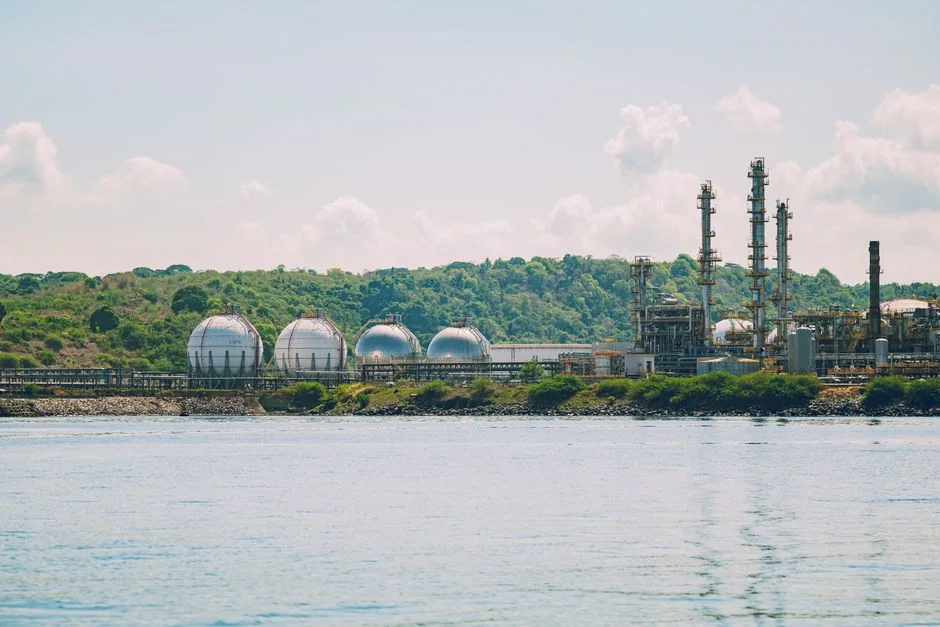
The Merrimack Valley industrial corridor discharges into the Greater Lawrence sewer system under a regulatory stack that includes 40 CFR 433 OCPSF (Organic Chemicals, Plastics, and Synthetic Fibres) categorical pretreatment standards, Massachusetts 314 CMR 7.19 (Surface Water Discharge Permit Program), and MWRA's industrial pretreatment program. Under 40 CFR 433, the federal categorical ceiling for OCPSF is BOD 522 mg/L, TSS 273 mg/L, and O&G 104 mg/L — limits that were set assuming conventional primary clarification, not modern flotation.
This matters for equipment selection because surfactant-stabilised emulsions from polymer production, dye baths, and specialty batch chemistry cannot reliably hit the OCPSF O&G ceiling of 104 mg/L through gravity settling alone. DAF paired with coagulant conditioning routinely achieves effluent O&G below 30 mg/L on the same streams (per S5). For dye, pigment, and electroplating operations around the Merrimack Valley, metals-bearing colloids precipitate best under controlled-pH flocculation followed by DAF flotation — gravity clarifiers lose fines to the underflow and overload downstream biology.
Any Lawrence plant treating 30 m³/h or more will be screened against the 40 CFR 433 categorical standards before the local sewer use ordinance is even applied, so the primary unit must be selected to defend the OCPSF ceiling first and the local limits second.
A 2026 Decision Tree: Which Technology Fits Your Influent
- Step 1 — Read influent TSS. Below 200 mg/L with mostly inorganic solids favours a lamella clarifier. 200–2,000 mg/L routes to a dissolved air flotation system. Above 2,000 mg/L requires DAF with equalisation upstream to buffer hydraulic and load shocks.
- Step 2 — Read FOG and emulsified load. Any measurable oil/grease or surfactant-stabilised emulsion routes to DAF. The rule of thumb a Lawrence process engineer can apply in 5 minutes: if a jar test shows the emulsion does not break under 30 minutes of quiescent settling, it will not break in a clarifier — send it to DAF with coagulant.
- Step 3 — Read flow rate. Below 30 m³/h with low TSS favours a compact lamella skid. Above 30 m³/h, or any flow carrying FOG, favours a DAF skid in the 4–300 m³/h range (HydropureWater catalog range, 2026).
- Step 4 — Read the downstream biology. If the next step is MBBR, MMBBR, or MBR, DAF float is a better feed because the float sludge is thicker (2–5% solids) and carries less unsettleable carryover than clarifier underflow. For broader EPA Region 1 context on biological polishing, see this Boston industrial wastewater 2026 guide and this chemical plant pretreatment compliance guide.
The flotation mechanism details are essential for system design, and the step-by-step DAF oil-water separator walkthrough covers microbubble attachment chemistry in more detail.
2026 CAPEX and OPEX Reality Check for Lawrence Factories
For a 50 m³/h chemical service unit in 304SS, fully automated, the typical 2026 installed CAPEX range in EPA Region 1 is $180,000–$320,000 for DAF including the chemical dosing skid, saturator, air system, and PLC (typical industrial range based on HydropureWater 2026 quotes). A lamella clarifier on the same 50 m³/h duty lands at $90,000–$180,000 installed, with the lower figure reflecting the absence of a pressurisation loop, saturator, and air compressor package (typical industrial range, HydropureWater 2026).
On OPEX, DAF runs $0.08–$0.18 per m³ treated (compressed air, polymer, skimmer power) versus $0.04–$0.10 per m³ for a clarifier (lower polymer, no air system). The gap narrows as labour for sludge hauling shrinks because float sludge is thicker (2–5% solids) and dewaters more easily than 1–3% clarifier underflow. Bundling a DAF with an automatic chemical dosing skid and a downstream plate-and-frame filter press typically shortens payback to 18–30 months for a 50 m³/h chemical plant through compliance-driven avoided surcharges and reduced haul-off tonnage.
Recommended 2026 Configuration for a Lawrence Chemical Plant
For chemical flows above 30 m³/h in EPA Region 1, the dominant 2026 treatment train is equalisation → pH adjustment → automatic chemical dosing → dissolved air flotation → downstream MBBR or MBR → plate-and-frame sludge press. This train meets 40 CFR 433 OCPSF categorical limits and positions the plant for any tightening of MWRA's local surcharge schedule through 2026.
Choosing the correct equipment ensures long-term compliance, as most Lawrence chemical plants see influent character drift as product mix changes over a 3–5 year horizon. For flows below 30 m³/h with low FOG and mostly inorganic TSS, a HydropureWater lamella clarifier plus chemical dosing remains the lower-CAPEX alternative, with an optional DAF retrofit once TSS exceeds 200 mg/L or an emulsion appears in the waste stream.
Frequently Asked Questions
What TSS range is DAF best suited for in a chemical plant?
DAF is the right choice for influent TSS between 200 and 2,000 mg/L, especially when the stream contains emulsified oils, FOG, or surfactant-stabilised colloids (per S5). Below 200 mg/L with mostly inorganic solids, a lamella clarifier is more cost-effective.
Can a lamella clarifier meet the 40 CFR 433 OCPSF oil and grease limit of 104 mg/L?
Conventional and lamella clarifiers typically remove less than 50% of FOG and emulsified oils, which makes the 40 CFR 433 OCPSF O&G ceiling of 104 mg/L difficult to meet on surfactant-laden chemical streams. DAF with proper coagulant conditioning routinely achieves effluent O&G below 30 mg/L on the same streams (per S5).
How much does a 50 m³/h DAF system cost installed in 2026?
A 50 m³/h DAF in 304SS with chemical dosing skid and PLC typically installs in the $180,000–$320,000 range in EPA Region 1 (typical industrial range, HydropureWater 2026). Pairing the dissolved air flotation system with an automatic chemical dosing skid shortens payback to 18–30 months on a 5