Why Fort Wayne Factories Are Re-Evaluating Oil/Water Separation in 2026
For Fort Wayne factories treating petroleum wastewater in 2026, the choice between a Dissolved Air Flotation (DAF) system and a gravity clarifier is a compliance question driven by IDEM Rule 327 IAC 5 and Fort Wayne City Utilities Sewer Use Ordinance limits on oil and grease. The City's ordinance sets a 100 mg/L instantaneous maximum and a 50 mg/L monthly average for oil and grease discharged to the sanitary sewer, with surcharges and enforcement triggered when metalworking, automotive parts, lubricant blending, or small refinery operations exceed those numbers (per City of Fort Wayne Sewer Use Ordinance, current as of 2025-08). NPDES industrial stormwater and process discharge expectations tightened through 2024–2025 and remain in effect for 2026, meaning pretreatment skids that once passed are now marginal.
The Fort Wayne industrial base generating petroleum wastewater includes metalworking coolants and stamping lubricants, automotive parts machining fluids, hydraulic system flushing from rail and heavy-equipment maintenance, small-scale food-grade lubricant blending wash water, and small refinery or re-refining streams. Across these shops, total oil and grease in the raw waste typically lands in the 50–500 mg/L range, with droplet sizes ranging from visible free oil layers to chemically emulsified coolant. This article provides a decision framework to match oil droplet size, flow variability, and footprint to the right technology before writing an RFQ.
How a DAF Clarifier Removes Oil From Petroleum Wastewater
A DAF system clarifies oily wastewater by dissolving air into a pressurized side stream at 4–6 bar and releasing that stream to atmospheric pressure inside a flotation tank. The pressure drop generates 30–50 µm microbubbles that attach to oil droplets and colloidal solids, lifting them to the surface where a paddle skimmer removes the float (per Clearwater/SigmaDAF S5). This mechanism targets low-density particles and emulsified oils that are too small or too neutrally buoyant to settle on their own, addressing the failure mode that defeats a gravity clarifier (per Ecologix S2).
On petroleum streams, well-designed DAF units paired with coagulation/flocculation chemistry deliver 80–95% oil and grease removal and 60–90% TSS removal, with effluent oil and grease typically below the 25–50 mg/L range needed for sewer discharge or cooling-tower makeup (HydropureWater field data, 2026). Chemical conditioning is necessary: a coagulant (typically a cationic polyaluminum chloride or ferric chloride at 50–200 mg/L) bridges the microbubbles to sub-100 µm oil droplets, and a flocculant builds the floc that the bubbles can lift (per S2, S3, S5). The dissolved air flotation (DAF) system covers 4–300 m³/h across 13 standard packaged models with automatic skimming, and its 15–30 minute hydraulic residence time requires a tank roughly an order of magnitude smaller than a clarifier handling the same flow.
How a Conventional or Lamella Clarifier Separates Oil and Solids
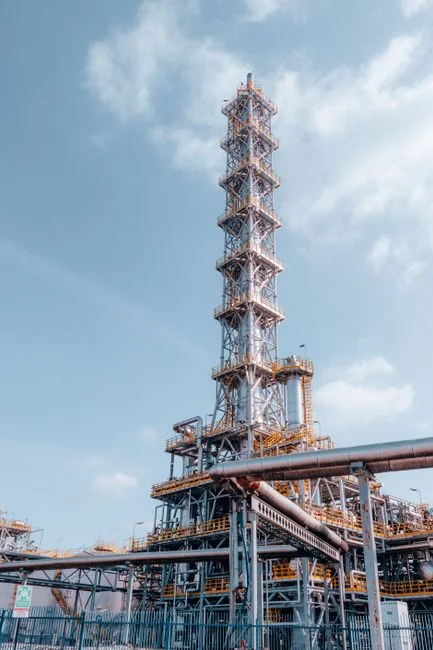
A conventional or lamella clarifier relies on Stokes' law: free oil rises, heavier suspended solids settle, and a surface skimmer plus a bottom sludge scraper remove the two phases. An API separator is the basic cylindrical or rectangular version, while a lamella or plate-pack clarifier inserts 55–60° inclined plates at close spacing to multiply the effective settling area inside a small footprint. In either geometry, the physics only work when oil droplets are large enough to overcome turbulent mixing and rise in the residence time available.
The practical cutoff is droplet size. Gravity separation is effective on free oil above roughly 100–150 µm; below that, droplets stay suspended and report in the effluent (HydropureWater field data, 2026). A HydropureWater high-efficiency sedimentation tank (lamella clarifier) achieves 20–40 m³/m²/h surface loading through its inclined plate pack and can cut coagulant consumption by up to 30% versus a conventional API separator at matched oil load, but it still cannot lift emulsified droplets. Clarifier strengths include no compressed-air system, often no chemistry, 30–50% lower CAPEX than a DAF at matched flow on free-oil streams, tolerance of flow surges when oversized, and a robust mechanical design with decades of operating history. The trade-offs include poor performance on emulsified oil, large civil footprint, regular sludge and scum handling, and 1–3 hour residence times that lock in tank volume.
DAF vs Clarifier: A Parameter-by-Parameter Comparison for Petroleum Streams
The table below provides a comparison for an engineer to paste into a vendor RFQ. Numbers reflect typical packaged units in the 20–100 m³/h range; site-specific jar testing should be run before final selection.
| Parameter | DAF | Lamella / API Clarifier |
|---|---|---|
| Free oil removal (>100 µm) | 90–95% | 70–90% |
| Emulsified oil removal (<100 µm) | 80–95% (with chemistry) | 10–30% (not viable) |
| TSS removal | 60–90% (with chemistry) | 50–75% |
| Footprint per m³/h | 0.1–0.3 m² | 0.5–1.5 m² (lamella); 2–4 m² (API) |
| Hydraulic residence time | 15–30 min | 1–3 h |
| CAPEX band (20–100 m³/h packaged) | Higher unit cost | 30–50% lower on free-oil streams |
| OPEX drivers | Recycle pump power, coagulant + flocculant, sludge hauling | Sludge/scum hauling, periodic plate cleaning |
| Chemical demand | Required for sub-100 µm performance | Optional; often none for free oil |
| Sensitivity to flow swings | Low (fast turnover) | Moderate; surges risk oil re-entrainment |
| Civil / installation | Skid-mounted; 1-day mobile deployment (per S3) | Concrete tank or packaged steel; weeks of civil work |
| Winter operation in Fort Wayne | Indoor skid largely climate-independent | Exposed tanks need covers or heat to manage viscosity |
| Effluent reuse suitability | Direct to cooling tower with polish filtration | Typically needs multimedia filter or MBR downstream |
Mobile DAF units are now routinely deployed in a single day on a trailer with no permanent foundation, which is an advantage for short-term projects, emergency response, or pilot testing at a Fort Wayne plant before a permanent install (per WesTech S3). Packaged single-skid DAF designs like the COMPACT series handle flows of 66 GPM or less (about 15 m³/h), with modular two-skid configurations for higher flows (per S5), allowing the same vendor to scale from a small machine shop to a mid-sized refinery using the same control philosophy.
How to Choose Between DAF and a Clarifier for Your Fort Wayne Site
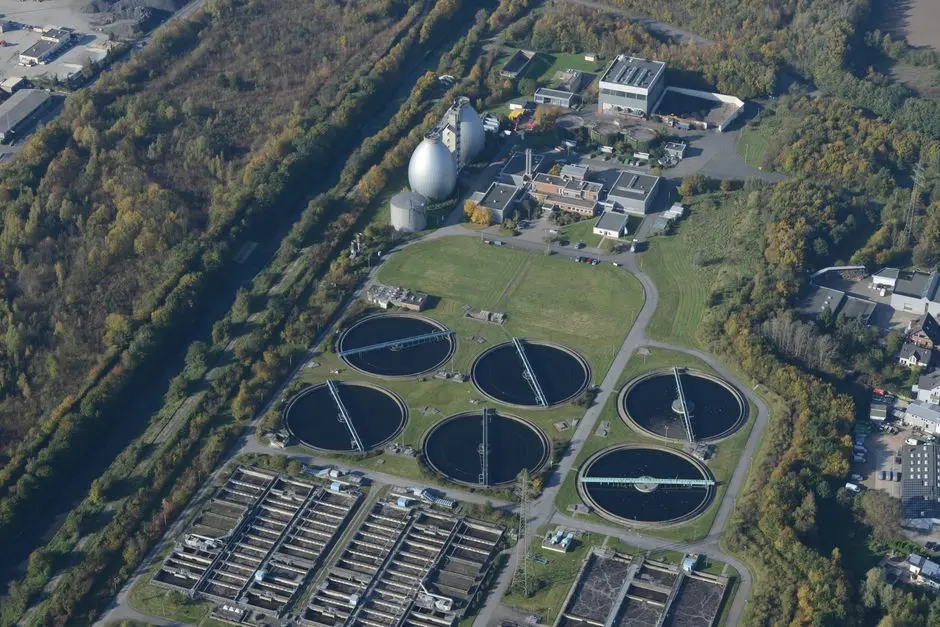
The comparison above reduces to four questions on your P&ID. Run them in order; the first "yes" usually identifies the technology.
Rule 1 — Droplet size. If the influent has a visible free oil layer and jar tests show oil droplets above 150 µm, start with an API/lamella clarifier. If the stream is emulsified (coolant-laden, surfactant-stabilized, or turbid with no visible oil layer), start with DAF — gravity cannot lift what the chemistry has emulsified.
Rule 2 — Flow profile. If flow is below 30 m³/h, intermittent, or variable batch-to-batch, a DAF's 15–30 minute residence and fast start-up outperform a clarifier. If flow is steady above 50 m³/h and the plant has the land, a lamella clarifier wins on total cost of ownership despite its size.
Rule 3 — Footprint. If the available equipment pad is under 30 m², a packaged dissolved air flotation (DAF) system sized to your flow fits. A clarifier at the same flow typically needs 3–5× the footprint and weeks of civil work — a serious constraint inside an existing Fort Wayne plant building.
Rule 4 — Discharge or reuse. If the downstream target is sewer discharge under the 50 mg/L monthly average, a properly chemized DAF hits it directly. If the target is reuse as cooling-tower makeup or rinse water, DAF effluent is more consistent; clarifier effluent almost always needs a multimedia filter or membrane bioreactor downstream to control TSS and residual oil. For deeper reuse and discharge detail, the DAF configuration for API mother liquor guide walks through the polish-train options.
A hybrid train is also a viable strategy. A lamella clarifier for primary free-oil removal feeding a DAF as polishing for the emulsified fraction is a common configuration at larger Fort Wayne plants, allowing each technology to perform its specific role. The DAF engineering guide with micro-bubble technology covers the bubble-size and chemistry considerations that drive polish-stage performance.
Matching the Equipment to Real Fort Wayne Flow Rates and Footprints
The numbers below provide data points to pin a vendor quotation against, drawn from HydropureWater's own DAF and lamella clarifier catalog (HydropureWater, 2026).
| Parameter | DAF System | HydropureWater Lamella Clarifier |
|---|---|---|
| Flow range | 4–300 m³/h (13 standard models) | 5–500 m³/h (modular plates) |
| Surface loading | N/A (flotation-driven) | 20–40 m³/m²/h |
| Footprint (50 m³/h unit, approximate) | ~10–15 m² skid | ~40–60 m² tank + plates |
| Chemical demand | Coagulant + flocculant required for sub-100 µm | Up to 30% lower vs. conventional API |
| Skimming / sludge removal | Automatic paddle skimmer + auger | Surface skimmer + bottom scraper |
| Typical scope pairing | Pair with automatic chemical dosing system for coagulant/flocculant feed | Route settled sludge to a plate and frame filter press to cut hauling volume |
At a typical 50 m³/h Fort Wayne metalworking or lubricant-blending flow, the DAF skid plus an automatic chemical dosing system fits inside a standard equipment room, while a lamella clarifier at the same flow usually requires an outdoor pad with a cover or heat tracing for winter operation. Downstream of either unit, a plate and frame filter press on the floated or settled sludge routinely cuts waste-hauling volume by 70–80%, which shifts the OPEX calculation in a city where liquid waste disposal is a significant line item.
Frequently Asked Questions
What oil droplet size can a DAF remove that a clarifier cannot?
DAF microbubbles in the 30–50 µm range attach to oil droplets down to roughly 5–20 µm once coagulant and flocculant have bridged the bubble to the droplet, delivering 80–95% oil and grease removal on emulsified streams. A gravity clarifier is generally limited to free oil above 100–150 µm, because smaller droplets lack the buoyancy to rise in a 1–3 hour residence tank.
Will a DAF system meet Fort Wayne's 50 mg/L monthly average oil and grease limit?
A properly sized and chemized DAF routinely holds effluent oil and grease below 25–50 mg/L, which complies with the City of Fort Wayne Sewer Use Ordinance's 50 mg/L monthly average and 100 mg/L instantaneous maximum for discharges
Frequently Asked Questions
What is the best DAF or clarifier for petroleum wastewater in Fort Wayne factories in 2026?
For Fort Wayne petroleum applications in 2026, Dissolved Air Flotation (DAF) is generally superior to gravity clarifiers due to the low density of hydrocarbons, which often resist natural settling. High-rate DAF units equipped with automated skimmers are the industry standard for removing free-floating oils and suspended solids in cold-weather climates, ensuring compliance with local pretreatment discharge limits set by the Fort Wayne City Utilities.
How much oil and grease can a DAF remove compared to a clarifier?
A DAF system typically achieves 85% to 95% removal efficiency for oil and grease, whereas a standard primary clarifier often achieves only 40% to 60% removal for the same petroleum-based influent. Because petroleum hydrocarbons have a specific gravity lower than water, they rise to the surface faster in a DAF system utilizing micro-bubbles, whereas clarifiers struggle to capture these light fractions without extensive residence time.
Does a DAF need chemicals to treat emulsified oil from petroleum wastewater?
Yes, DAF systems require chemical pretreatment to destabilize emulsified oils before they can be removed. Facilities must use coagulants such as ferric chloride or aluminum sulfate, followed by anionic or cationic polymers, to break the emulsion and create larger floc particles that the air bubbles can attach to for flotation.
Can DAF effluent from petroleum wastewater be reused in a cooling tower?
DAF effluent can be reused in cooling towers only after advanced tertiary treatment, such as multi-media filtration or activated carbon adsorption. While a DAF effectively reduces total suspended solids (TSS) and oil content, it does not remove dissolved hydrocarbons or organics that can lead to biological fouling and corrosion within cooling tower heat exchangers.
Is a lamella clarifier cheaper than a DAF for oily wastewater treatment?
A lamella clarifier typically has a lower initial capital expenditure and lower operating costs compared to a DAF because it lacks the air saturation pumps, compressors, and chemical dosing complexity required for flotation. However, for oily wastewater, a lamella clarifier often fails to meet strict discharge standards without additional downstream processing, which may result in a higher total cost of ownership over the lifecycle of the equipment.