Why Coking Wastewater Sludge Is a Different Problem
Coking wastewater sludge treatment is the solids-handling stage that follows biological treatment of high-thiocyanate, high-nitrate, toxic-organic wastewater from coke plants. The 2026 process train typically runs: equalization → DAF/primary clarifier → biological stage (A/O, A²/O, or thiocyanate-driven denitrification per Water Research Jul 2026) → sludge thickening → conditioning → plate-and-frame filter press or centrifuge for dewatering to 25–35% dry solids before hazardous disposal.
Coking wastewater carries a pollutant fingerprint unlike any other industrial stream the average process engineer has sized for: thiocyanate (SCN⁻) at 200–800 mg/L, total cyanide at 10–100 mg/L, phenols at 100–1500 mg/L, ammonia at 100–500 mg/L, nitrate at 50–300 mg/L, and polycyclic aromatic hydrocarbons (PAHs) at 1–50 mg/L, alongside trace Cr, Ni, and Zn (per the Water Research 2026 abstract on real coking wastewater characterization). Roughly 40–60% of the incoming COD and the majority of the bound metals partition into the biological floc during secondary treatment rather than exiting in the clarified effluent (per the ACS ES&T Water 2020 OHO paper on sludge spatial segmentation). The waste activated sludge (WAS) is therefore the primary carrier of the original toxicity, and the dry cake leaving the filter press is what regulators actually classify as hazardous waste under the EU Waste Framework Directive 2008/98/EC hazardous-properties criteria and the analogous US RCRA Subtitle C logic for listed and characteristic wastes. Yet the 2026 academic literature is dominated by biological nitrogen-removal papers — only two of the top-cited 2026 sources (Water Research and Communications Engineering, both Jul 2026) even mention downstream solids handling, and neither specifies dewatering parameters. The operational consequence is well known to plant engineers: the same toxic load that stresses the bioreactor makes the resulting sludge resist thickening, demand higher polymer, and dewater to a lower cake dryness than a comparable municipal biosolids stream. The next sections bridge that gap.
The 2026 Coking Wastewater Process Train (Liquids and Solids Together)
The full 2026 train is best read as one integrated flowsheet, because changes in the biological stage propagate directly into the solids load arriving at the dewatering press. A typical coking wastewater line starts in an equalization basin (HRT 8–24 h) to dampen ammonia and phenol spikes, then moves to a DAF unit or API oil/water separator that removes tars, light oils, and a portion of the suspended solids. From there the liquor enters the biological stage — most often an A/O, A²/O, or the more recent Oxic–Hydrolytic–Oxic (OHO) configuration documented in ACS ES&T Water — and finishes through a secondary clarifier and a tertiary polishing step such as a high-efficiency lamella clarifier or sand filter.
Two 2026 research threads now dominate the biological stage. The first is the SCN⁻-driven biological nitrogen removal (SCN⁻-BNR) reactor validated for 200 days — 160 days on synthetic stoichiometric optimization, then 40 days on undiluted real coking wastewater — published in Water Research Jul 2026 (doi:10.1016/j.watres.2026.126438). The second is the staged diatomite + pyrite strategy from Communications Engineering Jul 2026, which delivered an 86% biomass increase and produced micro-granular sludge averaging 196 μm in size — a granule profile that improves settleability but changes the WAS yield coefficient. The practical takeaway is that autotrophic denitrification routes (SCN⁻-BNR, diatomite/pyrite) generate substantially less sludge per kg N removed than heterotrophic A/O or A²/O, because no methanol or acetate is dosed and the cell yield is lower. A plant converting from heterotrophic to autotrophic biological mode can expect a 20–40% drop in WAS production, with a corresponding drop in polymer consumption downstream.
Solids split cleanly at the clarifier: DAF/primary sludge is mineral-rich and arrives at 4–8% TS; waste activated sludge (WAS) is biological and arrives at 0.5–1.5% TS. The two streams are usually thickened separately and re-blended before conditioning. A coking plant producing 200 m³/h of wastewater with a typical WAS yield of 0.25–0.4 kg DS/kg COD removed will generate 1.5–4.0 tonnes DS/day of combined sludge, which is the number a thickening and dewatering line must be sized against.
| Process Stage | Function | Typical Output (2026 design) |
|---|---|---|
| Equalization basin | Flow and load equalization | HRT 8–24 h, pH 7–9 |
| DAF / API separator | Oil/grease and primary solids removal | 4–8% TS primary sludge |
| Biological stage (A/O, A²/O, OHO, SCN⁻-BNR) | SCN⁻, CN⁻, phenol, NH₃-N, NO₃⁻ removal | 0.5–1.5% TS WAS; 86% biomass gain with diatomite carriers |
| Secondary clarifier / Lamella | Biomass separation | Effluent TSS 30–80 mg/L; see high-efficiency lamella clarifier designs for high-SVI WAS |
| Sludge thickening (DST/GBT) | WAS concentration | 2–4% TS thickened WAS |
| Polymer conditioning | Floc strengthening before dewatering | CPAM 5–30 kg/tonne DS |
| Plate-and-frame press / centrifuge | Dewatering to cake | 25–35% DS (press) or 20–28% DS (centrifuge) |
| Hazardous disposal | Landfill or thermal desorption | Typically classified under EU WFD hazardous criteria |
Sludge Characterization: Solids, Toxicity, and Dewaterability
Coking sludge sits at the hard end of the industrial-sludge spectrum. After gravity belt thickening, WAS typically lands at 2–4% total solids; DAF/primary sludge at 4–8% TS. Volatile solids (VS) run 45–65% — markedly lower than municipal biosolids (70–80%) because of inorganic carryover (tars, fines, precipitated metals) and the toxic-organic fraction that does not fully mineralize in the bioreactor. Specific resistance to filtration (SRF) is the most useful single number for sizing a filter press, and coking sludge routinely lands at 10¹³–10¹⁴ m/kg, an order of magnitude above the 10¹²–10¹³ m/kg typical of municipal biosolids. The high SRF is driven by fine colloids, extracellular polymer from stressed biomass, and the metals-bound organic matrix — the same fingerprint that drives hazardous classification.
Residual contaminants in the sludge are what make the disposal route expensive. Supernatant recycle streams typically carry 5–30 mg/L residual SCN⁻ and 0.5–5 mg/L residual CN⁻, while the solid cake contains PAHs in the 100–1000 mg/kg range and trace heavy metals (Cr, Ni, Zn) at hundreds to low-thousands of mg/kg. Under the EU Waste Framework Directive 2008/98/EC HP criteria — and the analogous US RCRA characteristic-waste logic — this profile pushes the cake into hazardous classification in most jurisdictions. The operational upshot: do not assume coking sludge can be co-disposed with municipal biosolids; confirm the receiving facility's acceptance criteria before sizing dewatering. Because the colloid and toxic-organic load is so high, a single cationic polyacrylamide dose is often insufficient; operators typically run a dual-polymer scheme (cationic CPAM 5–15 kg/tonne DS plus either polyaluminum chloride (PAC) at 50–200 mg/L or ferric chloride at 100–300 mg/L), and high-toxicity streams may need thermal pre-treatment (60–80 °C for 30–60 min) to break the gel structure and bring SRF into a workable range. For consistent polymer/coagulant delivery across the variable feed, a PLC-controlled automatic chemical dosing system with flow-paced injection is now the 2026 baseline.
| Parameter | Coking WAS (thickened) | Coking DAF/Primary | Municipal Biosolids (reference) |
|---|---|---|---|
| Total solids (TS) | 2–4% | 4–8% | 2–5% |
| Volatile solids (% of TS) | 45–65% | 30–50% | 70–80% |
| SRF (m/kg) | 10¹³–10¹⁴ | 10¹²–10¹³ | 10¹²–10¹³ |
| Residual SCN⁻ (mg/L, supernatant) | 5–30 | 10–50 | — |
| Residual CN⁻ (mg/L, supernatant) | 0.5–5 | 1–10 | — |
| PAH in cake (mg/kg) | 100–1000 | 200–2000 | < 50 |
| CPAM dose (kg/tonne DS) | 10–30 (dual-polymer) | 5–15 | 4–10 |
| Final cake DS, plate press | 25–35% | 30–40% | 22–28% |
Thickening and Conditioning Before Dewatering
Thickening is where most plants either win or lose the dewatering battle. The 2026 baseline for coking WAS is a two-stage train: a dissolved-air flotation or gravity belt thickener (GBT) upstream to reach 4–6% TS, followed by a sludge holding tank with gentle mixing that feeds the conditioning stage. Gravity thickeners (DST) still work for combined primary-plus-WAS streams but consume footprint and produce a foul supernatant that is high in SCN⁻ and CN⁻ — the recycle load should be routed back to the head of the biological stage, not to the DAF, and monitored with an online cyanide analyzer if close to the discharge consent. For DAF and primary sludge streams, a high-efficiency lamella clarifier configured as a thickener handles the higher-solids, lower-VS feed with short residence time and minimal polymer demand.
Conditioning is where the engineering judgment matters most. Cationic polyacrylamide (CPAM) at 5–15 kg/tonne DS is the workhorse for moderately toxic streams; coking sludge at the higher-toxicity end typically needs 20–30 kg/tonne plus a coagulant (polyaluminum chloride at 50–200 mg/L, or ferric chloride at 100–300 mg/L) to drop SRF into a workable range. Charge density and molecular weight of the CPAM both matter — high-charge, high-MW grades handle the high-SRF, metal-rich feed, while low-charge grades can over-polymerize the primary sludge and blind the press cloth. PLC-controlled, flow-paced injection from an automatic chemical dosing system is now the standard 2026 practice, and the data are unambiguous: dose stability alone typically cuts polymer consumption 10–20% versus manual jar-test-then-set practice (HydropureWater field data, 2026). Where 2026 biological research is pushing the field is upstream — the SCN⁻-BNR concept and the diatomite/pyrite carrier strategy from Communications Engineering Jul 2026 both target lower sludge yield at the biological stage, with measured 86% biomass increase and 196 μm granule size in the latter. For existing plants these are 3–5 year retrofit decisions, not immediate fixes; conditioning and dewatering remain mandatory regardless of how clever the upstream bioreactor becomes.
Dewatering Equipment: Plate Press, Centrifuge, or Belt Press?
The three dewatering options a coking plant realistically evaluates are a plate-and-frame filter press, a decanter centrifuge, and a belt filter press. Each has a defensible niche, and the right choice is driven by cake-disposal destination, throughput, and the receiving facility's acceptance criteria.
The plate-and-frame filter press is the 2026 workhorse for hazardous coking sludge. It delivers 25–35% cake dry solids — the highest of the three options — at the lowest energy intensity, because the pressing cycle is essentially mechanical work against a fixed filtration area. The trade-off is batch operation: a 50 m² plate press on a 4-batch-per-day cycle handles roughly 8–12 m³/h of feed; a 250 m² unit on the same cycle handles 40–60 m³/h. Plate-and-frame ranges from 1 m² pilot units to 500 m² production units, with filter cloths specified for pH 1–13 and SCN⁻/CN⁻ exposure. PP plates dominate for general coking duty; rubber-coated steel plates are used where thermal pre-conditioning is part of the upstream train.
The decanter centrifuge is the right answer when throughput exceeds ~30 m³/h and disposal is less restrictive, or when a continuous, low-footprint unit fits a brownfield site better than a batch press. Centrifuges deliver 20–28% cake DS at full continuity, with higher polymer demand (typically 20–30% above plate press) and the well-known noise, wear, and grit-handling issues. The belt filter press is the lowest-CAPEX option but produces only 18–22% cake DS and is generally inadequate for hazardous coking sludge — the wet cake pushes disposal tonnage up, and the open belt is a poor fit for the volatile-organic fraction.
The decision rule is straightforward. Specify a plate-and-frame filter press when (a) the cake must go to a hazardous landfill, secure landfill, or thermal desorption unit, (b) the receiving facility's acceptance criteria penalize low DS, or (c) the long-term disposal cost is the dominant OPEX line. Specify a decanter centrifuge when (a) feed flow is > 30 m³/h on a continuous basis, (b) the disposal route accepts the 20–28% DS cake, or (c) the site footprint cannot accommodate a press room. Avoid belt filter press for hazardous coking duty. For broader context on how a major integrated steelmaker is approaching the same train in 2026, see the ArcelorMittal steel wastewater treatment guide, and for the procurement-side trade-offs see the sludge dewatering equipment decision framework.
| Parameter | Plate-and-Frame Filter Press | Decanter Centrifuge | Belt Filter Press |
|---|---|---|---|
| Cake dry solids (DS) | 25–35% | 20–28% | 18–22% |
| Operation mode | Batch | Continuous | Continuous |
| Typical throughput (m³/h feed) | 8–60 (50–250 m² unit) | 10–80 | 5–40 |
| Polymer demand | Baseline (5–15 kg/t DS, dual-polymer on high-SRF feed) | +20–30% vs press | +10–20% vs press |
| Energy intensity | Lowest (mechanical pressing) | High (high-G bowl) | Moderate |
| Cake suitability for hazardous disposal | Best | Acceptable | Marginal |
| Footprint | Larger (press room + cake handling) | Compact | Compact |
| Indicative CAPEX (relative) | Medium | High | Low |
| Best fit for coking sludge | Hazardous-cake plants, < 50 m³/h sludge | High-throughput, less-restrictive disposal | Low-toxicity streams only |
2026 CAPEX and OPEX Benchmarks for Coking Sludge Treatment
The 2026 academic and trade literature does not publish a single defensible CAPEX or OPEX line item for a complete coking sludge treatment train — the numbers vary too widely with throughput, cake-disposal route, and local energy and labor cost to quote a useful single figure. What is defensible is the structure of the cost stack and the levers that move it. The four cost drivers, in descending order of sensitivity, are: (1) cake disposal cost, which is the dominant OPEX line on a per-tonne basis; (2) polymer consumption, which is typically the largest variable OPEX inside the fence; (3) energy for dewatering and conditioning; and (4) polymer/coagulant dosing equipment, which is amortized over a 10–15 year life.
The leverage on disposal cost is huge and is the strongest argument for specifying a high-DS plate press. Each 5-point increase in cake DS — say, from 25% to 30% — cuts the wet-tonne volume sent to landfill or thermal desorption by roughly 15–20%, because the water fraction shrinks faster than the dry mass. On a 10 tonnes DS/day plant running to hazardous landfill at 2026 disposal tariffs, that single number can be the difference between a workable OPEX and a project that never recovers its CAPEX. The leverage on polymer is real but smaller: PLC-controlled, flow-paced injection from a properly sized plate-and-frame filter press line with upstream automatic chemical dosing typically cuts polymer consumption 10–20% versus manual practice, with the savings more pronounced on high-SRF, variable-feed streams (HydropureWater field data, 2026).
The 2026 cost pressure is rising rather than falling. Stricter hazardous-waste acceptance criteria in both the EU (under the WFD) and increasingly in Asia-Pacific jurisdictions are pushing disposal tariffs up and lowering the DS% threshold that landfills will accept. Over a 10-year lifecycle, that trend is the single strongest reason to over-spec a plate press now rather than upgrade later. Conversely, the 2026 biological-stage research — SCN⁻-BNR, the diatomite/pyrite carrier strategy with its 86% biomass increase, the OHO sludge spatial-segmentation concept — points toward lower long-term solids load from the biological stage, which reduces the size and operating cost of the entire downstream train. A 2026 plant specification should be written with both halves in mind.
Buyer's Checklist: Specifying a Coking Sludge Dewatering System in 2026
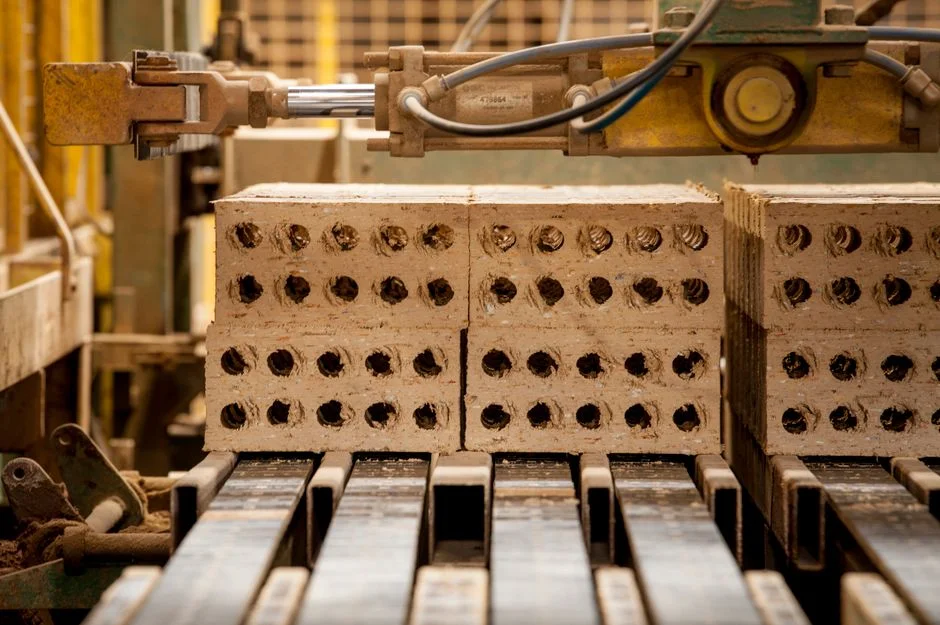
Use this checklist to drive a defensible equipment specification and to align the upstream biological-stage retrofit roadmap with the downstream solids-handling design.
- Match filtration area and batch cycle to peak wet-sludge flow from the biological stage. Confirm the worst-case 24-hour flow — including foaming, sludge-blending, and recycle streams — before fixing the press size.
- Specify plate material compatible with low-pH and SCN⁻/CN⁻ exposure. PP plates handle the standard coking duty; specify rubber-coated steel if thermal pre-conditioning at 60–80 °C is in the upstream train.
- Require PLC-controlled polymer and coagulant injection with flow-paced setpoints. Manual or jar-test-only dosing is the single most expensive legacy practice on a coking plant and is the easiest to fix with a modern automatic chemical dosing system.
- Confirm the cake-disposal destination and the DS% acceptance spec with the receiving facility before finalizing the design. A 5-point DS swing is a 15–20% swing in disposal tonnage, and changing the receiver's requirements after procurement is expensive.
- Plan for upstream sludge-minimization retrofits (SCN⁻-BNR, diatomite/pyrite carriers) within a 3–5 year horizon, and size thickening/conditioning equipment with a 20–40% lower WAS load in mind if the biological stage is on a realistic conversion roadmap.
- Specify the cake-handling and containment chain for hazardous classification. If the cake goes to a secure or hazardous landfill, the conveyor, storage, and truck-loading equipment must meet the same WFD / RCRA logic that defined the cake in the first place.
One final point. The 2026 biological-stage research is moving fast — the Water Research Jul 2026 SCN⁻-BNR paper, the Communications Engineering Jul 2026 diatomite/pyrite paper, and the earlier OHO segmentation work are all pointing at lower sludge yield and tighter nitrogen control. None of them makes the dewatering step optional. The right 2026 specification is one that picks the right dewatering equipment for the next 10 years and leaves room for the upstream train to evolve.
Frequently Asked Questions
What is coking wastewater sludge?
Coking wastewater sludge is the combined solids stream from a coke plant's wastewater treatment train, comprising DAF/primary sludge, waste activated sludge (WAS), and any chemical precipitation sludge. It carries residual thiocyanate (SCN⁻), cyanide (CN⁻), phenols, polycyclic aromatic hydrocarbons (PAHs), and trace heavy metals (Cr, Ni, Zn), and is classified as hazardous waste under the EU Waste Framework Directive 2008/98/EC HP criteria and the analogous US RCRA Subtitle C logic in most jurisdictions.
How is coking sludge treated?
The 2026 sequence is thickening (gravity belt thickener, dissolved-air flotation, or a high-efficiency lamella clarifier configured as a thickener), polymer conditioning (cationic polyacrylamide plus a coagulant where SRF is high), and dewatering on a plate-and-frame filter press or a decanter centrifuge, followed by hazardous disposal to secure landfill or thermal desorption.
What is the typical dry solids content after dewatering?
Plate-and-frame filter press: 25–35% DS. Decanter centrifuge: 20–28% DS. Belt filter press: 18–22% DS and generally inadequate for hazardous coking duty. The DS target should be set in agreement with the receiving disposal facility's acceptance criteria, because each 5-point DS increase cuts wet-tonne disposal volume by roughly 15–20%.
Is coking sludge hazardous?
Yes, in most jurisdictions. Residual cyanide, thiocyanate, PAHs at 100–2000 mg/kg in the cake, and elevated Cr, Ni, and Zn routinely push the material across the hazardous-properties thresholds of the EU Waste Framework Directive and the characteristic-waste logic of US RCRA Subtitle C. Co-disposal with municipal biosolids is not a defensible assumption; confirm with the receiving facility.
What new sludge-minimization strategies emerged in 2026?
Two 2026 research threads point toward lower WAS yield at the biological stage. The SCN⁻-driven biological nitrogen removal (SCN⁻-BNR) reactor documented in Water Research Jul 2026 was operated for 200 days (160 days synthetic, 40 days undiluted real coking wastewater) and demonstrated mixotrophic nitrogen removal with predictable nitrogen partitioning. The staged diatomite + pyrite strategy in Communications Engineering Jul 2026 achieved an 86% biomass increase and produced micro-granular sludge averaging 196 μm. Both reduce the solids load reaching the dewatering stage but do not eliminate the need for thickening, conditioning, and dewatering in an existing plant.