Why Sludge Dewatering is Critical for Greek Wastewater Projects in 2025
In Greece, sludge dewatering equipment reduces disposal costs by 60–80% and complies with EU Urban Waste Water Directive 91/271/EEC. Key options include screw presses (dry solids 20–30%), belt presses (18–25%), centrifuges (25–35%), and containerized systems for remote sites. Local suppliers like Tsampos LTD and Envichem offer DAF-integrated solutions, while international brands provide higher throughput (up to 50 m³/h) for industrial projects. This guide compares specs, costs, and supplier criteria for Greek projects in 2025.
The financial burden of sludge management in Greece has escalated significantly due to stricter environmental enforcement and the rising costs of logistics. Current data from the Hellenic Ministry of Environment indicates that raw sludge disposal at landfills costs between €80 and €150 per ton, whereas dewatered cake disposal costs drop to €20–40 per ton. For a medium-sized facility, this creates a compelling fiscal argument for onsite mechanical dewatering. EU Directive 91/271/EEC mandates specific moisture limits for sludge handling: strictly less than 30% moisture is required for land application and less than 10% for thermal incineration processes. Failing to meet these standards results in heavy fines and the rejection of sludge by disposal facilities.
Operational challenges in Greece are uniquely tied to the country’s geography and economic structure. Seasonal tourism spikes in the Aegean and Ionian islands create massive fluctuations in wastewater volume, often overwhelming static treatment systems. Similarly, the industrial sector—dominated by food processing and olive oil production—generates high-FOG (fats, oils, and grease) sludge that requires specialized pre-treatment, such as DAF systems for pre-treating high-FOG sludge in Greek food processing plants. A Thessaloniki food processing plant recently demonstrated the impact of modernization by switching to a screw press, reducing annual sludge disposal costs from €220,000 to just €45,000 (HydropureWater field data, 2025). This 79% reduction highlights the direct ROI available to Greek operators who move away from traditional liquid hauling.
Sludge Dewatering Equipment Types: Technical Specs and Greece-Specific Performance
The Greek market offers various dewatering technologies, each with its strengths.Selecting the correct dewatering technology requires balancing energy consumption, chemical usage, and the desired final dryness of the cake. In the Greek market, the choice often hinges on the scale of the facility and the specific characteristics of the influent. For instance, high-efficiency sedimentation tanks are frequently used to pre-thicken sludge before it enters the dewatering stage. Using a lamella clarifier for pre-thickening sludge in Greek wastewater plants can increase the efficiency of the subsequent dewatering equipment by up to 25%.
Screw Presses have become the preferred choice for small-to-medium municipal plants, particularly on islands and in tourist areas. They offer a dry solids (DS) content of 20–30% with exceptionally low energy consumption (0.2–0.5 kWh/m³). Their slow-speed operation minimizes noise and wear, making them ideal for locations near residential or hotel zones. Belt Presses, while requiring more floor space and higher polymer dosing, remain common in Greek industrial projects like textile and dairy plants due to their ability to handle high throughput (5–50 m³/h) at a lower initial CAPEX. However, they demand significant wash water and consistent operator attention.
Centrifuges are the standard for major urban centers like Athens and Thessaloniki. They achieve the highest dryness (25–35% DS) and can process massive volumes (10–100 m³/h). While they have the highest CAPEX and energy requirements, the reduction in sludge volume often justifies the investment for large-scale municipal works. For remote construction sites or emergency repairs, containerized systems and filter sack systems provide mobile, "plug-and-play" solutions that require minimal civil works.
| Equipment Type | Dry Solids (%) | Energy Use (kWh/m³) | Throughput (m³/h) | Ideal Application in Greece |
|---|---|---|---|---|
| Screw Press | 20–30% | 0.2–0.5 | 1–15 | Islands, Food Processing, Small WWTPs |
| Belt Press | 18–25% | 1.0–2.5 | 5–50 | Textile Mills, Large Industrial Hubs |
| Centrifuge | 25–35% | 2.0–4.5 | 10–100+ | Athens/Thessaloniki Municipal WWTPs |
| Plate Filter Press | 30–45% | 1.5–3.0 | 2–20 | Mining, Chemical, High-Dryness Needs |
For industrial applications requiring the highest possible cake dryness to minimize transport costs, a high-efficiency plate and frame filter press for Greek industrial sludge is often the only way to reach 40%+ dry solids, which is critical for projects where the disposal site is more than 100km away.
Cost Benchmarks for Sludge Dewatering Projects in Greece (2025)
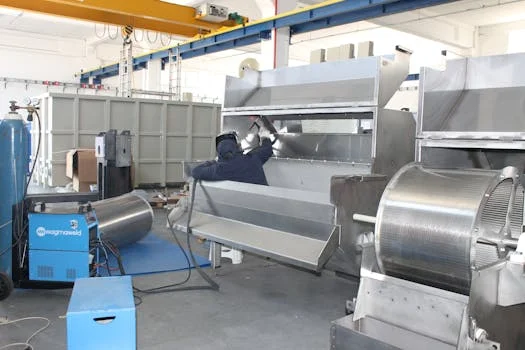
Budgeting for a dewatering project in Greece involves more than the equipment purchase price. CAPEX typically breaks down into equipment (60%), installation (20%), civil works (15%), and commissioning (5%). For a standard 20 m³/h belt press system in a municipal setting, total project costs often reach €150,000. Comparing costs with other regions, sludge dewatering costs in the UAE differ from those in Greece; while energy costs are lower in the Middle East, Greek projects often benefit from EU Cohesion Fund grants, which can cover up to 85% of the CAPEX for municipal upgrades.
OPEX is driven primarily by polymer consumption and labor. Polymer dosing for Greek sludge typically costs between €0.5 and €1.2 per cubic meter of treated sludge. Efficient conditioning is vital; using an polymer dosing system for optimized sludge conditioning in Greece can reduce chemical waste by 15–20%. Labor costs for skilled operators in Greece range from €25 to €40 per hour, favoring automated systems (like screw presses) over labor-intensive ones (like manual filter presses). ROI timelines vary: industrial projects usually see a return in 1.5–3 years due to high disposal savings, while municipal projects range from 5–7 years (per Hellenic Water Association 2024 data).
| Cost Category | Estimated Range (€) | Key Variables |
|---|---|---|
| Screw Press (5 m³/h) | €40,000 – €65,000 | MOC (Stainless Steel vs. Carbon) |
| Belt Press (20 m³/h) | €80,000 – €130,000 | Automation level, Belt width |
| Polymer Costs | €0.5 – €1.2 / m³ | Sludge type, Dosing accuracy |
| Sludge Transport | €0.8 – €1.5 / km | Fuel prices, Tolls, Distance |
| Disposal (Dewatered) | €20 – €40 / ton | Landfill vs. Composting site fees |
How to Select a Sludge Dewatering Supplier in Greece: Decision Framework
When selecting a supplier, a structured framework ensures long-term operational stability.Selecting a supplier in the Greek market requires a framework that prioritizes long-term operational stability over the lowest initial bid. Compliance is the first gate: all equipment must bear the CE mark and the supplier should hold ISO 14001 certification. Equipment must be designed to meet Greek Presidential Decree 59/2012, which outlines the technical standards for wastewater infrastructure. Suppliers must demonstrate experience with local conditions, such as the high salinity of sludge in coastal areas, which necessitates the use of high-grade corrosion-resistant materials like AISI 316 stainless steel.
Local support is the most cited failure point in Greek projects. A supplier must have a verified presence in major hubs—typically Athens, Thessaloniki, or Patras—to ensure spare parts availability. A 24/7 service response time of less than 4 hours is critical for municipal plants where sludge buildup can lead to total process failure. When evaluating a quote, ensure it includes a standard 12–24 month warranty and inquire about extended service contracts, which typically cost between €5,000 and €15,000 per year for a mid-sized system.
| Selection Criteria | Weighting (%) | What to Look For |
|---|---|---|
| Technical Compliance | 35% | CE Mark, EU Directive 91/271/EEC, Material Specs |
| Local Support/Service | 30% | Warehouse in Greece, <4hr response time |
| Total Cost of Ownership | 20% | Energy/Polymer consumption vs. CAPEX |
| Project References | 15% | Similar Greek installations (e.g., olive mills, islands) |
Case Study: Sludge Dewatering Upgrade at a Thessaloniki Olive Oil Mill
An olive oil processing facility near Thessaloniki faced a critical operational crisis in late 2023. The facility was producing high volumes of sludge with a moisture content exceeding 90%, leading to annual disposal costs of approximately €180,000. Regional environmental inspectors issued warnings because the sludge did not meet the <30% moisture limit required for legal land application in the Central Macedonia region.
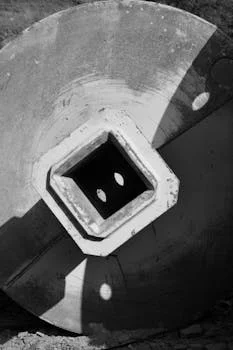
The solution implemented was a 10 m³/h multi-disk screw press integrated with an automated polymer dosing system for optimized sludge conditioning in Greece. The screw press was specifically chosen for its ability to handle the high oil content of the sludge without blinding the filter media. The total CAPEX for the project, including installation and a small pre-thickening tank, was €65,000.
The results were immediate. The facility achieved a consistent 25% dry solids content, which allowed for the sludge to be repurposed as a soil conditioner on local agricultural land rather than being sent to a specialized landfill. This reduced disposal costs by 78%, dropping to roughly €40,000 per year. The project achieved a full ROI in just 18 months. A key challenge was the seasonal nature of production; olive processing peaks between November and January. The system was designed with adjustable polymer dosing to handle the varying sludge density during the peak harvest season, supported by a local distributor providing a 3-hour emergency response time.
Frequently Asked Questions
Which dewatering equipment is best for Greek islands with high tourism seasonality?
The screw press is generally the best fit for islands. It handles variable loads efficiently, has low noise levels (crucial for tourist zones), and requires minimal daily maintenance compared to belt presses or centrifuges.
What are the current sludge disposal fees in Greece