DAF (Dissolved Air Flotation) oil water separators are the industry standard for removing fats, oils, and grease (FOG) from food processing wastewater, achieving 90–95% FOG removal and 92–97% TSS reduction (EPA 2024 benchmarks). For food processors, DAF systems are critical for compliance with discharge limits (e.g., EPA’s 100 mg/L FOG limit for industrial effluents) and avoiding fines up to $25,000/day for violations. This guide provides 2025 engineering specifications, cost breakdowns, and a decision framework to select the right DAF system for your plant’s flow rate, FOG load, and emulsification levels.
Why Food Processing Plants Need DAF Oil Water Separators
FOG concentrations in food processing wastewater typically range from 500 to 5,000 mg/L, with significant peaks occurring during daily sanitation and cleaning cycles (HydropureWater field data, 2025). High levels of untreated grease pose severe operational risks, including the clogging of municipal sewer lines and the induction of anoxia in biological treatment tanks. When FOG coats aerobic bacteria, it prevents oxygen transfer, effectively "suffocating" the secondary treatment process and leading to system failure.
The regulatory landscape for food processors is increasingly stringent. Under the EPA 2024 Clean Water Act penalties, violations of discharge permits can result in fines reaching $25,000 per day. Most municipal jurisdictions enforce a 100 mg/L FOG limit for industrial effluents, while more sensitive regions, such as parts of California or the European Union under Directive 91/271/EEC, may mandate limits as low as 40–50 mg/L. Beyond fines, excessive FOG discharge often triggers high-strength surcharges from local utilities, which can cost medium-sized plants hundreds of thousands of dollars annually.
A real-world application of this technology is seen in Thailand’s 2025 food processing wastewater standards and case studies, where a poultry processing plant successfully reduced FOG discharge from 3,200 mg/L to 80 mg/L using a DAF system. This implementation allowed the facility to avoid $1.2M in annual fines and surcharges while ensuring continuous operation during peak production seasons. For facility managers, the DAF system serves as the primary defense against both environmental non-compliance and the degradation of downstream biological assets.
How DAF Oil Water Separators Work: Mechanism and Key Components
Dissolved Air Flotation operates on the principle of altering the buoyancy of suspended solids and oil droplets by attaching them to microscopic air bubbles. While gravity separators rely on the natural density difference between oil and water, DAF systems accelerate this process, making them significantly more efficient for the emulsified oils and fine suspended solids common in food processing.
The process begins with chemical pretreatment. Wastewater enters a flocculation tank where PLC-controlled chemical dosing for DAF pretreatment introduces coagulants like Polyaluminum Chloride (PAC) and anionic polymers. These chemicals neutralize charges and bind small oil droplets into larger "flocs." The wastewater then moves into the DAF flotation cell, where it meets a stream of "white water"—recycled effluent saturated with air at high pressure (4–6 bar).
When this pressurized water enters the atmospheric-pressure flotation cell, the air comes out of solution as micro-bubbles, typically 30–50 μm in diameter. These bubbles attach to the flocs, lifting them to the surface to form a concentrated sludge blanket (the "float"). A mechanical skimmer then removes this float into a sludge hopper for disposal or recovery. The clarified water is drawn from the bottom of the cell for discharge or further treatment.
| Component | Technical Function | Critical Specification |
|---|---|---|
| Flocculation Tank | Chemical mixing and floc growth | 5–10 min retention time |
| Saturation Vessel | Dissolves air into recycle water | Operating pressure 4.0–6.5 bar |
| Air Dissolution Pump | Generates pressurized recycle stream | 15–30% recycle rate |
| Micro-bubble Nozzles | Creates 30–50 μm bubbles | Non-clogging design for high TSS |
| Mechanical Skimmer | Removes surface FOG/solids | Variable speed VFD control |
DAF System Specifications for Food Processing: 2025 Engineering Data
Engineering a DAF system for food processing requires precise alignment with influent characteristics, which vary significantly between meat, dairy, and snack food sectors. The DAF systems for food processing wastewater are designed to handle flow rates ranging from 4 m³/h for small batch processors to over 300 m³/h for large-scale industrial facilities.
A critical metric for DAF performance is the air-to-solids (A/S) ratio. For food processing wastewater with high FOG loads, an A/S ratio of 0.02 to 0.06 is required to ensure sufficient bubble-to-particle attachment. If the A/S ratio is too low, the heavy grease flocs will sink rather than float, leading to poor effluent quality. Retention times in the flotation cell must be carefully calculated, typically ranging from 20 to 60 minutes depending on the emulsification level of the oils. High-emulsification environments, such as dairy processing, require longer retention times and more aggressive chemical dosing to achieve 2025 DAF system specifications and selection criteria.
| Parameter | Typical Influent (Food) | Target Effluent (DAF) | Removal Efficiency |
|---|---|---|---|
| FOG (mg/L) | 500 – 5,000 | < 100 | 90 – 98% |
| TSS (mg/L) | 200 – 2,000 | < 50 | 92 – 97% |
| BOD5 (mg/L) | 1,000 – 3,500 | 400 – 1,200 | 40 – 60% (insoluble portion) |
| pH Range | 4.5 – 11.0 | 6.5 – 8.5 | Adjusted via dosing |
| Energy Use | N/A | 0.2 – 0.5 kWh/m³ | N/A |
Types of DAF Systems for Food Processing: Pros, Cons, and Use Cases
Choosing the correct DAF architecture is dependent on the specific FOG profile and space constraints of the food processing plant. Conventional DAF systems utilize a rectangular open-tank design, providing high surface area for separation. These are ideal for low-to-medium FOG loads (500–2,000 mg/L) and offer the easiest access for maintenance, though they require a larger footprint. Capital costs for these units typically range from $50,000 to $200,000.
High-rate DAF systems incorporate internal plate settlers (lamella) to increase the effective separation area within a smaller footprint. These systems are optimized for high FOG loads (2,000–5,000 mg/L) common in meat and poultry processing. While they offer faster retention times (10–20 minutes), they require more precise chemical control and have slightly higher energy consumption (0.4–0.6 kWh/m³). For facilities handling both free-floating and emulsified oils, combined DAF and oil water separators offer a multi-stage approach, though capital costs can exceed $500,000.
| System Type | Best Use Case | Advantages | Disadvantages |
|---|---|---|---|
| Conventional DAF | General food processing | Easy maintenance, lower CapEx | Large footprint |
| High-Rate (Lamella) | Meat & Poultry | Small footprint, high efficiency | Risk of plate fouling |
| Combined DAF/OWS | Refining & Rendering | Handles emulsified + free oil | High complexity and cost |
| Mobile/Skid DAF | Seasonal production | Rapid deployment, flexible | Limited flow capacity |
Cost Breakdown: DAF Oil Water Separator for Food Processing (2025 Data)
The total cost of ownership for a DAF system includes capital expenditure (CapEx) and ongoing operational expenditure (OpEx). For a standard DAF system with a capacity of 10–100 m³/h, CapEx typically ranges from $80,000 to $300,000. This includes the flotation cell, saturation system, and basic controls. Installation and integration into existing plumbing can add 20–30% to the initial purchase price.
Operational costs are driven by energy, chemicals, and sludge management. On average, treating food processing wastewater costs $0.10 to $0.30 per cubic meter. Chemical costs for PAC and polymers account for the largest share of OpEx, typically $0.02–$0.05/m³. the sludge generated (0.5–2% of influent volume) must be managed. Utilizing sludge dewatering solutions for DAF systems can significantly reduce disposal costs by lowering the water content of the float from 98% to roughly 75%.
| Cost Category | Estimated Expense (2025) | Notes |
|---|---|---|
| Capital Cost (CapEx) | $80,000 – $300,000 | Based on 10–100 m³/h flow |
| Chemical OpEx | $0.02 – $0.05 per m³ | PAC and Anionic Polymers |
| Energy OpEx | $0.01 – $0.03 per m³ | 0.2–0.5 kWh/m³ @ $0.12/kWh |
| Maintenance | $5,000 – $20,000 / year | Parts, seals, and labor |
| Sludge Disposal | $50 – $150 per ton | Varies by regional landfill fees |
ROI Calculation: For a facility processing 50 m³/h of wastewater, a $200,000 DAF system with $50,000/year in OpEx can save $150,000/year in avoided municipal surcharges and fines. This results in a payback period of approximately 2.3 years (HydropureWater case data).
Selecting the Right DAF System: A Step-by-Step Decision Framework
Successful DAF implementation starts with a structured selection process to ensure the equipment matches the unique hydraulic and organic loading of the plant. A 7-day sampling period is recommended to capture the variability in wastewater strength during production, cleaning, and weekend shifts.
- Characterize Influent: Measure FOG, TSS, pH, and temperature. Identify the level of emulsification—if oil does not separate after 30 minutes of sitting, it is likely emulsified and requires chemical cracking.
- Define Discharge Targets: Identify local sewer authority limits or environmental permit requirements (e.g., 100 mg/L FOG).
- Calculate Design Flow: Determine peak hourly flow and average daily flow. DAF systems should be sized for peak flow to prevent bypass during cleaning cycles.
- Evaluate Technology: Choose between conventional or high-rate DAF based on available space and FOG concentration.
- Pilot Testing: Request a bench-scale jar test or a small pilot unit from the vendor. This is the only way to guarantee chemical dosing rates and removal efficiency for specific food products.
- Scoring Proposals: Use a weighted matrix: 40% CapEx, 30% OpEx (chemicals/energy), 20% Removal Efficiency, 10% Warranty/Support.
- Implementation Planning: Allow for a 30-day startup and optimization period to fine-tune chemical dosing and skimmer speeds.
| Selection Criteria | Low FOG (<1,000 mg/L) | High FOG (>2,500 mg/L) |
|---|---|---|
| Recommended DAF Type | Conventional | High-Rate / Lamella |
| Recycle Rate | 10–15% | 20–30% |
| Chemical Strategy | Single Polymer | Coagulant + Flocculant |
| Sludge Handling | Direct disposal | Dewatering required |
Compliance and Permitting: Meeting Food Processing Wastewater Standards
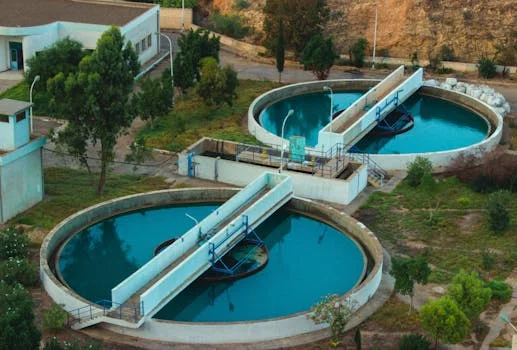
Compliance with the Clean Water Act (USA) or the Urban Waste Water Directive (EU) requires consistent monitoring and reporting. The EPA’s 40 CFR Part 403 sets the framework for Pretreatment Standards, which most food processors must follow when discharging to a Publicly Owned Treatment Works (POTW). Failure to meet these standards can result in "Significant Non-Compliance" (SNC) status, leading to public notice and heavy financial penalties.
The permitting process typically takes 6 to 12 months and involves submitting detailed engineering plans, wastewater characterization reports, and sometimes pilot study data. Once a permit is issued, continuous monitoring of flow and periodic sampling of FOG and TSS are mandatory. A common pitfall for food processors is underestimating the impact of "slug loads"—sudden discharges of high-concentration waste, such as a fryer vat dump. A properly sized DAF system, combined with an equalization tank, is the most effective way to manage these risks and maintain compliance.
Troubleshooting Common DAF Issues in Food Processing
Operational efficiency can degrade over time due to changes in production or mechanical wear. Identifying and resolving these issues quickly is essential to avoid permit violations.
- Poor FOG Removal (Effluent >100 mg/L): Often caused by an insufficient air-to-solids ratio or improper pH. Check that air pressure is between 4–6 bar and ensure chemical dosing pumps are calibrated. If the oil is emulsified, you may need to increase coagulant dosage or lower the pH to "break" the emulsion.
- Clogged Skimmers or Pumps: Common in meat processing where large solids or feathers are present. Ensure that GX series rotary screens for DAF pre-treatment are functioning correctly to remove large debris before it reaches the DAF unit.
- Excessive Sludge Production: Usually a result of over-dosing chemicals. Conduct regular jar tests to optimize PAC/polymer usage. If sludge volume remains high, consider a plate and frame filter press to reduce disposal weight.
- High Energy Consumption: Often due to oversized pumps or inefficient air dissolution. Upgrading to Variable Frequency Drives (VFDs) can allow the system to scale energy use with actual flow rates.
Frequently Asked Questions
What are the two types of oily water separators?
The two primary types are (1) Gravity separators, such as API or coalescing plate separators, which are best for free-floating oil, and (2) DAF systems, which use micro-bubbles to remove emulsified and suspended oils. DAF is preferred for food processing due to its 90–95% FOG removal efficiency compared to 60–80% for gravity units.
How often should a DAF be drained and cleaned?
According to HydropureWater maintenance guidelines, the flotation cell should be drained and cleaned every 3–6 months. However, the skimmers and air dissolution system should be inspected weekly to ensure no grease buildup is affecting bubble generation or sludge removal.
Can DAF remove emulsified oil?
DAF alone cannot remove chemically emulsified oil. Emulsions require a chemical pretreatment step (coagulation and flocculation) to break the oil-water bond before the air bubbles can lift the oil particles to the surface.
What is the typical payback period for a DAF system?
For most food processing plants, the payback period is 1.5 to 3 years. This is achieved through the elimination of municipal fines, reduction in high-strength surcharges, and the potential for grease recovery and sale to rendering companies.
What are the key maintenance tasks for a DAF system?
Weekly tasks include checking air saturation pressure (4–6 bar) and inspecting chemical levels. Monthly tasks involve calibrating dosing pumps and checking skimmer blade wear. Quarterly, the air dissolution pump and saturation vessel should be serviced to prevent mineral or grease scaling.