What pretreatment compliance actually means for Mossy Bottom mines in 2026
EPA's 40 CFR Part 403 General Pretreatment Regulations make the local POTW the legal enforcer of industrial discharge limits, and 40 CFR Part 440 Ore Mining and Dressing Point Source Category sets the categorical BAT/BCT effluent limits for active and inactive metal mining (per EPA 40 CFR 403 and 40 CFR 440). In plain terms, a mine near Mossy Bottom is required to treat its process water, contact water, and select contact-stormwater before it ever reaches the publicly owned treatment works (POTW) sewer — the rule is the same whether the receiving facility is a small municipal WWTP or a regional industrial pretreatment host.
"Pretreatment" in this context is any treatment the industrial user performs to (a) protect the POTW from pass-through of pollutants, (b) protect POTW workers from toxic gases or exposure, (c) prevent upset of biological treatment, and (d) protect the quality of POTW biosolids so they remain land-acceptable under 40 CFR Part 503. Pretreatment is not optional. It is the binding contract between a permitted industrial user and the control authority.
An inspector sampling a mine in 2026 will typically run the following analytical suite: pH (instantaneous, field), TSS and TDS, O&G (HEM, 1664), total and dissolved metals by ICP-MS (As, Cd, total Cr, Cr(VI), Cu, Hg, Ni, Pb, Zn, Ag), total cyanide, sulfide, and ammonia. A single exceedance of any of those parameters — even on a single grab — can trigger a SNUR, a show-cause notice, or a 308(a) citation under Section 308 of the Clean Water Act.
Typical 2026 sewer discharge limits for mining and metals plants
Universal POTW limits require pH 6.0–9.0 for any industrial discharger, with most control authorities setting a daily maximum range closer to 6.5–8.5 to protect biological treatment (per EPA 40 CFR 403). Mining and metals facilities face additional categorical ceilings under 40 CFR Part 440, but the local POTW is free to impose stricter numerical limits when the receiving stream, biosolids pathway, or treatment-train capacity warrants it. In 2026, tighter local limits on Cu, Zn, and Ni are the most common reason a mine has to add a polishing step to a flow that was already compliant under EPA categorical ceilings.
The table below reflects the band of discharge targets a Mossy Bottom-area mine should design to in 2026. Always confirm the specific values against the current POTW discharge permit — local limits can run 30–50% below EPA categorical floors.
| Parameter | Typical 2026 POTW / Categorical Limit | Notes for Design |
|---|---|---|
| pH | 6.0 – 9.0 (instantaneous) | Universal; tighter 6.5–8.5 is common |
| TSS | ≤ 30 mg/L (daily max) | Many POTWs now push ≤ 20 mg/L |
| O&G | ≤ 10–15 mg/L | Skim + DAF typically required |
| Copper, total | ≤ 1.0 – 3.0 mg/L | Sub-mg/L required for reuse |
| Lead, total | ≤ 0.5 – 1.0 mg/L | Driven by biosolids Part 503 ceiling |
| Zinc, total | ≤ 1.0 – 3.0 mg/L | Commonly first parameter to trip alarm |
| Nickel, total | ≤ 1.0 – 2.0 mg/L | Tight local limits common in 2026 |
| Cadmium, total | ≤ 0.1 – 0.5 mg/L | Strict; high precipitation pH required |
| Total chromium | ≤ 1.0 – 2.0 mg/L | Cr(VI) often separately limited |
| Silver, total | ≤ 0.5 mg/L | Watch in precious-metal operations |
| Total cyanide | 0.1 – 1.0 mg/L (varies) | Often drives a destruction step |
| Total sulfide | ≤ 1.0 mg/L | ORP-controlled destruction |
| Ammonia | 10 – 30 mg/L | Can trigger biological polishing |
Local POTW limits are routinely tighter than EPA categorical limits because the POTW must protect biosolids quality under 40 CFR Part 503 and the receiving stream under the control authority's NPDES permit — a fact that frequently surprises designers who size only to 40 CFR 440. Cyanide, sulfide, and ammonia are the three parameters that most often force a separate destruction or stripping step because no amount of hydroxide precipitation will remove them.
Step-by-step process train used to meet those limits
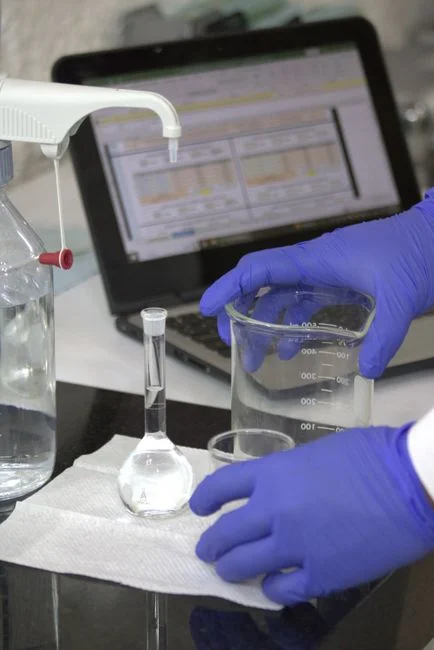
Flow equalization is the first engineering decision. Surge tanks, equalization basins, and rotary bar screens dampen hydraulic and load swings so downstream chemistry stays inside its control band — a 2× flow excursion through a precipitation reactor is the most common cause of a metals breakthrough to the sewer. Equalization typically buys 8–24 hours of residence and a < 1.5:1 turn-down ratio for the downstream chemical dosing system.
Step 2 is pH adjustment with lime (Ca(OH)2) or NaOH up to 8.5–9.5. pH 9.0–9.5 is the sweet spot for minimum solubility of Cu, Zn, Ni, Pb, and Cd hydroxides (per standard solubility-product data). PLC-controlled pH and coagulant dosing with a redundant pH loop is now standard; pneumatic or peristaltic pumps modulate on a PID signal from in-line probes.
Step 3 is coagulation, flocculation, and metals precipitation. Ferric chloride (30–80 mg/L) or alum is dosed as a coagulant, anionic flocculant (0.5–2.0 mg/L) is added in a flocculation zone with G around 50–75 s-1, and metal hydroxides co-precipitate with the floe. The reaction is fast (2–5 minutes) but the floc needs 15–30 minutes of gentle mixing to grow large enough for solid–liquid separation.
Step 4 is solid–liquid separation by DAF system for metals-bearing wastewater or a lamella clarifier for metals precipitation. A well-designed DAF targeting 25–40% recycle ratio will deliver < 30 mg/L TSS and < 10 NTU turbidity from a properly precipitated feed. Step 5 is a multi-media filter as RO pretreatment — anthracite over sand over garnet over gravel — polishing to < 2 NTU and protecting any downstream membrane. Step 6 is optional RO polishing for tight metals limits; recovery is typically 70–80% with brine going to evaporation ponds or crystallization. Step 7 is sludge dewatering with a plate-and-frame filter press for metal hydroxide sludge targeting 25–35% dry solids for landfill disposal.
| Stage | Typical Influent | Target Effluent | Key Control |
|---|---|---|---|
| Equalization | Variable pH 2–11, TSS 200–5,000 mg/L | Stable ± 1 pH unit swing | Residence time, mixing |
| pH adjust | pH 2–11 | pH 8.5–9.5 | PID on lime/NaOH dose |
| Coag/precip | Dissolved Cu, Zn, Ni, Pb, Cd at 5–100 mg/L each | Dissolved metals < 1 mg/L each | pH, FeCl3 dose, mixing G |
| DAF / Lamella | Precipitated floe + TSS 200–1,000 mg/L | TSS < 30 mg/L, turbidity < 30 NTU | Recycle ratio, scraper speed |
| Multimedia filter | TSS 20–30 mg/L, NTU 5–20 | TSS < 5 mg/L, NTU < 2 | Backwash cadence, ΔP |
| RO polish (optional) | Dissolved metals 0.5–2 mg/L | Dissolved metals < 0.05 mg/L | Recovery, CIP, membrane integrity |
| Sludge dewatering | 1–3% DS metal hydroxide | 25–35% DS cake | Polymer dose, press cycle |
Choosing the right pretreatment train for a Mossy Bottom site
The right train is the one sized to the feed matrix and the discharge targets, not the largest unit the budget can absorb. Three configurations cover the practical 2026 design space for a base- or precious-metal operation near Mossy Bottom.
Option A — Basic: pH adjust + hydroxide precipitation + lamella clarifier. Lowest CAPEX (US$150,000–400,000 for a 50 m3/h skid, HydropureWater field data, 2026), smallest footprint, lowest operator skill, and is appropriate only when local POTW limits are at the generous end of the bands above and dissolved metals in the feed are already < 20 mg/L each. Watch-out: no polishing means any pH excursion translates directly to a sewer excursion.
Option B — Intermediate: pH adjust + precipitation + DAF + multimedia filter. This is the 2026 default for most base-metal concentrators, with CAPEX in the US$400,000–1,200,000 range for a 50 m3/h system and OPEX dominated by lime, ferric chloride, polymer, and power (HydropureWater field data, 2026). Robust to feed swings, capable of meeting all the typical POTW limits above, and operable by a 2-person wastewater crew per shift. Reference design: DAF sizing for copper concentrator water.
Option C — Advanced: intermediate train plus RO polish (and optional ion-exchange for Hg or Ag). Justified when local limits are < 0.5 mg/L on Cu/Zn/Ni, when partial reuse is targeted (mill process water, gland seal, or dust suppression), or when the receiving stream is impaired. RO recovery is 70–80%, energy use is 0.8–1.5 kWh/m3 feed, and brine management is the dominant OPEX line. See the RO sizing for copper concentrator water guide for the membrane train layout.
| Driver | Basic (pH + lamella) | Intermediate (pH + DAF + MMF) | Advanced (+ RO / IX) |
|---|---|---|---|
| Feed dissolved metals (each) | < 20 mg/L | 20–100 mg/L | Any, with polish |
| Target Cu/Zn/Ni | 1–3 mg/L | 0.5–1.5 mg/L | < 0.1 mg/L |
| TSS target | ≤ 60 mg/L | ≤ 30 mg/L | ≤ 5 mg/L |
| Reuse potential | None | Limited | Yes, 70–80% recovery |
| CAPEX band (50 m3/h) | $150K–$400K | $400K–$1.2M | $1.2M–$3.0M |
| Operator skill | Basic | Intermediate | Advanced (membrane) |
| Footprint (m2) | 40–80 | 100–200 | 250–450 |
Decision drivers to weigh: sulfide-rich or cyanide-bearing feeds (consider alkaline chlorination or biological destruction, see biological polishing for cyanide or ammonia), acidic drainage (lime is cheaper per kg OH; NaOH is cleaner), water scarcity (pushes toward Option C), and sludge disposal cost (high tipping fees justify a higher-DS dewatering target and reduce cake volume 60–70%). For unusual feed matrices, electrocoagulation as an alternative to chemical precipitation is a credible option worth evaluating in a feasibility study.
Operating reliably: monitoring, O&M, and 2026 enforcement trends
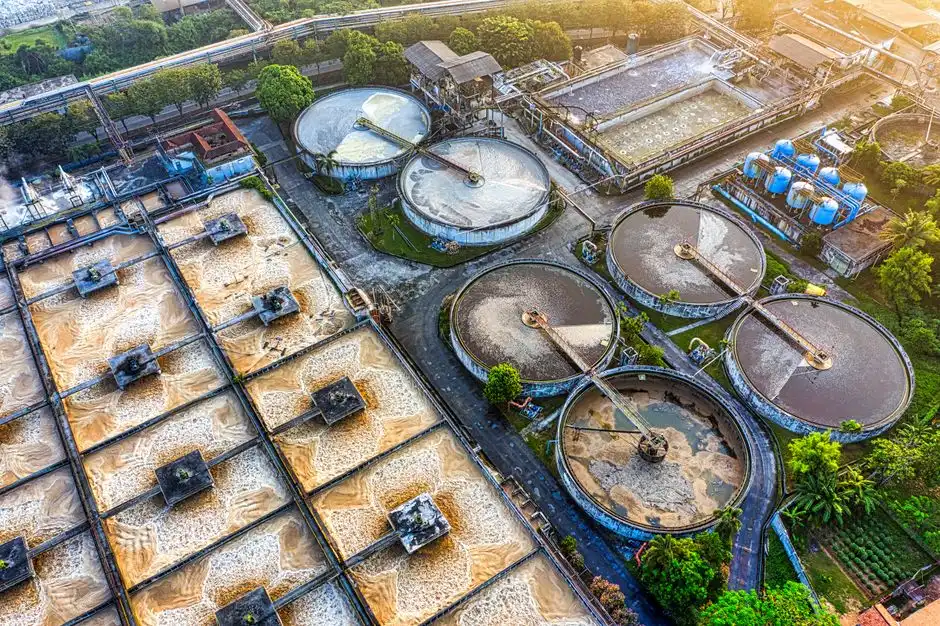
Reliable compliance is built on three monitoring pillars: online instrumentation on the chemical train, a 24-hour composite sampler on the discharge, and grab confirmation for any parameter that fails an online check. Online pH, ORP, conductivity, and turbidity on the SCADA — with ORP > 350 mV indicating complete cyanide oxidation and ORP < -100 mV indicating sulfide reducing conditions — is the minimum instrumentation package. PLC interlocks should trip chemical feed on a high-pH or low-ORP excursion before the discharge composite ever starts collecting.
Routine sampling cadence is set by the discharge permit, but 24-hour flow-proportioned composites are the default. POTW enforcement officers interpret a single excursion against the daily maximum and the monthly average, so a chronic low-level breach can be as serious as one large spill. Chain-of-custody must be airtight; in 2026, electronic signatures and LIMS-integrated sampling are becoming the audit norm.
The most common 2026 compliance failures at mining sites are: (1) pH excursions from unequalized batch discharges, (2) slug discharges from process upsets or tank washouts, and (3) unmonitored stormwater commingling with process sewer. Each is preventable with engineering control — equalization volume, interlock logic, and segregated stormwater systems — but the gap is in the SOPs and the operator training budget, not the hardware.
2026 enforcement direction across U.S. POTWs is converging on three trends: tighter metals limits (especially Cu, Zn, Ni) as biosolids quality rules tighten under Part 503, more frequent POTW self-sampling with electronic reporting, and increasing emphasis on pretreatment that enables water reuse rather than just discharge. Mines that design for reuse in 2026 are already ahead of the next permit cycle.
Frequently Asked Questions
What are the typical sewer discharge limits for a mining plant in the US?
Universal POTW limits in 2026 require pH 6.0–9.0, TSS ≤ 30 mg/L, and O&G ≤ 10–15 mg/L. Metals limits vary by control authority but typically land at Cu ≤ 1–3 mg/L, Pb ≤ 0.5–1 mg/L, Zn ≤ 1–3 mg/L, Ni ≤ 1–2 mg/L, Cd ≤ 0.1–0.5 mg/L, total Cr ≤ 1–2 mg/L, and Ag ≤ 0.5 mg/L. Always confirm against the site-specific permit — local POTW limits are often 30–50% stricter than EPA categorical ceilings under 40 CFR Part 440.
Do all mining sites need DAF or can a clarifier do the job?
A lamella clarifier is sufficient when influent TSS is moderate and metals are already largely in precipitated form, but DAF delivers lower residual TSS (< 30 mg/L vs 50–80 mg/L), handles oil and grease carry-through, and is much more forgiving of pH or dose excursions. For feeds with high oil, fluctuating solids, or where RO is downstream, DAF is the safer choice and is the 2026 default for most base-metal concentrators.
How are heavy metals removed before sewer discharge?
By hydroxide precipitation at pH 8.5–9.5 with lime or NaOH, coagulation with ferric chloride or alum, flocculation with anionic polymer, and solid–liquid separation in a DAF or lamella clarifier. A multimedia filter polishes residual fines and protects any downstream RO. The chemistry is governed by the minimum solubility of each metal hydroxide — Cu, Zn, Ni, Cd, and Pb all reach minimum solubility between pH 9 and 10, which is why the train operates in that band.
When is reverse osmosis needed for mining wastewater?
RO is justified when local POTW limits drop below 0.5 mg/L on a key metal (typically Cu, Zn, or Ni), when partial reuse is targeted at 70–80% recovery, or when the receiving stream is impaired. RO is not a substitute for precipitation — it is a polish step, and the feed must already be at < 2 NTU turbidity and < 5 mg/L TSS, which is why RO is always paired with a DAF and multimedia filter upstream.
How is the resulting metal hydroxide sludge disposed?
Sludge is thickened in a gravity or DAF thickener, conditioned with polymer, and dewatered on a plate-and-frame filter press or decanter centrifuge to 25–35% dry solids. The cake is typically disposed in a Subtitle D landfill; if it fails TCLP for any metal, it is stabilized (cement or pozzolanic encapsulation) before disposal. Cake volume reduction versus a 1–2% slurry feed is typically 80–90%, which is why dewatering economics drive the OPEX of the whole train.