

Why Slaughterhouse Wastewater Needs DAF Before Biological Treatment
Raw slaughterhouse effluent typically carries 800–4,000 mg/L TSS, 200–1,500 mg/L FOG, 1,500–6,000 mg/L COD, and 800–3,000 mg/L BOD, with significant loads of blood proteins and paunch manure (per the 2024 critical review on slaughterhouse wastewater treatment by Mazetto et al., ScienceDirect, 2024-02). These characteristics make the stream incompatible with direct biological treatment. FOG coats biomass and disrupts floc structure in activated-sludge systems, while floating grease and scum create hydraulic channeling inside UASB reactors and short-circuit MBR membrane scouring zones. The design KPI for any DAF pretreatment stage is to cut TSS and FOG sufficiently to keep the downstream UASB, SBR, or MBR inside its rated organic and hydraulic loading envelope.
Dissolved air flotation (DAF) is a physical-chemical separation in which pressurized air is dissolved into a recycle side-stream and then released through needle valves or nozzles, generating 10–100 µm micro-bubbles that attach to coagulated/flocculated suspended solids and emulsified fats, lifting them to the surface as a skimmable float. For a process engineer, DAF is the standard step to convert a high-strength, particulate-laden stream into a clarified effluent that the biological stage can metabolize without shock or failure.
The DAF Process Flow in a Slaughterhouse Plant
Six unit operations form a complete slaughterhouse DAF train, arranged in a specific sequence to protect each subsequent stage.
Step 1 — Screening. A rotary bar screen ahead of the DAF with 2–6 mm aperture removes hair, feathers, paunch fiber, and large solids. This protects the DAF feed pump and saturator from ragging and prevents coarse debris from sinking into the float-solids layer.
Step 2 — Equalization. A flow- and load-equalization basin balances the hydraulic and organic shocks inherent to batch slaughter operations. Typical HRT is 4–8 hours; this also lets the stream temperature stabilize in the 20–35 °C operating window where saturator efficiency is highest.
Step 3 — Coagulation and flocculation. A rapid-mix chamber (1–3 min) doses coagulant — typically ferric chloride at 50–300 mg/L as Fe, PAC at 50–300 mg/L as Al, or a bioflocculant such as the BF-2 candidate at 2% (v/v) bioflocculant-to-PSW reported in the Bio-DAF studies (S1, S2). A downstream slow-mix chamber (10–20 min) builds floc with cationic PAM at 1–5 mg/L. Dosing should be handled by a PLC-controlled coagulant and flocculant dosing skid tied to a flow-paced signal.
Step 4 — Saturator. A pressure vessel (typically 30–60 s retention) dissolves air into a mixture of fresh influent and recycled clarified DAF effluent at 4–6 bar(g). Without recycle, the saturator starves on warm effluent; see the Céu Azul trap below.
Step 5 — Contact and flotation zone. Pressure release through the needle valves generates 10–100 µm micro-bubbles that nucleate on flocs. Contact-zone HRT is 1–3 minutes; separation-zone HRT is 15–30 minutes. The full mechanism is detailed in this micro-bubble flotation engineering guide.
Step 6 — Skimming. A surface scraper drives the float into a sludge hopper; clarified subnatant overflows forward to pH adjustment (typically NaOH or lime) and the biological stage. A HydropureWater dissolved air flotation system packages steps 4–6 in a single skidded cell, with the saturator integrated for compact installation.
DAF Operating Parameters: What to Specify
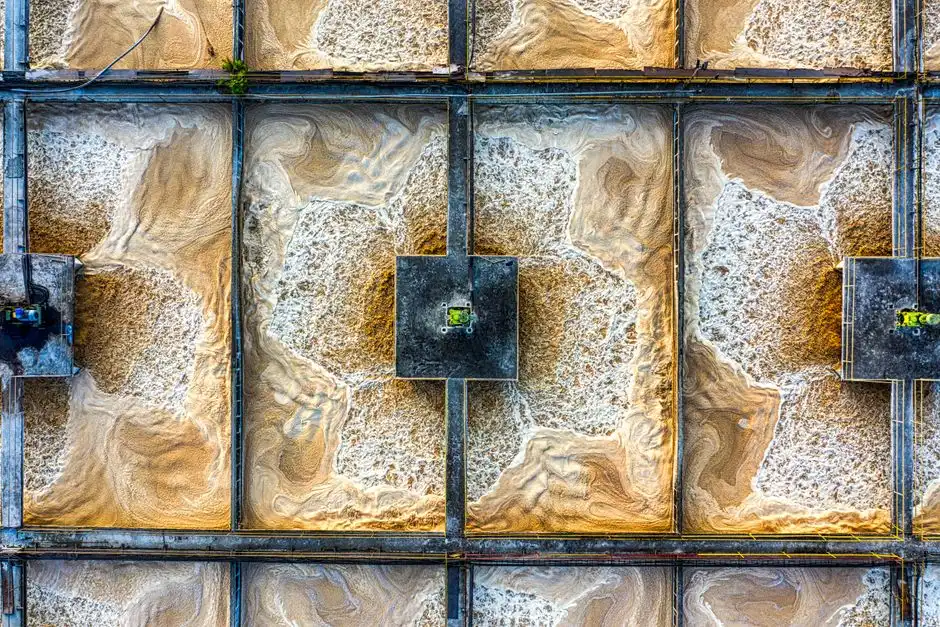
Consolidated parameter tables in the datasheet are essential for avoiding RFQ failures on slaughterhouse DAF projects. The table below is the minimum set a design engineer should fix before issuing a purchase order.
| Parameter | Typical range (slaughterhouse duty) | Notes |
|---|---|---|
| Saturator pressure | 4–6 bar(g) | Alarm on low pressure; gauge logged every shift |
| Saturator HRT | 30–60 s | Based on recycle + influent flow |
| Recycle ratio | 10–30% of throughput | Higher on warm effluent or low-TSS streams |
| Air-to-solids ratio (A/S) | 0.005–0.060 kg air / kg TSS | Design around 0.02–0.04 for slaughterhouse duty |
| Surface loading rate ( flotation cell) | 5–15 m/h (up to 25 m/h with lamella plates) | Higher rates need lamella packs |
| Coagulant dose (PAC / FeCl₃) | 50–300 mg/L as Al or Fe | Titrate to zeta-potential or streaming current |
| Bioflocculant dose (Bio-DAF BF-2) | 2% (v/v) bioflocculant:PSW (S1, S2) | Bench-test against PAC/PAM before specifying |
| Cationic PAM dose | 1–5 mg/L | Overdose produces a glossy, hard-to-dewater float |
| Contact zone HRT | 1–3 min | — |
| Separation zone HRT | 15–30 min | — |
| Float solids content | 3–8% DS | Drives downstream sludge dewatering selection |
| Influent temperature window | 20–35 °C | Above ~40 °C saturator efficiency collapses |
For a working selection framework on the DAF cell itself, see the DAF oil water separator selection guide for food processing.
What DAF Removes — and What It Leaves for the Biological Stage
DAF is a particulate- and emulsified-phase removal step, not a dissolved-load removal step. Soluble COD, ammonia, and TKN pass through the DAF cell largely unchanged and remain the responsibility of the downstream UASB, SBR, or MBR. Designing the biological stage against raw influent concentrations is a common sizing error; the table below defines the hand-off.
| Parameter | Raw influent (typical) | DAF effluent (typical) | Biological-stage target |
|---|---|---|---|
| TSS (mg/L) | 800–4,000 | 40–800 (80–95% removal) | < 100 for MBR; < 200 for SBR; < 500 for UASB |
| FOG (mg/L) | 200–1,500 | 20–600 (60–90% removal) | < 50 for MBR; < 100 for SBR; < 150 for UASB |
| COD total (mg/L) | 1,500–6,000 | 700–3,000 (50–70% particulate COD removal) | UASB outlet < 500; SBR < 150; MBR < 100 |
| BOD₅ (mg/L) | 800–3,000 | 500–1,800 | Discharge < 30 (most jurisdictions) |
| Total nitrogen (mg/L) | 100–300 | 90–280 (minimal removal) | Discharge < 10–40 (per local regulation) |
| Total phosphorus (mg/L) | 10–50 | 5–40 (modest coagulant-aided removal) | Discharge < 1–5 (per local regulation) |
Two operational consequences follow. First, the biological stage must be sized against DAF-effluent loadings, not raw loadings — typically a 40–60% reduction in volumetric organic load. Second, FOG must drop below 100–150 mg/L entering the biological stage to prevent biomass coating (SBR/MBR) or channeling and sludge washout (UASB). DAF positioned to protect the biological stage will not, on its own, meet final discharge limits; downstream biological treatment is mandatory to bring BOD, COD, and ammonia into compliance.
Field Operating Traps: Lessons from Real Slaughterhouse DAF Plants
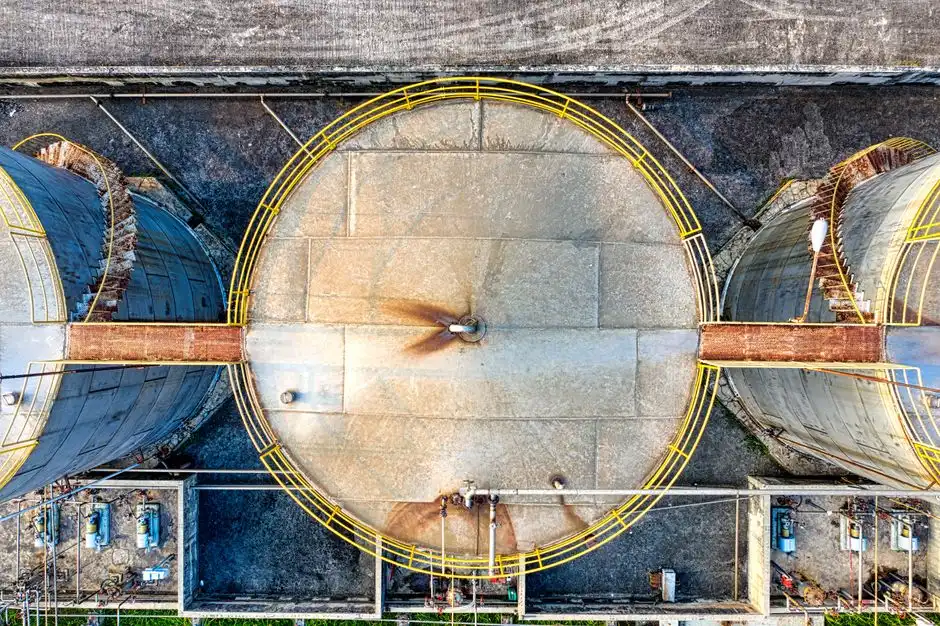
The Céu Azul Alimentos case study (S4, Resources, Conservation and Recycling, 2008-01) on a poultry slaughterhouse with DAF + dual UASB reactors identified four recurring traps that can disrupt new plants.
Trap 1 — Saturator pressure drift. The Céu Azul team found the saturation pressure was held below the 4–6 bar(g) recommended range, collapsing the air-to-solids ratio and starving the contact zone of micro-bubbles. The result was a thin, watery float and TSS breakthrough into the UASB reactors. Specify a pressure gauge on every shift log and an audible alarm on low saturator pressure.
Trap 2 — Failure to recycle clarified DAF effluent. Non-recycling of DAF effluent was a critical operational issue at Céu Azul. Without recycle, the saturator sees fresh effluent only, and on warm streams the dissolved-air mass per liter drops sharply. Route 10–30% of clarified DAF effluent back to the saturator and verify the recycle pump curve against the design flow.
Trap 3 — Polymer overdose. Excess cationic PAM creates a glossy, gelatinous float that re-disperses poorly in the sludge hopper and overloads the downstream dewatering press. Titrate to the lowest dose that produces a stable, dry-looking float; jar tests translated to plant dose typically fall in the 1–5 mg/L range.
Trap 4 — Hot effluent. DAF works best at 20–35 °C; above ~40 °C, saturator efficiency drops and micro-bubbles coalesce before nucleating on flocs. Install temperature monitoring ahead of the saturator and use the equalization basin to clip peak temperatures after a hot cleanup cycle.
Sludge and Chemical Handling on the DAF Float
The DAF float typically represents 2–5% of throughput at 3–8% dry solids, depending on upstream screening and the polymer program. Route the float to a sludge holding tank with an agitator, then to a plate-and-frame filter press for the DAF float or a screw press to dewater to 18–25% DS for off-site disposal or rendering. In some jurisdictions, recovered FOG skimmed from the float can be sold to rendering as a value-recovery stream — verify with the local renderer before specifying a separate FOG decanter. Chemical handling: dose coagulant and flocculant via a PLC-controlled automatic dosing skid, with HDPE tanks for ferric chloride and SS316 tanks for cationic emulsion polymers; ferric chloride is corrosive and will attack unprotected carbon steel within months.
Frequently Asked Questions
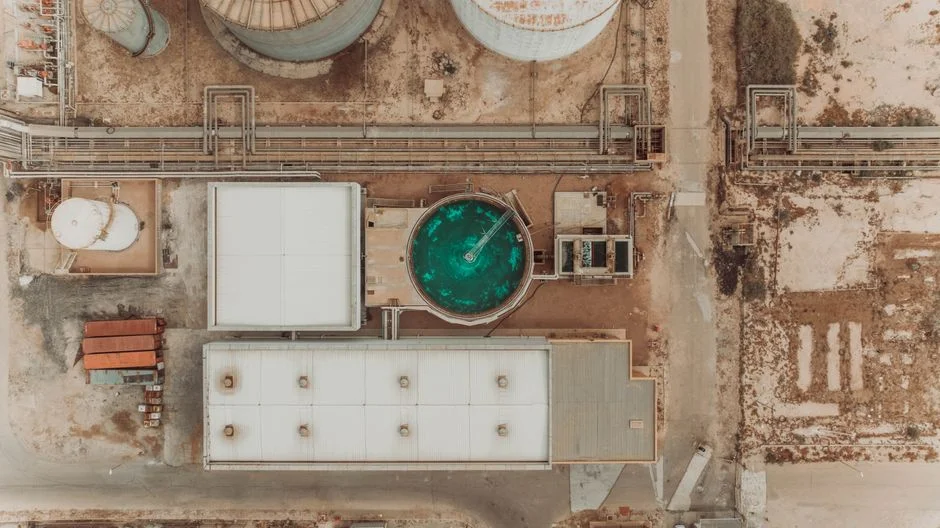
What pressure does a DAF saturator run at for slaughterhouse wastewater? 4–6 bar(g) is the standard saturator pressure range. Below 4 bar the air-to-solids ratio collapses; above 6 bar the energy cost outweighs marginal TSS removal gains. The Céu Azul field study