Why Johannesburg Hotels and Resorts Need a Dedicated Wastewater System in 2026
Gauteng entered 2026 still operating under rolling municipal water restrictions, with Rand Water's 2024–2025 curtailment history still shaping developer caution. Outside the City of Joburg sewer network — most new lodges in the Magaliesberg, Pilanesberg, and the Dinokeng bushline — municipal reticulation is unavailable, so on-site treatment is not optional, it is a build prerequisite. Globally, only about 11% of the 380 billion m³ of municipal wastewater produced each year is currently reused, per ABB's 2024 application note on water reuse, even though that volume could supply more than ten times current global desalination capacity. South Africa's Second National Water Resources Strategy (2025 update) and the revised IRWQ&O 2013 (updated 2024) explicitly push hospitality developers toward Class A irrigation reuse targets to relieve potable demand. A 100-key lodge discharging 25 m³/day of treated effluent to a landscaped garden is forfeiting roughly R450,000/year in reusable water at Johannesburg's 2026 step tariff (R50–80/kL for the upper residential/commercial blocks). Lodge groups operating in the Kruger lowveld, Pilanesberg, and Magaliesberg are now specifying Class A reuse for gardens, lawns, and fire-suppression reservoirs to cut potable draw by 40–60%, and that shift is reshaping the equipment list on every new 2026 build.
The regulatory stack for any Gauteng hospitality plant is layered. A Section 39 water-use authorisation under the National Water Act 36 of 1998 is required when water is discharged, stored, or reused, and that authorisation feeds into a parallel City of Joburg Wastewater Bylaw approval if the site falls inside the metro boundary. The 2024 IRWQ&O revision tightens E. coli limits to <1,000 CFU/100 mL for unrestricted irrigation, and City of Joburg sewer-discharge limits sit at COD <75 mg/L, ammonia <6 mg/L, TSS <25 mg/L, and FOG <50 mg/L — all five must be hit on the discharge side as well.
How Much Wastewater Does a Hotel or Resort Actually Generate?
The design unit used across international hospitality engineering is 200–250 L per bed-day for full-service hotels, dropping to 120–180 L/bed-day for eco-lodges with low-flow fixtures (Yokogawa's 2025 wastewater treatment brief frames this as the "primary variable-strength influent" envelope for commercial hospitality). On top of that, a peak factor of 2.5–3.0 must be applied to size the equalisation tank and the biological reactor hydraulic capacity, because the morning shower + breakfast + laundry window stacks flows in a 90-minute surge that can hit 2.5× the daily mean. The composition of that flow is split roughly 60% guest rooms, 20% kitchen, 10% laundry, and 10% staff/other by volume — but the kitchen FOG (30–80 mg/L) and the laundry BOD (600–900 mg/L, from detergents and linen soiling) carry the bulk of the organic load and must be characterised separately before the biological stage is sized.
The table below gives a sizing baseline for Gauteng hospitality. Daily flow assumes 225 L/bed-day (midpoint of 200–250 L); peak flow applies a 2.5× factor; BOD load assumes 350 mg/L average influent at 0.350 kg BOD/m³, which is a typical blended greywater+blackwater concentration for a full-service hotel.
| Keys (rooms) | Occupancy assumption | Avg. daily flow (m³/day) | Peak flow (m³/h) | BOD load (kg/day) |
|---|---|---|---|---|
| 30 | 1.8 guests/room | 12 | 6.0 | 4.2 |
| 60 | 1.8 guests/room | 24 | 12.5 | 8.4 |
| 100 | 1.8 guests/room | 40 | 21.0 | 14.0 |
| 150 | 1.8 guests/room | 60 | 31.0 | 21.0 |
| 200 | 1.8 guests/room | 80 | 42.0 | 28.0 |
| 300 | 1.8 guests/room | 120 | 63.0 | 42.0 |
For 2026 Gauteng submissions, the higher of the two — the 250 L/bed-day envelope or the 2.5–3.0 peak factor — is what DWS reviewers will check on the Section 39 design report. Under-sizing at 150 L/bed-day to save tank volume is a common rejection reason on first-pass submissions.
Pretreatment Every Johannesburg Hotel Plant Requires
Headworks protection is non-negotiable on a hospitality plant because laundry and housekeeping streams carry rags, hair, and microplastics that blind membrane modules in MBR systems. A 3–5 mm aperture rotary mechanical bar screen sized to peak flow is the minimum front-end protection. For the kitchen waste stream, a dedicated grease trap sized for 30–80 mg/L FOG loading is mandatory — undersized traps are the single most common cause of biological-stage fouling, and the Kenya plant-efficiency review (2024) found 60%+ of municipal plants missed nutrient limits partly because FOG carry-over starved the nitrification biomass. For Highveld hotels without their own restaurant, an inline FOG stripper on the kitchen line is usually sufficient; for 200+ seat resort restaurants, a DAF or lamella unit ahead of the biological stage is worth specifying.
Flow equalisation of 8–12 hours of average daily flow dampens the 2.5–3.0 peak factor before the biological reactor, and the equalisation tank is the cheapest insurance in the whole plant: it cuts the reactor volume by 20–30% compared with designing straight to peak. Chemical dosing for pH correction is rarely needed upfront on hotel sewage, but laundry-stream pH spikes to 9.5–10 from alkaline detergents are a real risk on lodges running in-house laundries, and a small caustic/acid dosing skid on the equalisation tank is cheap to add and prevents nitrification collapse.
Comparing Treatment Technologies for South African Hospitality Plants
The technology choice is driven by footprint, effluent quality, land availability, and operator skill — not by CAPEX alone. The table below scores the four options that actually get specified on 2026 Gauteng hospitality bids, plus vermifiltration (BioPod-style) as the natural-system reference point.
| Technology | Footprint | Effluent quality | CAPEX (relative) | OPEX (relative) | Operator skill |
|---|---|---|---|---|---|
| MBR | ~60% smaller than CAS | <5 mg/L TSS, reuse-ready | High | Medium (membrane care) | Low–medium |
| WSZ A/O package | Buried, landscaped over | <20 mg/L TSS, Class B reuse | Medium | Low | Minimal (automated) |
| SBR | Large (2× reactor volume) | <20 mg/L TSS, Class B reuse | Medium | Low | Medium (1–2 h/day) |
| Constructed wetland | 0.5–1.0 ha | 20–40 mg/L TSS, Class B | Low | Lowest | Low (passive) |
| Vermifiltration (BioPod-class) | Small, modular | Variable, unproven >20 m³/day | Low | Lowest | Low (passive) |
For urban Sandton, Rosebank, or Pretoria boutique hotels on tight footprints, an integrated MBR membrane bioreactor system is the default — 60% smaller than conventional activated sludge, <1 µm filtered effluent, reuse-ready, and minimal surplus sludge. For game lodges and eco-resorts with cheap land, a constructed wetland is hard to beat on OPEX, but the 0.5–1.0 ha land requirement rules it out for any urban Gauteng site. The WSZ underground package sewage treatment plant is the workhorse for 30–150-key properties that need the unit buried and landscaped over with no operator presence. SBR sits between MBR and wetland on footprint and is a strong pick for 100–300-key resorts with room to spread. Vermifiltration is real and reliable below 20 m³/day — it is the answer for the small 10–20-key guesthouse where simplicity wins — but unproven at scale in South Africa and not yet aligned with DWS Section 39 design norms for the 25 m³/day+ bracket.
Recommended Process Train for a Typical Gauteng Hotel (50–150 Keys)
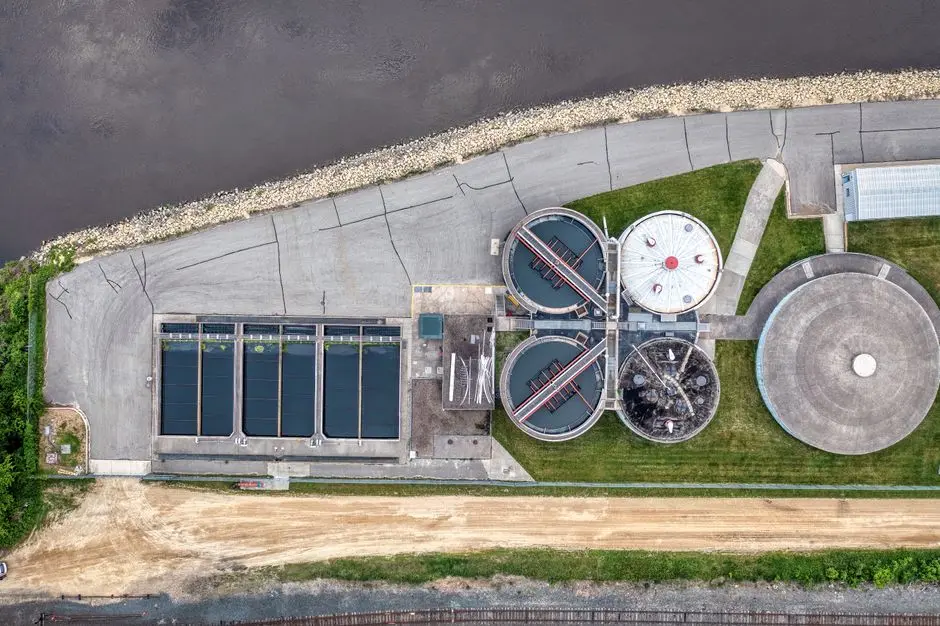
For the dominant 50–150-key Gauteng case, the block flow is: coarse screening → grease trap → equalisation → MBR (or A/O biological reactor) → chlorine-dioxide disinfection → reuse reservoir. The reactor is the unit operation that gets specified most carefully. For an MBR train: hydraulic retention time 6–8 hours, MLSS 8,000–12,000 mg/L, PVDF hollow-fibre membrane at 0.1 µm nominal pore, operating flux 12–18 L/m²·h, and a sludge yield of 0.3 kg DS per kg BOD removed — about a quarter of the sludge mass a conventional activated-sludge plant would generate. For a WSZ A/O buried unit, the anoxic zone runs ~2 hours and the aerobic zone ~6 hours, with an integrated settler and disinfection chamber in the same tank; for most 50–150-key sites the buried-tank package removes the architectural review and acoustic concerns that often delay urban lodge submissions.
Add a lamella clarifier or DAF only when the hotel carries a 200+ seat restaurant or banquet kitchen with elevated FOG (the high-efficiency sedimentation tank is the standard pick for that step). For terminal disinfection, a chlorine dioxide generator is preferred over sodium hypochlorite: ClO₂ handles the high ammonia background of hotel sewage without forming chloramines, holds residual over a longer pipeline, and avoids the THM formation issue that municipal chlorination faces when the upstream BOD is not stripped to <10 mg/L.
Sludge Handling and Reuse Economics
Sludge production for an MBR is 0.3–0.5 kg dry solids per m³ treated, against 1.0+ kg/m³ for a conventional activated-sludge plant, so a 25 m³/day hotel plant is generating roughly 7–12 kg DS/day — well under the threshold where mechanical dewatering becomes mandatory, but large enough that a drying bed is the wrong answer for a 100-key+ site. A plate and frame filter press cuts cake volume to 20–25% wet solids and pulls the hauling cost down to a once-per-quarter withdrawal, which is the operating rhythm hospitality groups actually want. For the 30–60-key tier, a sludge drying bed on a 25–40 m² pad is still the lowest-CAPEX answer.
The reuse economics drive the entire business case. Class A irrigation water at Johannesburg's 2026 step tariff displaces potable at R50–80/kL, and a 100-key lodge that irrigates 1.5 ha of garden with treated effluent is offsetting roughly R450,000/year in potable draw — that is the single biggest financial lever in the spec. Payback on the MBR upgrade over a basic WSZ package typically lands at 3–5 years for a 100-key property once reuse revenue and avoided potable cost are added up. Operators should plan a membrane replacement cycle at 7–10 years and budget OPEX escalation against Eskom tariff increases, which is covered in detail in the wastewater treatment maintenance cost planning guide.
Cost and Compliance Snapshot for a 2026 Johannesburg Project
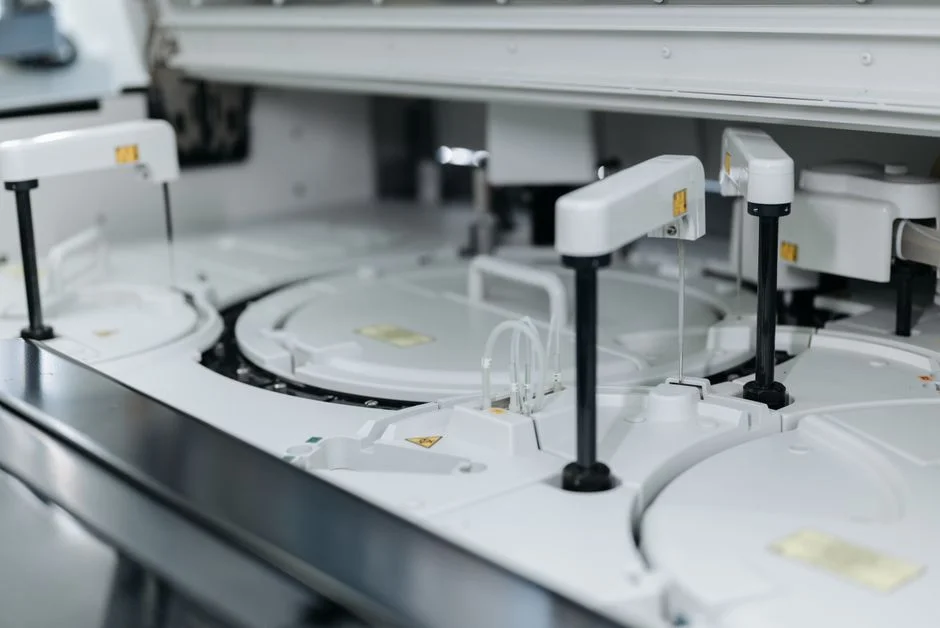
The cost bands below are 2026 installed, ex-VAT, Gauteng labour rates, and reflect a turnkey supply with civil works, M&E, and commissioning. They scale roughly linearly with flow between 25 m³/day and 100 m³/day.
| Plant scope | Capacity | CAPEX band (ZAR, 2026) | OPEX (R/m³ treated) |
|---|---|---|---|
| WSZ A/O package, buried | 25 m³/day | R450,000 – R650,000 | R4 – 7 |
| MBR skid, above-ground | 25 m³/day | R1.1M – R1.6M | R9 – 14 |
| MBR + reuse irrigation loop, 100 m³/day | 100 m³/day | R3.5M – R5.5M | R7 – 12 |
On the compliance side, a DWS Section 39 water-use authorisation currently runs 8–14 weeks from submission to licence issue; City of Joburg wastewater bylaw approval is 4–6 weeks, and the IRWQ&O reuse registration adds another 4 weeks on top if irrigation is part of the scope. Sewer-discharge limits enforced by City of Joburg are pH 6–9, COD <75 mg/L, ammonia <6 mg/L, TSS <25 mg/L, and FOG <50 mg/L — a packaged plant must demonstrate compliance on all five at the design stage, not just COD. For developers running parallel sites in KwaZulu-Natal, the same DWS framework and similar municipal tariff logic apply, and the equipment-supplier landscape is covered in our 2026 Durban sewage treatment equipment buyer's guide.
Frequently Asked Questions
What is the average wastewater flow for a 100-key hotel in Johannesburg? At 200–250 L/bed-day and 1.8 guests/room average occupancy, a 100-key hotel generates 40–45 m³/day average flow and 60–75 m³/day peak once the 2.5× factor is applied. The biological reactor must be sized to the peak, not the mean.
Do I need DWS approval for an on-site hotel wastewater plant? Yes. Section 39 of the National Water Act 36 of 1998 requires a water-use authorisation for any discharge or reuse, and City of Joburg bylaw approval runs in parallel. The total approval timeline is 12–20 weeks combined.
Can hotel wastewater be reused for garden irrigation in Gauteng? Yes, under the IRWQ&O 2013 (revised 2024) Class A or Class B reuse, provided the effluent meets COD <50 mg/L, E. coli <1,000 CFU/100 mL (Class A) or <100,000 CFU/100 mL (Class B), and no detectable FOG. Chlorine dioxide disinfection is the standard terminal step.
How often does an MBR membrane need replacement at a hotel? Typically 7–10 years with proper in-line screening, periodic chemical cleaning (CIP), and maintenance washes. Membrane life is the single biggest OPEX line item and should be provisioned in the 5-year OPEX forecast.
What is the smallest packaged system for a 20-key guesthouse? A WSZ-class underground A/O unit at ~5 m³/day is the standard answer — fully buried, no operator, no noise, and compliant with City of Joburg bylaw for sub-10 m³/day flows without a full Section 39 licence trigger.