Industrial Wastewater Treatment in South Carolina USA: Compliance & Solutions
Industrial wastewater treatment in South Carolina, USA, mandates adherence to stringent state and federal regulations, primarily enforced by the SC Department of Environmental Services (SCDES) and the U.S. Environmental Protection Agency (EPA). Achieving compliance and operational efficiency typically involves tailored solutions that combine physical, chemical, and biological processes, such as Dissolved Air Flotation (DAF) and Membrane Bioreactors (MBR), specifically designed for diverse industrial effluents to protect South Carolina's natural resources. This guide provides a comprehensive overview of the regulatory framework, leading treatment technologies, and a framework for selecting the right solutions and partners for industrial wastewater treatment in South Carolina.Navigating Industrial Wastewater Regulations in South Carolina
The South Carolina Department of Environmental Services (SCDES) serves as the primary regulatory body for industrial wastewater discharge in South Carolina, overseeing compliance with state and federal environmental laws. Located at 2600 Bull St., Columbia, SC 29201, and reachable at (803) 898-3432, SCDES implements regulations outlined in the S.C. Pollution Control Act. This act establishes state-specific discharge standards and frameworks for protecting the state's water quality, often supplementing federal requirements. For facilities discharging directly into surface waters, a National Pollutant Discharge Elimination System (NPDES) permit is mandatory. These permits, issued by SCDES under EPA delegation, define specific effluent limits, monitoring requirements, and reporting obligations. Industrial operators often need to perform a 'South Carolina NPDES permit lookup' to understand their specific conditions and ensure wastewater compliance in South Carolina. Beyond direct discharges, many industrial facilities connect to municipal sewer systems, requiring adherence to local industrial pretreatment programs. For instance, the Charleston Water System maintains a robust program that manages industrial wastewater, including requirements for grease traps and specific discharge limits, preventing pollutants from disrupting municipal treatment processes or passing through to receiving waters. Understanding these SC wastewater permits and industrial discharge regulations is the first critical step for any facility.Common Industrial Wastewater Challenges in South Carolina's Industries
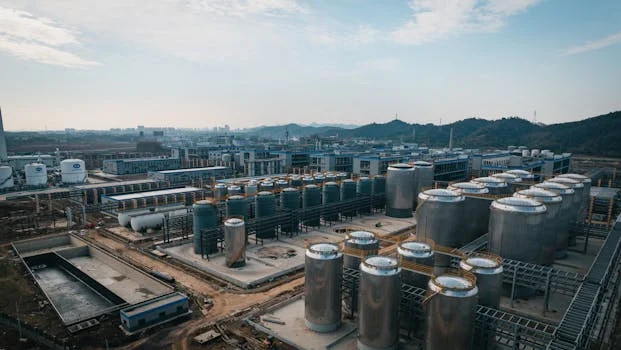
Leading Industrial Wastewater Treatment Technologies for SC Compliance
Effective industrial wastewater treatment in South Carolina relies on advanced technologies like Dissolved Air Flotation (DAF), Membrane Bioreactor (MBR) systems, and physical-chemical processes, each targeting specific contaminants for regulatory compliance. These water treatment equipment solutions offer distinct advantages depending on the industrial effluent characteristics. Dissolved Air Flotation (DAF) Systems: DAF technology utilizes micro-bubbles to effectively separate suspended solids, FOG, oil & grease, and colloidal matter from industrial wastewater. Pressurized wastewater is saturated with air and then released into an atmospheric flotation tank, causing fine bubbles to attach to contaminants, floating them to the surface for skimming. DAF systems are proven effective in industries such as food processing, pulp & paper, and metalworking, as demonstrated by their widespread adoption (per Palmetto Wastewater Solutions). HydropureWater's DAF systems, for example, handle typical flow rates ranging from 4–300 m³/h, providing high-efficiency removal. Proper DAF unit maintenance protocols are crucial for sustained performance. For more details on high-efficiency DAF systems, visit /product/4-dissolved-air-flotation-daf-machine.html. Membrane Bioreactor (MBR) Systems: MBR systems combine conventional activated sludge biological treatment with advanced membrane filtration, typically ultrafiltration or microfiltration, to produce exceptionally high-quality effluent. This integration allows for a significantly smaller system footprint, often 60% less than traditional activated sludge plants, and produces effluent suitable for direct discharge or even water reuse projects (<1 μm filtration). MBR technology is highly effective for industrial process water and offers superior wastewater compliance in South Carolina, particularly for industries with stringent discharge limits. HydropureWater's integrated MBR membrane bioreactor systems handle capacities from 10 to 2,000 m³/day. A comprehensive MBR vs. extended aeration comparison can highlight the benefits of MBR technology. For more information, see /product/2-mbr-integrated-wastewater-treatment.html. Physical-Chemical Treatment (Coagulation/Flocculation/Sedimentation): This fundamental treatment method removes heavy metals, suspended solids, and certain dissolved pollutants. Coagulation destabilizes particles, followed by flocculation, where particles aggregate into larger, settlable flocs. Sedimentation then separates these flocs from the water. Often used as a pre-treatment step, this process can significantly reduce the load on subsequent biological or membrane systems. High-efficiency sedimentation tanks, such as lamella clarifiers, optimize space utilization and reduce chemical consumption by enhancing the settling process. Precision chemical dosing systems are vital for effective operation. Sludge Dewatering Solutions: Efficient sludge management is an indispensable component of any industrial wastewater treatment system. Plate and frame filter presses are widely used for industrial sludge dewatering, performing efficient solid-liquid separation. This process reduces sludge volume, lowering disposal costs and simplifying handling. For efficient plate and frame filter presses, visit /product/9-plate-frame-filter-press.html.| Technology | Primary Contaminants Removed | Typical Effluent Quality | Footprint | Typical Flow Rate Range |
|---|---|---|---|---|
| DAF Systems | Suspended Solids, FOG, Oil & Grease, Colloidal Matter | Low SS, FOG, Oil & Grease (e.g., <30 mg/L SS) | Moderate | 4 – 300 m³/h |
| MBR Systems | BOD, COD, Suspended Solids, Nutrients, Pathogens | Near-reuse quality (<1 μm filtration, very low BOD/COD) | Compact (up to 60% smaller than conventional) | 10 – 2,000 m³/day |
Designing and Implementing a Compliant Wastewater System in SC
Choosing the Right Industrial Wastewater Treatment Partner in South Carolina
Selecting an industrial wastewater treatment partner in South Carolina requires evaluating their proven track record, technological expertise, and comprehensive service offerings to ensure sustained compliance and operational success. A reputable partner should demonstrate extensive experience with industrial wastewater treatment in South Carolina USA, showcasing successful projects within relevant industries. Key criteria for evaluation include their technological expertise in advanced solutions like high-efficiency DAF systems and integrated MBR membrane bioreactor systems, which are crucial for meeting stringent industrial effluent standards. A deep understanding of SC wastewater permits and local industrial discharge regulations is non-negotiable. The ideal partner offers comprehensive service offerings, encompassing system design, equipment manufacturing, professional installation, and ongoing support. Custom engineering and integrated solutions are paramount, as off-the-shelf products rarely provide optimal performance for diverse industrial waste streams. Emphasis should be placed on after-sales support, including readily available spare parts and thorough operator training, which are vital for sustained compliance and system longevity. Finally, a valuable partner can assist with complex permit applications and regulatory reporting, simplifying the compliance process for industrial facilities and providing peace of mind.Frequently Asked Questions About Industrial Wastewater Treatment in SC
What are the main regulatory bodies for industrial wastewater in South Carolina?
The primary regulatory body for industrial wastewater in South Carolina is the SC Department of Environmental Services (SCDES), which enforces state-specific regulations under the S.C. Pollution Control Act and federal regulations delegated by the U.S. Environmental Protection Agency (EPA).What types of permits are required for industrial wastewater discharge in SC?
Industrial facilities discharging directly into surface waters in South Carolina require a National Pollutant Discharge Elimination System (NPDES) permit, issued by SCDES. Facilities discharging to municipal sewer systems must comply with local industrial pretreatment program permits.How can industries in South Carolina reduce their wastewater treatment costs?
Industries can reduce wastewater treatment costs through optimizing chemical dosing systems, implementing water reuse strategies, performing regular preventative maintenance on water treatment equipment, and investing in energy-efficient technologies.What are the most effective technologies for removing FOG and suspended solids from industrial wastewater in SC?
Dissolved Air Flotation (DAF) systems are highly effective for removing Fats, Oils, and Grease (FOG) and suspended solids from industrial wastewater, particularly in food processing and manufacturing sectors.Where can I find information on South Carolina's specific discharge limits for industrial facilities?
Specific discharge limits for industrial facilities in South Carolina are detailed in individual NPDES permits or local industrial pretreatment permits, which can be obtained through the SCDES or respective municipal water systems.Related Equipment
- precise automatic chemical dosing systems — view specifications, capacity range, and technical data
Need a customized solution? Request a free quote with your specific flow rate and pollutant parameters.