Why Coffee Processing Wastewater Needs a UASB
A 10 m³/h wet mill discharging 240 m³/d of mucilage-rich wash water faces an annual discharge-penalty exposure of USD 35,000–90,000 under most Latin American and East African effluent tariffs — a figure that exceeds the amortized CAPEX of a properly sized upflow anaerobic sludge blanket reactor within 36 months. Coffee processing wastewater carries COD of 5,000–25,000 mg/L and BOD₅ of 3,000–12,000 mg/L, with pH dropping to 3.5–5.5 within hours of mucilage fermentation (per the 2021 Journal of Material Cycles and Waste Management review on coffee processing wastewater management). Per ton of dry parchment coffee, the process generates 6–12 m³ of effluent and a BOD load of 25–40 kg — a pollution density that overwhelms any aerobic-only configuration. Aeration alone consumes 0.5–0.8 kWh/m³ in a conventional activated-sludge train, and that energy line item alone disqualifies aerobic treatment for most smallholder and mid-scale mills. The Springer 2021 hybrid UASB study demonstrated 94% COD removal at an organic loading rate of 18.29 kg COD/m³/d under 10 h HRT on slaughterhouse wastewater — a comparable high-strength, warm-temperature stream — and that result translates directly to coffee mucilage effluent when the reactor is properly seeded and conditioned. The UASB is the only configuration that simultaneously closes the compliance gap and contains the operating cost.
UASB Design Parameters for Coffee Wastewater
Coffee-mill UASB systems require an OLR window of 8–18 kg COD/m³/d, an HRT of 10–24 h, and an upflow velocity of 0.5–1.0 m/h at a mesophilic temperature of 25–37 °C. The Springer 2021 hybrid UASB study tested a wider envelope — 2.95–37.98 kg COD/m³/d at HRT 6–24 h — and confirmed 94% COD removal at the 18.29 kg COD/m³/d point, which is a defensible benchmark for coffee wash water of similar biodegradable strength. The practical sweet spot for coffee streams sits at 10–14 kg COD/m³/d: removal efficiency holds at 85–90% and granule washout risk stays low; pushing above 16 kg COD/m³/d invites sludge-bed fluidization and effluent TSS spikes. Reactor geometry should follow a height-to-diameter ratio of 2:1 to 4:1 to maintain plug-flow behavior and adequate upflow velocity without short-circuiting; pair that with a three-phase separator (gas-solids separator, or GSS) fitted with deflection baffles to retain the granular sludge blanket at the high organic load typical of mucilage streams. Upstream conditioning is non-negotiable: neutralize pH to 6.8–7.4 with an automatic pH and nutrient dosing system, balance temperature using heat exchangers on cold highland sites (Colombian and Ethiopian mills commonly see influent below 20 °C), and install a rotary mechanical bar screen for UASB influent protection to strip grit, husk fiber, and pulp solids that would otherwise choke the distribution manifold.
| Parameter | Design window (coffee wastewater) | Benchmark (Springer 2021 hybrid UASB) |
|---|---|---|
| OLR (kg COD/m³/d) | 8–18 (sweet spot 10–14) | 2.95–37.98; 94% removal at 18.29 |
| HRT (h) | 10–24 | 6–24 |
| Upflow velocity (m/h) | 0.5–1.0 | 0.6–0.9 typical |
| Temperature (°C) | 25–37 mesophilic | 30–37 tested |
| H:D ratio | 2:1 to 4:1 | 2:1 to 3:1 cited |
| COD removal (%) | 75–90 | 94 (peak) |
2026 CAPEX Breakdown by Plant Size
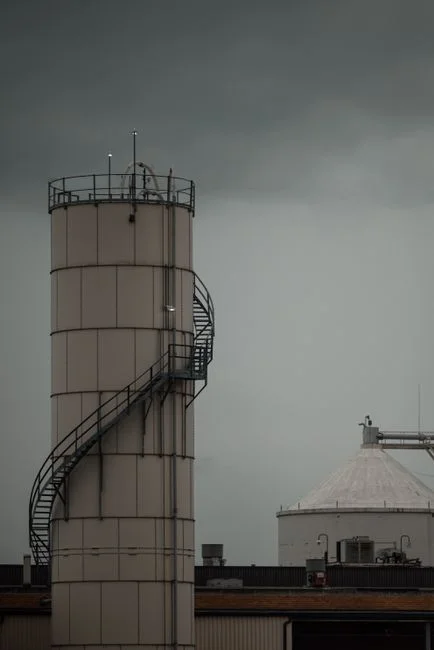
Equipment-only CAPEX for a 2–50 m³/h coffee-mill UASB ranges from USD 45,000–320,000 in 2026, with total installed costs typically 20–35% higher once civil foundations, interconnecting piping, and electrical works are added. The budget envelope scales roughly with hydraulic flow because reactor volume, gas-holder size, and pump duties all track flow linearly above 5 m³/h. The single largest cost swing — typically 25–35% on the equipment line — comes from material selection: SS316 vessels cost roughly 30% more than epoxy-lined carbon steel but are mandatory for high-VFA coffee streams where sulfide corrosion eats carbon steel within 3–5 years. Seismic-zone reinforcement (Andean and Southeast Asian ring-of-fire sites) adds 8–12%, and whether the quote includes a sealed double-membrane gas holder can swing the number 15–20%. Containerized UASB systems built into ISO 20-ft skids cut on-site installation to 2–3 weeks and reduce civil works by ~40% — a decisive advantage for projects with rigid harvest-season commissioning deadlines. Always ask vendors to itemize the reactor vessel, influent distribution manifold, EGSB-style gas collector, gas holder, control panel with PLC, and feed pump separately; a bundled quote that hides the gas-holder line item is a red flag for total-cost surprises at commissioning.
| Plant size (m³/h) | Reactor volume (m³) | Equipment CAPEX (USD, 2026) | Key line items included |
|---|---|---|---|
| Small (2–5) | 20–50 | 45,000–95,000 | SS304 vessel, distribution manifold, basic control panel, no gas holder |
| Medium (10–25) | 100–280 | 120,000–220,000 | SS316 vessel, GSS, double-membrane gas holder, PLC panel, feed pumps |
| Large (30–50) | 350–600 | 250,000–320,000 | SS316 multi-module, gas holder, full SCADA, standby pump train |
These capital costs are offset by significant reductions in daily operational spending. For context on how a UASB fits into the broader treatment train, see the full coffee-mill wastewater plant price guide. Mills in Southeast Asia should cross-reference the regional compliance guide for Southeast Asian coffee projects; East African and South African projects can use the Eastern Cape discharge and engineering guide for African coffee projects to anchor local effluent limits.
OPEX, Biogas Yield, and Payback
Operating costs for a UASB-based coffee wastewater plant run USD 0.08–0.18 per m³ treated, dominated by pumping (0.3–0.5 kWh/m³) and the annualized cost of waste-sludge haul-off. An aerobic-only plant of the same capacity lands at USD 0.25–0.40/m³ because aeration blowers consume 0.5–0.8 kWh/m³ on their own. Biogas yield at 35 °C sits at 0.30–0.42 m³ CH₄ per kg COD removed, and a 20 m³/h wet mill removing 1,500 kg COD/d therefore generates 480–600 m³ CH₄/d, equivalent to 3.0–3.8 MWh/d of thermal energy. At a 2026 industrial tariff of USD 0.10/kWh, that biogas offsets USD 300–380 of pumping and process-heat cost per operating day, or USD 90,000–115,000 across a 300-day harvest year — enough to deliver a simple payback of 2.5–3.5 years against the medium-tier CAPEX band above. Mills below 5 m³/h flow should expect payback to stretch to 5+ years because the daily methane volume is too small to justify a dedicated gas-treatment train (desulfurization, flame arrestor, and either boiler tie-in or CHP unit). Treat that 5 m³/h threshold as a hard screening line when sizing the business case for a CFO: below it, aerobic packaged plants often win on total cost of ownership; above it, the UASB economics dominate.
Post-Treatment: Meeting COD and TSS Discharge Limits
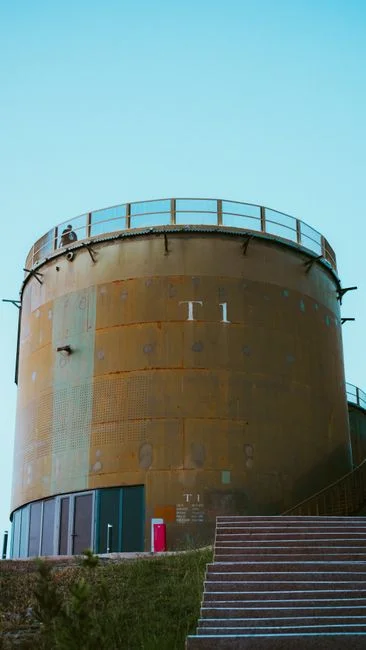
UASB effluent typically retains a COD of 400–900 mg/L and TSS of 200–500 mg/L, while most jurisdictions — Brazil CONAMA 430, Colombia Res. 0631, Vietnam QCVN 40 — cap direct surface-water discharge at COD below 200 mg/L. Choose the polishing stage by the binding parameter: a DAF polishing stage after the UASB removes 70–90% of residual TSS at low OPEX and is the right call when TSS is the binding limit; an MBR polishing for water-reuse discharge targets drives COD below 50 mg/L and unlocks onsite reuse for irrigation or process washing, which materially changes the project ROI on highland sites with water scarcity. Budget USD 18,000–85,000 for the polishing train across the same 2–50 m³/h band used in the CAPEX table — DAF at the low end, MBR at the high end, and a DAF-plus-MBR combination for mills pursuing zero-liquid-discharge claims. Pair the polishing stage with a plate-and-frame filter press for UASB waste sludge to dewater the wasted biological solids to 22–28% dry solids, which keeps sludge-haul costs inside the OPEX band quoted above.
Frequently Asked Questions
How much does a UASB reactor for coffee processing wastewater cost in 2026? Equipment-only CAPEX runs USD 45,000–320,000 across a 2–50 m³/h flow band, with total installed cost 20–35% higher once civil works, piping, and electrical are added.
What COD removal can a UASB achieve on coffee mucilage wastewater? 75–90% removal at an OLR of 10–14 kg COD/m³/d, with the Springer 2021 hybrid UASB study reporting 94% removal at 18.29 kg COD/m³/d on a comparable high-strength stream.
What HRT and OLR should I design for? HRT 10–24 h and OLR 8–18 kg COD/m³/d, with 10–14 kg COD/m³/d as the safe operating sweet spot for coffee wash water