Why Coffee Wastewater Sets the Plant Budget
The coffee processing price for a turnkey wastewater plant in 2026 typically runs $80,000–$150,000 at 50 m³/day, $900,000–$1.4 million at 500 m³/day with UASB-plus-MBR, and $1.6–$2.5 million at 1,000 m³/day with reuse polish. Bands assume design through commissioning and discharge to a regulated water body; full ZLD adds 15–25 percent.
A 10,000-tonne-per-year wet mill generates roughly 1,600 m³/day of effluent — about 40 L of process water per kg of dry bean, per the 2022 Frontiers bioelectrochemical study. That flow figure drives the coffee processing price discussion for new mills in Brazil, Vietnam, or Colombia. A train sized near 1,500 m³/day still lands a six-figure CAPEX ticket, and operating cost compounds every year. The 2015 ResearchGate review on coffee processing wastewater calls untreated discharge a major agro-industrial pollutant, and most small producers still lack treatment infrastructure (ResearchGate, 2015).
Buyers planning a 2026 mill must size for three streams. Pulping and mucilage washing carry the highest COD at acidic pH 4–5. CIP flushes add a second load. Soluble or instant lines also produce spent-coffee leachate that runs 3–5× stronger than pulping effluent. Bioelectrochemical and MFC research, including the Frontiers 2022 work, has shown meaningful COD reduction, but those systems ran fed-batch for 60 days under lab conditions and are not commercially bankable in 2026 (Frontiers, 2022-02). Pricing a project against an academic paper still leads teams to overpay or under-spec. Most plants we size for wet mills run at the lower end of each CAPEX band when civil works stay simple and reuse is deferred. If you also handle starch-bearing waste streams on the same site, see this starch wastewater treatment process guide for parallel process-train logic.
Coffee Processing Wastewater Characteristics by Sub-Segment
Every cost figure downstream of this section assumes you know your influent. The table below is the minimum dataset a vendor or EPC engineer needs before sizing a single tank.
| Parameter | Pulping / wet mill | Dry mill effluent | Soluble / instant coffee |
|---|---|---|---|
| pH | 4.0–5.5 | 6.5–7.5 | 6.5–8.5 |
| COD (mg/L) | 6,000–20,000 | 2,000–6,000 | 15,000–30,000 |
| BOD₅ (mg/L) | 3,000–10,000 | 1,000–3,000 | 8,000–18,000 |
| BOD₅/COD ratio | 0.4–0.6 | 0.4–0.5 | 0.45–0.6 |
| TSS (mg/L) | 2,000–8,000 | 500–1,500 | 3,000–10,000 |
| Temperature (°C) | 25–35 | 20–30 | 40–70 (hot extraction) |
| Flow per kg green bean (L) | ~40 | 2–5 | 80–150 (incl. extraction water) |
A BOD₅/COD ratio above 0.4 is the key economic signal in this table. It confirms the wastewater is highly biodegradable, which is why anaerobic reactors (UASB, IC) are the workhorse for coffee effluent above 200 m³/day. The Sahana et al. electrochemical-coagulation study reported strong COD and color removal with iron and stainless-steel electrodes (Sahana et al., 2015). The technology fits a niche — remote wet mills without grid power — rather than mainstream 2026 industrial flow. The Frontiers 2022 MFC achieved meaningful decontamination only under fed-batch conditions. Continuous industrial loading is materially different. Vendors quoting MFC-based "coffee-to-electricity" packages at commercial scale should provide a reference list with at least one 12-month operating dataset.
Process Train Selection: How to Match Treatment to Capacity and Effluent Target
Process selection for coffee effluent is driven by three inputs: flow, target effluent quality, and whether water reuse is in scope. The matrix below maps those inputs to a defensible 2026 process train.
| Flow range (m³/day) | Sub-segment fit | Recommended process train | Typical reuse compatibility |
|---|---|---|---|
| 50–200 | Small wet mill, dry mill | Screening + grit removal + equalization + DAF pre-treatment for coffee pulping wastewater + SBR | Limited (irrigation only) |
| 200–500 | Mid-size wet mill, small soluble line | Screening + equalization + DAF + UASB + aerobic MBBR | Cleaning, landscape irrigation |
| 500–2,000 | Industrial wet mill, soluble plant | Screening + equalization + DAF + UASB/IC + MBR membrane bioreactor for coffee processing wastewater + RO polish (if reuse) | Process water, boiler feed, CIP |
| <200 (remote / off-grid) | Smallholder wet mill | Screening + equalization + electrochemical coagulation + constructed wetland | Irrigation only |
For flows above 200 m³/day, anaerobic treatment is no longer optional — it is the economic baseline. Methane recovery from a properly operated UASB or IC reactor can offset 30–60% of plant energy demand at 2026 gas-grid tariff equivalents. That is why aerobic-only trains now appear only in the smallest capacity band. MBR has become the default polishing step when water reuse is in scope. It displaces older clarifier-plus-sand-filter arrangements because the effluent is already low in TSS and SDI for downstream RO.
Screening and grit removal are not optional. Both the 2022 Frontiers work and the 2015 review flag fibrous solids and pulp fines that foul membranes within days if not removed. An Underground Package Sewage Treatment Plant (WSZ Series) is the right reference design for the 50–200 m³/day band. Sludge yield runs 0.15–0.35 kg DS per kg COD removed across anaerobic-plus-aerobic trains. That number sizes dewatering equipment. Under-sizing the sludge line remains the most common commissioning-day surprise on coffee projects.
Coffee Processing Price by Capacity in 2026
These are 2026 commercial bands for a turnkey scope: design, equipment, civil, installation, commissioning, and one year of spares. Bands assume discharge to a regulated water body. Add 15–25% for full ZLD scope, which remains rarely economic for coffee effluent in 2026 except where water is scarce and energy subsidized. For buyers who need a country-specific capex and opex cross-check outside coffee mills, that India plant-cost breakdown is the sibling reference.
| Capacity (m³/day) | CAPEX range (USD, 2026) | Typical scope |
|---|---|---|
| 50 | $80,000–$150,000 | Containerized SBR package, no reuse |
| 200 | $300,000–$500,000 | UASB + MBBR, skid-mounted, irrigation-quality effluent |
| 500 | $900,000–$1,400,000 | UASB + MBR, process-water reuse ready |
| 1,000 | $1,600,000–$2,500,000 | UASB/IC + MBR + RO polish, full water reuse |
| 2,000 | $3,000,000–$4,500,000 | IC + MBR + RO + sludge dewatering, multi-stream |
Inside each band, the cost split is consistent: civil works 25–35%, equipment 45–55%, instrumentation and SCADA 5–10%, installation and commissioning 10–15%. Containerized and skid-mounted options reduce site civil cost by 20–30% and compress install time to 4–8 weeks versus 12–20 weeks for stick-built. The skid-mounted vs built-on-site treatment plant comparison breaks down when each approach wins.
Two 2026 cost signals worth flagging: Chinese steel and PVDF membrane pricing have both softened versus 2023 peaks. Buyers who priced quotes 18–24 months ago should request refreshed numbers. The MBR membrane bioreactor module alone typically accounts for 12–18% of total CAPEX on a 500+ m³/day plant. That line item is worth negotiating when membrane replacement cost is bundled into the warranty. Field quotes we see for mid-size wet mills still cluster near the middle of each band when civil works stay local and the owner accepts irrigation-grade effluent.
OPEX Breakdown: What You Will Actually Spend Year Over Year
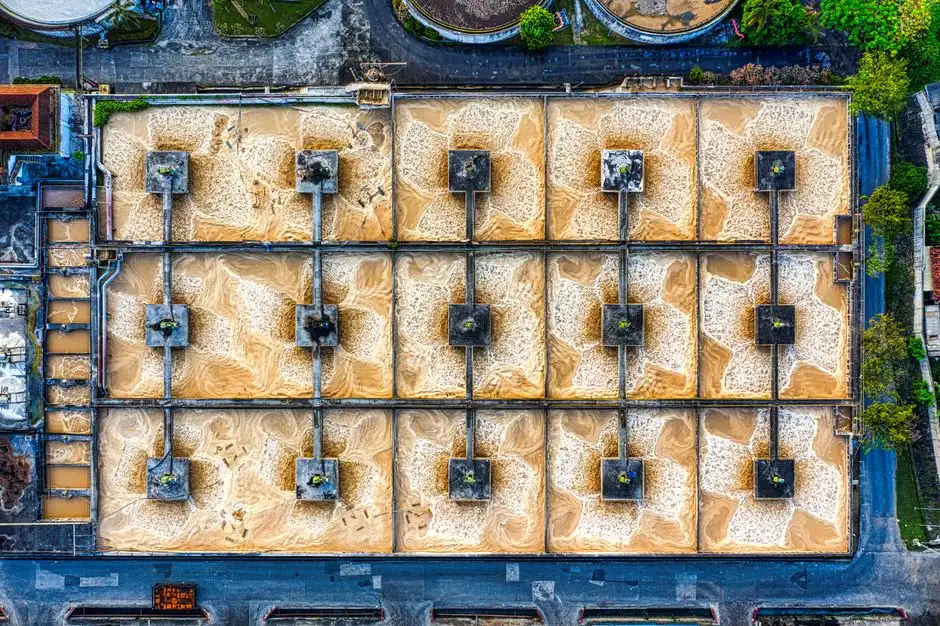
OPEX on coffee effluent plants is dominated by energy and sludge — the two line items finance will challenge every budget cycle. Energy runs 35–50% of OPEX for aerobic-only systems. A UASB-plus-MBR train cuts that share to 20–30% by avoiding high-rate aeration on the bulk of the COD load. Chemical costs (coagulant, polymer, pH adjustment, nitrogen and phosphorus supplementation) typically run $0.05–$0.20 per m³ treated, depending on whether anaerobic digestion is providing nutrient recycling.
Sludge handling is the second-largest line item and the one most often mispriced. Labor runs 1–2 FTE per shift for plants above 500 m³/day, dropping to near-zero on fully automated skid units. Annual OPEX benchmarks at 2026 energy tariffs sit at $0.30–$0.80 per m³ for UASB-plus-MBR trains and $0.50–$1.20 per m³ for SBR-only trains. Methane recovery from a 1,000 m³/day UASB at typical coffee effluent strength can generate biogas equal to $40,000–$90,000/year in displaced fuel. The dosing chemistry that supports it is handled by a paired automatic chemical dosing system.
How does sludge dewatering change plant ownership cost?
Sludge dewatering changes coffee plant ownership cost by cutting haul volume 75–85% once cake solids are raised with a press. That shift turns a wet-slurry hauling problem into a dry-cake disposal problem. A plate and frame filter press for coffee wastewater sludge dewatering is the usual unit on mid-size trains; under-sizing it is the most common commissioning-day miss. At 0.15–0.35 kg DS per kg COD removed, a 500 m³/day anaerobic-plus-aerobic plant can generate several hundred kilograms of dry solids per day at peak season. Press capacity and polymer dose must therefore be sized on seasonal peaks, not annual averages. For buyers cross-checking field install scope, the filter press installation and commissioning guide pairs with the dewatering cost line above.
What does MBR polishing add to plant cost?
MBR polishing adds roughly 12–18% of total CAPEX on coffee plants above 500 m³/day when the membrane cassette is counted as a discrete line item. It is usually required when reuse or strict discharge limits are in scope. On a 500 m³/day UASB-plus-MBR train, that membrane share often sits inside the $900,000–$1,400,000 turnkey band rather than as a free upgrade. OPEX moves with membrane cleaning chemicals, blower energy for membrane scour, and planned module replacement every 5–8 years under typical coffee TSS after DAF. Chemical precipitation alone rarely replaces MBR for Vietnam-grade COD targets. It can trim color and phosphorus ahead of biological steps, but it does not deliver the low SDI effluent RO needs. Buyers comparing membrane ownership math should also review module warranty hours and replacement kit pricing before locking the bid.
Discharge Compliance by Country: Pick the Right Target Before You Size the Plant
Oversizing for a stricter jurisdiction than needed can double the bill; undersizing risks shutdown. Pick the target first, then size to it.
| Country / regulation | BOD₅ (mg/L) | COD (mg/L) | TSS (mg/L) | pH | Notes |
|---|---|---|---|---|---|
| Brazil — CONAMA 430/2011 | 120 (60 if effluent-fed water body) | <200 | — | 5–9 | Standard for indirect discharge; stricter for direct release |
| Vietnam — QCVN 40:2011 | 50 | 100 | 100 | 6–9 | One of the strictest typical targets; MBR or tertiary required |
| Colombia — Res 631/2015 | 150 | 200 | 100 | 6–9 | Coffee agro-industry category |
| Ethiopia — EEA | 150 | 250 | 100 | 6–9 | Older framework; tightening trend |
| India — CPCB (inland surface water) | 100 | 250 | 100 | 6.5–8.5 | State PCB variations apply; MBR often required |
Vietnam and India are the strictest typical targets a 2026 buyer will face. Meeting them reliably pushes the process train to MBR or tertiary treatment. The destination also drives whether RO polish is required. A 500 m³/day plant that adds RO for water reuse will see CAPEX climb by $200,000–$500,000 versus a discharge-only design — that single decision can swing the budget by 30%. African buyers should cross-check multi-parameter limits including lead and total nitrogen, both of which are tightening in 2026. See the Kenya lead discharge standard guide and the Kenya total nitrogen compliance guide for the specific 2026 thresholds.
ROI, Water Reuse, and Payback: Turning the Plant into a Revenue Line
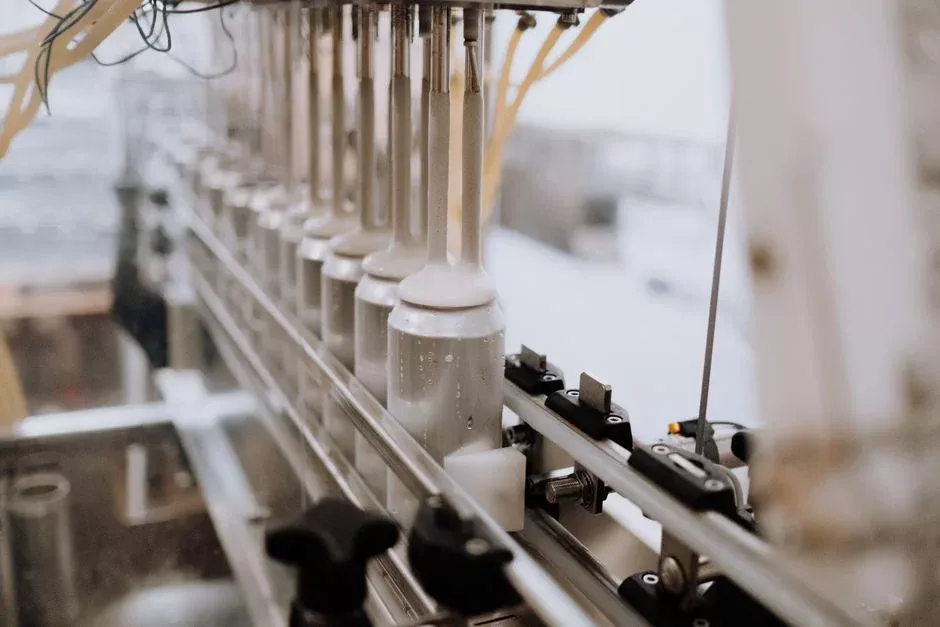
The 2026 commercial case for a coffee wastewater plant is water-reuse infrastructure with compliance as a side effect, not a pure compliance cost. Water reuse at 60–80% recovery displaces $0.50–$1.50 per m³ of fresh intake cost at 2026 industrial water tariffs in coffee-producing regions. That saving is non-trivial at 500+ m³/day. Discharge-fee avoidance adds a second payback lever. In regulated jurisdictions (Brazil, Vietnam, parts of India), avoided effluent charges run $0.30–$1.00 per m³ of treated flow.
Combined, a 500 m³/day UASB-plus-MBR plant with water reuse typically pays back in 3.5–6 years at 2026 utility and discharge-fee levels, before counting any value from biogas offtake. The ZLD outlook for industrial wastewater in 2026 confirms ZLD remains a niche play for coffee. It is economic only where water is scarce and energy is subsidized, which is not the median 2026 site.
Who This Is For, Who Should Look Elsewhere, and Next Step
Wet-mill and soluble-coffee owners sizing a 50–2,000 m³/day train are the primary readers of this price guide. EPC and procurement teams comparing turnkey bids against discharge or reuse targets are the secondary readers. Look elsewhere for municipal sewage design, lab-only MFC packages, or a desalination balance-sheet. Those cost drivers differ from coffee pulping COD and seasonal harvest peaks. When flow, COD, and the discharge target are known, request a scoped quote through our coffee wastewater treatment plant inquiry form. Price equipment, civil, and sludge lines on the same basis.
Selection Checklist Before You Freeze CAPEX
Lock these seven items before you accept a budget number:
- Measured peak-season flow (m³/day) and COD/BOD₅/TSS/pH on each stream
- Discharge standard or reuse quality (BOD₅, COD, TSS, pH, and local extras)
- Anaerobic vs aerobic baseline at your flow band (UASB/IC above 200 m³/day)
- Whether DAF, MBR, and RO are required for solids, reuse, or strict COD
- Sludge yield assumption (0.15–0.35 kg DS/kg COD) and dewatering method
- Civil vs skid split, install weeks, and one-year spares list
- Energy tariff, discharge fee, and fresh-water cost used in the payback model
Skip any one of these and the coffee processing price band you freeze will drift by a full CAPEX tier once commissioning data arrives.
Frequently Asked Questions
What is the 2026 price range for a coffee processing wastewater treatment plant?
$80,000–$150,000 covers a 50 m³/day containerized package, $900,000–$1.4M covers a 500 m³/day UASB-plus-MBR system, and $1.6M–$2.5M covers a 1,000 m³/day train with water-reuse polish. Those HydropureWater 2026 field benchmarks assume turnkey design, equipment, civil, installation, commissioning, and one year of spares with discharge to a regulated water body. Add 15–25% if the scope expands to full ZLD, which stays rarely economic for coffee effluent except where water is scarce and energy is subsidized.
Should a coffee mill choose anaerobic (UASB) or aerobic (SBR) treatment in 2026?
For flows above 200 m³/day, anaerobic UASB or IC is the economic baseline because methane recovery offsets 30–60% of energy demand at 2026 gas-grid tariff equivalents. Aerobic SBR remains defensible for small or remote wet mills under 200 m³/day, especially where biogas offtake is not practical. Most mid-size mills we commission therefore start with screening, equalization, DAF, and UASB before any aerobic polish, then add MBR only when reuse or strict discharge limits require it.
What discharge limits apply to coffee effluent in Vietnam and India?
Vietnam QCVN 40:2011 sets BOD₅ at 50 mg/L, COD at 100 mg/L, and TSS at 100 mg/L with pH 6–9, which usually forces MBR or tertiary treatment. India CPCB inland surface water targets run BOD₅ 100 mg/L, COD 250 mg/L, TSS 100 mg/L, and pH 6.5–8.5, with state PCB variations that often push owners toward MBR for reliable compliance. Meeting either target on soluble-coffee strength influent without upstream anaerobic COD cut is the usual reason bids overrun.
What does OPEX look like for a coffee wastewater plant in 2026?
UASB-plus-MBR trains run $0.30–$0.80 per m³ treated at 2026 energy tariffs, while SBR-only trains run $0.50–$1.20 per m³. Energy and sludge handling dominate the bill; chemicals typically add $0.05–$0.20 per m³ depending on nutrient recycling from the digester. A 1,000 m³/day UASB at typical coffee strength can also displace $40,000–$90,000/year in fuel when methane recovery is operated continuously through harvest peaks.
When is water reuse worth adding to a coffee plant?
Water reuse is worth adding when fresh intake costs $0.50–$1.50 per m³ and recovery of 60–80% is achievable on a UASB-plus-MBR train with optional RO polish. At 500+ m³/day, avoided intake plus discharge fees of $0.30–$1.00 per m³ often support a 3.5–6 year payback before biogas value. ZLD remains a niche for coffee in 2026 and should stay off the base bid unless the site has scarce water and subsidized energy.