What Drives the Cost of a Wastewater Treatment Plant in Gdansk in 2026?
A wastewater treatment plant in Gdansk costs between €250,000 and €4,500,000 in 2026 for capacities of 50–5,000 m³/day, with OPEX of €0.18–€0.65 per m³. Four variables move that band: design flow, influent loading, the required effluent tier, and site conditions. Design flow sets the hydraulic sizing of every downstream unit; influent COD/BOD/N/P in mg/L sets tank volume and aeration demand; the chosen discharge tier — UWWTD minimum, BAT-AEL, or a site-specific Polish limit — sets tertiary-stage complexity; and the geotechnical profile of the Vistula delta sets civil-works cost.
Gdansk projects run 10–18% above inland Polish benchmarks. The drivers are concrete: a high groundwater table (typically 0.8–1.5 m below grade in port-adjacent sites) forces dewatering during excavation; the Baltic frost zone (zone I, ground freeze depth ~1.0 m) adds frost-protected civil detail; legacy port-area soil contamination triggers additional handling and disposal fees under the Polish Act on Soil and Ground Quality (Prawo ochrony środowiska, Dz.U. 2024 poz. 1224); and EU-cofunded projects carry heavier documentation scrutiny from the Marshals' offices and the National Water Management Authority (KZGW).
The Gulf of Gdansk case study by Szefer et al. (2022) put a single WWTP-failure environmental damage bill at approximately €769 million — that figure is the regulator's anchor for tighter 2026 enforcement, and it is also the buyer's strongest internal argument for sizing tertiary treatment to BAT-AEL rather than to the UWWTD floor. Anchoring your CAPEX to a 2026 municipal WWTP price benchmark, as published on the Gdansk WWTP CAPEX page, is the cleanest way to defend the budget line in a memo to procurement.
Regulatory Framework: EU Directives and Polish Permit Requirements
EU Urban Waste Water Directive 91/271/EEC sets the floor for any agglomeration above 2,000 p.e., including secondary biological treatment with BOD ≤25 mg/L and COD ≤125 mg/L at the outlet. Above that floor, EU Industrial Emissions Directive 2010/75/EU and its BAT-AEL ranges apply: COD 10–40, TSS 5–15, total N 10–15, total P 0.5–2 mg/L. Polish integrated permits (pozwolenie zintegrowane) issued by the regional Marshal's Office impose site-specific limits that are typically equal to or stricter than BAT-AEL, especially when the receiving water is the Vistula, the Martwa Wisła, or the open Bay of Gdansk. Plants discharging directly to the Bay of Gdansk also fall under the Baltic Marine Environment Protection Commission (HELCOM) recommendation 28E/5 on nutrient reduction.
The 2024–2026 update of Polish Water Law (Prawo wodne, consolidated text Dz.U. 2024 poz. 1224 with subsequent amendments) tightened total nitrogen caps and increased monitoring frequency for plants above 1,000 m³/day — online NH₄-N analyzers are now standard, not optional. The parameter table below is the version an EPC should pin to the cover sheet of any Gdansk bid:
| Parameter | UWWTD 91/271/EEC minimum | EU BAT-AEL range | Typical pozwolenie zintegrowane limit (Gdansk catchment) |
|---|---|---|---|
| COD (mg/L) | ≤ 125 | 10 – 40 | ≤ 40 |
| BOD₅ (mg/L) | ≤ 25 | 3 – 10 | ≤ 15 |
| TSS (mg/L) | ≤ 35 (under 1,000 p.e. relaxed) | 5 – 15 | ≤ 15 |
| Total N (mg/L) | ≤ 15 (sensitive areas) | 10 – 15 | ≤ 15 |
| Total P (mg/L) | ≤ 2 (sensitive areas) | 0.5 – 2 | ≤ 1 (Vistula direct), ≤ 2 (municipal only) |
| Hydrocarbons / Oils | not specified | ≤ 5 | ≤ 5 (industrial discharges) |
Process Selection Matrix for Gdansk Industrial Effluents
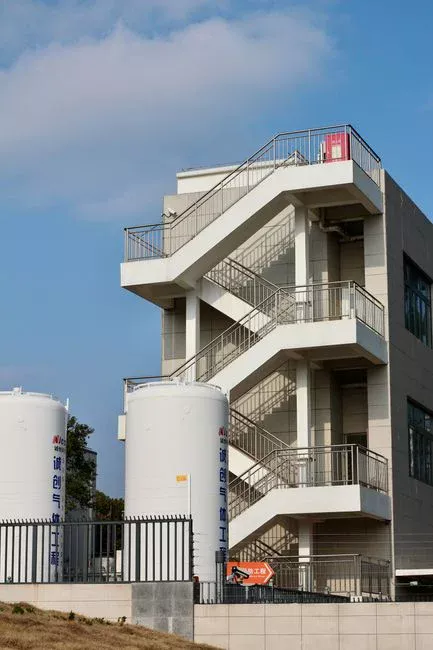
Process selection is an influent-to-effluent mapping exercise, not a "best system" debate. The four flow paths below cover 90% of what the Gdansk industrial corridor actually generates, and each maps to a different process train with predictable cost and footprint.
| Influent scenario | Recommended train | Typical influent (mg/L) | Effluent target | CAPEX vs packaged MBR baseline |
|---|---|---|---|---|
| Food, dairy, beverage (port area) | DAF pretreatment → anaerobic MBR | COD 3,000–10,000; oil/grease 200–800 | COD ≤ 40; BOD ≤ 10 | −5% (biogas offset) |
| Shipyard / refinery | DAF → A/O biological → containerized MBR package plant polish | COD 800–3,000; hydrocarbons 50–300 | COD ≤ 40; hydrocarbons ≤ 5 | +20 to +30% |
| Pharma / fine chemicals | Equalization → Fenton/ozone → MBR → RO polish | COD 2,000–8,000; salinity 2–10 g/L; AOX trace | COD ≤ 40; TN ≤ 15; conductivity ≤ local limit | +45 to +60% |
| Municipal / domestic (Gdansk agglomeration) | SBR or MBR with sludge recirculation | COD 400–800; TN 40–60 | UWWTD minimum or BAT-AEL | baseline (MBR) / −15% (SBR) |
| Containerized / temporary / small site | Containerized MBR (50–500 m³/day) | COD 300–1,200 | COD ≤ 125 (UWWTD) or ≤ 40 (BAT-AEL) | baseline |
The MBR segment is growing at 8.9% CAGR toward $6.8B by 2026 globally (per industry market reporting, 2025), and that maturity is showing up as falling unit cost and shorter European lead times. For shipyard and refinery flows, a DAF pre-treatment skid upstream of biological is non-negotiable — oil/grease loadings above 100 mg/L will foul membranes and cripple the biological stage if not removed first.
CAPEX Breakdown by Plant Size and Technology
The 2026 CAPEX bands below are drawn from a 2026 municipal WWTP price benchmark for northern Poland and adjusted for the Gdansk-specific premium. Each band is delivered CAPEX (equipment, PLC/SCADA, installation, commissioning, 12-month performance warranty); excluded are land, buildings outside the process train, extended service agreements, and VAT.
| Size band | Recommended technology | CAPEX range (EUR, 2026) | Build time | Civil work intensity |
|---|---|---|---|---|
| 50–500 m³/day | Containerized MBR package | €250,000 – €900,000 | 8 – 14 weeks | Low (skid-mounted) |
| 500–2,000 m³/day | Modular SBR or A/O | €900,000 – €2,200,000 | 5 – 9 months | Moderate (partial in-ground) |
| 2,000–5,000 m³/day | Concrete SBR or A²/O | €2,200,000 – €4,500,000 | 12 – 18 months | High (in-ground reinforced concrete) |
| Refinery / pharma adders | DAF, ozone, RO skids | +25% to +60% on top of base plant | adds 6 – 12 weeks | Skid integration |
For below-grade installations on tight urban sites, a buried package sewage treatment plant removes the above-grade footprint entirely and is well suited to shipyard and refinery utility corridors where headroom is constrained. Below-grade units in the Gdansk groundwater zone, however, must include buoyancy checks and continuous dewatering during commissioning — typically a 4–8% civil adder not visible in the table.
OPEX Breakdown: Energy, Chemicals, Sludge, Labor
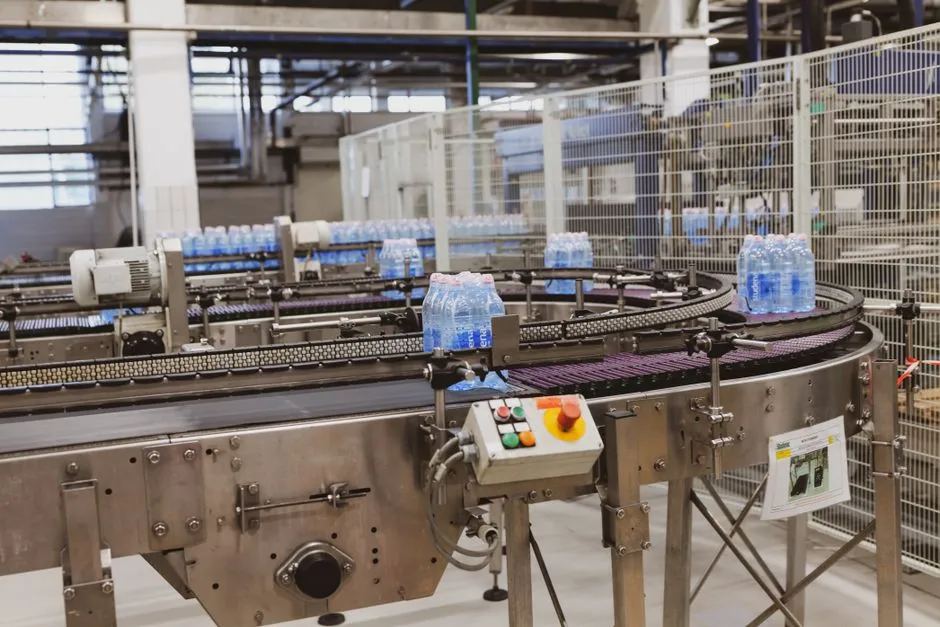
OPEX for a Gdansk-area WWTP runs €0.18–€0.65 per m³ in 2026, with an energy tariff assumption of €0.10–€0.18/kWh (Pomeranian tariff band, second-half 2025 to early 2026). The split is consistent across MBR and SBR plants: energy dominates, sludge is the second lever, chemicals and labor round out the rest.
| OPEX bucket | % of total OPEX | Unit driver | 2026 Gdansk typical |
|---|---|---|---|
| Energy (aeration, pumps, blowers) | 35 – 45% | kWh/m³ treated | MBR: 0.35 – 0.55 kWh/m³; SBR: 0.25 – 0.40 kWh/m³ |
| Chemicals (coagulant, CIP, pH adjusters) | 10 – 20% | kg active / m³ | €0.02 – €0.08 per m³ |
| Sludge handling & dewatering | 20 – 30% | dry tonnes / day | €120 – €280 per dry tonne (per 2026 filter press OPEX breakdown) |
| Labor & monitoring | 10 – 15% | FTE + online analyzers | €25,000 – €60,000 per FTE-year, Gdansk labor band |
The two highest-impact OPEX choices at procurement are the sludge dewatering filter press (drives the 20–30% line) and the PLC-controlled chemical dosing system (drives the 10–20% line). Aeration energy is fixed once blowers are selected; the way to move it down post-commissioning is dissolved-oxygen control tied to a SCADA feedback loop, which is standard on a 2026 build.
Permit Timeline, Commissioning, and Risk Checklist
The critical path for a 1,000 m³/day plant in the Gdansk catchment runs 14–20 months from permit award to commissioning, with 3–5 months of that window dedicated to commissioning and performance testing. The Polish integrated permit (pozwolenie zintegrowane) is the longest single item: 6–12 months from filing to issuance at the Pomorskie Marshal's Office (Urząd Marszałkowski Województwa Pomorskiego), with public consultation and HELCOM notification adding 30–60 days for any plant discharging to the Bay of Gdansk.
Three overspend drivers hit most Gdansk projects: (1) late BAT-AEL tightening that forces resizing of the tertiary stage — pin COD ≤40 / TN ≤15 / TP ≤2 in the EPC performance clause to lock the design; (2) groundwater dewatering during foundation work, which on port-adjacent sites routinely runs 6–10 weeks and adds €80,000–€250,000; (3) Polish-language documentation re-submission cycles with the Marshal's Office, which average two rounds for a typical industrial plant. Mitigate these by parallel-tracked procurement of the headworks bar screen and the on-site chlorine dioxide disinfection unit, both of which can be delivered and accepted before the civil phase completes.
Frequently Asked Questions
How much does a wastewater treatment plant cost in Gdansk in 2026? A packaged 50–500 m³/day MBR plant runs €250,000–€900,000, a modular 500–2,000 m³/day SBR runs €900,000–€2,200,000, and a 2,000–5,000 m³/day concrete plant runs €2,200,000–€4,500,000, all delivered CAPEX in EUR (per 2026 municipal WWTP price benchmark for northern Poland).
What are BAT-AEL discharge limits for industrial wastewater in Poland? BAT-AEL (Best Available Techniques Associated Emission Levels) is the EU-defined emission range tied to Industrial Emissions Directive 2010/75/EU; for Gdansk industrial plants this means COD 10–40, TSS 5–15, total N 10–15, and total P 0.5–2 mg/L, with the upper end typically the limit written into the pozwolenie zintegrowane.
How long does a Polish integrated permit (pozwolenie zintegrowane) take? Expect 6–12 months from filing to issuance at the regional Marshal's Office, plus 30–60 days of additional notification if the plant discharges to the Bay of Gdansk under HELCOM recommendation 28E/5.
Which process is best for a Gdansk refinery or shipyard wastewater? DAF pretreatment (oil and TSS removal) followed by A/O biological treatment and an MBR polish; this train handles COD 800–3,000 mg/L and hydrocarbon spikes above 50 mg/L to the BAT-AEL band of COD ≤40 and hydrocarbons ≤5 mg/L.
What is the typical OPEX per cubic meter for a Gdansk WWTP in 2026? Total OPEX is €0.18–€0.65 per m³, with energy at 35–45% of the bill, sludge handling at 20–30%, and chemicals at 10–20% — based on a Pomeranian energy tariff of €0.10–€0.18/kWh in the second half of 2025 and early 2026.
Related Equipment
- DAF pre-treatment skid — specifications, capacity range, and technical data