Sewage Treatment Equipment Supplier in Multan: 2025 Technical Buyer’s Guide with Costs, Compliance & Vendor Comparison
In Multan, industrial facilities face strict Punjab NEQS discharge limits (BOD < 30 mg/L, TSS < 50 mg/L) and rising wastewater treatment costs—averaging PKR 12–25 million for a 50 m³/h system in 2025. This guide compares top sewage treatment equipment suppliers in Multan, detailing technical specs (e.g., DAF systems remove 92–97% TSS, MBR systems deliver <1 μm filtration), cost benchmarks (e.g., MBR CAPEX: PKR 2.2M/m³/day vs. DAF: PKR 1.5M/m³/day), and vendor compliance with local regulations. Use the included decision framework to shortlist suppliers based on your facility’s flow rate, effluent quality, and budget.
Why Multan’s Industrial Facilities Need Advanced Sewage Treatment Equipment in 2025
Multan’s industrial sectors, particularly textile mills, food processing plants, and tanneries, generate wastewater streams that consistently exceed Punjab National Environmental Quality Standards (NEQS) discharge limits, leading to significant financial penalties and operational disruptions. The textile industry in Multan, for instance, typically generates 45–60 m³/h of high-COD wastewater, with concentrations ranging from 1,200–2,500 mg/L, far surpassing the Punjab NEQS BOD limit of 30 mg/L (Punjab EPA 2024 compliance reports). Similarly, food processing plants in Multan often produce effluent with Total Suspended Solids (TSS) exceeding 500 mg/L, requiring substantial pre-treatment to meet the NEQS TSS limit of 50 mg/L.
Tanneries located in Multan’s industrial zones face severe penalties, with fines ranging from PKR 500,000 to PKR 2 million for non-compliance with chromium discharge limits (<2 mg/L). The financial impact of non-compliance extends beyond fines; it can include plant shutdowns, reputational damage, and increased operational costs due to inefficient treatment processes. While a 50 m³/h textile wastewater treatment plant in Multan costs PKR 12–25 million to install, non-compliance fines can exceed PKR 10 million per year, underscoring the critical need for robust and compliant sewage treatment equipment. Investing in advanced systems is not just about compliance; it's about safeguarding operations and ensuring long-term sustainability in a stringent regulatory environment.
Technical Specs Comparison: DAF vs. MBR vs. Conventional Systems for Multan’s Wastewater
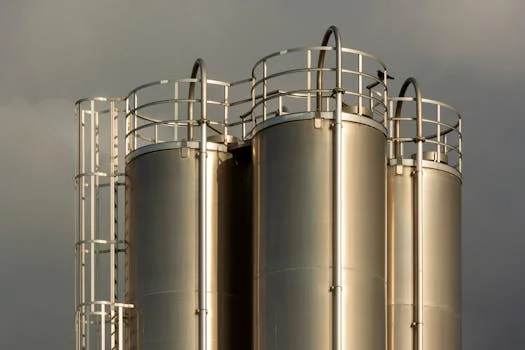
Selecting the appropriate sewage treatment equipment for Multan’s diverse industrial wastewater streams requires a detailed understanding of each technology's performance capabilities, footprint, and energy consumption. DAF systems are highly effective for primary treatment, capable of removing 92–97% of TSS and 60–80% of Fats, Oils, and Greases (FOG) from wastewater flows between 4 and 300 m³/h. These systems are particularly ideal for food processing and textile wastewater, where high concentrations of suspended solids and FOG are common. However, DAF alone often cannot achieve the stringent BOD limits for textile wastewater and typically requires integration with biological treatment.
For advanced treatment, MBR systems (DF series) deliver superior effluent quality, achieving <1 μm filtration and reducing BOD to less than 10 mg/L. This makes MBR technology suitable for applications requiring near-reuse-quality effluent, but it comes with a higher energy demand, typically 30% more than conventional activated sludge systems, primarily due to membrane aeration and permeate pumping. In contrast, conventional activated sludge systems (WSZ series) are robust, handling flow rates from 1–80 m³/h with 85–90% BOD removal. While effective, they require a significantly larger footprint, often 2–3 times greater than MBR systems, which can be a constraint for space-limited industrial facilities in Multan.
Performance Comparison for Multan’s Industrial Wastewater
| Equipment Type | TSS Removal (%) | COD Removal (%) | Footprint (m²/m³/h) | Energy Use (kWh/m³) | CAPEX (PKR/m³/day) |
|---|---|---|---|---|---|
| DAF System | 92–97% | 60–80% | 0.05–0.1 | 0.2–0.4 | 1.2M–1.8M |
| MBR System | >99% | 90–98% | 0.02–0.05 | 0.5–0.8 | 2.0M–2.5M |
| Conventional Activated Sludge | 85–90% | 85–90% | 0.1–0.2 | 0.3–0.5 | 0.8M–1.2M |
Cost Breakdown: Sewage Treatment Equipment in Multan (2025 CAPEX/OPEX Benchmarks)
Understanding the comprehensive cost implications of sewage treatment equipment in Multan, encompassing both Capital Expenditure (CAPEX) and Operational Expenditure (OPEX), is crucial for effective budgeting and long-term financial planning. DAF systems generally present the lowest CAPEX, ranging from PKR 1.2–1.8 million per m³/day of treatment capacity, meaning a 50 m³/h system (1200 m³/day) could cost approximately PKR 15 million for the equipment itself. However, the overall detailed cost breakdown for wastewater treatment plants in Multan must account for installation and associated civil works.
MBR systems, while offering superior effluent quality, have a higher CAPEX, typically between PKR 2–2.5 million per m³/day, placing a 50 m³/h system at around PKR 25 million. MBR systems incur 20–30% higher OPEX compared to conventional systems, largely due to the necessity of membrane replacement every 5–7 years, which is a significant recurring cost. Conventional activated sludge systems offer the lowest CAPEX, from PKR 800K–1.2 million per m³/day, but their OPEX includes substantial sludge disposal costs, which in Multan average PKR 2,000–5,000 per ton. Specific Multan costs also include electricity at approximately PKR 22/kWh, labor for an operator at PKR 30,000/month, and civil works for underground plants at PKR 8,000–12,000/m³.
2025 Cost Benchmarks for Multan
| Equipment Type | CAPEX (PKR/m³/day) | OPEX (PKR/m³) | Installation Cost (PKR) | Annual Maintenance (PKR) |
|---|---|---|---|---|
| DAF System | 1.2M–1.8M | 15–25 | 2M–5M (for 50 m³/h) | 300K–800K |
| MBR System | 2.0M–2.5M | 30–45 | 3M–7M (for 50 m³/h) | 500K–1.2M (excluding membrane) |
| Conventional Activated Sludge | 0.8M–1.2M | 20–35 (incl. sludge) | 1.5M–4M (for 50 m³/h) | 200K–600K |
Punjab NEQS Compliance: How Multan’s Suppliers Meet Discharge Standards
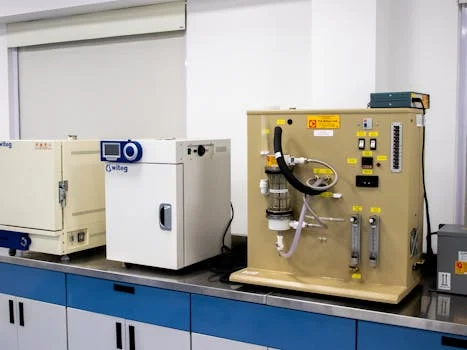
Meeting Punjab NEQS limits is a non-negotiable requirement for industrial facilities in Multan, with strict standards for industrial discharge including BOD < 30 mg/L, TSS < 50 mg/L, and chromium < 2 mg/L (Punjab EPA 2024 guidelines). DAF systems are highly effective for primary treatment and TSS removal, but alone, they often cannot meet the stringent BOD limits required for textile wastewater. These applications typically necessitate subsequent biological treatment, such as MBR or activated sludge, to achieve full compliance.
MBR systems, due to their advanced filtration capabilities, consistently meet NEQS limits for both BOD and TSS without the need for additional tertiary treatment steps. However, for specific industrial effluents like textile wastewater, which can have fluctuating pH levels, MBR systems may still require upstream pH adjustment to maintain optimal biological activity (pH 6–9). Tanneries in Multan, dealing with chromium-laden wastewater, must implement chemical precipitation methods, often using reagents like sodium metabisulfite, to reduce chromium concentrations below the 2 mg/L NEQS limit. Reputable suppliers should offer integrated automatic chemical dosing systems that can precisely manage these treatments. A common compliance gap observed is that 30% of Multan’s textile mills fail NEQS due to inadequate TSS removal, a problem that DAF systems can significantly mitigate, potentially reducing fines by up to 70% when properly integrated into a multi-stage treatment process.
Vendor Evaluation Framework: How to Shortlist Sewage Treatment Equipment Suppliers in Multan
Shortlisting sewage treatment equipment suppliers in Multan requires a structured approach that goes beyond initial cost, focusing on long-term performance, support, and compliance assurance. Technical expertise is paramount; suppliers must provide verifiable effluent quality guarantees, such as "BOD < 30 mg/L for textile wastewater," and present relevant case studies from Multan, like the Pepsi Lays plant, demonstrating their capabilities in similar industrial contexts. After-sales support is a critical factor, especially given that Multan’s industrial zones often lack readily available local technicians. Prioritize suppliers offering 24/7 remote monitoring and a guaranteed 48-hour on-site response time to minimize downtime and prevent compliance breaches.
Customization capabilities are also essential. Wastewater from textile and tannery operations is highly variable, demanding tailored solutions that often combine multiple treatment technologies (e.g., DAF + biological treatment). Avoid suppliers offering generic, one-size-fits-all packages that may not adequately address specific effluent characteristics or regulatory requirements. Finally, lead times for equipment delivery and installation are crucial; Multan’s suppliers typically deliver complete systems in 8–12 weeks. Delays can be costly, potentially incurring PKR 500,000 per month in non-compliance fines, making a supplier’s proven track record for timely project completion a key evaluation criterion.
Supplier Evaluation Matrix
| Criteria | Weight (%) | Vendor A (Score 1-5) | Vendor B (Score 1-5) | Vendor C (Score 1-5) |
|---|---|---|---|---|
| Technical Expertise & Guarantees | 25% | |||
| After-Sales Support & Response Time | 20% | |||
| Customization Capabilities | 20% | |||
| Lead Times & Project Management | 15% | |||
| Cost Competitiveness (CAPEX/OPEX) | 10% | |||
| Local References & Case Studies | 10% | |||
| Total Score | 100% |
Case Study: How a Multan Textile Mill Reduced NEQS Fines by 80% with a DAF + MBR System
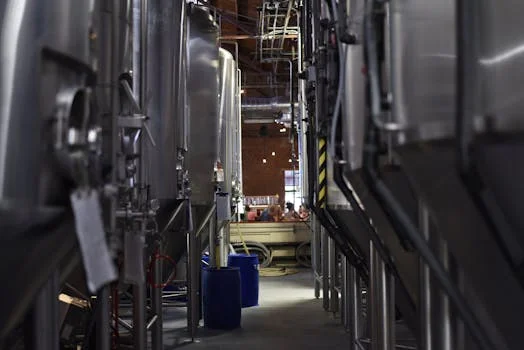
A 50 m³/h textile mill in Multan faced severe financial repercussions, incurring PKR 8 million per year in NEQS fines due to persistently high TSS levels (400 mg/L) and BOD concentrations (1,200 mg/L) in its wastewater discharge. This non-compliance not only drained operational budgets but also posed a significant regulatory risk. To address this critical issue, the mill implemented a comprehensive wastewater treatment solution.
The solution involved installing a DAF system as the primary treatment stage, which achieved a 95% efficiency in TSS removal, effectively bringing suspended solids within manageable limits. Following the DAF system, an MBR system (DF series) was integrated for advanced biological treatment, successfully reducing BOD by 98%. This multi-stage approach ensured the effluent quality consistently met Punjab NEQS limits, with BOD consistently below 30 mg/L and TSS below 50 mg/L. As a direct result, the mill reduced its annual NEQS fines to PKR 1.6 million, marking an 80% reduction. The project demonstrated a payback period of 3.2 years, highlighting the significant return on investment. The local supplier played a crucial role by providing turnkey installation, comprehensive operator training, and continuous 24/7 remote monitoring, ensuring smooth operation and sustained compliance.
Frequently Asked Questions
What is the most cost-effective sewage treatment equipment for Multan’s textile industry?
DAF systems offer the lowest CAPEX, typically PKR 1.2–1.8 million per m³/day, for efficient TSS and FOG removal in textile wastewater. However, for full BOD compliance, integrating DAF with a biological treatment system like MBR or conventional activated sludge is necessary, which increases overall costs but ensures NEQS adherence (refer to the cost breakdown section).
How do I ensure my sewage treatment equipment meets Punjab NEQS limits?
To ensure compliance, regularly test both influent and effluent quality and partner with suppliers who provide explicit compliance guarantees, such as "BOD < 30 mg/L for textile wastewater." A robust vendor evaluation framework should prioritize suppliers with a proven track record in meeting specific Punjab NEQS standards (refer to the compliance section).
What are the hidden costs of sewage treatment equipment in Multan?
Beyond initial CAPEX, hidden costs include sludge disposal, which ranges from PKR 2,000–5,000 per ton in Multan, membrane replacement every 5–7 years for MBR systems, and ongoing electricity consumption, priced at approximately PKR 22/kWh. These operational expenses can significantly impact the total cost of ownership (refer to the cost breakdown section).
How long does it take to install sewage treatment equipment in Multan?
Installation for turnkey sewage treatment systems typically takes 8–12 weeks. Underground plants, such as the WSZ series underground sewage treatment plant for space-constrained facilities, may require an additional 4–6 weeks due to the extensive civil works involved. Lead times and project management capabilities should be a key factor in supplier evaluation (refer to the vendor evaluation section).
Can I reuse treated sewage in Multan’s industrial processes?
Yes, MBR systems are particularly effective at producing near-reuse-quality effluent, often achieving <1 μm filtration. This treated water can be suitable for various industrial applications like cooling towers or irrigation. However, it is essential to always check local regulations and specific discharge standards for treated water reuse in Multan to ensure full compliance.