Why Bahraini Refineries Need a New Wastewater Playbook in 2026
Bahrain's Ministry of Environment (MoE) tightened industrial discharge limits in 2024 to BOD ≤50 mg/L, COD ≤150 mg/L, TSS ≤50 mg/L, TDS ≤2,000 mg/L, and oil & grease ≤10 mg/L for inland disposal, with enforcement escalations through 2026 inspections pushing non-compliant plants into consent-order remediation. The Salwa aquifer sits beneath the entire southern governorate, and its TDS ceiling of 2,000 mg/L means total-dissolved-solids reduction has become a first-order design constraint, not a polishing afterthought. BAPCO's Sitra refinery expansion and the planned Aluminium Bahrain (Alba) Line 7 capacity uplift are simultaneously adding 15–25% incremental wastewater load to the Tubli–Budaiya catchment that already runs above design capacity during summer. Gulf summer ambient conditions (40–48 °C, 80–95% relative humidity) collapse oxygen transfer efficiency in conventional aeration basins by roughly 20–30% versus ISO standard conditions and force membrane cleaning cycles to be cut from the usual 6–9 months down to 3–5 months. For a mid-career engineer writing a CAPEX justification, the defensible position is that a 2024–2026 retrofit is not discretionary — it is a regulatory and operational inevitability.
Influent Characteristics of Bahraini Petrochemical Wastewater
Typical 2024–2026 sampling at Bahraini refinery and petrochemical sites shows COD 800–2,500 mg/L, BOD 250–700 mg/L, TSS 150–600 mg/L, oil & grease 50–400 mg/L, TDS 1,500–8,000 mg/L, sulfides 5–30 mg/L, and phenols 2–20 mg/L, with trace BTEX detected whenever desalter upsets or coker overheads swing. Influent temperature at the WWTP headworks sits at 35–55 °C, pH ranges 6.0–9.5, and intermittent phenol/cyanide spikes coincide with FCC unit regenerator cycles — a 2–4 hour slug that can push influent phenol above 50 mg/L and stall a nitrification basin if the equalization tank is undersized. Springer 2018 GC–MS work on real petrochemical wastewater identified more than 30 distinct organic compounds, with styrene as the dominant recalcitrant species driving membrane-fouling behavior. Summer cross-connections from cooling-tower blowdown add another 30–40% hydraulic load and can spike TDS by 2,000–4,000 mg/L in a single shift, which is why any Bahraini plant specification must be sized on summer-peak flows, not annual averages.
| Parameter | Typical Range | Design Driver |
|---|---|---|
| COD | 800–2,500 mg/L | Biological reactor sizing, MBR flux |
| BOD | 250–700 mg/L | Activated-sludge F/M ratio, aeration |
| TSS | 150–600 mg/L | DAF loading rate, sludge yield |
| Oil & Grease | 50–400 mg/L | DAF skim rate, polymer dose |
| TDS | 1,500–8,000 mg/L | RO recovery, ZLD brine volume |
| Sulfides | 5–30 mg/L | Pre-aeration, odor control |
| Phenols | 2–20 mg/L | AOP polishing, toxicity to biomass |
| Temperature | 35–55 °C | Cooling requirements, membrane material |
The Standard Treatment Train: From DAF to RO
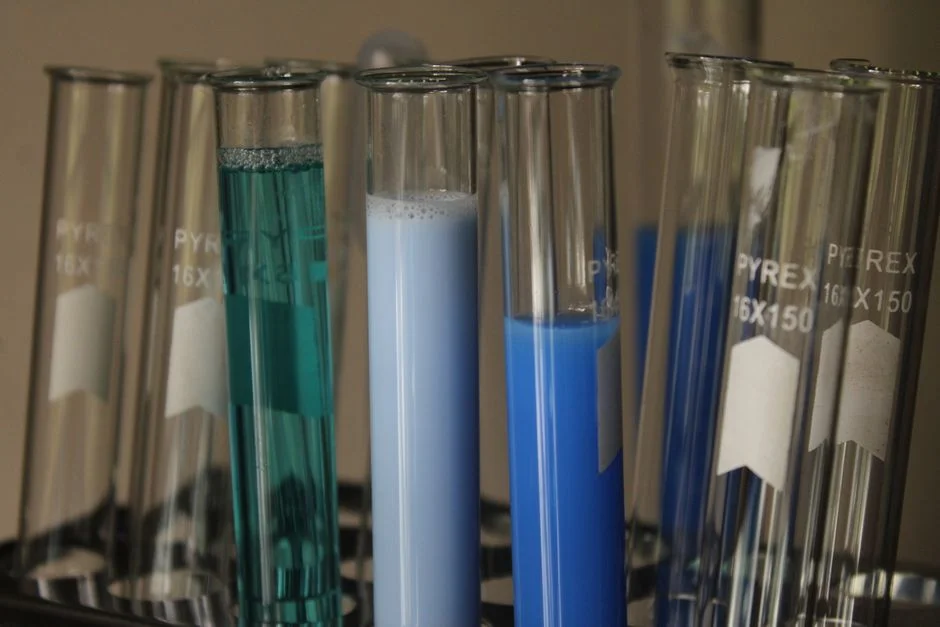
A Bahraini refinery in 2026 is best served by a six-stage train sized for summer-peak flows and designed around 45 °C ambient air. Stage 1 is a DAF system for refinery oil and grease removal, configured across 4–300 m³/h with micro-bubble skimming to target 90–95% oil & grease and 60–80% TSS removal before the water hits biology. Stage 2 is equalization at 8–24 h HRT with pH correction to 6.5–8.0, temperature equilibration below 40 °C where possible, and nutrient dosing (N/P at a 100:5:1 BOD:N:P ratio) to prevent trace-element limitation in downstream biology. Stage 3 is biological treatment: either conventional activated sludge at SRT 20–30 days, or — increasingly the Bahrain default — an integrated MBR system for refinery sidestream biological treatment using DF series 0.1 μm PVDF flat-sheet modules at 80–225 m² per skid, delivering 32–135 m³/day each. Springer 2018 data on real petrochemical wastewater confirms >95% COD removal and >99% styrene removal at HRTs of 12–18 h, with severe transmembrane-pressure fouling once HRT drops to 6 h. Stage 4 is advanced oxidation for the recalcitrant tail; the Springer 2024 ozone-persulfate (O3-PMS) work achieved 70% COD and 79.3% TOC removal at 10 mg/L ozone + 0.02 mol/L persulfate + Fe²⁺:Cu²⁺ at 1:2 in 2 hours of contact time. Stage 5 is an industrial RO polishing skid for reuse or TDS-compliant discharge, operating at 75–95% recovery with permeate TDS typically below 50 mg/L — well within the cooling-tower or boiler-feed envelope. Optional Stage 6 is brine concentration and crystallization for zero liquid discharge where aquifer-protection thresholds are tight or where reuse targets exceed 95% of the influent flow.
| Stage | Unit Operation | Key Performance Target |
|---|---|---|
| 1 | DAF | 90–95% O&G, 60–80% TSS removal |
| 2 | Equalization + pH correction | 8–24 h HRT, pH 6.5–8.0 |
| 3 | Activated sludge or MBR (DF series) | >95% COD, >99% styrene at 12–18 h HRT |
| 4 | O3-PMS advanced oxidation | 70% COD, 79.3% TOC in 2 h |
| 5 | Reverse osmosis | 75–95% recovery, permeate TDS <50 mg/L |
| 6 (optional) | Brine concentrator / crystallizer | ZLD for aquifer-sensitive sites |
2026 CAPEX and OPEX Benchmarks for Bahrain
Installed CAPEX for a complete DAF + MBR + RO train in the 2026 Gulf market runs USD 1,800–3,200 per m³/day of capacity for plants sized 100–1,000 m³/day, with a 20–35% step-down for plants above 2,000 m³/day (HydropureWater field data, 2026). OPEX sits at USD 0.35–0.70 per m³ treated, dominated by power consumption of 0.6–1.2 kWh/m³ and chemical dosing for the DAF polymer, MBR cleaning, antiscalant, and CIP. A typical breakdown is electricity 35–45%, chemicals 20–25%, membrane replacement every 5–7 years at 10–15%, labor 10–15%, and sludge disposal 10–15%. The economic case tightens once you price the water reuse offset: RO permeate valued at USD 0.40–0.80 per m³ displaces purchased utility water at USD 1.20–2.00 per m³, yielding a 3–6 year simple payback in Bahraini refineries (HydropureWater field data, 2026). Expect Bahrain-specific cost premiums of +8–12% for ambient-temperature-rated equipment (insulation on bioreactors, oversized blowers, white-reflective membrane housings), +5% for chloride-resistant SS316L wetted parts to handle TDS excursions, and roughly +3% in logistics versus the GCC average because most major skids ship from Asia or Europe via Dammam or Khalifa Bin Salman port.
| Cost Line | 2026 Gulf Benchmark | Notes |
|---|---|---|
| CAPEX, full train (100–1,000 m³/day) | USD 1,800–3,200 per m³/day | Skid-mounted, installed |
| CAPEX, full train (>2,000 m³/day) | USD 1,170–2,560 per m³/day | 20–35% scale benefit |
| OPEX (all-in) | USD 0.35–0.70 per m³ | Power 0.6–1.2 kWh/m³ |
| RO permeate value (offset) | USD 0.40–0.80 per m³ | Displaces utility water at USD 1.20–2.00 |
| Payback window | 3–6 years | Refinery / petrochemical sites |
| Bahrain cost premium | +8 to +12% | Ambient + chloride ratings |
Vendor and Technology Selection Framework
Shortlist vendors against six weighted criteria: Bahrain MoE compliance track record (25%), DF series PVDF flat-sheet MBR modules quality and five-year replacement cost (20%), GCC service footprint with stock membrane inventory (15%), integrated MBR + RO skid delivery on a single performance warranty (15%), reference plants operating in refineries or petrochemical facilities above 40 °C ambient (15%), and CAPEX/OPEX transparency with line-item pricing (10%). Red flags to screen out: vendors quoting only activated sludge with no tertiary membrane step, vendors unable to guarantee TDS below 2,000 mg/L at the discharge point, and any supplier without at least one operating reference plant above 40 °C ambient. An integrated, GCC-shipped scope from a single OEM shortens lead time by 8–14 weeks versus European-built skids that route through Jebel Ali or transit Suez. Insist on a 12-month performance warranty with liquid-damages clauses tied to COD, TDS, and oil & grease compliance — not just equipment uptime — and tie a PLC-controlled chemical dosing system for pH, coagulant, and nutrient adjustment into the same SCADA package so audit trails land in one historian.
24-Month Retrofit and Greenfield Roadmap
Months 1–3: run a 12-week influent characterization campaign covering weekday/weekend and summer/winter sampling, hold the MoE pre-permit consultation, and lock the CAPEX budget at board level. Months 4–9: complete detailed engineering, issue the RFP to a 3–4 vendor shortlist, and award the DAF + MBR + RO package. Months 10–18: fabrication in the OEM yard, shipping, and parallel civil/structural works at site — coordination here saves 8–12 weeks. Months 19–22: mechanical installation, commissioning with vendor field engineers, and operator training on the MBR and RO skids. Months 23–24: 30-day performance test against the MoE discharge limits, certification submission, and the RO permeate reuse handover to the cooling-tower or boiler-feed system. For full context on the reuse economics, the 2026 industrial water reuse outlook covers GCC payback benchmarks, and the 2026 reverse osmosis for wastewater reuse process and ROI guide walks through the membrane sizing math in detail. If you are also evaluating digital optimization, the 2026 AI process control trends in wastewater treatment article is a useful cross-check on aeration and CIP savings.
Frequently Asked Questions
What are the 2024 Bahrain MoE discharge limits for petrochemical effluent?
For inland disposal, the 2024 Bahrain Ministry of Environment industrial effluent decree sets BOD ≤50 mg/L, COD ≤150 mg/L, TSS ≤50 mg/L, TDS ≤2,000 mg/L, and oil & grease ≤10 mg/L. Discharge to marine outfalls follows a separate, slightly more lenient schedule, but the Salwa aquifer ceiling of 2,000 mg/L TDS still drives design whenever reuse or aquifer recharge is in scope.
What is the minimum treatment train for a Bahraini refinery in 2026?
DAF for oil and TSS removal, equalization with nutrient dosing, biological treatment (MBR preferred for footprint and effluent quality), and RO polishing for reuse or TDS compliance. AOP (O3-PMS) is added when influent COD exceeds 1,500 mg/L or when phenols/styrene persist after the MBR.
How hot is too hot for an MBR in Bahrain?
PVDF flat-sheet modules tolerate mixed-liquor temperatures up to 45 °C continuously; above that, membrane integrity declines and cleaning cycles shorten dramatically. Summer ambient of 40–48 °C means bioreactor cooling or influent tempering is mandatory for biological trains, and MBR halls should be HVAC-controlled or shaded.