Why Tea Processing Wastewater Is Harder Than It Looks
A tea processing wastewater treatment system is an engineered train of screening, equalization, dissolved air flotation (DAF), biological treatment (MBR or MBBR), and polishing/reverse osmosis that reduces typical tea effluent from 1,500–6,000 mg/L COD and 800–3,500 mg/L BOD down to reuse-quality permeate below 50 mg/L COD, while stripping tannins, color, and suspended solids. In 2026 most 5–50 m³/h tea-plant systems are specified as MBR + RO hybrids with 75–90% water recovery, displacing conventional activated sludge.
The reason a packaged sewage plant fails on tea effluent is the combination of organic strength, tannin chemistry, and temperature. A 30-ton/day CTC line generates flows with 1,500–6,000 mg/L COD, 800–3,500 mg/L BOD, 200–600 mg/L TSS, pH 4.0–6.5 from tannin-driven acidity, and temperature 35–60 °C from hot extraction and drying condensate. Color runs 500–2,500 Pt-Co units — visibly dark, polyphenol-laden, and resistant to conventional biological breakdown. Tannin concentrations of 50–400 mg/L inhibit nitrifiers and bind proteins, which is why municipal treatment trains underperform when tea effluent is co-discharged.
The unit operations that produce this stream are not interchangeable. Withering and rolling wash water carries leaf fragments and surface polyphenols; fermentation effluents are warm, acidic, and high in dissolved organics; drying condensate is hot but low in solids; decaffeination streams add solvent residues; and RTD-tea bottling rinse water is dilute but high in volume. Seasonal harvest creates 2–4× flow spikes that hydraulic and biological stages must be sized for, and tannin corrosion rules out carbon steel — SS304/316 and FRP are the practical material choices. Generic sewage equipment, designed for settled domestic sewage, simply is not built for this load envelope.
Tea Wastewater Influent and Effluent Targets for 2026
Before specifying unit operations, a process engineer needs the numbers that define the design envelope. The table below consolidates typical tea-processing influent concentrations against the 2026 China GB 8978-1996 Class 1 discharge limits, equivalent EU food-sector thresholds, and a reuse target that meets boiler feed, CIP, and irrigation demand. Local Indian CPCB, Sri Lankan CEA, and Kenyan KEBS limits generally track these figures within ±20%, so a system specced to ≤50 mg/L COD reuse will pass most jurisdictions (per the comparative review of tea-industry discharge norms in Orion's 2025 process overview).
| Parameter | Influent (typical, mg/L) | Discharge limit (GB 8978-1996 Class 1 / EU) | Reuse target (mg/L) | Reduction % |
|---|---|---|---|---|
| COD | 1,500–6,000 | ≤100 | ≤50 | 97–99 |
| BOD₅ | 800–3,500 | ≤30 | ≤10 | 98–99.7 |
| TSS | 200–600 | ≤70 | ≤5 | 97–99 |
| Tannins (as tannic acid) | 50–400 | ≤10 (sector draft, 2026) | ≤5 | 90–99 |
| Color | 500–2,500 Pt-Co | ≤50 Pt-Co | ≤30 Pt-Co | 94–99 |
| pH | 4.0–6.5 | 6.0–9.0 | 6.5–8.5 | — |
| Temperature | 35–60 °C | ≤40 °C | ≤30 °C | — |
The 2026 revision cycle in China is tightening tannin and color limits for the food-and-beverage sector, with draft thresholds near 10 mg/L tannin and 50 Pt-Co for direct discharge. For plants that export finished tea to the EU, the WHO aesthetics criteria for irrigation and the EU 91/271/EEC urban wastewater annex set the practical floor — designing to the strictest applicable standard eliminates the need for retrofits when regulations move.
Process Flow: From Screening to Reuse-Quality Permeate
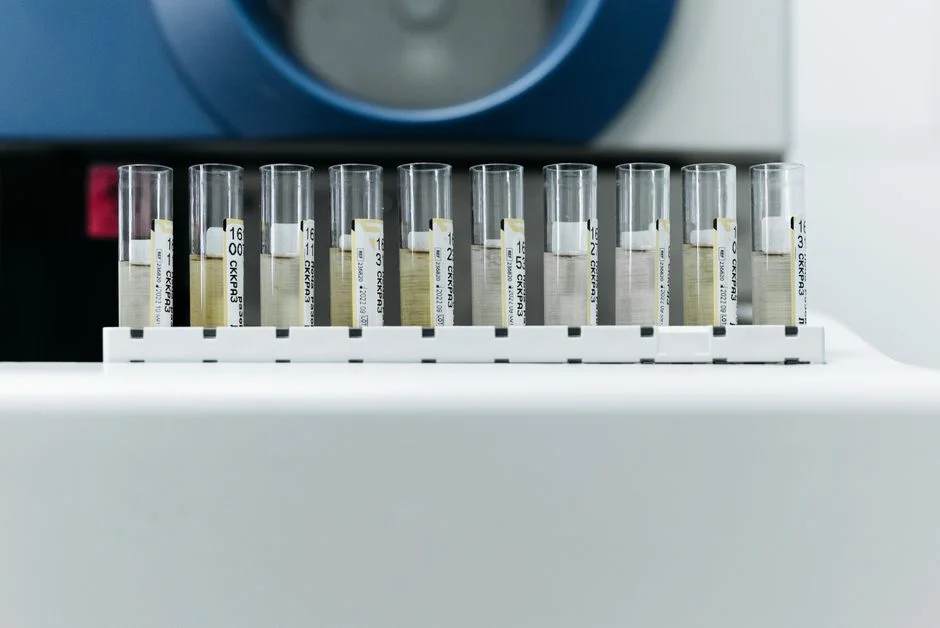
The six-stage train below maps each contaminant to a specific unit operation, with parameter targets at every arrow so the engineer can translate this directly into a PFD.
Stage 1 — Coarse screening. A GX series rotary mechanical bar screen with 5–10 mm aperture removes leaves, stems, and packaging debris before the lift station. Headloss stays below 250 mm at peak flow, and the screen protects downstream centrifugal pumps from ragging.
Stage 2 — Equalization. An 8–24 h HRT buffer sized at 60–100 m³ per ton of daily tea processed homogenizes flow and load. Aeration drops incoming temperature from 35–60 °C toward 30 °C, and an automatic chemical dosing system delivering 10% NaOH raises pH from the 4.0–6.5 tannin-acid range up to 6.8–7.2, which is the operating window for downstream DAF and biological stages.
Stage 3 — Dissolved air flotation. A dissolved air flotation system operating at 4–6 bar saturation pressure and 15–25 min retention strips suspended solids, colloidal tannins, and emulsified oils. Typical food-industry DAF performance is 60–85% TSS removal and 30–50% COD removal, which is enough to knock the front-end load down to a range the bioreactor can metabolize without shock loading.
Stage 4 — Biological treatment. This is the load-removal workhorse. An integrated MBR membrane bioreactor system using DF series PVDF flat sheet MBR module with 0.1 μm pore size delivers the highest effluent quality and roughly 60% smaller footprint than CAS — the 2026 default for any tea plant pursuing water reuse. Operating at MLSS 8,000–12,000 mg/L and 6–10 h HRT, the MBR pushes effluent to ≤40 mg/L COD and ≤1 mg/L TSS, comfortably below reuse thresholds.
Stage 5 — Polishing and disinfection. For reuse loops, an industrial RO system with 75–95% recovery takes MBR permeate down to ≤50 mg/L COD, ≤5 mg/L TDS, and a conductivity below 50 µS/cm — suitable for boiler feed, CIP rinse, and estate irrigation. For discharge-only sites, a multimedia sand filter followed by a chlorine dioxide generator delivering 0.5–1.0 mg/L ClO₂ residual meets GB 8978-1996 Class 1 fecal coliform limits.
Stage 6 — Sludge handling. DAF float and waste activated sludge are thickened in a gravity belt thickener, then dewatered via a plate-and-frame filter press to 22–28% dry solids. Cake goes to composting or co-firing; filtrate returns to the head of the plant.
Choosing Between MBR, MBBR, and CAS for Tea Effluent
The biological stage is the single largest line item in a tea wastewater CAPEX, and the choice between MBR, MBBR, and conventional activated sludge is driven by flow rate, reuse intent, and land availability. The comparison matrix below is calibrated to typical tea-effluent operating envelopes.
| System | Effluent COD (mg/L) | Effluent TSS (mg/L) | Footprint (relative) | HRT (h) | CAPEX index | OPEX index | Best for |
|---|---|---|---|---|---|---|---|
| CAS | ≤80 | ≤30 | 1.0× (largest) | 12–24 | 0.7× (lowest) | 1.0× | ≤5 m³/h plants, discharge only |
| MBBR | ≤60 | ≤20 | 0.7× | 8–16 | 0.85× | 0.8× (no sludge recycle issues) | 5–20 m³/h plants, variable load |
| MBR | ≤40 | ≤1 (per 0.1 µm PVDF spec) | 0.4× (60% smaller than CAS) | 6–10 | 1.2× (highest) | 0.9–1.0× | ≥10 m³/h plants, any reuse loop |
For 2026 tea plants ≥10 m³/h pursuing water reuse, MBR is the default — the high MLSS tolerates tannin-driven load swings, the membrane barrier protects against washout during peak harvest, and the effluent quality unlocks RO without intermediate polishing. MBBR is the cost-optimized choice for discharge-only sites in the 5–20 m³/h range, especially where operator skill is limited and sludge handling infrastructure is minimal. CAS remains viable only at small sites with stable flows and no reuse requirement; the 2–4× seasonal flow spike described in Orion's process overview tends to wash out the clarifier, which is the most common failure mode for under-sized CAS units on tea effluent.
Discharge, Reuse, or Zero Liquid Discharge — Which Path Fits 2026?
The end-of-pipe decision is no longer purely regulatory — in water-stressed tea regions it is a boardroom question. The matrix below maps three discharge strategies against CAPEX, recovery, and trigger conditions.
| Strategy | Water recovery | CAPEX index | OPEX ($/m³) | Trigger conditions (2026) |
|---|---|---|---|---|
| Discharge (MBR alone) | 0% | 1.0× | 0.45–1.10 | Low freshwater cost, no reuse mandate |
| Reuse (MBR + RO) | 75–90% (up to 95% with two-pass RO) | 1.5–1.8× | 0.70–1.40 | Discharge fees >$0.50/m³ or freshwater scarcity |
| Zero liquid discharge (MBR + RO + evaporator/crystallizer) | 95–99% | 3.5–5.5× | 1.80–3.50 | Discharge cost >$2/m³ and freshwater cost >$1.5/m³, or moratorium on new brine discharge lines |
ZLD combines filtration, evaporation, and condensation to recover almost all water and convert dissolved salts to a solid cake for disposal or reuse (per the sustainability review cited in the SERP). The 2026 trigger conditions for ZLD — discharge cost above $2/m³ combined with freshwater cost above $1.5/m³, or active regulatory moratoriums on brine discharge — are already met in inland Sri Lanka, Rajasthani tea blending facilities, and Yunnan's highland factories. Evaporator energy runs $0.05–$0.12 per liter evaporated, dominated by steam or mechanical vapor recompression power; the industrial RO system with up to 95% recovery is the reuse-enabling step that brings brine volume down to a size the crystallizer can handle economically. Most 5–50 m³/h tea plants in 2026 will land on the reuse configuration, with ZLD reserved for sites where discharge is no longer an option.
2026 CAPEX and OPEX Benchmarks for a Tea Processing Wastewater Treatment System
Procurement teams need a defensible budget envelope before they can take a CAPEX line to management. The table below is a 2026 budgetary estimate only — site-specific tariffs, soil conditions, and local fabrication costs will shift the numbers, but the ratios hold for budgetary planning.
| System configuration | Capacity | CAPEX (USD) | OPEX ($/m³ treated) | Dominant OPEX driver |
|---|---|---|---|---|
| MBBR + CAS, discharge only | 5 m³/h | 80,000–180,000 | 0.30–0.65 | Electricity 50–60% |
| MBR, discharge only | 10–50 m³/h | 180,000–420,000 | 0.45–1.10 | Electricity 55–65%, membrane replacement 10–15% |
| MBR + RO, reuse | 10–50 m³/h | 260,000–650,000 | 0.70–1.40 | Electricity 55–65%, membrane replacement 10–15%, RO CIP chemicals 8–12% |
| Full ZLD (MBR + RO + evaporator) | 10–50 m³/h | 900,000–2,200,000 | 1.80–3.50 | Thermal energy 60–70% |
Sludge disposal runs $40–$130 per metric ton in 2026 (per the sludge disposal cost per ton 2026 reference), and that line is often the second-largest operating cost after electricity. A 20 m³/h MBR+RO reuse plant typically generates 1.5–2.5 tons of dewatered cake per day, which puts sludge handling in the $2,200–$11,700/month range depending on the disposal route. A 1-line caveat: these figures are 2026 budgetary estimates for planning only — site-specific wastewater surcharges, power tariffs, and membrane life will move the OPEX band by 15–25% in either direction.
Compliance, Automation, and the 2026 Operating Reality
Designing to the strictest applicable standard is the cheapest path through 2026 compliance. China GB 8978-1996 Class 1, EU 91/271/EEC food-sector annex, and India CPCB tea-industry norms can all be met by a single MBR+RO train specced to ≤50 mg/L COD reuse. PLC/DCS automation with 4G telemetry is now standard on any plant above 5 m³/h — daily BOD, COD, TSS, pH, and flow logging are auditable from a remote dashboard, which is the operating reality boards and insurers expect (per the PLC control for food processing wastewater engineering guide). Heavy-metals and pesticide-residue online monitoring is increasingly required for tea effluents because tea leaves accumulate agrochemicals upstream of the factory; the heavy metals online monitoring guide walks through sensor selection, calibration intervals, and data integration with the plant SCADA. Long-term, the water reuse 2026 outlook points to rising freshwater tariffs and tightening brine-discharge rules as the two forces that will push most tea processors from discharge to reuse within the next planning cycle.
Frequently Asked Questions
What COD and BOD reduction can a tea processing wastewater treatment system achieve? A properly sized DAF + MBR + RO train removes 95–98% of influent COD, with effluent consistently below 50 mg/L COD and below 10 mg/L BOD. Total system COD reduction across the train typically runs 97–99% from raw influent to RO permeate.
Should I choose MBR or MBBR for my tea plant? MBR is the right choice for plants ≥10 m³/h that need water reuse or have tight discharge limits; it delivers ≤40 mg/L COD and ≤1 mg/L TSS in a 60% smaller footprint than CAS. MBBR is more cost-effective for 5–20 m³/h discharge-only sites with variable load and limited operator capacity.
Is RO permeate from tea wastewater safe for reuse? Yes. RO permeate from an MBR + RO system meets WHO drinking-water aesthetics criteria for color, odor, and TDS, and is suitable for boiler feed, CIP rinse, and garden irrigation at tea estates. Conductivity is typically below 50 µS/cm and turbidity below 0.5 NTU.
How are tannins removed from tea factory effluent? The DAF stage strips 30–50% of influent tannins with the float, and the MBR metabolizes the remaining biodegradable fraction. A downstream activated-carbon polisher or the RO membrane itself drops total tannins from 50–400 mg/L down to below 5 mg/L in the final permeate.
What is the CAPEX for a 20 m³/h tea processing wastewater treatment system in 2026? A 20 m³/h MBR + RO reuse configuration typically lands in the $220,000–$380,000 CAPEX range in 2026, with OPEX of $0.70–$1.40/m³ depending on power tariffs and membrane life. Add 30–50% for full ZLD with evaporator and crystallizer.