What Phosphating Wastewater Contains and Why ZLD Applies
Phosphating zero liquid discharge combines chemical precipitation, multimedia filtration, and reverse osmosis (RO) at 75–95% recovery with a mechanical vapor recompression (MVR) or thermal evaporator/crystallizer that produces a reusable distillate and a solid phosphate salt cake. A 20 m³/d phosphating line typically requires CAPEX of $0.8M–$2.5M and OPEX of $8–$22 per m³ treated, depending on influent phosphate load and the evaporator's energy source. A plant manager evaluating this retrofit will hit a permit wall first: conventional discharge of phosphate conversion coating wastewater to a municipal sewer or surface water is becoming uneconomical under tightening effluent limits.
Three commercial phosphating chemistries dominate the metal-finishing sector. Iron phosphating operates at 40–60 °C and is used for paint adhesion on appliances and general steel. Zinc phosphating runs at 60–80 °C and is the workhorse of automotive pre-treatment, with a typical bath formulation of 1.5–2.5 g/L Zn²⁺, 15–25 g/L PO₄, and 0.5–2.0 g/L free fluoride/nitrate accelerators. Manganese phosphating is the highest-temperature bath at 85–95 °C and is reserved for wear-resistant coatings on engine and gearbox components. Across all three, the rinse water dragged out of the process tank carries the bath chemistry into the wastewater stream at concentrations an order of magnitude below bath strength but still far above discharge limits.
Typical phosphating rinse-water loadings, drawn from industry-typical engineering ranges, are: PO₄ 50–500 mg/L, Zn 20–200 mg/L, Fe 5–100 mg/L, TSS 1,000–5,000 mg/L, pH 2–6, and temperature 25–45 °C. Accelerated zinc-phosphating baths add co-contaminants that complicate any ZLD design: free fluoride at 50–500 mg/L, nickel at 5–50 mg/L from the nickel-based accelerators used for coating weight control, and nitrate at 200–1,500 mg/L when nitric-acid pickles are tied into the same drain. None of the top-ranking pages on this topic quantify these influent loadings, which is the first gap a defensible vendor discussion has to close.
Conventional discharge is being priced out by regulation. Chinese GB 8978-1996 Class I sets PO₄ at ≤0.5 mg/L for surface-water recipients, and the EU IPPC BREF BAT-AEL for the surface treatment of metals tracks a similar trajectory of tightening limits on phosphate, zinc, and nickel. Zero liquid discharge means no effluent leaves the plant boundary — every liter is either reused inside the process or converted to a solid, which is why plants in water-stressed basins or under non-renewable permits are moving from "treat and discharge" to "treat, recover, and crystallize."
Phosphating ZLD Process Train: From Rinse Water to Reusable Distillate
A working metal finishing zero liquid discharge train is a six-stage flow with two recycle loops and one solid exit. Each stage has a defined removal target, and the recovery rates at each step determine whether the OPEX pencil out.
Stage 1 — Equalization and pH adjustment. The phosphating rinse drain enters an equalization tank sized for 8–24 hours of residence, then NaOH or Ca(OH)₂ is dosed to pH 8.5–9.5. This precipitates the bulk of the phosphate as zinc phosphate (Ksp ≈ 9 × 10⁻³³) and the heavy metals as hydroxides. Lime is cheaper per kg but generates 2–3× more sludge; NaOH is cleaner but adds roughly $0.30–$0.60 per m³ treated in chemical cost.
Stage 2 — Coagulation and clarification. Polyaluminum chloride (PAC) at 50–200 mg/L plus anionic polyacrylamide at 1–5 mg/L is dosed through an automatic chemical dosing skid, then sent to a dissolved air flotation system or a lamella clarifier. Target is TSS below 50 mg/L before the filter step.
Stage 3 — Multimedia filtration. A sand + activated-carbon filter polishes the clarifier effluent to a Silt Density Index below 5, which is the RO feed-water spec for thin-film composite polyamide membranes. Without this step, the RO membranes foul in weeks rather than years.
Stage 4 — Reverse osmosis. A brackish-water industrial RO system running at 10–30 bar delivers 75–95% recovery. The permeate (typically <50 mg/L TDS) returns to the rinse stage, and the 5–25% reject stream goes forward to the evaporator. This is the workhorse of the train — 80% of the water volume is recovered here before any thermal step.
Stage 5 — Evaporative crystallization. An MVR or multi-effect evaporator takes the RO reject and produces >99% water recovery, leaving a 5–15% TDS slurry. Distillate returns to the process. The MVR electrical draw is 0.06–0.12 kWh/L distillate; MEE thermal draw is 0.3–0.5 kg steam per liter.
Stage 6 — Sludge dewatering. The clarifier underflow and the crystallizer slurry are dewatered on a plate-and-frame filter press to a non-hazardous cake at 8–15% moisture, suitable for landfill or, where the bath chemistry supports it, soil-amendment use. CPVC, FRP, or higher-grade plumbing is required on all hot process-tank and evaporator loops — the same material spec confirmed for phosphating service where high bath temperatures would otherwise destroy PVC components.
The recycle loops are what make this an economically viable ZLD rather than an expensive discharge: RO permeate returns to the rinse stage, evaporator distillate returns to the process, and the only consumable make-up is the small NaOH or Ca(OH)₂ dose plus the antiscalant.
Reverse Osmosis Recovery Rates and Pretreatment Requirements
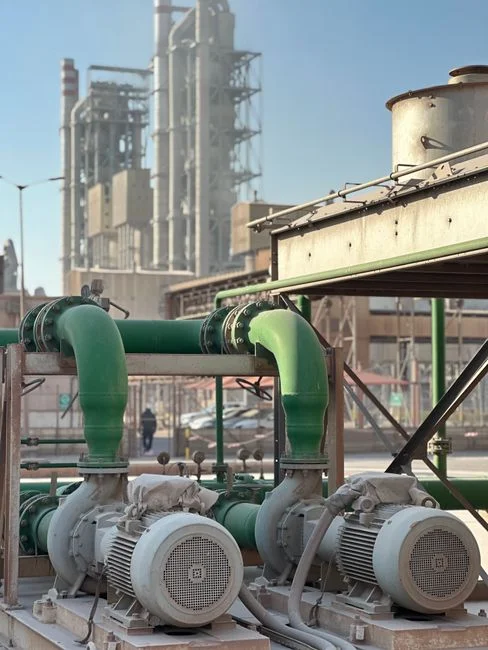
RO is the workhorse of phosphating zero liquid discharge because it does the heavy lifting on water volume before any energy-intensive thermal step. The ceiling recovery rate depends on the feed chemistry: 75–85% for iron and manganese phosphating feeds where silica and iron fouling are aggressive, and 85–95% for zinc phosphating with proper pretreatment. Pushing recovery above 90% on a zinc-phosphating feed risks calcium phosphate and zinc hydroxide scaling on the tail elements, which collapses flux within days.
Typical rejection rates for thin-film composite polyamide membranes on phosphating feeds: PO₄ 95–99%, Zn 96–99%, Fe 96–99%, conductivity 95–98%. The combined RO + pretreatment train typically removes >99% of the multivalent ions before the evaporator sees them, which is what keeps the crystallizer from being overwhelmed with a hard-to-boil brine.
Antiscalant dose is mandatory at 2–10 mg/L, with feed pH adjusted to 6.5–7.0 to keep calcium phosphate below its solubility limit. For plants that add a biological pretreatment step to knock down TOC from the surfactant drag-out, submerged MBR PVDF membranes with 0.1 µm nominal pore size are a sensible fine-polish step before the RO. CIP every 7–14 days with acidic and alkaline detergents is standard; without it, membrane life drops from the typical 3–5 years to under 18 months. A 20 m³/d plant should budget one RO membrane replacement per 3–5 years at roughly $15K–$30K per changeout.
Evaporative Crystallization: The Step That Makes ZLD Truly 'Zero'
High-reuse RO alone gets you to 75–95% recovery and a concentrated reject — that is not ZLD. The thermal step is what closes the loop. Two technologies compete for this duty in MVR evaporator phosphating service.
Mechanical vapor recompression (MVR) uses 0.06–0.12 kWh/L distillate of electrical energy and is the preferred choice where electricity is cheaper than steam. A modern MVR skid with a 30–50 kW compressor on a 20 m³/d feed will draw roughly 1.2–2.4 MWh per day. Multi-effect evaporation (MEE) consumes 0.3–0.5 kg steam per liter of distillate and makes sense at sites with a waste-heat source or a low-pressure steam header that the plant is already paying for.
Evaporator geometry matters. Falling-film evaporators handle the low-viscosity RO reject below 5% TDS without fouling. Once the slurry reaches 15–25% TDS, forced-circulation is required to keep tube-wall velocity high enough to prevent salt deposition. Most 20 m³/d ZLD plants run a falling-film MVR for the bulk evaporation step and a smaller forced-circulation crystallizer for the final concentration to the 8–15% moisture cake.
The crystallizer produces a mixed sodium/calcium phosphate or zinc phosphate cake at 8–15% moisture. The wash water from the centrifuge or filter press (typically 1–3% of the evaporator feed) recycles back to the RO feed tank rather than going to drain. Operator labor on a skid-mounted MVR is roughly 0.5 FTE per 20 m³/d plant: the unit runs unattended with CIP every 7–14 days, and the compressor is the main moving part. Vessel life is 15–20 years; compressor life is 7–10 years, and it is the main mid-life capex item to budget for.
Phosphating ZLD Cost Model: A 20 m³/d Reference Plant
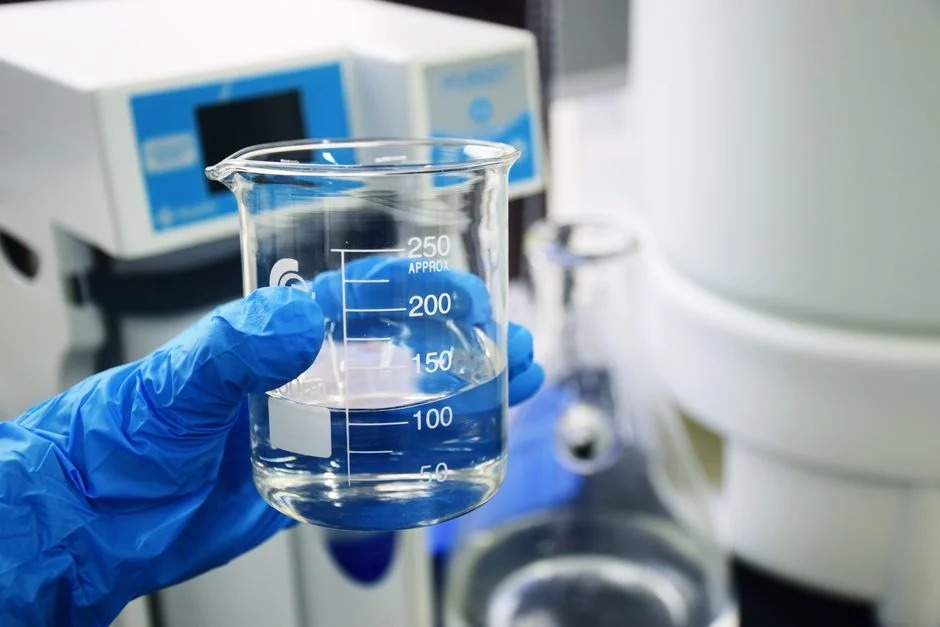
The table below is a 2026 engineering-typical benchmark for a 20 m³/d phosphating rinse line. The ranges reflect the spread between a skid-mounted Chinese-supplied plant and a fully engineered Western install with extensive building works. No SERP source cites phosphating ZLD costs; treat these as defensible industry-typical estimates that should be calibrated against vendor quotes.
| Item | Range (USD) | Notes |
|---|---|---|
| Equalization + DAF or lamella clarifier | $80K–$180K | Includes tanks, pumps, scraper |
| Sand + carbon multimedia filtration | $40K–$90K | FRP vessels, automatic backwash |
| RO skid (75–90% recovery) | $120K–$300K | Energy recovery device included |
| MVR evaporator + crystallizer | $350K–$1.2M | Largest single line item; compressor is the cost driver |
| Filter press for sludge | $60K–$150K | Plate-and-frame, 5–10 m³/h capacity |
| Automation, instrumentation, building | $100K–$300K | PLC + HMI, 200–400 m² footprint |
| Installation and commissioning | 25–35% of equipment | Piping, electrical, commissioning labor |
| Total CAPEX | $0.8M–$2.5M | 2026 benchmark, 20 m³/d phosphating ZLD |
OPEX is dominated by energy, chemicals, and membrane replacement. Typical consumption per m³ treated: electricity 0.4–0.8 kWh/m³ (RO + MVR combined), NaOH or Ca(OH)₂ 0.5–1.5 kg/m³, antiscalant 0.02–0.05 kg/m³, antifoam 0.01–0.03 kg/m³, RO membrane replacement amortized over 3–5 years, evaporator CIP chemicals, and 0.5 FTE operator. Total OPEX lands at $8–$22 per m³ treated depending on local energy cost and influent phosphate load.
Byproduct credit is conditional, not guaranteed. A phosphate or zinc phosphate cake that meets local land-application criteria can offset 10–25% of OPEX if a downstream taker exists, but a landfill-disposal-only site captures none of that value. Payback against a conventional treatment-plus-discharge baseline is typically 3–6 years, driven by fresh-water savings, avoided discharge fees, and the strategic value of holding a non-discharge permit — but only when discharge fees exceed $5/m³ or the site sits in a water-stressed basin. Plants in the southwest US, northern China, and the Mediterranean routinely clear that threshold; plants in water-rich low-fee jurisdictions do not.
When Phosphating ZLD Makes Sense — and When It Doesn't
ZLD is a defensible CAPEX commitment under four conditions, and a wasteful one under three others. The decision tree is straightforward.
ZLD is justified when: influent PO₄ exceeds 300 mg/L (the threshold above which crystallization energy is offset by reduced chemical consumption); the site has no surface-water discharge option and the municipal sewer has either capped capacity or refuses phosphate-laden streams; local water tariffs are above $1.5/m³; or the regulator is moving toward zero-discharge permits — the direction of travel that is reshaping the 2026 industrial water-reuse market.
ZLD is overkill when: the phosphating line is under 2 m³/d, where a small evaporation skid plus a low-volume sewer-permitted drain is simpler; the plant holds a permitted drain with adequate hydraulic and load capacity; or a local fertilizer or animal-feed producer will take the liquid concentrate as a feedstock, which displaces the evaporator entirely. As a rule of thumb, if conventional treatment plus discharge plus freshwater purchase exceeds $6–$10/m³, ZLD becomes economically competitive with a 3–5 year payback. Below that threshold, a high-reuse RO loop alone — typically 85–95% recovery with permeate to rinse and concentrate to a permitted drain — is the better engineering bet.
Frequently Asked Questions
What influent phosphate concentration makes ZLD necessary? Phosphating rinse water typically runs 50–500 mg/L PO₄. Crystallization pays for itself above 300 mg/L because the higher solids loading reduces evaporator specific energy and improves the cake dewatering economics. Below 150 mg/L, the evaporator runs at low throughput and the OPEX per m³ rises sharply.
How much does a phosphating ZLD system cost per cubic meter of treated water? OPEX lands at $8–$22 per m³ treated for a 20 m³/d plant. The main drivers are electricity cost (0.4–0.8 kWh/m³ for RO plus MVR), NaOH or lime dose (0.5–1.5 kg/m³), membrane replacement every 3–5 years, and 0.5 FTE operator labor.
Can ZLD produce reusable water for the phosphating rinse stage? Yes. RO permeate is typically below 50 mg/L TDS and is suitable for direct rinse reuse; evaporator distillate is below 10 mg/L TDS and meets any process water spec, including closed-loop heating and cooling make-up.
What happens to the phosphate in a ZLD system? It exits as a calcium or sodium phosphate solid cake from the filter press at 8–15% moisture. The cake is either landfilled as non-hazardous waste or, where the bath chemistry and local regulations allow, sold as a soil amendment or fertilizer feedstock.
How long does an MVR evaporator last in phosphating service? The pressure vessel runs 15–20 years; the compressor runs 7–10 years. Life is determined mainly by CIP discipline, antiscalant dose control, and the avoidance of chloride-bearing feeds that would stress the stainless-steel components.
Related Equipment
- industrial RO system — specifications, capacity range, and technical data