2026 Membrane Technology Market at a Glance
The global membrane technology market is projected to reach USD 38–42 billion in 2026, growing at a 7.5–8.5% CAGR from a 2024 base year (Grand View Research, Membrane Technology Market, 2024 base year; methodology consistent with the adjacent GVR-2-68038-657-8 amniotic membrane reference report). Industrial water and wastewater treatment accounts for over 30% of total membrane technology spend in 2026, making it the single largest end-use segment — ahead of food & beverage, pharmaceuticals, biotech, and gas separation.
For the purpose of this article, "membrane technology" covers the four commercial pressure- and vacuum-driven separation processes — reverse osmosis (RO), nanofiltration (NF), ultrafiltration (UF), and microfiltration (MF) — plus the membrane bioreactor (MBR), which is the dominant wastewater variant and the fastest-growing sub-segment inside that vertical. Combined, these five categories represent the bulk of CAPEX deployed in 2026 industrial water and wastewater projects worldwide. The remainder of the article breaks that macro number down by membrane type, by industrial sub-sector, by region, and finally into a CAPEX/m³ and sourcing view that a procurement engineer can act on.
Market Size by Membrane Type: RO, UF, NF, MF, and MBR
Reverse osmosis holds the largest share of the 2026 membrane technology market at roughly 32%, followed by ultrafiltration at 26%, microfiltration at 18%, nanofiltration at 12%, and MBR at 12% — a split consistent with Grand View Research's 2024-base segmentation. RO's lead is driven by industrial reuse, brackish water, and seawater desalination, where recovery rates of 90–95% are now table stakes for any competitive system; a representative industrial HydropureWater industrial RO system delivers up to 95% recovery in standard 2026 builds.
UF and MBR together dominate new industrial wastewater builds. UF is the standard pretreatment for RO when SDI reduction is required, while MBR is replacing conventional activated sludge in greenfield plants because it produces near-reuse-quality effluent in a 60% smaller footprint. A representative spec is the DF series PVDF flat-sheet MBR module at 0.1 μm nominal pore size, 10–20× lower specific energy than cross-flow filtration, and 32–135 m³/day throughput per module — the kind of drop-in packaged unit a 2026 modular procurement spec is built around. MBR is also the fastest-growing sub-segment in the wastewater vertical, expanding at roughly 9–10% CAGR versus 7–8% for the overall market, because it pairs directly with downstream RO for closed-loop reuse. For turnkey builds, the HydropureWater MBR integrated system packages MBR + RO + sludge handling into a single skid, which is the procurement shape most 2026 industrial tenders now ask for.
| Membrane Type | 2026 Share of Market | Typical Pore Size / MWCO | Operating Pressure | Dominant Application |
|---|---|---|---|---|
| Reverse Osmosis (RO) | ~32% | <1 nm | 10–80 bar | Desalination, industrial reuse, high-purity process water |
| Ultrafiltration (UF) | ~26% | 0.01–0.1 μm | 0.5–3 bar | RO pretreatment, TSS removal, water reuse |
| Microfiltration (MF) | ~18% | 0.1–10 μm | 0.1–1 bar | Clarification, turbidity reduction, MBR pretreatment |
| Nanofiltration (NF) | ~12% | 0.5–5 nm | 5–25 bar | Dye/salt separation, water softening, organics removal |
| Membrane Bioreactor (MBR) | ~12% | 0.1 μm (submerged) | 0.1–0.5 bar (suction) | Industrial wastewater, replacement for CAS, modular reuse |
2026 Industrial Wastewater Sub-Segment: Where the Demand Is
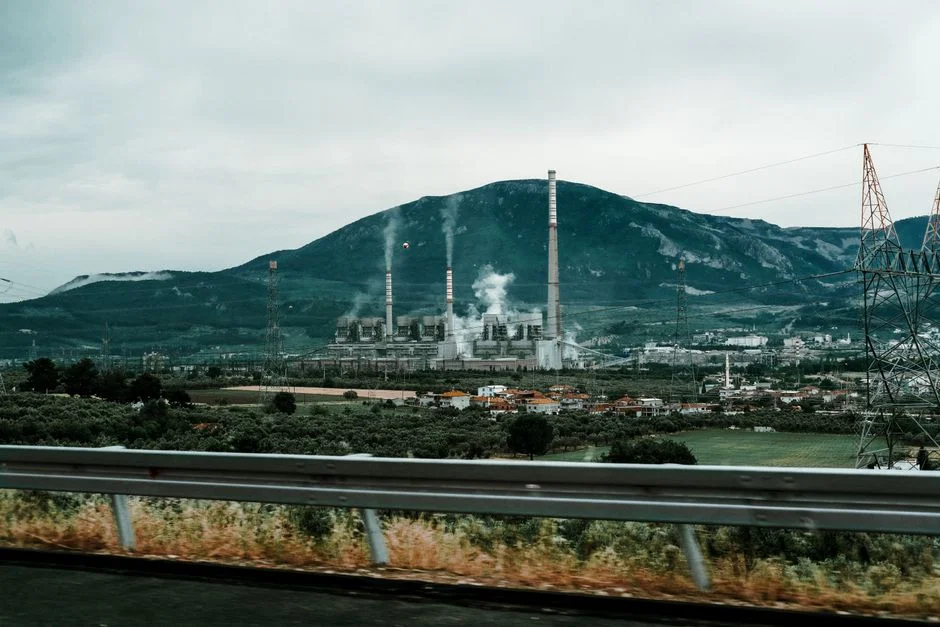
Inside the 30%+ industrial water and wastewater share, the leading 2026 end-uses are food & beverage, textiles, pulp & paper, pharmaceuticals, chemicals, oil & gas produced water, electronics, and power. Each maps to a dominant membrane category: MBR + RO for food processing and slaughterhouses; NF + RO for textile dye-houses; UF + RO for pulp & paper mill effluent; RO + EDI for pharmaceutical and electronics ultrapure water; and NF or RO for produced-water reuse upstream of steam generation.
Textile and dye-house wastewater is one of the strongest 2026 growth pockets because salt and dye discharge limits continue to tighten in China, India, and Bangladesh — and NF + RO is the only stack that meets both color and TDS targets in a single pass. For high-strength streams with ammonia loads above 200 mg/L, the parallel spec to compare against is a 95%+ ammonia removal efficiency in an MBR stage, as published in HydropureWater field data for food-industry effluent. Electronics and pharma drive the ultrapure water tier, where two-pass RO followed by EDI is the 2026 default; the HydropureWater industrial RO system is a representative process-water spec. For broader industrial reuse growth, HydropureWater's 2026 desalination market analysis triangulates the same industrial water scarcity drivers from the supply side, while the decentralized wastewater market 2026 outlook explains why packaged MBR and containerized RO are now the procurement shape most EPCs ask for. Emerging 2026 MBR buyers outside the legacy verticals include food processing (notably monosodium glutamate), slaughterhouses, and aquaculture, all of which have published design references for high-strength effluent treatment.
Regional Outlook: North America, Europe, China, and the Rest of Asia
Asia-Pacific accounts for roughly 42% of 2026 membrane technology market value, led by China and India; North America follows at 24%, Europe at 21%, and the rest of the world at 13%. Inside Asia-Pacific, China is both the largest end market and the fastest-growing supplier base. Domestic OEMs — concentrated in Shandong, Zhejiang, and Jiangsu — have compressed export RO and MBR list prices by an estimated 15–25% year over year between 2024 and 2026, driven by domestic overcapacity in PVDF hollow-fiber and flat-sheet module lines.
North America and Europe remain the largest importers of advanced MBR and RO systems, but the spending is now driven by regulation rather than capacity build-out: PFAS treatment under the U.S. EPA's 2024 PFAS National Primary Drinking Water Regulation, EU Urban Wastewater Treatment Directive recasts, and tightening industrial reuse permits in California, Texas, and the Rhine basin. HydropureWater, a Shandong-origin, Hangzhou-registered OEM, is a representative Chinese supplier serving both domestic and export industrial wastewater membrane demand; proof points include operating packaged MBR and sludge dewatering plants in Brazil (Latin America) and Ghana (West Africa), with both plants running in 2025–2026 on local industrial effluent. The practical effect of the regional split for a 2026 buyer is straightforward: lead times from Chinese OEMs are typically 6–10 weeks for packaged MBR and RO skids, versus 16–24 weeks from EU or U.S. integrators, with a price delta that often exceeds 30%.
What 2026 Means for an Industrial Buyer: CAPEX, OPEX, and Sourcing
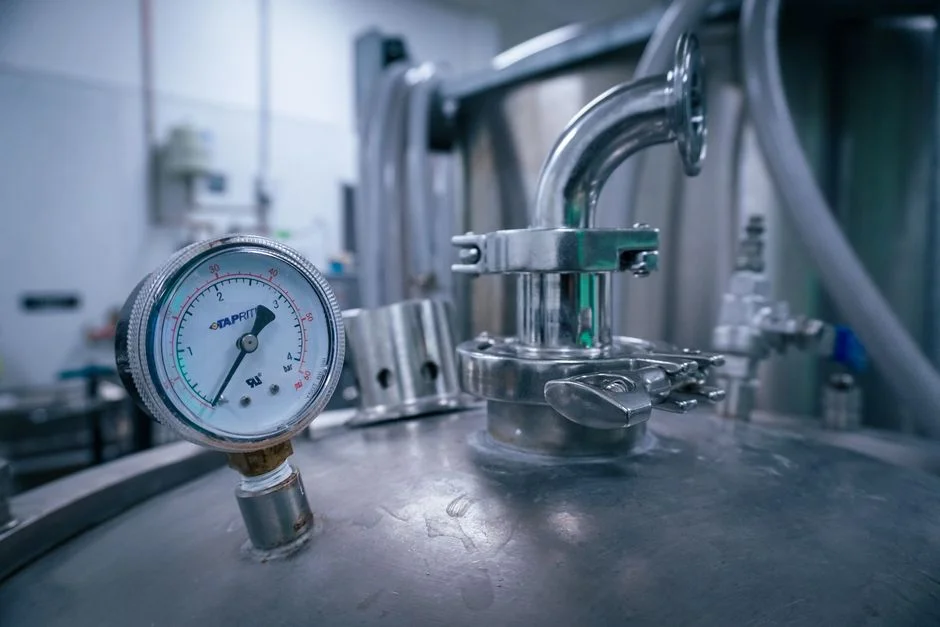
Translate the macro number into a procurement spec and the 2026 turnkey CAPEX range for packaged, automated industrial systems is roughly: MBR USD 250–600 per m³/day, RO USD 400–900 per m³/day, UF USD 150–350 per m³/day, and NF USD 300–600 per m³/day. OPEX is dominated by energy and membrane replacement; for a 2026 PVDF MBR, expected membrane life is 5–8 years, and OPEX runs USD 0.05–0.15 per m³ treated. For industrial RO, OPEX runs USD 0.10–0.25 per m³, with 15–20% of OPEX tied to membrane replacement on a 5–7 year cycle and 60–70% tied to energy.
Chinese OEMs typically deliver packaged MBR and RO 20–40% below U.S./EU list price in 2026, with comparable PVDF membrane quality on certified lines. The procurement caveat is that CAPEX alone does not determine lifetime cost — the pre-treatment stage determines whether a membrane system actually hits its OPEX target. A 2026 turnkey spec should always pair the membrane skid with a properly sized plate and frame filter press for sludge dewatering and an automatic chemical dosing system for pH and coagulant control; without both, RO membrane life can drop from 7 years to under 3. For the broader treatment train, HydropureWater's 2026 MBBR OPEX benchmark and the screw press maintenance cost 2026 lifecycle data are the parallel reference points to budget the biological and sludge-handling stages that sit in front of and behind the membrane skid.
| System | 2026 Turnkey CAPEX (USD per m³/day) | 2026 OPEX (USD per m³) | Membrane Life | Largest OPEX Driver |
|---|---|---|---|---|
| MBR (submerged PVDF) | 250–600 | 0.05–0.15 | 5–8 years | Aeration energy + CIP chemicals |
| RO (industrial, 2-pass) | 400–900 | 0.10–0.25 | 5–7 years | High-pressure pump energy + membrane replacement |
| UF (pressurized or immersed) | 150–350 | 0.04–0.10 | 5–8 years | Backwash water + integrity testing |
| NF (industrial) | 300–600 | 0.08–0.18 | 4–6 years | Feed pressure + concentrate disposal |
2026 Selection Framework: Which Membrane Type to Buy
The procurement decision in 2026 reduces to a five-rule map between discharge target and membrane category:
- If the goal is reuse or desalination, specify RO at 90–95% recovery — for example a HydropureWater industrial RO system sized to the peak daily flow with 20% redundancy on the high-pressure pump train.
- If the goal is industrial wastewater polishing for reuse from an existing activated sludge basin, swap the clarifier for a submerged MBR — a DF series PVDF flat-sheet MBR module at 0.1 μm delivers sub-1 NTU effluent that protects downstream RO.
- If the goal is high-strength organics and ammonia removal before discharge, run MBBR upstream of an MBR, then polish with RO if reuse is the endpoint — the HydropureWater MBR integrated system bundles this train into one skid for containerized 2026 deployments, and the MBR design for high-strength food-industry wastewater is a representative reference spec for ammonia loads above 200 mg/L.
- If the goal is turbidity or SDI reduction to protect a downstream RO, specify a multi-media filter followed by UF — the HydropureWater multi-media filter is sized to bring SDI below 3 before UF feeds RO.
- If the goal is dye and salt separation in textile effluent, run an MBR first, then NF or RO depending on the discharge TDS limit; NF suffices below 2,000 mg/L TDS, RO is required above it. For modular plants in the 50–500 m³/day range, the JY integrated water purification unit is the packaged shape most 2026 EPCs default to.
Frequently Asked Questions
How big is the membrane technology market in 2026? The global membrane technology market is projected to reach USD 38–42 billion in 2026, growing at a 7.5–8.5% CAGR from a 2024 base (Grand View Research, Membrane Technology Market, 2024 base year).
Which membrane technology segment is growing fastest in 2026? MBR and RO lead growth, with MBR expanding at roughly 9–10% CAGR — about 1.5–2 percentage points above the overall market — driven by industrial reuse and the replacement of conventional activated sludge.
What is the typical CAPEX of an industrial MBR system in 2026? Turnkey, packaged, automated industrial MBR systems run USD 250–600 per m³/day in 2026, with OPEX in the USD 0.05–0.15 per m³ range and 5–8 year PVDF membrane life.
What pore size is standard for industrial MBR membranes in 2026? 0.1 μm submerged PVDF modules are the 2026 default for industrial MBR, replacing the older 0.2–0.4 μm mixed-cellulose and PES formats because PVDF delivers longer chemical-cleaning tolerance and higher flux at the same pore rating.
How much of the 2026 membrane technology market is industrial wastewater? Industrial water and wastewater treatment accounts for approximately 30–33% of total 2026 membrane technology market value, making it the single largest end-use vertical ahead of food & beverage, pharma, biotech, and gas separation.