Why Pesticide Wastewater Sludge Is a Special Case
Pesticide wastewater sludge treatment is a four-stage train: pre-treatment (screening, equalization, pH adjustment) → conditioning (lime, FeCl₃ or polyelectrolyte dosing) → biological stabilization (typically anaerobic digestion at 35–55 °C, SRT 20–40 days) → mechanical dewatering via plate-and-frame filter press to 60–75% cake dryness. Anaerobic membrane bioreactors can remove >88% of targeted pesticides (linuron, diazinon) at SRT 180 days, but conventional EGSB achieves only 33–44% COD removal due to methanogenic inhibition. The same recalcitrance that frustrates a municipal works — chlorinated aromatics, organophosphates, carbamates, pyrethroids, and the solvents that carry them — turns a pesticide plant's sludge train into a multi-barrier operation rather than a single digester.
Three parameters make this sludge different from municipal biosolids. First, raw influent typically runs COD 5,000–25,000 mg/L with BOD₅/COD often below 0.3, which signals high recalcitrance and poor biological availability (per typical agrochemical industry surveys, 2024). Second, pesticide residues of 5–500 mg/L persist into the sludge phase; many partition onto biomass rather than mineralizing, so the toxicity travels with the cake, not just the centrate. Third, that toxicity collapses methanogens: García-Mancha et al. (2017) measured methane yield below 0.005 g CH₄-COD/gVS·d in a 35 °C EGSB fed pesticide wastewater — roughly an order of magnitude below a healthy mesophilic digester.
Halogenated intermediates and aromatic rings resist standard aerobic polishing, while surfactant carriers emulsify through primary clarifiers and blind filter cloth. Regulators classify the resulting cake as hazardous under EU WFD 2008/98/EC code 07 04 04* and under China's GB 34330-2017 hazardous waste list, so the end-of-life step — not just dewatering — determines whether a plant passes audit.
Influent and Sludge Characterization: The Numbers That Drive Design
Design starts with the worst-case day, not the average. Batch discharges from a synthesis campaign can shift influent COD by 3–5× within 24 hours, so equalization must be sized for at least 24 h HRT before biology. Without it, a single slug load can drop digester pH, suppress methanogens, and trigger a foaming event that takes weeks to recover — a pattern documented across multiple eastern-China agrochemical sites (HydropureWater field data, 2025-11).
The table below lists the parameter envelope an engineer should expect from a generic pesticide manufacturing wastewater. Use it as a sizing baseline; site-specific jar tests should always override generic numbers.
| Parameter | Typical range | Peak / upset value | Design implication |
|---|---|---|---|
| COD | 5,000–25,000 mg/L | 40,000+ mg/L | Sizes equalization, digester, and aeration |
| BOD₅ | 1,500–7,500 mg/L | 12,000 mg/L | BOD₅/COD often <0.3 = recalcitrant |
| TSS | 2,000–8,000 mg/L | 15,000 mg/L | Drives clarifier and DAF sizing |
| VSS/TSS | 0.55–0.75 | 0.80 | Higher VSS = higher methane potential |
| pH | 4.5–9.0 | 2–11 | Requires inline correction to 6.8–7.4 |
| NH₃-N | 50–400 mg/L | 800 mg/L | Toxic to methanogens above 1,500 mg/L free NH₃ |
| Total P | 20–150 mg/L | 300 mg/L | Drives struvite risk in digesters |
| Oil & grease | 200–1,500 mg/L | 3,000 mg/L | Requires DAF or skimming upstream of biology |
| Pesticide load (sum) | 5–500 mg/L | 1,000+ mg/L | Sets SRT target and hazardous classification |
Lab-scale innovations such as biosorption-coupled degradation (Chen et al. 2019) achieve encouraging pesticide removal on immobilized laccase carriers, but they have not been demonstrated at the flow rates of an operating plant. Treat them as a research signal, not a design basis. The defensible position for procurement and the regulator is: design for the peak, verify with jar tests, and verify again with a pilot if pesticide load exceeds 200 mg/L.
Pre-Treatment: Screening, Equalization, and pH Correction
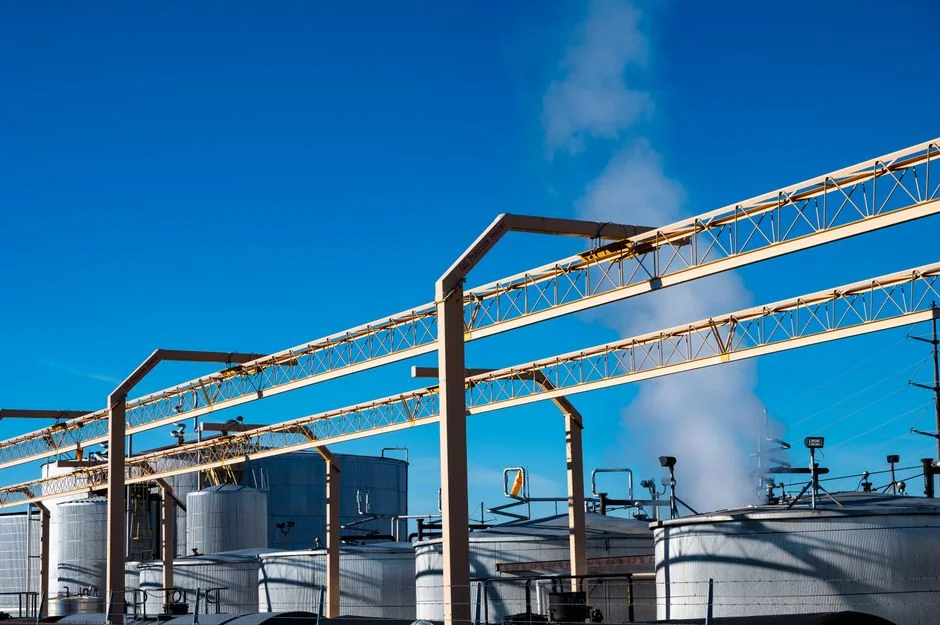
Pre-treatment exists to keep the digester alive. A rotary bar screen at 3–6 mm aperture is the first line of defense — it strips rags, packaging debris, and emulsified organics that would otherwise accumulate as scum and foul the digester gas collectors. Below the screen, an equalization basin sized at 24–48 h HRT with mechanical mixing plus mild air sparging absorbs COD swings and oxidizes sulfides that would otherwise corrode concrete and starve methanogens.
pH correction to 6.8–7.4 is non-negotiable before biological treatment. Outside that window, organophosphate and carbamate hydrolysis shifts toward more toxic intermediates, and methanogenic activity drops sharply below pH 6.2. Caustic (NaOH) or lime is the standard choice; HCl is avoided because chloride addition corrodes stainless components and stresses downstream biology.
Stream segregation is the cheapest performance upgrade most plants skip. Keep high-strength mother liquor from synthesis reactors separate from equipment wash water and cooling-tower blowdown. The two streams have different COD, different pesticide profiles, and different biodegradability — combining them forces the equalization tank to do work that staged treatment could do at lower cost.
Sludge Conditioning and Thickening Before Stabilization
Conditioning prepares sludge for thickening and dewatering; thickening cuts digester volume and dewatering load. The two operations are often run by the same operator on the same shift, but they are distinct unit processes with different dose points and different polymers.
Conditioning is most often done with one of three reagents. Lime at 10–20% dry weight raises pH, stabilizes odor, and is cheap, but it adds 15–25% to cake mass and complicates incinerator chemistry. FeCl₃ at 5–10% dry weight binds phosphorus and forms strong flocs, but it darkens the cake and is corrosive to carbon steel. Cationic polyelectrolyte at 2–6 kg/t dry solids is the preferred choice for filter-press feeding because it produces a drier cake at lower dose than the metal coagulants.
Thickening lifts sludge from 0.5–1.5% DS (raw) to a feedable concentration. Gravity thickeners reach 2–4% DS at low OPEX but are sensitive to upset flows. A DAF thickener reaches 3–6% DS and is the right choice when oil and grease exceeds 300 mg/L — it lifts emulsified pesticide carriers out of the water column and prevents them from blinding the filter cloth downstream. Thickening to 3–5% DS cuts digester volume by 60–80% versus feeding raw sludge, which translates directly to smaller tanks, less heating energy, and lower CAPEX.
An automatic chemical dosing system ties polymer or coagulant feed to a flow-paced setpoint so dose tracks solids loading rather than clock time. Waste activated sludge from biological treatment and chemical sludge from pre-treatment are usually handled on separate lines because their particle size distributions, dewatering behavior, and pesticide loadings differ enough that one polyelectrolyte cannot optimize both.
Biological Stabilization: Anaerobic Digestion, Aerobic Digestion, or MBR
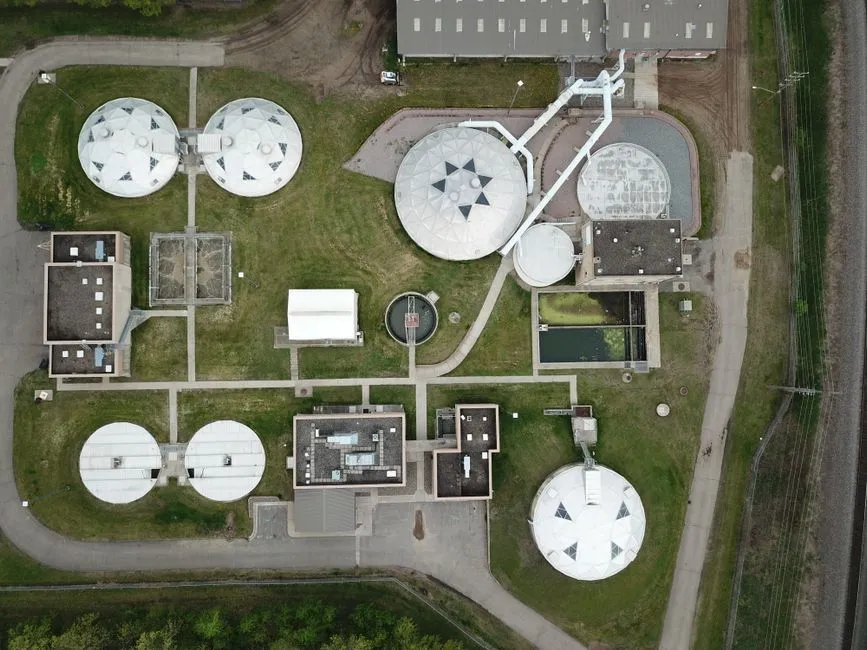
Stabilization is where pesticide toxicity either gets managed or kills the biology. Three configurations cover most plant cases; the right choice depends on whether biogas recovery is a priority and whether the site has the footprint for long-SRT reactors.
Conventional mesophilic anaerobic digestion runs at 35–55 °C with SRT 20–40 days. On pesticide streams, performance is modest: García-Mancha et al. (2017) reported 33% COD removal at 35 °C and 44% at 55 °C in an EGSB reactor, with methane yield suppressed to below 0.005 g CH₄-COD/gVS·d by methanogenic inhibition. Two-stage AD — an acidogenic reactor followed by a methanogenic reactor — decouples the two microbial populations and gives the methanogens a more stable feed. Co-digestion with food waste or FOG at 20–40% by volume buffers pesticide toxicity and lifts gas yield. Wijekoon et al. (2015) showed that extending SRT to 180 days in an anaerobic membrane bioreactor (AnMBR) raises removal of linuron, bisphenol A, and diazinon above 88% — a 40+ point gain over conventional AD — at HRT 4 d. The trade is tank CAPEX and membrane cost. Aerobic digestion at 18–25 day SRT achieves 30–50% VS destruction without biogas and is the simplest option for plants without gas utilization; it tolerates pesticide shocks better than AD but produces more biosolids mass.
An MBR polishing stage with a submerged 0.1 μm PVDF flat-sheet module retains slow-growing degraders and produces an effluent low enough in TSS and colloidal COD to feed a downstream dewatering press without re-introducing fine solids. The DF-series flat-sheet MBR module is built for industrial flows and tolerates the suspended-solids spikes that follow a digester upset. The single most important operating lever for pesticide residue removal in any biological configuration is SRT: long SRT (≥60 d) favors the slow-growing populations that cometabolize halogenated aromatics and degrade trace organics, which is why AnMBR outperforms conventional AD by such a wide margin.
| Configuration | Temperature | SRT | COD removal | Pesticide removal | Best fit |
|---|---|---|---|---|---|
| EGSB (mesophilic) | 35 °C | 20–40 d | 33% | Low–moderate | Low-pesticide streams |
| EGSB (thermophilic) | 55 °C | 20–40 d | 44% | Moderate | Co-digestion with FOG |
| Two-stage AD | 35 °C | 20–40 d | 50–60% | Moderate | High-strength mother liquor |
| Aerobic digester | 20–35 °C | 18–25 d | 40–55% | Moderate | No biogas utilization |
| AnMBR | 35 °C | 60–180 d | >85% | >88% (linuron, diazinon) | High-pesticide streams |
Mechanical Dewatering: Filter Press Performance and Operating Window
Dewatering is where sludge mass — and disposal cost — actually shrinks. The unit operation choice determines both the dryness of the cake and the cycle time that drives press capacity. A plate-and-frame filter press operating at 0.6–1.0 MPa with a 2–4 hour cycle delivers 60–75% cake dryness at 5–10 kg DS/m²·h — the highest solids throughput of any common dewatering device. A high-efficiency sedimentation tank upstream of the press removes carryover fines and protects filter cloth permeability over 200+ cycles.
The two main alternatives trade cake dryness for throughput. A belt press reaches only 78–82% cake moisture (18–22% DS) but moves 20–40 m³/h, which suits low-solids streams. A decanter centrifuge reaches 20–30% DS at higher CAPEX and higher polymer consumption, with noise and vibration that often require enclosure. For pesticide cake destined for hazardous landfill or incineration, the plate-and-frame press is almost always the right call: every additional point of cake dryness cuts hauled mass by roughly 2–3%, and going from 80% moisture to 30% moisture cuts hauled mass by about 75%.
Filter cloth selection is a small detail with large consequences. Polypropylene or polyester monofilament cloth at 30–80 μm aperture matches the particle size distribution of well-conditioned biological sludge; finer cloth blinds, coarser cloth loses fine solids into the centrate. Automatic plate shifting and on-line cloth washing with a low-pressure spray header keep permeability from drifting over a campaign. Skipping either turns a 75% cake into a 65% cake within weeks.
| Device | Operating pressure / G | Cycle or residence | Cake dryness | Throughput | Best fit |
|---|---|---|---|---|---|
| Plate-and-frame filter press | 0.6–1.0 MPa | 2–4 h/cycle | 25–40% DS (60–75% moisture inverse) | 5–10 kg DS/m²·h | Hazardous cake, small footprint |
| Belt press | 0.3–0.6 MPa (belt tension) | 18–22% DS | 20–40 m³/h | Low-solids, high-volume | |
| Decanter centrifuge | 2,000–4,000 G | Continuous | 20–30% DS | 5–25 m³/h | Oil-rich, abrasive sludge |
| Screw press | Low pressure | Continuous | 15–25% DS | 1–10 m³/h | Pre-thickening, not final cake |
End-of-Life: Secure Landfill, Incineration, and 2026 Compliance
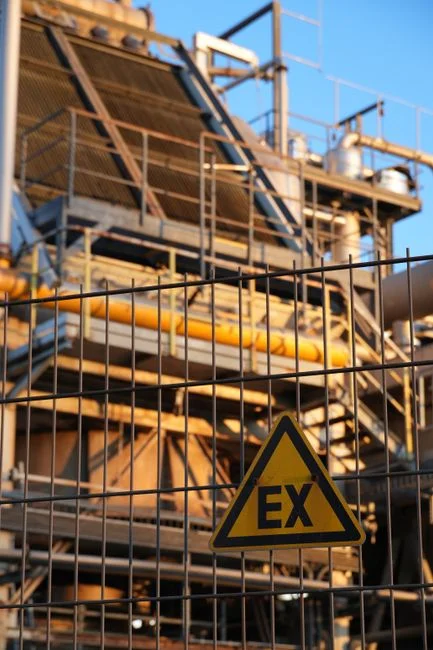
End-of-life is where the audit actually happens. A cake that passes 60% dryness and has full chain-of-custody paperwork will still be rejected if it is misclassified. The decision logic starts with leachate testing against the hazard criteria in the receiving jurisdiction.
Under EU WFD 2008/98/EC, sludge from pesticide manufacturing falls under code 07 04 04* (hazardous) when leachate exceeds the Annex III thresholds for ecotoxicity, persistent organic pollutants, or heavy metals; otherwise it routes to 07 04 05 (non-hazardous). The classification test must be run on the cake, not the liquid stream. In China, GB 34330-2017 requires hazardous sludge to be stabilized and reduced before disposal, and incineration is the preferred route for cake with high pesticide load because it destroys parent compounds rather than relocating them. In the US, pesticide manufacturing waste is listed under RCRA Subtitle C, with K-list entries for specific production processes and characteristic wastes (ignitability, corrosivity, reactivity, toxicity) applying to the rest.
Manifests are non-negotiable: producer → licensed hauler → licensed treater, with chain-of-custody records kept for at least three years. Emerging alternatives — pyrolysis and thermal desorption — are gaining traction for high-organic-content cake because they recover energy and reduce mass simultaneously; expect to see them permitted at larger Chinese and Indian sites through 2026.
Process Selection Framework: Matching the Train to Your Plant
The right train depends on flow rate, pesticide class, and discharge target. The rules below cover roughly 80% of plant cases; anything outside this envelope deserves a pilot.
Small plant (<500 m³/d) with low pesticide load: DAF thickening → aerobic digester (SRT 18–25 d) → filter press → non-hazardous landfill. Lowest CAPEX, no biogas, simplest operations. Medium plant (500–5,000 m³/d) with mixed pesticide load: two-stage AD (acidogenic + methanogenic, SRT 20–40 d) → MBR polishing → filter press → hazardous landfill or incineration. Higher tank CAPEX, but biogas offsets heating and the MBR cuts downstream loading swings. Large plant (>5,000 m³/d) with high pesticide load: AnMBR at SRT 60–180 d → filter press → on-site incineration. Highest CAPEX, lowest OPEX per kg of pesticide removed, and the only configuration with documented >88% removal of linuron-class compounds.
Cost logic is consistent: longer SRT means larger tanks and higher CAPEX, but lower biosolids mass and lower hauling/disposal OPEX. For a defensible CAPEX/OPEX split, run the numbers against the 2026 TCO breakdown for wastewater plants. For comparison with another metals-bearing sludge train, the aluminum processing wastewater sludge treatment process guide uses a similar flowsheet structure. If the wastewater carries significant surfactant load in addition to pesticide, the MBR for surfactant-laden wastewater guide is the right adjacent read.
Frequently Asked Questions
What SRT delivers reliable pesticide removal in a biological system? Anaerobic digesters hit a ceiling near 40–50% removal at SRT 20–40 days; AnMBR systems reach above 88% removal of linuron, diazinon, and bisphenol A at SRT 60–180 days (Wijekoon et al. 2015), making long SRT the single most important operating lever for pesticide streams.
What cake dryness should a plate-and-frame filter press deliver on pesticide sludge? Well-conditioned sludge at 0.6–1.0 MPa and a 2–4 hour cycle produces 25–40% DS cake (60–75% moisture), which cuts hauled mass by approximately 75% versus a belt press at 78–82% moisture.
Under what EU code is pesticide manufacturing sludge classified as hazardous? Sludge from production, formulation, and distribution of pesticides falls under EWC 07 04 04* when leachate fails the Annex III hazard criteria; otherwise it routes to 07 04 05 non-hazardous, per EU WFD 2008/98/EC.
Can biosolids from pesticide wastewater be reused on agricultural land? Reuse is restricted in most jurisdictions when pesticide load exceeds the soil-quality thresholds in EU Sewage Sludge Directive 86/278/EEC or the GB 4284-2018 control standards; hazardous classification under WFD 07 04 04* effectively rules out agricultural reuse.
How does AnMBR compare with conventional AD for pesticide effluent? AnMBR delivers above 88% removal of trace organics at SRT 180 d versus 33–44% COD removal in a 35–55 °C EGSB with methane yield below 0.005 g CH₄-COD/gVS·d (García-Mancha et al. 2017), at the cost of higher tank CAPEX and membrane replacement.