Why Municipal Sewage Treatment in KPK Demands a Region-Specific Design
A municipal sewage treatment plant in KPK Pakistan must treat domestic sewage to Pakistan EPA-NEQS limits: BOD ≤80 mg/L, COD ≤150 mg/L, TSS ≤200 mg/L, fecal coliform ≤1,000 CFU/100 mL. For 2026 tenders, the three viable trains are packaged WSZ units (1–80 m³/h), sequencing batch reactors, and MBR systems delivering sub-1 μm effluent. Design flows should be sized at 150–200 L/cap·d with a 2.5–3.0 peaking factor to handle Peshawar's monsoon inflow.
Mahmood's 2014 review of low-cost municipal wastewater options in Pakistan quantifies the starting condition: less than 1% of Pakistan's municipal wastewater receives secondary treatment, and more than 50% of urban KPK residents live outside a sewered service area (Mahmood 2014). In Peshawar, the Water and Sanitation Services Peshawar (WSSP) network covers roughly 60% of the city, with the remainder discharging into drains that flow untreated into the Bara and Kabul rivers. Mardan's municipal sewerage is older, with significant infiltration that dilutes BOD by 15–20% relative to Peshawar.
Three hydraulic realities break any design copied from a textbook. First, monsoon peaking: July–August storms push inflow to 3.0× the dry-weather average, and headworks sized to the mean overflow within minutes. Second, winter low-load: Peshawar valley ambient temperature drops to 10–15°C from December through February, cutting biological reaction rates by roughly 50% compared to the 25–30°C design assumption. Third, peri-urban growth: KPK's urban population is expanding at ~3.2%/yr, meaning a plant sized today for a 20-year horizon is hydraulically overloaded in year 8 if population is not re-projected every 5 years.
The 2026 regulatory floor is set by NEQS Schedule VI (Rev. 2016) for municipal liquid discharge, by the Pakistan Environmental Protection Agency (PEPA) IEE/EIA regime for any plant above 0.5 MLD, and by World Bank KPK Cities Improving Livability Project covenants on donor-funded schemes. Two design parameters govern every downstream choice: per-capita sewage flow of 150–200 L/cap·d (the SEPA/VIP default for unsewered KPK towns) and a peaking factor of 2.5–3.0 applied to peak hourly flow. Miss either, and the equalization basin, aeration tank, and disinfection contact time will all be wrong.
NEQS 2016 Effluent Compliance Targets for KPK Municipal STPs
Pakistan's National Environmental Quality Standards (NEQS) Schedule VI, last revised in 2016, set the mandatory discharge limits that any municipal sewage treatment plant in KPK must meet before effluent enters a water body or irrigation drain. The table below is the working compliance reference for tender specifications.
| Parameter | NEQS Limit (mg/L unless noted) | Notes for KPK municipal STPs |
|---|---|---|
| BOD₅ | ≤ 80 | 24-h composite, 20°C |
| COD | ≤ 150 | CrO₇ dichromate method |
| TSS | ≤ 200 | 103–105°C dried residue |
| Total Nitrogen | ≤ 50 | As N; rarely binding for sewage-only plants |
| Total Phosphorus | ≤ 5 | As P; binding where discharge is to lakes/reservoirs |
| Fecal Coliform | ≤ 1,000 CFU/100 mL | Drives disinfection sizing |
| pH | 6–9 | Grab sample |
| Oil & Grease | ≤ 10 | n-Hexane extractable |
Source: Pakistan EPA NEQS for Municipal Liquid Effluents, Schedule VI (Rev. 2016). For World Bank-funded KPK projects, EU Urban Waste Water Directive 91/271/EEC is applied as a secondary benchmark where NEQS is silent — particularly on BOD and COD limits at sensitive receiving waters such as Warsak Reservoir abstractions.
Approval flow for any plant above 0.5 MLD: the proponent files an Initial Environmental Examination (IEE) with KPK EPA; an Environmental Impact Assessment (EIA) is required above thresholds set by PEPA Review of IEE/EIA Regulations 2000. Discharge consent is renewed every 3 years and is conditional on monthly grab sampling submitted to the agency. Of the three process trains compared in this article, only MBR delivers COD below 50 mg/L and near-zero TSS in a single step, which simplifies compliance proof. WSZ and SBR routinely meet NEQS limits but require a separate polishing stage — typically a chlorine dioxide disinfection system or UV bank sized to deliver ≤1,000 CFU/100 mL fecal coliform at peak flow.
Influent Characterization for Peshawar, Mardan, and Abbottabad Catchments
Designers who copy influent numbers from a Western textbook over-size aeration tanks and under-size equalization for KPK catchments. The table below reflects Mahmood's 2014 review cross-checked against WSSP Peshawar operating data and standard municipal references for South Asian sewerage.
| Parameter | Peshawar (WSSP) | Mardan | Abbottabad |
|---|---|---|---|
| COD (mg/L) | 400–600 | 340–510 | 320–480 |
| BOD₅ (mg/L) | 200–300 | 170–255 | 160–240 |
| TSS (mg/L) | 300–450 | 260–380 | 240–360 |
| NH₃-N (mg/L) | 25–40 | 20–32 | 18–30 |
| Temperature (°C) | 10–35 | 8–32 | 5–28 |
| Mahmood 2014; WSSP field data | Mahmood 2014 scaled | Mahmood 2014 scaled |
Mardan and Abbottabad run 15–20% weaker in BOD and COD because of groundwater infiltration through older brick sewers, which depresses the F/M ratio in biological tanks and lengthens the HRT needed to hit the same effluent quality. The COD/BOD₅ ratio across all three catchments sits at 1.8–2.2 — a marker that industrial discharge from Peshawar's leather, ghee, and steel re-rolling clusters is reaching the municipal sewer. This ratio is the single most important pretreatment trigger: anything above 2.5 should route the upstream discharger to a separate consent under PEPA, not to the municipal STP.
Equalization sizing follows a 4–6 hour average-flow rule, which is sufficient to dampen both the diurnal morning peak and the monsoon-driven hydraulic surge. Headworks should be specified with a rotary mechanical bar screen at 6 mm spacing, followed by a grit chamber sized for the peak flow, not the average — a common error that buries downstream biological tanks in grit within 18 months of commissioning.
Three Process Trains Compared: WSZ, SBR, and MBR for 1–10 MLD Plants
At 1–10 MLD, the practical shortlist for a municipal sewage treatment plant in KPK Pakistan is three process trains: packaged WSZ underground units, sequencing batch reactors (SBR), and membrane bioreactors (MBR). The matrix below lets a procurement engineer shortlist before issuing tender documents.
| Criterion | WSZ (Package) | SBR | MBR |
|---|---|---|---|
| Capacity range | 0.05–2 MLD per unit | 1–20 MLD | 1–50 MLD |
| Footprint (m²/MLD) | 30–60 (buried) | 400–600 | 150–250 |
| Power (kWh/m³) | 0.30–0.45 | 0.40–0.60 | 0.50–0.80 |
| CAPEX (PKR M / MLD) | 90–140 | 120–170 | 170–240 |
| OPEX (PKR / m³) | 0.12–0.18 | 0.14–0.20 | 0.22–0.32 |
| Effluent BOD (mg/L) | ≤ 30 | ≤ 20 | ≤ 5 |
| Effluent TSS (mg/L) | ≤ 30 | ≤ 20 | ≤ 1 |
| Operator skill | Low (PLC) | Medium | Medium-high |
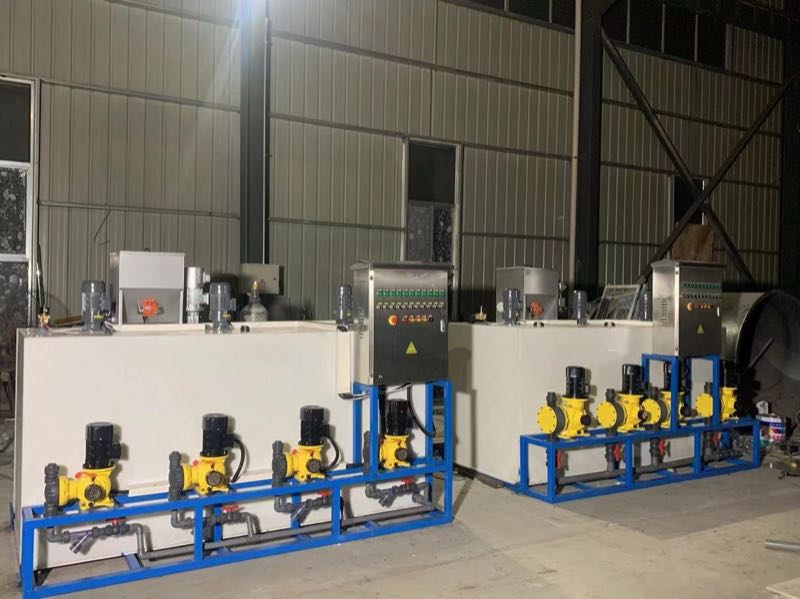
The WSZ underground package STP combines anoxic/oxic contact oxidation, sedimentation, and disinfection in a single buried tank, fully automated, with no above-grade civil works. It is the right answer for 0.05–2 MLD satellite plants serving small KPK towns and peri-urban colonies where land cost is the binding constraint.
SBR handles KPK's load variability well because it is a time-based process: each batch can be lengthened or shortened in PLC logic to match influent strength. Local O&M contractors are familiar with SBR, and CAPEX is 15–20% below MBR at 5 MLD scale. The risks are automation complexity in the decant phase and the hydraulic transient when the decanter sweeps from full to empty, which can disludge biomass if not properly baffled.
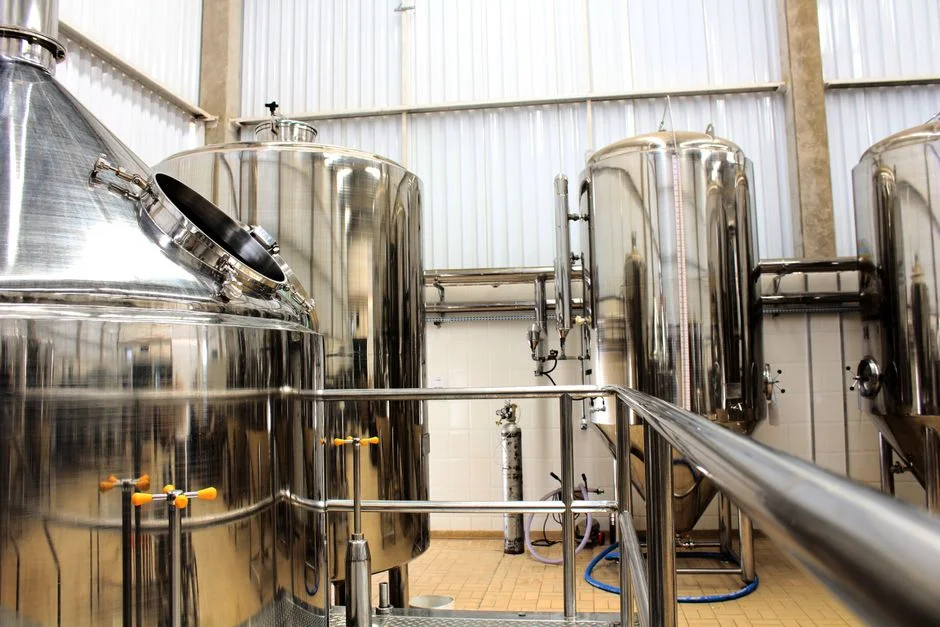
The MBR membrane bioreactor system uses submerged PVDF membranes at 0.1–0.4 μm pore size to deliver COD below 50 mg/L and near-zero TSS in a single step. Footprint is 60% smaller than conventional activated sludge, which matters near the Bara River in Peshawar where buffer land is scarce and reuse for industrial cooling is mandated under the KPK Cities Improving Livability Project. The trade-off is membrane replacement every 7–10 years and aeration energy of roughly 0.55 kWh/m³ to maintain cross-flow velocity and scour the membranes.
Step-by-Step Design Workflow for a 5 MLD Municipal STP in KPK
The sequence below turns process selection into a replicable design that a municipal engineer at WSSP Peshawar or a consultant preparing a tender can apply directly. Worked example: a 200,000-population peri-urban catchment in Peshawar district.
- Step 1 — Establish design flow. 200,000 population × 175 L/cap·d = 35,000 m³/d ≈ 5 MLD average dry-weather flow. Apply peaking factor 2.8 (KPK monsoon reality) for peak hourly flow of ~14 MLD. Confirm with 24-hour composite sampling during a wet week before freezing the design.
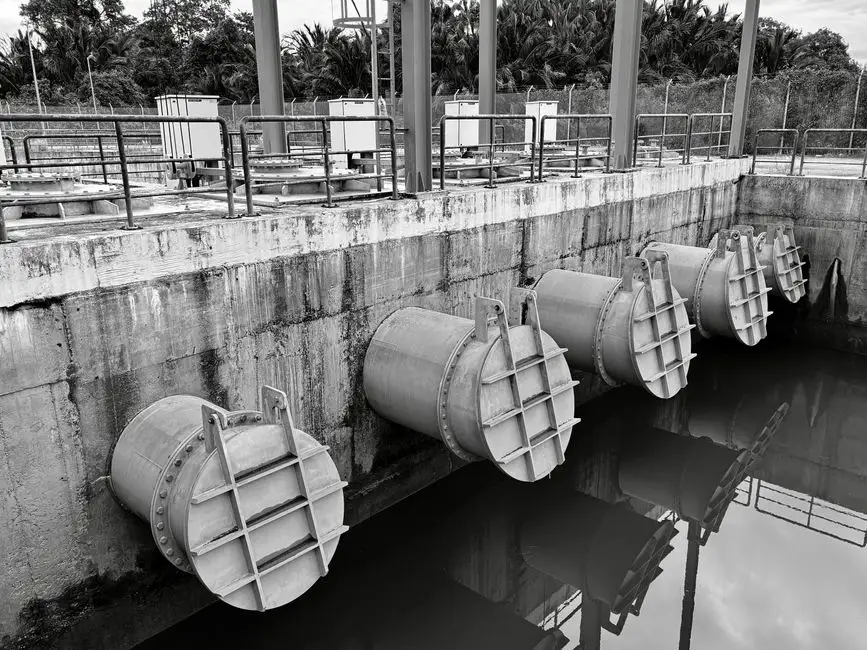
- Step 2 — Specify headworks. A rotary mechanical bar screen at 6 mm spacing followed by an aerated grit chamber sized for 14 MLD peak. Include a bypass channel with a manual bar rack for redundancy during grid outages.
- Step 3 — Specify the biological stage. For SBR: HRT 18–24 h, SRT 20–30 d, MLSS 3,000–5,000 mg/L, decant volume 25–35% of reactor volume. For MBR: HRT 8–12 h, SRT 25–40 d, MLSS 8,000–12,000 mg/L, membrane flux 15–25 L/m²·h. Both trains should be sized for the winter low-load condition, not the design average.
- Step 4 — Specify disinfection. A chlorine dioxide disinfection system sized for the 14 MLD peak and a contact time of 20–30 minutes to deliver ≤1,000 CFU/100 mL fecal coliform. UV is acceptable for smaller plants where chlorine residual in the receiving drain is a concern.
- Step 5 — Specify sludge handling. Gravity thickening to 2–3% dry solids, then a plate and frame filter press to dewater to 22–25% DS for off-site transport. Sludge yield at 5 MLD with conventional wasting is roughly 800–1,200 kg DS/d, which sets the press capacity at 12–18 m³/h cycle volume.
CAPEX and OPEX Cost Models for 1–10 MLD KPK Plants
Capital and operating costs below are anchored to Mahmood's 2014 scaling factors and adjusted using a 2026 equipment price index for imported electromechanical equipment. They are intended as bid-evaluation ranges, not as vendor quotes.
| Plant Size & Train | CAPEX (PKR M, turnkey) | OPEX (PKR / m³) | Dominant OPEX Driver |
|---|---|---|---|
| 1 MLD WSZ package | 90–140 | 0.12–0.18 | Energy 45–50%, chemicals 10–15% |
| 5 MLD MBR | 850–1,200 | 0.22–0.32 | Membrane replacement + aeration energy |
| 10 MLD SBR | 1,200–1,700 | 0.14–0.20 | Energy 50%, labor 18%, chemicals 10% |
OPEX composition is consistent across the three trains: energy 45–55%, labor 15–20%, chemicals 8–12%, membrane or media replacement 10–15% (zero for WSZ, near-zero for SBR, dominant for MBR). A 5 MLD MBR plant will spend roughly 0.55 kWh/m³ on aeration alone — at WSSP's industrial tariff, that is the single line item that decides whether the operating budget closes. For a tender in urban Peshawar where land is scarce, MBR's footprint advantage can offset 30–50% of its CAPEX premium when land acquisition cost is included; for a greenfield site in Mardan or Abbottabad, SBR typically wins on total cost of ownership over a 20-year horizon.
Procurement Risk Framework and Pre-Bid Checklist
Tender documents for a municipal sewage treatment plant in KPK Pakistan fail most often on five predictable risks. Embed the mitigations below directly in the bid document to convert them from evaluation subjectivity to pass/fail criteria.
- Risk 1 — Load variability. Require a 12-month manufacturer performance warranty that covers operation at 50% above design COD (i.e. up to 900 mg/L for a plant designed at 600 mg/L). Reject bids that limit the warranty to design-point operation.
- Risk 2 — Operator skill gap. Mandate PLC control with a local HMI and Urdu-language operator interface, plus a minimum 2-week on-site commissioning training delivered by the supplier's engineer, not a sub-contractor.
- Risk 3 — Power reliability. Require the plant to operate on 25% reduced aeration during grid outages (a daily reality in peri-urban KPK), with a documented ride-through of 4 hours on the equalization basin buffer.
- Risk 4 — Spare parts. Require a 5-year critical spares list — membrane modules, fine-bubble diffusers, dosing pumps, PLC cards — priced into the bid, with delivery commitment to Peshawar within 72 hours.
- Risk 5 — Monitoring and reporting. Require online pH, DO, TSS, and flow meters with cloud logging so PEPA monthly reports are generated automatically rather than assembled by hand. Implementation guidance is in the article on online monitoring and cloud platforms for small wastewater plants.
Frequently Asked Questions
What is the standard design flow per capita for a municipal STP in KPK? The SEPA/VIP default used by WSSP and most consultants is 150–200 L/cap·d, with 175 L/cap·d as the typical mid-point for peri-urban Peshawar. This is multiplied by a peaking factor of 2.5–3.0 to size pumps, headworks, and disinfection contact time for the monsoon peak.
Which NEQS parameters drive equipment selection? Fecal coliform ≤1,000 CFU/100 mL drives disinfection sizing (a chlorine dioxide disinfection system or UV bank), while BOD ≤80 mg/L and TSS ≤200 mg/L drive the choice between SBR and MBR. Plants discharging to sensitive receptors such as Warsak Reservoir abstractions are often held to EU Directive 91/271/EEC limits under World Bank covenants.
Which technology is most cost-effective at 5 MLD in Peshawar? For a 5 MLD plant in urban Peshawar where land is expensive, MBR at PKR 850–1,200 M turnkey with OPEX of 0.22–0.32 PKR/m³ is competitive once land cost is included. For a greenfield 10 MLD plant in Mardan or Abbottabad, SBR at PKR 1,200–1,700 M and 0.14–0.20 PKR/m³ OPEX wins on total 20-year cost of ownership.
How long does PEPA approval take for a 5 MLD plant? An Initial Environmental Examination (IEE) for plants between 0.5 and 5 MLD typically clears KPK EPA in 60–90 days if the influent characterization and NEQS compliance proof are complete at filing. Above 5 MLD a full EIA is required and timelines extend to 6–9 months — build this into the project schedule before tender issue.
What operator skill level is required to run a packaged WSZ or SBR plant? A packaged WSZ underground package STP at 1–2 MLD can be run by a single trained operator with PLC interface; an SBR at 5 MLD needs a 3-person team with one electrical/instrumentation technician on call. Operator training delivered in Urdu during commissioning is the single most important determinant of the first 12 months of compliance.