What Makes Industrial Wastewater Treatment in Pune Different in 2026
Pune's MIDC industrial belt — Chakan (automotive), Talegaon (engineering and pharma formulations), Ranjangaon (FMCG and food), and Pimpri-Chinchwad (legacy heavy industry) — accounts for an estimated 150+ MLD of installed ETP capacity (source: MIDC M&A register, cited in MPCB consent summaries, 2025-09). A plant engineer in any of these clusters is no longer designing to a generic India effluent guideline; consent-to-operate is enforced against actual treated-water quality on the day of inspection, with non-compliance fines up to ₹1 lakh/day plus prosecution under Section 25/26 of the Water (Prevention and Control of Pollution) Act 1974.
Two 2025 developments have reshaped the design brief. First, the Maharashtra NGT bench tightened borewell-recharge rules in rulings dated 2024-11 and 2025-04, pushing plants away from open nala disposal and toward zero liquid discharge or high-recovery RO reuse loops. Second, MPCB has shifted red-category inspections to online continuous effluent monitoring (OCEMS) — flow, pH, COD, and TSS are transmitted hourly to the MPCB server, with a ±5% analyzer tolerance band. Plants that pass paper audits in 2024 are now failing because the OCEMS timestamp disagrees with the lab logbook.
Generic national vendor pages and Justdial listings do not address this shift. The decisions that matter for a 2026 Pune project — which MIDC cluster's sewer you tie into, what consent bespoke limits apply to your red-category product, whether MBR or DAF+ASP matches your real influent — are local. For a packaged biological step, HydropureWater's integrated MBR membrane bioreactor covers the 10–2,000 m³/day range most Pune mid-sized units sit in.
MPCB Discharge Limits Every Pune Plant Must Hit
MPCB Schedule VI sets the floor: pH 5.5–9.0, BOD₃ 30 mg/L, COD 250 mg/L, TSS 100 mg/L, oil & grease 10 mg/L, total nitrogen 100 mg/L for effluent discharged into inland surface water from a sewage or mixed stream (source: MPCB Schedule VI Part A, applied in 2025 CTO renewals). Red-category industries carry bespoke consent conditions layered on top — for electroplating, total chromium 2 mg/L, zinc 5 mg/L, lead 0.1 mg/L; for pharma formulation, total nitrogen and total phosphorus caps that often force a tertiary RO step.
The sewer-versus-river distinction decides everything downstream. Discharging into a MIDC sewer means satisfying the local CETP's inlet standard, which is usually relaxed (TSS 200–500 mg/L) but the CETP bills per kg of pollutant load. Direct discharge to a nala or river triggers the CPCB Minimal National Standards, which are far tighter and effectively rule out anything below tertiary RO. A Pune plant should confirm the receiving body — MIDC sewer, PMC sewer, or direct nala — before sizing the biological step; the same 250 mg/L COD consent can mean very different trains.
| Parameter | MPCB Schedule VI (inland surface water) | Typical red-category bespoke limit (e.g., electroplating) | OCEMS reporting tolerance (2026) |
|---|---|---|---|
| pH | 5.5–9.0 | 6.5–8.5 | ±0.2 units |
| BOD₃ | 30 mg/L | 20 mg/L | ±5% |
| COD | 250 mg/L | 150 mg/L | ±5% |
| TSS | 100 mg/L | 30 mg/L | ±5% |
| Oil & grease | 10 mg/L | 5 mg/L | ±5% |
| Total chromium | 2 mg/L | 0.5 mg/L (Cr⁶⁺) | ±5% |
| Total nitrogen | 100 mg/L | 50 mg/L | ±5% |
Pune Sector Influent Profiles and What They Demand from the ETP
Process selection is downstream of the real influent number, not the brochure. The Pune MIDC clusters throw a wide range:
- Automotive and engineering (Chakan, Talegaon): oily emulsions, COD 1,500–3,500 mg/L, oil & grease 200–800 mg/L. DAF pre-treatment is non-negotiable — emulsified oil strips oxygen from any downstream biological stage.
- Pharma formulation (Talegaon, Chakan): COD 3,000–8,000 mg/L with API recalcitrance, BOD/COD ratio below 0.3 (poorly biodegradable), ammonia 50–200 mg/L. MBR with PAC addition or MBBR + RO polishing is the working pattern.
- Textile and dye (small pockets in Solapur belt, some Pune): COD 1,500–5,000 mg/L, color 500–2,000 Pt-Co, TDS 2,000–8,000 mg/L. Requires coagulant dosing, ozonation, and RO. Note: oil and grease discharge limit benchmarks are a useful cross-check for any plant handling process lubricants.
- Food and beverage (Ranjangaon, Baramati): COD 4,000–12,000 mg/L with BOD/COD above 0.5 (easily biodegradable). UASB or MBBR is highly cost-effective, often paired with MBR polish for water reuse in cleaning or boiler feed.
- Electroplating (Pimpri-Chinchwad): heavy metals, CN⁻ 0.2–2 mg/L, Cr⁶⁺ 5–50 mg/L, pH 2–4. Chemical precipitation + ion exchange + RO; metal-bearing streams must be segregated from any biological step, or the biomass dies.
For high-FOG and high-TSS streams, a DAF upfront is the workhorse — HydropureWater's dissolved air flotation system typically removes 70–90% of free and emulsified oil and 50–70% of TSS in a single stage, dropping the load on the aeration basin by half.
| Sector (Pune cluster) | COD (mg/L) | BOD/COD | Key stress | Recommended primary step |
|---|---|---|---|---|
| Automotive (Chakan) | 1,500–3,500 | 0.4–0.5 | Oil & grease 200–800 | DAF + ASP |
| Pharma (Talegaon) | 3,000–8,000 | <0.3 | API recalcitrance, NH₃ 50–200 | MBR + RO polish |
| Textile (selective) | 1,500–5,000 | 0.3–0.4 | Color, TDS | Coagulation + ozone + RO |
| Food (Ranjangaon) | 4,000–12,000 | >0.5 | High organic shock | UASB/MBBR + MBR polish |
| Electroplating (Pimpri) | 500–2,000 | — | Cr⁶⁺ 5–50, pH 2–4 | Chemical ppt + IX + RO |
Choosing the Right Treatment Train: MBR vs SBR vs DAF + Activated Sludge
The four trains a Pune plant will be offered are MBR, SBR, DAF + conventional activated sludge, and MBBR. Each fits a different envelope.
MBR (submerged PVDF hollow-fiber membrane immersed in the aeration tank) delivers effluent TSS under 1 mg/L, 80–95% COD removal, and a footprint roughly 60% smaller than conventional ASP because the secondary clarifier is replaced by the membrane module. Sludge yield is 20–30% lower than ASP at the same F/M ratio, which lowers downstream dewatering cost. The trade-off is membrane replacement at year 8–10 and stricter aeration energy. SBR is a timed batch reactor — fill, react, settle, decant in one tank. It suits flows under 500 m³/day with strong diurnal variation (e.g., a pharma plant that discharges a single shift). Controls are simpler but operator attention is higher, and the tank footprint is large for flows above 500 m³/day. DAF + conventional ASP is the Pune retrofit workhorse: DAF drops FOG and TSS, then a standard aeration basin + secondary clarifier polishes the stream. CAPEX is the lowest of the four options, but effluent TSS is 10–30 mg/L — usually fine for MIDC sewer but not for reuse. MBBR (moving bed biofilm reactor) sits between MBR and ASP: plastic media carry biomass, no sludge recycle clarifier required, robust to hydraulic and organic shock — a good fit for pharma and food in the 100–2,000 m³/day band. For deeper operating numbers, MBBR media replacement cost and lifespan data gives the long-term OPEX reality.
| Parameter | MBR | SBR | DAF + ASP | MBBR |
|---|---|---|---|---|
| CAPEX 2026 (₹/m³/day) | 1.8–2.5 lakh | 1.0–1.4 lakh | 1.2–1.6 lakh | 1.3–1.8 lakh |
| OPEX 2026 (₹/m³ treated) | 14–22 | 10–15 | 8–12 | 10–16 |
| Effluent TSS (mg/L) | <1 | 10–20 | 10–30 | 15–30 |
| Footprint vs ASP | 40% (60% smaller) | 70% | 100% baseline | 70% |
| Aeration share of OPEX | 50–60% | 40–50% | 45–55% | 40–50% |
| Best fit (m³/day) | 10–2,000 | <500 | 100–2,000 | 100–2,000 |
| Reuse-ready water | Yes (RO polish) | No | No (filter/RO needed) | No (filter/RO needed) |
Sizing, Automation, and What 2026 Buyers Get from a Modern Package Plant
A correctly sized MBR runs at an organic loading of 0.05–0.3 kg BOD/m³·day, with hydraulic residence time 6–10 hours; a DAF+ASP train runs 0.3–0.8 kg BOD/m³·day with HRT 8–14 hours (source: Metcalf & Eddy 5th ed., adapted to Indian mixed industrial streams). The number drives the tankage, which drives the civil cost — under-sizing is the most common reason Pune ETPs fail to meet consent in the first monsoon season.
Automation in 2026 means a PLC + HMI that exports 4–20 mA signals or Modbus RTU/TCP directly to the MPCB OCEMS server, with alarm dial-out to the plant manager's phone. Anything less and the plant is manually logging — which is now an audit gap. Membrane specs should be stated in the vendor's technical schedule: PVDF 0.1–0.4 μm pore, 10–25 L/m²·h flux, an 8–10 year replacement cycle with one annual CIP. Sludge handling matters because it decides the O&M hours: a plate and frame filter press delivers 22–28% dry solids, against 15–18% from a belt press, and the supernatant return to equalization must be piped back, not dumped. Coagulant and pH correction are handled by an automatic chemical dosing system with flow-paced control, and disinfection before reuse or discharge uses HydropureWater's chlorine dioxide generator or a UV bank sized to peak flow.
Pune ETP Cost Breakdown: What a 2026 Project Actually Costs
Two worked examples for boardroom-level scoping:
- 200 m³/day pharma ETP, MBR + RO polish: CAPEX ₹4.5–6 Cr, OPEX ₹16–22/m³ treated. Treated water reused at 60% offsets ₹1.5–2.5 Cr/year of Pune municipal freshwater purchase (Pune water tariff ₹30–60/m³ for industrial bulk users, 2025-26 PCMC schedule).
- 500 m³/day automotive ETP, DAF + ASP + sludge press: CAPEX ₹7–9 Cr, OPEX ₹8–11/m³ treated. Discharge to MIDC sewer; no reuse loop.
Hidden costs that routinely blow budgets: civil works 20–30% of equipment CAPEX, OCEMS analyzer procurement ₹4–8 lakh per stream (pH, COD, TSS, flow), MPCB consent consultancy ₹1–3 lakh, and AMC at 6–8% of CAPEX/year. Payback for full ZLD versus CTO-and-discharge runs 2.5–4 years for reuse-driven plants; a discharge-only ETP pays back only on compliance, not on water savings. For tertiary clarification or reuse-loop sedimentation, a high-efficiency sedimentation tank with lamella plates reduces footprint by 60–70% against a conventional clarifier and is worth specifying upfront rather than retrofitting.
Vetting a Wastewater Treatment Equipment Supplier in Pune
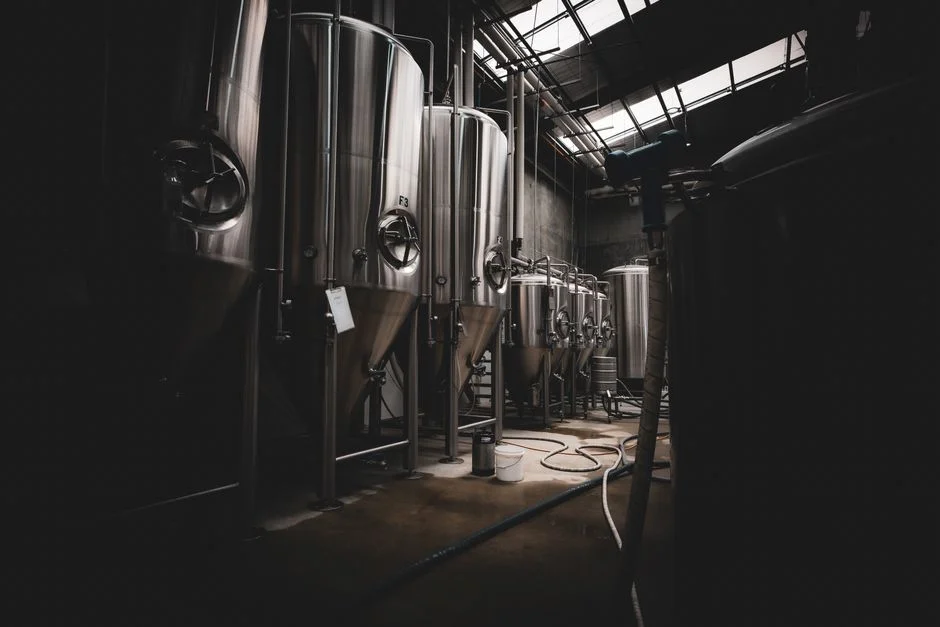
Brand recognition is not procurement due diligence. A Pune buyer should score every vendor on five concrete items before issuing a PO. (1) Documentation: ISO 9001:2015, CE marking on skids, and factory acceptance test (FAT) video for in-house QC review. (2) References: at least two operating Indian installations with 12+ months of operating data, not just sales brochures. (3) Commissioning and training: site commissioning by the vendor's engineer plus operator training, typically 6–10 weeks from PO for a 500 m³/day plant. (4) Spare parts logistics: a 2-week MTTR target with a regional warehouse in Pune or Mumbai, and a defined membrane replacement supply chain. (5) SCADA/PLC openness: confirm OCEMS protocol compatibility — Modbus RTU/TCP, OPC UA, or MPCB's published API — with no proprietary lock-in. For upstream screening, a rotary mechanical bar screen with 6 mm aperture is the standard first-stage item most Pune bidders should price alongside the biological step. For predictive maintenance and PLC lifecycle, predictive maintenance supplier selection for wastewater plants walks through the platform tradeoffs that go beyond the initial FAT.
Frequently Asked Questions
What are the standard MPCB discharge limits for treated industrial effluent in Pune? MPCB Schedule VI sets pH 5.5–9.0, BOD₃ 30 mg/L, COD 250 mg/L, TSS 100 mg/L, and oil & grease 10 mg/L for inland surface water; red-category industries face tighter bespoke limits (e.g., Cr⁶⁺ 0.5 mg/L in electroplating).
What CAPEX should a 500 m³/day ETP budget for in Pune in 2026? DAF + conventional ASP runs ₹1.2–1.6 lakh per m³/day installed, so a 500 m³/day plant sits in the ₹7–9 Cr equipment CAPEX range, with civil works adding 20–30%.
Is MBR cheaper than conventional activated sludge in the long run? MBR CAPEX is 40–60% higher upfront, but 60% smaller footprint, lower sludge yield, and reuse-ready effluent cut OPEX and unlock water-reuse revenue, often giving 2.5–4 year payback for high-tariff Pune sites.
How is MPCB OCEMS data reported in 2026? Red-category plants transmit flow, pH, COD, and TSS hourly to the MPCB server with ±5% tolerance; analyzer drift, calibration records, and method compliance are now audit items, not optional logs.
Which process train suits a Pune automotive plant with high oil content? DAF upfront to drop oil & grease from 200–800 mg/L to under 30 mg/L, then conventional ASP — a MBR polish is added only if the plant targets water reuse, not just MIDC-sewer discharge.