Why Dubai Is a High-Stakes Market for Wastewater Treatment Plant Buyers
Dubai's ambient profile makes generic plant specifications fail. Summer air temperatures of 40–50°C push biological kinetics roughly 30–40% faster than temperate reference designs, which shortens required hydraulic retention time but also accelerates biofouling on MBR membranes, raises evaporative loss from aeration basins by 8–12% versus European designs, and forces derating of dissolved-oxygen probes and blowers. Winter lows of 30–35°C still exceed 25°C, so no heating or enclosure insulation is required, but operator comfort and panel cooling become design constraints that suppliers from cooler markets routinely miss.
Water scarcity magnifies the cost of a non-compliant discharge. The UAE already treats over 30% of municipal wastewater for reuse, and the Dubai 2030 Water Strategy targets 100% reuse of treated wastewater by 2030, which means rejected effluent on a Jebel Ali site is not just a fine — it is a missed revenue stream from a Tseer-certified reuse network.
Dubai Municipality EHS Department enforces Federal Law No. 24 of 1999 alongside DM Technical Guideline DM-PH&SD-P1-TG03 for industrial effluent. Three industrial clusters drive most RFQ volume: Jebel Ali Free Zone (petrochemical, logistics, refinery), Dubai Industrial City (F&B, light manufacturing, third-party logistics), and Al Quoz (textile, metalworking, printing). A supplier qualified in one cluster is not automatically qualified in another, because influent character, zoning, and ATEX boundaries differ sharply.
Dubai Municipality EHS Discharge Limits Industrial Buyers Must Hit
Discharge compliance is a binary outcome: the effluent either passes the 24-hour composite sample or the operator pays. The 2024 DM EHS industrial limits are the binding spec a buyer should hand to every shortlisted manufacturer as a non-negotiable annex to the RFQ.
| Parameter | DM EHS limit (industrial discharge) | Notes for EPC |
|---|---|---|
| pH | 6.0–9.0 | Online probe required; equalization tank mandatory for batch sources |
| BOD5 | ≤ 20 mg/L | Drives biological sizing; affects MBR flux selection |
| COD | ≤ 150 mg/L | Ratio to BOD indicates biodegradability |
| TSS | ≤ 30 mg/L | UF polishing required for most reuse cases |
| Oil & grease | ≤ 10 mg/L | DAF pretreatment at 30–50 mg/L inlet recommended |
| Total nitrogen | ≤ 30 mg/L | Drives MBR vs SBR choice where influent TKN > 60 mg/L |
| Total phosphorus | ≤ 5 mg/L | Chemical precipitation stage needed for most cases |
| Free chlorine residual | 0.5–1.0 mg/L | Disinfection contact tank sizing; mandatory for marine outfall |
| Temperature (marine outfall) | ≤ 35°C | Cooling tower or holding tank if influent > 40°C |
Two discharge routes exist. Discharge to municipal sewer requires a DEWA trade effluent consent with its own sampling schedule, and the sewer tariff applies per m³ of trade effluent at the published DEWA rate. Discharge to the DM marine outfall is stricter on salinity, temperature, and residual chlorine because of the reef ecosystem. Both routes are governed by Federal Law No. 24 of 1999, Cabinet Decision No. 25 of 2017, and the DM EHS Technical Guidelines version 2023.
Non-compliance penalties are real: AED 10,000–50,000 per violation under DM EHS Order Article 4, with potential plant shutdown on repeat offence. A written effluent performance guarantee with liquidated damages is therefore the single most important commercial clause in any Dubai STP contract.
How to Match Treatment Process to Industrial Influent Type
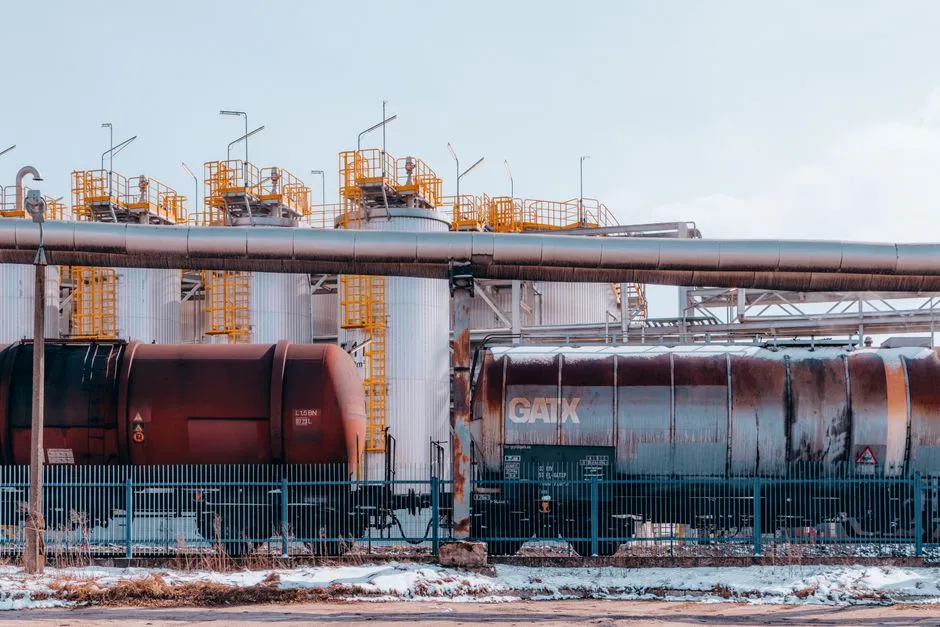
Process selection drives 60–70% of total lifecycle cost. The most widely deployed secondary biological process worldwide is the activated sludge process (ASP), valued for efficiency, simple operation, and low cost, with primary treatment preceding it as gravitational settling for debris, sand, oils, grease, and particulate wastes (per ScienceDirect, 2021). The matrix below maps four technology trains to the influent profiles most common in Dubai's industrial zones, and includes a deeper breakdown in the ammonia nitrogen removal technology comparison.
| Process train | Best-fit influent | Typical capacity | Effluent BOD / TSS | Footprint vs ASP | Key risk |
|---|---|---|---|---|---|
| MBR (Membrane Bioreactor) | High-strength industrial, water reuse required, footprint constrained | 10–2,000 m³/day | < 5 mg/L / < 1 mg/L | −40 to −60% | Membrane fouling, replacement cost |
| SBR (Sequencing Batch Reactor) | F&B, batch discharges, intermittent flow | 50–500 m³/day | < 10 mg/L / < 15 mg/L | −20% | Decanter maintenance, cycle timing |
| Conventional ASP with clarifier | Low COD/BOD ratio, domestic or mixed sewage, lowest CAPEX | 100–5,000 m³/day | < 20 mg/L / < 30 mg/L | Baseline | Sludge washout at peak flow |
| DAF + MBBR | High FOG, suspended solids, textile dye, refinery | 50–2,000 m³/day | < 20 mg/L / < 30 mg/L | −15% | DAF polymer cost, carrier loss |
For refinery and petrochemical clients in JAFZA, specify ATEX-certified electrical components (Ex d IIB T4 minimum) and vapor recovery on the DAF unit; standard IEC panels will be rejected at commissioning. A pre-treatment DAF system for FOG and suspended solids removal sized to 30–50 mg/L oil-in is the standard primary stage for refinery influents before biological polishing. A rotary mechanical bar screen for STP headworks with 6 mm bar spacing protects downstream MBR membranes from rags and fibrous debris, which is the single biggest cause of premature membrane replacement in Dubai.
7-Point Manufacturer Evaluation Scorecard for Dubai Projects
Tender evaluation needs a defensible scoring sheet, not a relationship call. The weighted scorecard below is calibrated to the failure modes most often seen in Dubai project disputes: missed effluent guarantees, slow service response, and inadequate ATEX documentation.
| # | Criterion | Weight | What good looks like |
|---|---|---|---|
| 1 | DM EHS project references in UAE | 20% | At least 3 commissioned plants with reference contact and 12-month operating data |
| 2 | In-house fabrication vs trading | 15% | Owned workshop, welding procedure specs, ISO 9001/14001 certificates |
| 3 | ATEX / IECEx certification | 15% | Ex d IIB T4 panels, Ex e junction boxes, valid ATEX certificates for Zone 1 |
| 4 | PLC / SCADA with remote monitoring | 10% | Siemens or Allen-Bradley PLC, 4G/Modbus telemetry, web HMI |
| 5 | Sludge handling scope owned | 10% | Filter press or screw press in same scope, no subcontracted sludge line |
| 6 | 24/7 service, 4-hour response in Jebel Ali / DIC | 20% | Local service engineers, stocked spares warehouse in JAFZA or Sharjah |
| 7 | 3-year warranty + consumables supply | 10% | Membrane, polymer, UV lamp supply commitment with price cap |
Disqualify on the following red flags: no UAE trade license, no DM EHS interaction history, refusal to provide effluent performance guarantee in writing, and absence of an in-house PLC programmer. The local market self-positions players such as Al Khabeer Water Treatment LLC as a sewage treatment plant supplier in Dubai with chlorine controller supply as a differentiator (per AKWT site, 2025) — useful as a reference benchmark when scoring smaller bidders, but always verify their DM EHS submission track record independently.
2026 CAPEX and OPEX Ranges for Wastewater Treatment Plants in Dubai
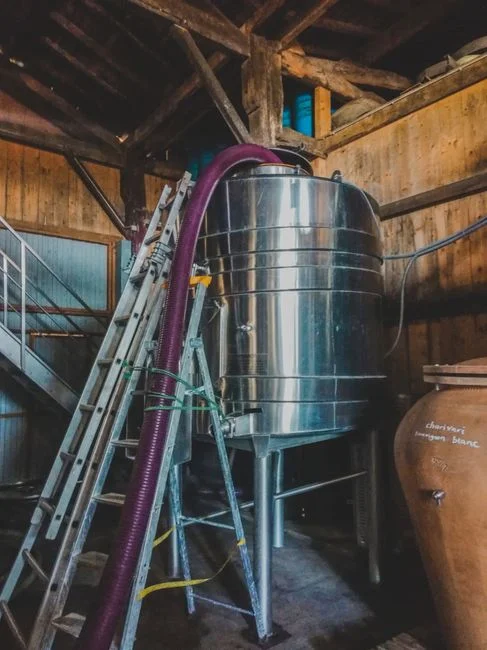
Suppliers exploit cost asymmetry when buyers arrive without reference pricing. The bands below are 2026 market ranges for Dubai-built systems, excluding civil works unless noted.
| Capacity band | Typical configuration | CAPEX range (AED, 2026) | Mainland vs JAFZA civil multiplier |
|---|---|---|---|
| 10–50 m³/day | Containerized package STP (SBR or MBR) | 180,000 – 350,000 | + 20% civil in JAFZA |
| 50–200 m³/day | Skid-mounted MBR or SBR | 350,000 – 900,000 | + 25% civil in JAFZA |
| 200–1,000 m³/day | Containerized ISO 20/40 ft MBR + DAF | 900,000 – 2,200,000 | + 30% civil in JAFZA |
OPEX is dominated by energy at 45–60% of total, followed by sludge handling 15–25%, chemicals 10–15%, labor 10–15%, and membrane replacement 5–10% for MBR systems. A granular SBR plant operating cost breakdown 2026 walks through each driver with field data. Capacity anchors to compare against: WSZ underground integrated sewage treatment plant at 1–80 m³/h, DAF systems at 4–300 m³/h, MBR membrane bioreactor at 10–2,000 m³/day (HydropureWater product spec, 2026).
Containerized ISO 20/40 ft skid adds a 12–18% CAPEX premium but saves 6–10 weeks of on-site installation, which often offsets the premium on JAFZA sites where site work permits are tight.
The 10-Step RFQ Checklist Before Signing a Dubai STP Contract
Run this list before contract award. Each item addresses a Dubai-specific failure mode seen in the last 24 months.
- Effluent performance guarantee with defined liquidated damages (AED per mg/L above limit per day).
- ATEX certification scope: Ex d IIB T4 for Zone 1, Ex e for Zone 2, with certificates attached.
- Containerized vs civil scope clarification: skid base, walkways, handrails, and lifting lugs specified.
- PLC brand lock: Siemens S7-1500, Allen-Bradley CompactLogix, or Schneider M580 — no proprietary brands.
- Membrane brand and 5-year replacement supply commitment with price cap (USD/m²).
- Sludge dewatering scope: filter press or screw press included, polymer dosing skid specified.
- Commissioning and training delivered in Arabic, English, and Hindi where relevant.
- DM EHS submission support: name the licensed consultant who will sign the application.
- Warranty period (minimum 24 months) and response time SLA (4 hours JAFZA, 8 hours elsewhere).
- Performance test protocol: third-party NABL or ISO 17025-accredited lab for the 24-hour composite.
The headworks screen is non-negotiable for any MBR system; specify a rotary mechanical bar screen for STP headworks at 6 mm spacing before the equalization tank. For projects targeting reuse-grade effluent, a compact MBR membrane bioreactor system for industrial water reuse with PVDF flat-sheet membranes at < 1 μm filtration delivers roughly 60% smaller footprint than an equivalent ASP with cloth-media filter, and is now the default specification for 200–1,000 m³/day industrial projects in Dubai Industrial City.
Frequently Asked Questions
Q1. How long does delivery and installation take for a 100 m³/day industrial STP in Dubai?
Ex-works delivery is 8–14 weeks depending on membrane and panel sourcing; on-site installation and commissioning is typically 4–6 weeks. Containerized systems compress the site phase to 2–3 weeks.
Q2. Do containerized systems meet DM EHS discharge limits?
Yes, provided the train is MBR or SBR with UF polishing and a chlorination contact tank. Containerized systems from tier-one manufacturers routinely hit BOD ≤ 5 mg/L and TSS ≤ 1 mg/L.
Q3. Are ATEX-certified components mandatory for refinery clients in JAFZA?
Yes. Any equipment inside Zone 1 or Zone 2 boundaries must carry ATEX or IECEx certification to Ex d IIB T4 minimum. Standard IEC panels will fail DM EHS inspection.
Q4. Do manufacturers handle DM EHS permit submission?
Leading UAE suppliers handle the submission directly. International suppliers typically support through a local partner or licensed environmental consultant — confirm this in the RFQ and name the consultant.
Q5. What is the typical MBR membrane replacement interval in Dubai?
PVDF flat-sheet membranes: 5–7 years. Hollow-fiber UF: 3–5 years with proper maintenance, including weekly CIP with citric acid and sodium hypochlorite per OEM protocol.
Related Equipment
- underground package sewage treatment plant for Dubai commercial developments — specifications, capacity range, and technical data