How Heavy Metals Are Removed from Industrial Wastewater: The 2026 Shortlist
Seven full-scale technology families are deployed for heavy metals removal from industrial wastewater in 2026: (1) hydroxide precipitation, (2) sulfide precipitation, (3) ion exchange on cationic or chelating resins, (4) adsorption on activated carbon or engineered media, (5) membrane filtration (nanofiltration and reverse osmosis), (6) electrochemical treatment (electrocoagulation and electrodialysis), and (7) biosorption on fungal or bacterial biomass. Of these, six are proven at multi-m³/h industrial scale; biosorption mechanisms (bioaugmentation, bioaccumulation, biosorption, biomineralization, and biotransformation, per the 2023 Toxicity of Heavy Metals review) remain largely pilot-scale outside a few niche installations.
Mature technology still carries the load. The Fungal-Based Nanotechnology chapter notes that "conventional technologies to treat industrial waters are limited by stringent health policies and emerging contaminants," which means buyers are pushing proven chemistry harder rather than replacing it. The compliance ceiling that defines the 2026 procurement decision is set by three regulatory instruments: EU IED 2010/75/EU, China GB 25466 (lead-zinc industry discharge), and EPA 40 CFR Part 433 for metal-finishing effluent, with ELVs typically landing between 0.1 and 2 mg/L depending on metal and receiving water body. The metal set this guide addresses — Cd, Cr(VI)/Cr(III), Cu, Ni, Pb, Zn, As, Hg — comes from the dominant industrial sources: electroplating, battery cell and recycling operations, printed circuit board manufacture, mining and mineral processing, and general metal finishing.
Chemical Precipitation: Hydroxide and Sulfide Methods
Hydroxide precipitation is still the lowest-cost first stage: raise pH to 8–11 with NaOH or lime, metals form M(OH)n flocs, and a lamella clarifier settles the solids. Removal typically lands at 95–99.9% for Cu, Ni, Zn, and Cd, with Cr(III) reaching <0.5 mg/L and Pb reaching <0.2 mg/L when pH is controlled within ±0.3 units of each metal's minimum solubility (Cu ~pH 7, Ni ~pH 9, Zn ~pH 9.5, Cd ~pH 10.5). Sulfide precipitation, using Na2S or FeS, drives effluent to <0.05 mg/L across a wider pH window (2–9) but produces 3–5× more sludge volume than the hydroxide case, and the sludge frequently fails TCLP for sulfide leachability, classifying it as hazardous waste (HydropureWater field data, 2026).
The classic failure mode is amphoteric metals — Zn, Al, Cr(VI after reduction to Cr(III)) — which redissolve when pH overshoots above 10. A two-stage train (pH 9 for Zn/Ni, then pH 11 for Cd/Pb) or a switch to sulfide is the standard fix. Equipment consists of automatic chemical dosing for pH adjustment and coagulant injection, a rapid mix tube, a lamella clarifier for heavy metal hydroxide floc separation, and a filter press for the underflow. CAPEX runs $50–$200 per m³/day of capacity, with OPEX of $0.15–$0.40/m³ for hydroxide chemistry and $0.60–$1.10/m³ for sulfide (reagent cost is the swing variable, not labor).
| Parameter | Hydroxide Precipitation | Sulfide Precipitation |
|---|---|---|
| Operating pH window | 8.0–11.0 (metal-specific) | 2.0–9.0 |
| Typical removal (Cu, Ni, Zn, Cd) | 95–99.9% | 99.5–99.99% |
| Achievable effluent Cu/Ni/Zn | <0.5 mg/L | <0.05 mg/L |
| Sludge volume (kg/m³ treated, 100 mg/L influent) | 0.4–0.7 | 1.5–3.0 |
| Reagent cost share of OPEX | 60–75% | 70–85% |
| TCLP hazardous classification risk | Low (stabilized hydroxide) | High (residual sulfide) |
| CAPEX ($/m³/day) | $50–$200 | $80–$250 |
| OPEX ($/m³) | $0.15–$0.40 | $0.60–$1.10 |
Ion Exchange Resins: Polishing to Sub-0.1 mg/L
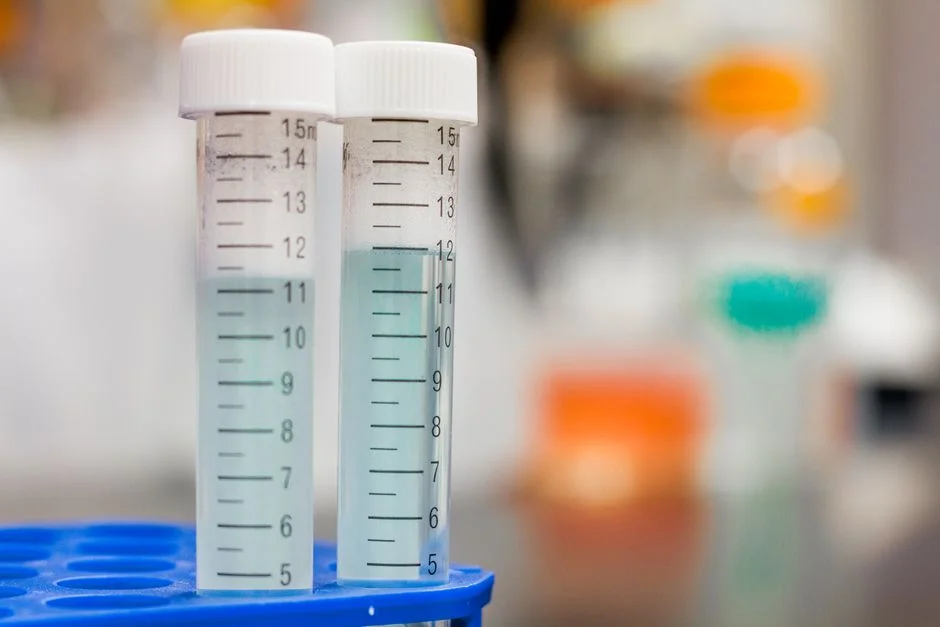
Ion exchange is the right tool when effluent must land below 0.1 mg/L for individual metals and the feed is already pre-precipitated. A strong-acid cationic resin in the Na+ form exchanges H+/Na+ for dissolved metal cations; chelating resins (iminodiacetic or aminomethylphosphonic functional groups) are selective for divalent heavy metals over Ca2+/Mg2+, which is what lets the bed keep capacity through the breakthrough curve. Typical performance: effluent Cu/Ni/Cd <0.05 mg/L when influent is <50 mg/L TDS, with strong-acid resin capacity at 0.8–1.5 eq/L and chelating resin at 0.3–0.6 eq/L (per Purolite and Lanxess product datasheets, 2025).
Regeneration consumes 8–12% NaCl at 1.5–3× the resin's working exchange capacity, and the spent regenerant is a concentrated brine that must be sent back to the precipitation stage — this loop is what makes the mass balance non-trivial. Operating window: rinse waters with TDS <500 mg/L and post-precipitation polishing are ideal; raw mine drainage at TDS 2,000–10,000 mg/L will blind the bed within hours. OPEX runs $0.80–$1.50/m³, dominated by salt and resin replacement (5–7 year life), and CAPEX is $300–$700 per m³/day for a two-bed skid with in-line conductivity meters.
Membrane Filtration: Nanofiltration and Reverse Osmosis
NF (200–300 Da nominal cutoff) rejects multivalent metal ions at 50–80% lower transmembrane pressure than RO; RO rejects 97–99.8% of all heavy metals regardless of valence and is what gets you to the <0.01 mg/L permeate the EU IED ELVs effectively demand when you also want to reuse the water. For a metal-finishing rinse stream post-precipitation, RO delivers Cu/Ni/Zn/Cd/Pb <0.01 mg/L in permeate at 95–98% recovery; NF delivers 95–99% rejection for divalent metals while passing monovalent Na+/Cl−, which is useful when you want to recover salt from a plating bath.
The non-negotiable pretreatment is TSS <1 mg/L and Silt Density Index <3, which is why a multi-media filter upstream of RO for SDI reduction is mandatory — and why RO rarely sits at the head of a heavy-metal train. Industrial RO CAPEX runs $800–$1,500 per m³/day of permeate capacity; OPEX is $0.40–$0.90/m³, dominated by energy at 0.8–1.5 kWh/m³ and membrane replacement on a 3–5 year cycle. Per EU IED 2010/75/EU, the same ELVs apply to membrane concentrate as to the original waste stream, and concentrate volume is typically 15–30% of feed, so the concentrate must be recycled upstream or sent to a dedicated evaporation/crystallization step. For polishing and reuse duty, see the industrial RO for heavy metal polishing and water reuse reference design.
Electrochemical and Adsorption Alternatives
Electrocoagulation uses Fe or Al sacrificial anodes; the released Fe2+/Al3+ hydrolyzes to flocs that co-precipitate dissolved metals. Field performance is 90–98% removal for Cu/Ni/As at 1–3 kWh/m³, but electrode consumption ($0.20–$0.50/m³ in plate wear) and passivation at pH >9 limit adoption to sites with restricted chemical handling or variable feed composition. Electrodialysis uses ion-selective membranes to concentrate metals 10–50× under a DC field; the niche is selective recovery (Ni from a plating bath for direct reuse) rather than disposal.
Activated carbon adsorption works for Hg, Au, and some organometallics at 5–25% loading by weight; CAPEX is low but OPEX runs $2–$6/m³ on media replacement once the carbon is spent, which is why vendors sell it as a polish, not a primary. Functionalized iron-oxide nanoparticles — magnetite (Fe3O4), hematite (α-Fe2O3), maghemite (γ-Fe2O3) with organic surface groups — show lab-scale adsorption capacities of 50–200 mg/g (per the Jul 2020 Functionalized Nanomaterials review). These remain research-grade: no vendor is shipping them at the m³/h scale in 2026, and the buyer should treat any such claim with caution.
Technology Comparison: Removal Efficiency, Sludge, and Cost in 2026
The table below consolidates the values from the prior sections. The columns are the metrics a process engineer defends in front of a CAPEX committee.
| Technology | Target Metals | Influent Range (mg/L) | Achievable Effluent (mg/L) | Sludge Volume (kg/m³ @ 100 mg/L) | CAPEX ($/m³/day) | OPEX ($/m³) | Typical Flow (m³/h) | Maturity |
|---|---|---|---|---|---|---|---|---|
| Hydroxide precipitation | Cu, Ni, Zn, Cd, Pb, Cr(III) | 10–5,000 | 0.2–2.0 | 0.4–0.7 | $50–$200 | $0.15–$0.40 | 1–500 | Industrial |
| Sulfide precipitation | Cu, Ni, Zn, Cd, Pb, Hg | 1–1,000 | <0.05 | 1.5–3.0 | $80–$250 | $0.60–$1.10 | 1–200 | Industrial |
| Ion exchange (chelating) | Cu, Ni, Zn, Cd, Pb | 0.5–50 | <0.05 | 0.1–0.3 (resin waste) | $300–$700 | $0.80–$1.50 | 1–100 | Industrial |
| NF / RO membrane | All dissolved metals | 0.1–100 | <0.01 | 0.05–0.2 (concentrate) | $800–$1,500 | $0.40–$0.90 | 1–200 | Industrial |
| Electrocoagulation | Cu, Ni, As, Zn | 10–500 | 0.1–1.0 | 0.5–1.2 | $200–$600 | $0.30–$0.80 | 1–50 | Industrial (niche) |
| Activated carbon | Hg, Au, organometallics | 0.1–20 | <0.01 | n/a (spent media) | $150–$400 | $2.00–$6.00 | 1–30 | Industrial |
| Biosorption (fungal/bacterial) | Cu, Cr, Pb, Cd | 1–200 | 0.1–1.0 | 0.3–0.8 (biomass) | $100–$300 | $0.20–$0.60 | <5 | Pilot |
For most metal-finishing and battery-recycling streams at 10–500 mg/L influent, hydroxide precipitation followed by ion exchange delivers the lowest 5-year TCO while meeting EU IED and GB 25466 limits.
How to Choose: A 4-Step Selection Framework
- Characterize the stream. List target metals, concentration range, pH, TDS, hourly flow, and the binding discharge limit (EPA 40 CFR 433, EU IED 2010/75/EU, GB 25466, or local). Without these, the table above is decorative.
- Pick the first stage. If total metals exceed 10 mg/L or flow exceeds 5 m³/h, default to hydroxide precipitation. If amphoteric metals (Zn, Al) dominate, or if a single-stage sub-0.1 mg/L effluent is required, choose sulfide — and budget for hazardous sludge disposal.
- Pick the polishing step. Use ion exchange if TDS <500 mg/L and the target is <0.05 mg/L; use NF/RO if water reuse is a parallel goal and the concentrate has a downstream destination. Choose electrochemical if chemical handling is restricted on-site and feed composition swings daily.
- Account for residuals. Sludge dewatering and concentrate disposal typically consume 30–50% of total OPEX. A filter press for metal hydroxide sludge dewatering sized to the underflow rate is the single most undersized item in many tender documents.
Frequently Asked Questions
What is the best technology for heavy metals removal from industrial wastewater in 2026? For most metal-finishing and battery-recycling streams at 10–500 mg/L total metals, hydroxide precipitation is the lowest-cost first stage (95–99.9% removal at $0.15–$0.40/m³ OPEX), with ion exchange or RO as the polish to sub-0.05 mg/L.
When should I choose sulfide over hydroxide precipitation? When the feed contains amphoteric metals (Zn, Al) or the discharge limit is <0.1 mg/L in a single stage. Sulfide tolerates pH 2–9 and drives effluent to <0.05 mg/L, but sludge volume is 3–5× higher and frequently classifies as TCLP hazardous.
Can RO meet EU IED 2010/75/EU and GB 25466 limits on its own? Yes — RO delivers <0.01 mg/L permeate for Cu/Ni/Zn/Cd/Pb at 95–98% recovery, but the concentrate (15–30% of feed) must be recycled upstream or sent to evaporation, since the same ELVs apply to it under EU IED.
Is ion exchange viable for high-TDS mine drainage? No. Chelating and strong-acid resins are designed for TDS <500 mg/L; raw mine drainage at 2,000–10,000 mg/L will blind the bed within hours. Precipitation first, then ion exchange.
Are functionalized iron-oxide nanoparticles commercially available? Lab-scale adsorption capacities of 50–200 mg/g have been published (Jul 2020 review), but no industrial-scale m³/h deployment exists in 2026. Treat any vendor offer as a pilot, not a procurement.
Which technology handles nickel specifically? See the nickel-specific removal guide for plating-bath and rinse-stream variants. For mixed-metal streams from cathode black mass leaching, the battery-recycling wastewater buyer's guide covers the upstream flowsheet; for anodizing rinse water specifically, see the anodizing effluent treatment guide.