Why Santiago Hospitals Need a Dedicated Treatment Train in 2026
Hospital wastewater treatment in Santiago in 2026 must comply with NCh 1333 and DS 90/2000 MINSEGPRES limits for BOD5 (≤35 mg/L), COD (≤150 mg/L), total nitrogen, total phosphorus, and fecal coliforms (≤1000 NMP/100 mL). Typical hospital influent measures BOD5 192 mg/L and COD 245 mg/L, requiring a four-stage train: rotary screening, equalization, biological treatment (MBR or A/O preferred), and ClO2 or ozone disinfection before discharge to the SISS-regulated sewer network.
NCh 1333.Of80, reaffirmed in 2024, governs the quality of the surface-water receiving body, while DS 90/2000 MINSEGPRES sets the emission standard for industrial effluents discharged to the public sewer — both apply to hospital wastewater because the stream contains pharmaceutical residues, pathogens, and radioisotopes that municipal bylaws do not anticipate. Even when a hospital discharges to the SISS-regulated trunk sewer, Article 4.4.1 of DS 735/1969 and the 2024 ACHS hospital environmental guidance update require on-site pre-treatment to protect downstream infrastructure and the receiving WWTP. Santiago's three municipal WWTPs already process 300,000 tonnes of sludge per year while consuming 134 GWh (per the Santiago Biofactory dataset), so any load the hospital pushes into the network has a quantifiable downstream cost. The 2026 enforcement picture is also tightening: SEREMI de Salud Metropolitana increased hospital inspection frequency through 2024-2025, citing 47 facilities for non-compliant effluent — the highest compliance failure rate in the sanitary segment. For new builds and retrofits, that means pre-treatment sizing, monitoring, and self-reporting are no longer optional.
Hospital Wastewater Characteristics vs. Typical Municipal Sewage
Hospital wastewater is not "dilute municipal sewage with a few drugs in it" — the load profile is categorically different, and the engineering must reflect that. Peer-reviewed data from a Chlorella sp. LH2 study on hospital effluent (Bioresources and Bioprocessing, 2024) reports BOD5 of 192 ± 8.62 mg/L reducing to 23.91 ± 2.19 mg/L after biological treatment, and COD of 245 ± 9.15 mg/L reducing to 47.31 ± 5.71 mg/L. The influent BOD5:COD ratio of 0.77 sits well above the 0.5 biodegradability threshold, which is the strongest single argument for biological treatment as the core process in a Santiago hospital. The same study reports 68.64% total nitrogen and 64.44% total phosphorus removal over a 10-day hydraulic residence, and 88.92% elimination of E. coli ATCC 8739 after 7 days — useful benchmarks for sizing the biological and disinfection stages against DS 90/2000 and NCh 1333 effluent limits.
Compared with typical Santiago municipal sewage (BOD5 ~200-250 mg/L, COD ~400-500 mg/L, ammonia ~30 mg/L), hospital streams carry 10-100× higher pharmaceutical compound loads, 1,000-10,000× higher antibiotic resistance gene (ARG) concentrations, mercury and silver from laboratories, and radioisotopes from imaging departments (Tc-99m, I-131) that municipal treatment cannot remove. The flow is also more diurnal — peaking 09:00-12:00 — and pH swings from CSSD chemical discharges (pH 10-12) can shock a biological stage without equalization. Santiago adds two further design constraints: altitude of 520 m above sea level has only a marginal effect on oxygen transfer (approximately 4-5% correction), but winter wastewater temperatures of 10-15°C reduce biological activity by 15-25% versus tropical references, so winter sizing must use the low-end kinetic rates. The metropolitan region is seismic zone 2, which mandates flexible couplings, base isolators, and seismic restraints on blowers, pumps, and membrane modules. For a fuller breakdown of how these characteristics drive equipment selection across healthcare facilities, see Healthcare Wastewater Systems Explained: Engineering, Standards & Zero-Risk Treatment Solutions.
| Parameter | Hospital Influent (typical) | Post-Biological Effluent | DS 90/2000 Limit (sewer discharge) |
|---|---|---|---|
| BOD5 | 192 ± 8.62 mg/L | 23.91 ± 2.19 mg/L | ≤ 35 mg/L |
| COD | 245 ± 9.15 mg/L | 47.31 ± 5.71 mg/L | ≤ 150 mg/L |
| BOD5:COD ratio | 0.77 (highly biodegradable) | — | — |
| Total nitrogen removal | — | 68.64% | ≤ 40 mg/L (per NCh 1333 receiving body) |
| Total phosphorus removal | — | 64.44% | ≤ 10 mg/L (per NCh 1333 receiving body) |
| E. coli removal | — | 88.92% (7 days) | ≤ 1000 NMP/100 mL fecal coliform |
| Pharmaceutical load | 10-100× municipal | Variable; advanced oxidation required for reuse | Not numerically specified; case-by-case |
The Four-Stage Treatment Train for Santiago Hospitals
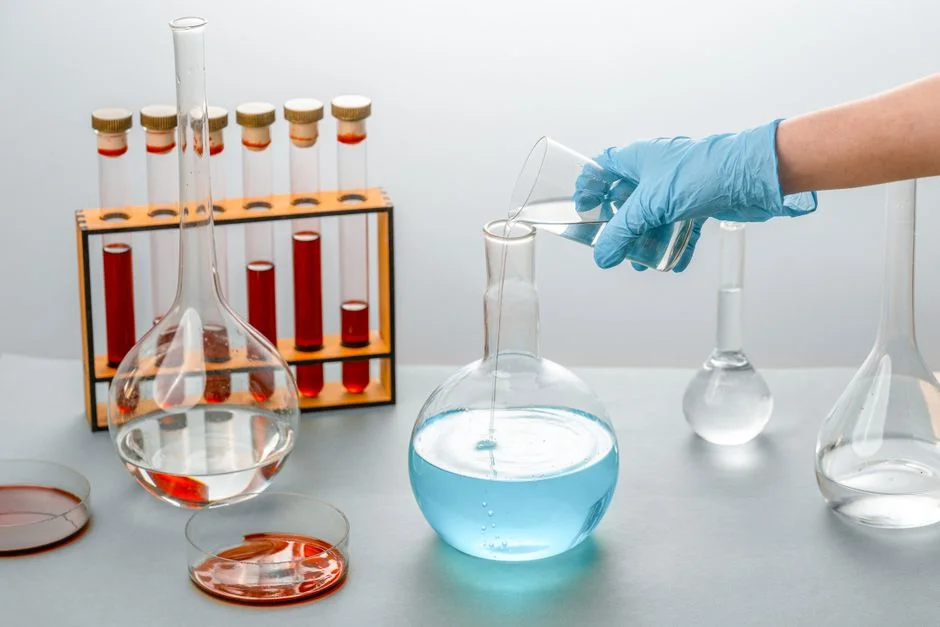
A 2026-compliant Santiago hospital train runs in four unit operations, each with a defensible engineering envelope.
Stage 1 — Coarse screening. A GX rotary mechanical bar screen with 3-6 mm bar spacing in 304/316 stainless steel removes gauze, cotton swabs, plastic packaging, and the patient-care debris that would blind downstream membranes or settle in equalization tanks. For hospitals with CSSD and laboratory discharges, a 3 mm spacing is the safer spec.
Stage 2 — Equalization. A 6-12 hour HRT equalization tank buffers the 09:00-12:00 flow peak, dampens pH spikes from CSSD streams (pH 10-12), and gives operators a stable feed to the biological stage. Mixing at 4-6 W/m³ via submersible mixers prevents short-circuiting; aeration mixing (10-15 m³ air per m³ tank volume per day) is preferred when the equalization tank doubles as a pre-aeration stage for sulfide control.
Stage 3 — Biological treatment. The preferred option for a Santiago hospital above 50 beds is an MBR membrane bioreactor system with PVDF hollow-fiber membranes at 0.1-0.4 μm nominal pore size, operated at MLSS 8,000-12,000 mg/L, HRT 6-10 h, and SRT 20-30 days. MBR delivers a 60% footprint reduction versus conventional activated sludge, achieves effluent BOD5 below 5 mg/L and TSS below 1 mg/L, and produces reuse-grade water for toilet flushing, cooling, and irrigation. For smaller facilities (10-50 beds) the WSZ underground package sewage treatment plant with A/O biological contact oxidation (1-80 m³/h, buried or trailer-mounted) is the more economical option. The Chlorella dataset's 68.64% TN and 64.44% TP removal after 10 days sets the realistic biological-stage target the disinfection stage must polish.
Stage 4 — Disinfection. A ClO2 disinfection generator sized 50-20,000 g/h dosing 1-2 mg/L ClO2 with 30 minutes of contact time reliably hits the ≤1000 NMP/100 mL fecal coliform limit while avoiding the trihalomethane formation associated with NaOCl at high organic loads. For hospitals targeting reuse, ozone at 5-10 mg/L gives 99.9% E. coli reduction and partial pharmaceutical oxidation — useful where the receiving body is sensitive or where the hospital wants to advertise the lowest possible chemical footprint.
Process Selection: MBR vs SBR vs Package Plant for Santiago Hospitals
Process selection for a Santiago hospital reduces to three decision drivers: bed count, reuse intent, and available urban footprint. Use the framework below to shortlist before issuing an enquiry.
- 10-50 bed clinics, suburban Santiago, discharge-only — the WSZ package plant wins on CAPEX and on installation speed (buried, fully automatic, requires only a daily 15-minute operator check). Pair with ClO2 disinfection; skip the MBR unless reuse is in scope.
- 50-200 bed urban hospitals, footprint under 200 m², reuse target 30-40% — the MBR membrane bioreactor system is the default. Effluent BOD5 under 5 mg/L and TSS under 1 mg/L meet the reuse envelope for toilet flushing and landscape irrigation. The 60% footprint reduction versus conventional activated sludge is the decisive urban-plot advantage.
- 200+ bed reference hospitals, multiple reuse end-uses — full MBR plus ozone polishing plus a reuse distribution loop. This is also the configuration with the lowest SEREMI inspection risk because the monitoring and control envelope is fully automated.
- Retrofit scenarios with existing concrete tanks — SBR (sequencing batch reactor) is viable where the capex ceiling is tight and an operator with biological-process experience is on staff. SBR has higher operator skill demand and a larger footprint per m³ treated, which is why it is rarely the first choice for a new build in Santiago.
For catering-heavy hospitals where influent FOG exceeds 50 mg/L, add a DAF (dissolved air flotation) unit upstream of equalization — see the DAF system (4-300 m³/h) — to protect the biological stage from fat fouling. Where the discharge carries persistent pharmaceutical residues, the medical wastewater treatment system integrates pre-treatment, biological, and advanced oxidation in a skid package sized for 10-200 bed facilities.
| Criterion | WSZ Package Plant | SBR | MBR |
|---|---|---|---|
| Bed-count sweet spot | 10-50 beds | 50-150 beds (retrofit) | 50-500+ beds |
| Footprint | Buried / minimal surface | Large (multiple batch basins) | Compact (60% smaller than CAS) |
| Effluent BOD5 | ≤ 20 mg/L | ≤ 20 mg/L | ≤ 5 mg/L |
| Effluent TSS | ≤ 20 mg/L | ≤ 20 mg/L | ≤ 1 mg/L |
| Reuse capability | Limited | Limited | Yes — toilet, irrigation, cooling |
| Operator skill | Low (automated) | Medium-high (batch sequencing) | Low-medium (SCADA-monitored) |
| CAPEX envelope (US$) | 15,000-30,000 (10-bed) | Mid (depends on existing tanks) | 150,000-1.2M (200-500+ bed) |
| Best Santiago fit | Suburban clinic, new build | Existing concrete retrofit | Urban hospital with reuse goal |
Sludge Management and Reuse Options in Santiago
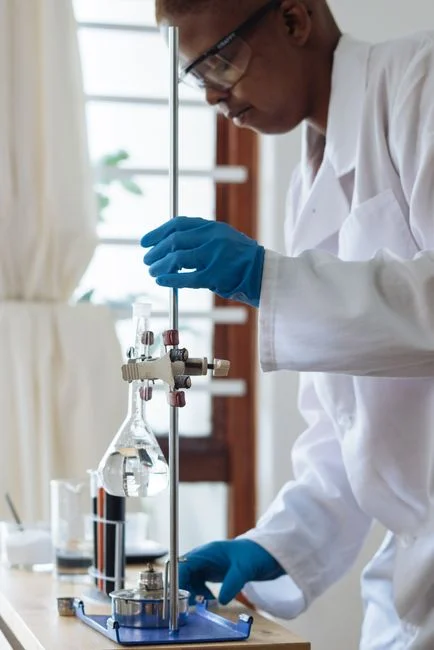
The liquid-side train is only half the design — what comes out of the biological clarifier or membrane tank is hospital sludge classified as Lodos Peligrosos under DS 148/2003 MINSAL, which requires stabilization before landfill disposal or incineration. The standard dewatering step is a plate and frame filter press with 1-500 m² filtration area, operated at 6-8 bar feed pressure to reach 25-30% dry solids — an 80% volume reduction that cuts transport and disposal cost proportionally. For sites targeting zero liquid discharge, the high-efficiency sedimentation tank upstream of the press improves solids capture and reduces polymer consumption. Optional thermal drying or co-incineration with hospital medical waste (autoclave-compatible streams only) closes the loop but adds a CAPEX tier that is justified only for 200+ bed facilities. The regional constraint to keep in mind: Santiago's 300,000 tonnes/year of WWTP sludge already stresses available disposal capacity, so any hospital sludge reaching landfill without dewatering is unlikely to be accepted in 2026.
2026 CAPEX, OPEX, and Compliance Timeline for Santiago Hospital WWTPs
Budget numbers below are 2026 USD-equivalent ranges for Santiago projects based on typical equipment packages and Chilean installation cost benchmarks. Convert to CLP at the prevailing 2026 rate before submitting to procurement.
- CAPEX, 10-bed clinic: US$15,000-30,000 — WSZ or compact medical package with ClO2 disinfection; typical installed cost CLP 14-28 million.
- CAPEX, 50-bed hospital: US$60,000-120,000 — WSZ or compact MBR; CLP 56-112 million.
- CAPEX, 200-bed hospital: US$150,000-350,000 — full MBR with reuse polishing; CLP 140-330 million.
- CAPEX, 500+ bed reference hospital: US$500,000-1.2M — full MBR plus reuse distribution, ozone, and sludge dewatering; CLP 470 million-1.13 billion.
OPEX breakdown (HydropureWater field data, 2026): energy 35-45% (dominated by blowers and MBR permeate pumps), chemicals 20-30% (NaOCl/ClO2 and CIP reagents), sludge disposal 15-25%, labor 10-15%, and MBR membrane replacement 5-8% amortized over a 7-10 year membrane life. The compliance schedule for 2026 is: SEREMI de Salud inspections quarterly, SISS self-reporting every six months per DS 90, ACHS environmental audit annually, and non-compliance fines ranging 50-1,000 UTM per event. A reuse program at 30-40% offset on Santiago metered water saves US$8,000-25,000/year for a 200-bed hospital, which gives a 4-6 year payback on the MBR delta over a package plant. For municipal-plant comparators and zero-discharge roadmaps relevant to the same budget cycle, see the Municipal Sewage Wastewater Treatment Solution: 2026 Engineering Guide and the Zero Liquid Discharge Adoption 2026: Industrial Roadmap, Costs & Real-World Case Data reference. For comparable hospital design experience outside Chile, the Hospital Wastewater Treatment in Mecca 2026: Standards, Process Design & Equipment Guide covers an analogous regulatory envelope.
Frequently Asked Questions
What are the 2026 DS 90/2000 discharge limits for hospital wastewater in Santiago?
DS 90/2000 MINSEGPRES sets BOD5 ≤ 35 mg/L, COD ≤ 150 mg/L, and NCh 1333 adds total nitrogen, total phosphorus, and fecal coliforms ≤ 1000 NMP/100 mL for sewer discharge. Hospital-specific limits on pharmaceuticals, ARGs, and radioisotopes are assessed case-by-case by SEREMI de Salud Metropolitana.
What BOD5 and COD can a properly designed Santiago hospital biological stage achieve?
Peer-reviewed data (Chlorella sp. LH2, Bioresources and Bioprocessing, 2024) shows influent BOD5 of 192 ± 8.62 mg/L and COD of 245 ± 9.15 mg/L reducing to 23.91 ± 2.19 mg/L and 47.31 ± 5.71 mg/L respectively after biological treatment, comfortably below the DS 90/2000 caps. An MBR stage typically pushes BOD5 below 5 mg/L.
MBR, SBR, or package plant — which is right for a 100-bed urban Santiago hospital?
An MBR membrane bioreactor system is the default for a 50+ bed urban hospital because it hits reuse-grade BOD5 under 5 mg/L, fits a sub-200 m² footprint, and has the lowest operator skill demand. SBR is reserved for retrofits with existing concrete tanks; WSZ package plants are for 10-50 bed facilities.
How is hospital sludge classified and disposed of in Santiago?
Hospital sludge is Lodos Peligrosos under DS 148/2003 MINSAL and must be stabilized — typically by dewatering on a plate and frame filter press to 25-30% dry solids — before landfill or incineration. Direct landfill discharge of liquid hospital sludge is not compliant in 2026.
What is the payback period for an MBR with water reuse in a 200-bed Santiago hospital?
A reuse program at 30-40% offset saves US$8,000-25,000/year on Santiago metered water, which against an MBR CAPEX delta of roughly US$100,000-200,000 versus a package plant gives a 4-6 year payback.