Dakar hospital effluent often carries COD up to 800 mg/L and E. coli above 10^6 CFU/100mL, against WHO/EPA fecal coliform limits below 1,000 CFU/100mL. Teams apply compliance dakar equipment hospital risk specs when comparing MBR pathogen removal at 99.9% with DAF TSS reduction at 92%, then add chlorine dioxide for a 4-log kill under Senegal’s Decree No. 2024-1234.
Compliance dakar equipment hospital risk specs for Dakar hospital WWTPs
Hospital wastewater treatment in Dakar is the engineered control of high-strength medical effluent so COD, BOD, TSS, FOG, and pathogens meet Senegal Decree No. 2024-1234 and WHO tropical-climate discharge limits. Typical trains combine FOG/TSS primary separation, biological or membrane polishing, and residual disinfection before safe discharge or controlled reuse.
Why Dakar hospitals need specialized wastewater treatment
Hospital wastewater in Dakar holds far higher pollutant and pathogen loads than municipal sewage. 2024 WHO Africa Regional Office data place hospital COD and BOD about 3–5 times above municipal averages, with COD often near 800 mg/L versus about 250 mg/L for domestic sewage. That organic load needs stronger primary and secondary stages than a city plant provides.
Pathogen counts commonly exceed 10^6 CFU/100mL for E. coli and 10^5 CFU/100mL for Salmonella. Meeting the WHO limit below 1,000 CFU/100mL for fecal coliforms requires at least a 4-log reduction. Conventional municipal plants are not designed for that kill.
Senegal’s Decree No. 2024-1234 requires tertiary filtration and disinfection for medical effluent. Non-compliance can bring fines up to $50,000 per year (Senegalese Ministry of Environment, 2025). Ambient air at 30–35°C also speeds microbial growth in plumbing, raising organic load and antibiotic-resistant bacteria risk, so disinfection must stay robust.
Engineering specs: influent versus effluent for Dakar hospitals
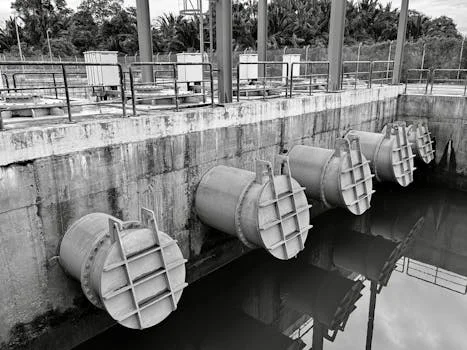
Dakar hospital influent often shows high FOG and lower pH from disinfectants and medicines. FOG can sit at 150–250 mg/L, which is higher than many other African cities, so grease traps or Dissolved Air Flotation (DAF) are common pre-treatment steps.
The table below lists typical Dakar hospital influent ranges and the matching Senegal and WHO/EPA effluent limits.
| Parameter | Typical Dakar Hospital Influent Range | Senegal Decree 2024-1234 Effluent Limit | WHO/EPA Effluent Limit | WHO 2025 Tropical Climate Effluent Guideline |
|---|---|---|---|---|
| pH | 5.5–8.0 | 6–9 | 6.5–8.5 | 6–9 |
| COD (mg/L) | 500–800 | <100 | <50 | <50 |
| BOD₅ (mg/L) | 250–400 | <30 | <20 | <10 |
| TSS (mg/L) | 200–350 | <30 | <30 | <10 |
| FOG (mg/L) | 150–250 | <10 | <10 | <5 |
| E. coli (CFU/100mL) | 10^5–10^7 | <1,000 (Fecal Coliforms) | <1,000 (Fecal Coliforms) | <10 |
| Salmonella (CFU/100mL) | 10^4–10^6 | Not Specified | Not Detected | Not Detected |
| Residual Chlorine (mg/L) | N/A | 0.5–1.0 | 0.2–2.0 | 0.5–1.0 |
Decree No. 2024-1234 sets effluent pH at 6–9, TSS below 30 mg/L, fecal coliforms below 1,000 CFU/100mL, and residual chlorine at 0.5–1.0 mg/L. WHO’s 2025 tropical-climate guidance goes further for E. coli, recommending less than 10 CFU/100mL where reuse or sensitive waters apply. That stricter WHO mark is a practical future benchmark for Dakar operators.
Treatment technologies compared: MBR, DAF, and ozone
Choosing primary and secondary treatment for Dakar hospitals means weighing MBR, DAF, and ozone against high pathogens, FOG, footprint, energy, and cost. Pathogen removal drives most shortlists when E. coli and Salmonella counts stay elevated.
| Technology | Removal Efficiency (COD/TSS/E. coli) | Footprint | Energy Use (kWh/m³) | CAPEX ($/m³/day) | OPEX ($/m³) | Compliance (Senegal/WHO) |
|---|---|---|---|---|---|---|
| MBR | 95%+ COD, 99%+ TSS, 99.9% E. coli | Compact (low) | 0.8–1.2 | $2,500–$3,500 | $1.20–$1.80 | Excellent (meets WHO 2025 E. coli <10 CFU/100mL) |
| DAF | 50–70% COD, 92% TSS, 95% FOG, minimal E. coli | Moderate | 0.3–0.6 | $1,500–$2,500 | $0.80–$1.20 | Primary treatment; needs secondary/tertiary for full compliance |
| Ozone (as primary/secondary) | 60–80% COD, 30–50% TSS, 3-log E. coli | Compact (low) | 1.5–2.5 (for primary) | $2,000–$4,000 | $1.50–$2.50 | Requires robust pre-treatment; no residual disinfection |
Membrane Bioreactor (MBR) systems: Submerged PVDF membranes at about 0.1 μm pore size deliver over 95% COD reduction, more than 99% TSS removal, and 99.9% pathogen removal. Biology and filtration sit in one compact package, which cuts footprint versus conventional activated sludge. Energy usually falls between 0.8–1.2 kWh/m³ from aeration and scouring. Fouling risk rises above 30°C, so pre-screening and chemical cleaning matter. HydropureWater supplies MBR systems for hospital wastewater in Dakar sized for these loads.
Dissolved Air Flotation (DAF) systems: Micro-bubbles of 30–50 μm help remove up to 92% of TSS and 95% of FOG from grease-heavy hospital influent. CAPEX often sits at $1,500–$2,500 per m³/day, with OPEX about $0.80–$1.20/m³ from coagulants, flocculants, and pumping. DAF alone does not meet Senegal or WHO pathogen limits, so secondary biology and disinfection must follow. HydropureWater provides DAF systems for Dakar’s grease-heavy hospital effluent for that primary duty.
Ozone systems: At 5–10 mg/L, ozone can cut COD by 60–80% and deliver about a 3-log pathogen reduction. Generation energy of 15–20 kWh/kg O₃ raises OPEX, and ozone leaves no residual, so re-contamination can occur downstream. In Dakar it more often pretreats MBR membranes or oxidizes selected pharmaceuticals than it serves as the sole secondary train.
Why does failing design flow rate from the very beginning indicate structural risk?
When a polishing stage never reaches design flow under normal duty, the shortfall is rarely a minor operating fault. It points to structural risk in hydraulics, fouling, or sizing, and restoring nominal setpoints alone may still miss capacity. A focused root-cause study should precede corrective work or any downstream equipment resize. In one reported case, a 100-bed hospital in Rufisque cut E. coli from 10^6 to <10 CFU/100mL only after an MBR train was paired with post-treatment chlorine dioxide, showing how combined barriers close pathogen gaps that a single stage leaves open.
Disinfection options for Dakar’s climate: chlorine dioxide, UV, and ozone
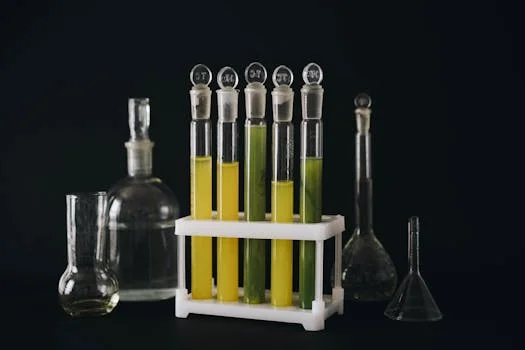
Disinfection must deliver high log-kill and, where required, a residual that survives warm distribution lines. Pathogen load, turbidity, energy price, chemical supply, and residual need all shape the choice in Dakar’s tropical climate.
| Disinfection Method | Log-Kill Rate (E. coli, Salmonella) | Residual Effect | Energy Use (kWh/m³) | Chemical Cost ($/m³) | Compliance (Senegal Decree 2024-1234) |
|---|---|---|---|---|---|
| Chlorine Dioxide (ClO₂) | 4-log+ | Yes (0.5–1.0 mg/L) | Minimal (for generator) | $0.10–$0.20 | Excellent (meets residual chlorine requirement) |
| UV Radiation | 3-log | No | 0.1–0.3 | N/A | Good (but no residual, may need post-disinfection) |
| Ozone (O₃) | 3-log | No | 1.5–2.5 | N/A | Good (but no residual, high energy) |
Chlorine dioxide: At 1–2 mg/L, chlorine dioxide typically achieves a 4-log or greater kill on E. coli and Salmonella. A stable residual of 0.5–1.0 mg/L helps block re-growth in warm piping above 30°C. It oxidizes many organics without forming the THMs or HAAs linked to chlorine. That profile aligns with WHO’s 2025 tropical guidance and Senegal’s residual chlorine range. HydropureWater offers chlorine dioxide generators for Dakar’s hospital effluent for this duty.
UV radiation: UV damages microbial DNA and can deliver about a 3-log kill without chemicals, using roughly 0.1–0.3 kWh/m³. It leaves no residual, so downstream re-contamination is uncontrolled. Suspended solids and organics can foul lamps and cut dose delivery in turbid effluent. Where residual is mandatory, UV needs a complementary barrier. Process detail is covered in how UV disinfection works in wastewater treatment.
Ozone: Ozone can also reach about a 3-log kill at 5–10 mg/L and break down complex organics. Like UV, it provides no lasting residual. Energy at 1.5–2.5 kWh/m³ makes continuous disinfection costly versus chlorine dioxide. Ozone remains useful for COD cut or biodegradability gains ahead of an MBR, not as the main residual barrier.
CAPEX and OPEX for hospital WWTPs in Dakar
Capital and operating costs track capacity, technology, and site work. Import duties, VAT, and local labor rates in Senegal also move the final number.
| System Size (m³/day) | Technology | Equipment Cost ($) | Installation ($) | Civil Works ($) | Total CAPEX ($) | Annual OPEX ($) | OPEX ($/m³ treated) |
|---|---|---|---|---|---|---|---|
| 20 | MBR + ClO₂ | $50,000–$70,000 | $15,000–$25,000 | $20,000–$30,000 | $85,000–$125,000 | $8,000–$12,000 | $1.10–$1.65 |
| 50 | MBR + ClO₂ | $125,000–$175,000 | $30,000–$50,000 | $40,000–$60,000 | $195,000–$285,000 | $20,000–$30,000 | $1.10–$1.65 |
| 100 | MBR + ClO₂ | $250,000–$350,000 | $60,000–$100,000 | $80,000–$120,000 | $390,000–$570,000 | $40,000–$60,000 | $1.10–$1.65 |
| 20 | DAF + Biological + ClO₂ | $30,000–$50,000 | $10,000–$20,000 | $15,000–$25,000 | $55,000–$95,000 | $6,000–$9,000 | $0.80–$1.25 |
| 50 | DAF + Biological + ClO₂ | $75,000–$125,000 | $20,000–$40,000 | $30,000–$50,000 | $125,000–$215,000 | $15,000–$22,500 | $0.80–$1.25 |
| 100 | DAF + Biological + ClO₂ | $150,000–$250,000 | $40,000–$80,000 | $60,000–$100,000 | $250,000–$430,000 | $30,000–$45,000 | $0.80–$1.25 |
MBR CAPEX and OPEX: MBR packages often cost $2,500–$3,500 per m³/day, covering membranes, aeration, pumps, and PLC controls. A 50 m³/day install may add $30,000–$50,000, with civil works of $40,000–$60,000. OPEX averages $1.20–$1.80/m³ from aeration energy, scouring, and membrane replacement every 5–7 years. Sludge handling adds further cost; see sludge dewatering for Dakar hospital WWTPs.
DAF CAPEX and OPEX: DAF plus biology and disinfection usually lands at $1,500–$2,500 per m³/day. For 50 m³/day, installation may be $20,000–$40,000 and civil works $30,000–$50,000. OPEX often sits at $0.80–$1.20/m³ from chemicals, pumping, and sludge disposal. Full compliance still needs a strong biological stage and disinfection after flotation.
Chlorine dioxide CAPEX and OPEX: A generator and dosing skid typically costs $10,000–$50,000. Chemical OPEX is about $0.10–$0.20/m³ for precursors such as sodium chlorite and hydrochloric acid, with light maintenance.
Senegal-specific cost factors: Imported equipment faces an 18% import duty and 5% VAT. Skilled technician and engineer labor in Dakar often runs $15–$25/hour. Those local factors belong in every project budget before award.
What 2026 engineering specs support 99.9% removal in a zero-risk compliance blueprint?
Where pathogen targets demand 99.9% E. coli removal and residual chlorine of 0.5–1.0 mg/L, an MBR barrier plus chlorine dioxide is the train that matches the tables above. DAF remains the FOG and TSS primary step when influent grease exceeds 150 mg/L, then biology and disinfection close the pathogen gap. Spec sheets should state peak-flow hydraulic capacity, membrane pore class, log-kill evidence, and residual control before procurement locks in.
Step-by-step equipment selection for Dakar hospitals
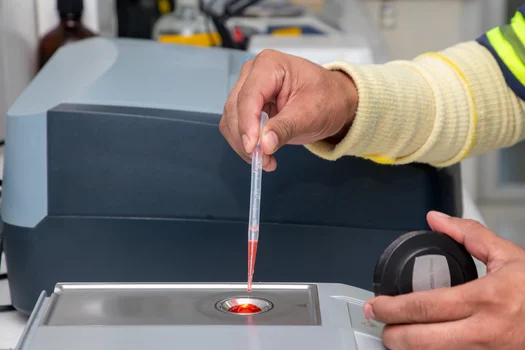
A five-step framework keeps selection tied to influent data, climate, and Senegal rules. Compact clinic packages such as the Medical & Hospital Wastewater Treatment System fit smaller flows when the same compliance path is required.
- Step 1: Assess influent with 24-hour composite sampling. Measure COD, BOD, TSS, FOG, pH, E. coli, and Salmonella. Dakar hospitals often show E. coli above 10^5 CFU/100mL and high organics, so designs should target 90%+ COD removal and at least a 4-log pathogen cut.
- Step 2: Match technology to the pollutant profile.
- If FOG exceeds 150 mg/L: Use DAF for grease and solids removal ahead of biology.
- If E. coli exceeds 10^5 CFU/100mL and effluent must approach <10 CFU/100mL: Prefer MBR for filtration and pathogen barrier strength.
- Decision rule: If E. coli >10^5 CFU/100mL and fecal coliforms must stay below 1,000 CFU/100mL, specify MBR or DAF plus robust biology plus chlorine dioxide.
- Step 3: Size for peak flow and expansion. Dakar hospitals typically generate 0.5–1.0 m³/bed/day. Size for peak hydraulic load, then add about 20% spare capacity for later bed growth or process changes.
- Step 4: Select disinfection for residual and climate.
- When residual and 30°C+ stability matter: Chlorine dioxide covers broad-spectrum kill and Decree No. 2024-1234 residual limits.
- When chemical-free duty is required and residual is not: UV can work only if upstream turbidity stays low and re-contamination risk is controlled.
- Step 5: Verify Senegal and WHO targets before purchase.
- Compliance checklist:
- Effluent TSS <30 mg/L?
- Fecal coliforms <1,000 CFU/100mL (Senegal)?
- E. coli <10 CFU/100mL (WHO 2025 tropical climates)?
- Residual chlorine 0.5–1.0 mg/L?
- pH 6–9?
- Compliance checklist:
For clinic-scale process detail, see clinic wastewater treatment in Dakar. Facility teams comparing packaged options can also review the same Medical & Hospital Wastewater Treatment System against site flow and pathogen data.
Frequently asked questions
Facility managers and environmental engineers in Dakar often ask the same compliance and climate questions before they freeze a design.
Q: What are the biggest wastewater treatment challenges for Dakar hospitals?
A: High pathogen loads (E. coli often above 10^6 CFU/100mL), FOG often above 200 mg/L, and Decree No. 2024-1234 limits such as TSS below 30 mg/L and fecal coliforms below 1,000 CFU/100mL dominate the risk list. MBR or DAF trains with chlorine dioxide disinfection are the usual answer for those conditions.
Q: How does Dakar’s climate affect wastewater treatment?
A: Air temperatures of 30–35°C speed growth in plumbing and sewers, raising BOD/COD and cutting dissolved oxygen. MBR units that hold MLSS at 8–12 g/L keep biological duty stable in that warmth.
Q: What are the penalties for non-compliance with Senegal’s wastewater regulations?
A: Decree No. 2024-1234 allows fines up to $50,000 per year when fecal coliforms exceed 1,000 CFU/100mL. Repeated or severe breaches can lead to temporary or permanent facility shutdowns.
Q: Can Dakar hospitals reuse treated wastewater for irrigation or cooling?
A: Yes, when effluent meets WHO’s 2025 reuse guidance of E. coli below 10 CFU/100mL and BOD below 10 mg/L. That usually needs MBR polishing plus strong UV or chlorine dioxide disinfection.
Q: What is the typical payback period for a hospital WWTP in Dakar?
A: A 50 m³/day MBR train near $280,000 CAPEX often pays back in 3–5 years. A DAF plus biology plus chlorine dioxide train near $120,000 CAPEX often pays back in 2–3 years. Reuse that offsets municipal water priced near $2.50/m³ can shorten payback further.
Who this is for / Who should look elsewhere / Next step
Who this is for: Hospital facility managers, consulting engineers, and compliance officers sizing or upgrading medical effluent plants in Dakar and similar tropical coastal cities.
Who should look elsewhere: Teams treating only low-strength domestic sewage without medical pathogens, or projects outside Senegal’s Decree No. 2024-1234 framework, need a different design basis.
Next step: Collect a 24-hour composite influent set, map peak bed-day flow, and request a duty-matched equipment layout against the Decree and WHO residual and pathogen limits before CAPEX is locked.