Why Mecca Hospitals Need a Tailored Wastewater Strategy
Hospital wastewater treatment in Mecca must absorb a Hajj-season population surge that pushes hospital inflows to 3–5× nominal capacity. The General Authority for Statistics puts Mecca's base population near 2 million, rising to 4–5 million during the Hajj weeks — a 2–3 month/year window in which King Abdulaziz Hospital and similar facilities operate at >100% capacity. Designing for average flow guarantees an equalization-tank overflow and a PME permit violation within the first week of Dhul Hijjah.
Climate compounds the problem. Mecca's 28–35°C wastewater influent accelerates biological kinetics by roughly 30% versus a 20°C temperate reference, which shrinks the required aerobic HRT but accelerates membrane fouling and chlorine dioxide demand. A system tuned for Riyadh or Jeddah underperforms in Mecca without these corrections.
Four regulators govern a Mecca hospital WWTP. Saudi PDWS sets numeric effluent limits, MHRSD's NCEC controls occupational and worker safety around chemical handling, the MoH Healthcare Facility Engineering Code dictates on-site treatment performance, and the Presidential Municipality of Mecca (PME) issues the site discharge permit and signs off commissioning. Miss any layer and the operating permit is at risk — MoH enforcement carries fines of SAR 100K–500K per non-conformance event.
The 2022 Khan et al. (Chemosphere) work on submerged aerobic fixed-film reactors coupled with tube settlers is often cited, but it is lab-scale and was not stress-tested against Hajj hydraulic surges. It also does not address pharmaceutical residue compliance — a Saudi MoH priority post-COVID. A purpose-built packaged MBR + chlorine dioxide train does.
2026 Saudi Discharge Standards for Healthcare Wastewater
PDWS 2023-2024 aligned limits are the binding target for any Mecca hospital discharge. The minimum design envelope is: COD 150 mg/L, BOD₅ 40 mg/L, TSS 50 mg/L, oil/grease 10 mg/L, total nitrogen 30 mg/L, fecal coliform <100 CFU/100 mL, residual chlorine ≤0.5 mg/L, and pH 6–9. The MoH Healthcare Facility Engineering Code (2024 revision) layers a 99.99% pathogen kill requirement on top of PDWS, regardless of whether the effluent is reused on-site or sent to a downstream STP.
AMR-relevant parameters are not in PDWS as numeric limits, but the WHO 2022 Guidelines for Safe Healthcare Wastewater flag antibiotic-resistance gene monitoring and pharmaceutical residue screening as best-practice requirements for effluents to STPs serving downstream irrigation. Saudi MoH auditors increasingly request both, particularly for hospitals larger than 100 beds.
Many packaged WWTPs in the Saudi market are sourced from Chinese OEMs designed to GB18466-2005. The cross-walk below lets an engineer verify whether a quoted system actually meets PDWS, not just the Chinese standard.
| Parameter | Saudi PDWS (2023–2024) | China GB18466-2005 |
|---|---|---|
| COD | ≤150 mg/L | ≤250 mg/L (pre-2006); ≤60 mg/L (newer) |
| BOD₅ | ≤40 mg/L | ≤100 mg/L |
| TSS | ≤50 mg/L | ≤60 mg/L |
| NH₃-N | ≤10 mg/L (MoH) | ≤45 mg/L (old); ≤15 mg/L (newer) |
| Fecal coliform | <100 CFU/100 mL | ≤500 CFU/L (old); ND in newer |
| Residual chlorine | ≤0.5 mg/L | ≤0.5 mg/L (contact ≥1 h) |
If a supplier is quoting only GB18466-2005 numbers, ask for the PDWS-aligned performance test before signing.
Process Design: From Equalization to Disinfection
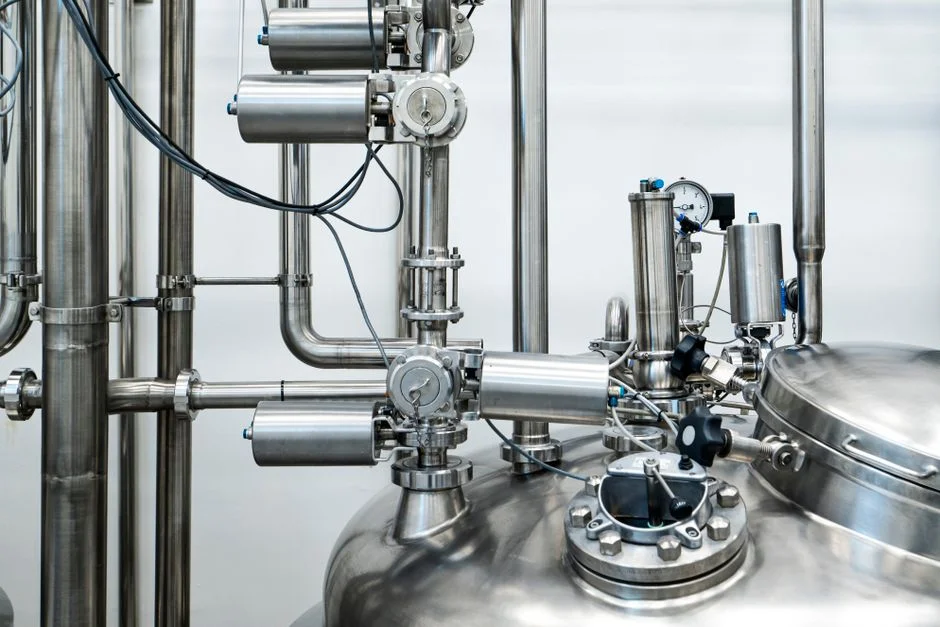
A compliant Mecca hospital train runs in five stages. The targets below are what an engineer should write into the equipment spec, not what a marketing brochure claims.
- Equalization. Size for ≥8 hours HRT to absorb the Hajj diurnal peak. A rotary fine bar screen set to 2 mm openings ahead of the EQ tank protects downstream pumps. pH correction to 7.0–7.5 with an automatic chemical dosing skid protects nitrification from pharmaceutical shock loads.
- Primary/biological — A/O + MBR. Anoxic HRT 2 h, aerobic HRT ≥4 h per the Chen et al. minimum; F/M 0.08–0.15 kg BOD/kg MLSS·d; MLSS 6,000–8,000 mg/L for stable MBR operation. A packaged MBR system delivers a smaller footprint than SBR or MBBR at this loading.
- MBR membrane. PVDF flat sheet, 0.1 μm nominal pore, design flux 12–18 L/m²·h at 28–35°C. Air-scour rate 0.3–0.5 Nm³/m²·h to control fouling in Mecca's high-temperature wastewater; expect CIP every 30–45 days versus 60–90 days in temperate plants.
- Disinfection. On-site chlorine dioxide generator at 5–15 mg/L ClO₂ dose, 15–30 min contact time, residual ≤0.5 mg/L. Yu et al. report a 200 m³/d MBR + NaOCl train at a Chinese hospital delivered non-detect total and fecal coliforms — a packaged MBR + ClO₂ configuration hits the same target with a lower residual signature.
- Sludge handling. MBR waste sludge at 0.5–1.0% solids is routed to a plate-and-frame filter press for a ≥22% dry cake — the tipping-point where Saudi municipal landfill surcharges drop sharply.
For retrofit projects with a constrained footprint, Khan et al.'s SAFF + tube-settler is a viable low-CAPEX pre-clarification step upstream of the MBR, but it does not replace it for PDWS compliance.
Technology Comparison for Mecca Hospital Duty
Five process configurations are realistic for a Mecca hospital in 2026. The table below compares them on the dimensions a specifier actually cares about: footprint, effluent quality, surge tolerance, automation, and CAPEX envelope for a 50 m³/d community hospital.
| Process | Footprint (m² per 10 m³/d) | Effluent COD (mg/L) | Effluent NH₃-N (mg/L) | Pathogen kill | Hajj-surge tolerance | Automation | CAPEX (USD, 50 m³/d) |
|---|---|---|---|---|---|---|---|
| Conventional A/O | 25–35 | 80–120 | 15–25 | 95–99% | Poor | Low | $60K–110K |
| SBR | 20–28 | 60–100 | 10–20 | 95–99% | Moderate | Medium | $80K–140K |
| MBBR | 15–22 | 60–90 | 8–15 | 95–99% | Good | Medium | $75K–130K |
| MBR | 8–12 | <50 | <10 | >99.99% | Very good | High | $110K–200K |
| Packaged MBR + ClO₂ | 10–14 | <50 | <10 | >99.99% | Very good | High (PLC) | $130K–220K |
MBR wins for Mecca because the 0.1 μm membrane physically retains suspended solids, bacteria, and most viral particles — eliminating the need for a separate clarifier and delivering a sub-50 mg/L COD that an A/O alone cannot match at high MLSS. The compact medical wastewater treatment unit in the packaged MBR + ClO₂ column is the only option that ships with both the biological stage and the chlorine dioxide stage factory-integrated and pre-piped, which compresses site installation from 8–10 weeks to 2–3 weeks.
The Cruz-Morató et al. fungal bioreactor shows 80–95% pharmaceutical and EDC removal at lab scale but is not yet 2026-proven for full-scale hospital duty in hot climates. Treat it as a 2027–2028 watch-item, not a 2026 procurement option.
2026 Cost Benchmarks and ROI for Mecca Hospital WWTP
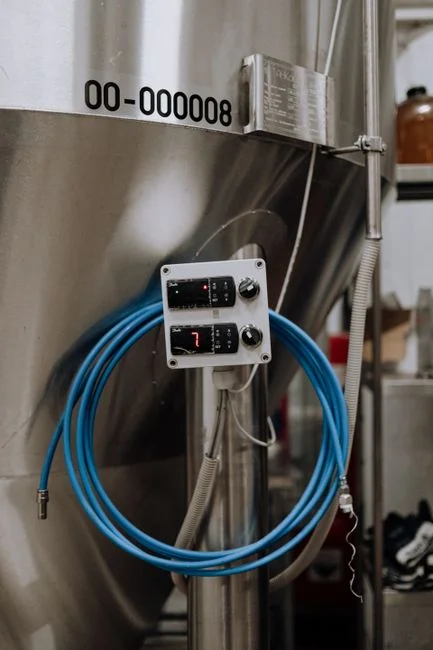
The CAPEX ranges below are for skid-mounted, factory-tested systems, FOB or DAP Jeddah, based on 2026 industrial wastewater OPEX breakdown data.
| Hospital size | Design flow | CAPEX (USD) | CAPEX (SAR) | OPEX (USD/m³) |
|---|---|---|---|---|
| Small clinic (≤50 beds) | ≤10 m³/d | $25K–60K | 94K–225K | 0.45–0.75 |
| Community hospital (100–150 beds) | 50 m³/d | $90K–180K | 338K–675K | 0.35–0.55 |
| Tertiary hospital (300+ beds) | 200 m³/d | $280K–520K | 1.05M–1.95M | 0.28–0.42 |
OPEX splits roughly as: electricity $0.18–0.32 per m³ (aeration dominates), ClO₂ chemical $0.04–0.08 per m³, and 0.3 FTE for an automated packaged system. Sludge disposal at Saudi municipal landfills runs SAR 200–450 per ton wet weight — this is the line item that makes a plate-and-frame filter press a 2026 ROI priority over drying beds. A 200 m³/d hospital generating ~1.2 ton/day wet sludge at 0.7% solids pays roughly SAR 88K–198K per year in tipping fees without dewatering; a plate press at 22% dry cake cuts that by 80–85%.
Payback versus a municipal sewer connection is 3–5 years for a 200 m³/d hospital once central-Mecca land cost exceeds SAR 2,500/m². For hospitals outside central Mecca — Ajyad, Al-Shisha, the Mina/Muzdalifah corridor — packaged on-site is the only viable option because PME trunk sewer coverage drops below 40%.
Procurement Checklist and Compliance Path for 2026
The permit sequence runs in this order: PME site discharge permit application → MoH Healthcare Facility Engineering Code approval → PDWS discharge compliance registration → PME commissioning sign-off. Submitting in any other order triggers a re-submission cycle. Most projects lose 6–10 weeks to misordered paperwork.
Supplier qualification should verify: SFDA registration for any chemical-generation skids, SASO conformity for imported packaged units, ISO 9001 + 14001 certifications, factory acceptance test witnessed at the OEM site, an in-kingdom service footprint with guaranteed 48-hour response in Jeddah/Makkah, and a reference list of at least three Saudi hospital installations older than 24 months. For 2026 projects, also ask for a ClO₂ generator with feed-stock supply that does not rely on a single imported precursor.
Commissioning milestones: factory test 1 week, site installation 2–3 weeks for ≤200 m³/d skids, biological seeding 2–4 weeks (use return activated sludge from a similar hospital STP in Jeddah to compress startup to 10–14 days), and a 4-week performance test against PDWS limits before PME hand-over. When retrofitting an existing Mecca hospital, run a 5–10% flow pilot for at least 30 days — Hajj surge is rarely captured in design-stage modeling, and pilot data is the strongest defense in a PME audit.
Frequently Asked Questions
How much does a hospital wastewater treatment plant cost in Mecca in 2026?
Packaged skid-mounted CAPEX runs $25K–60K USD for a ≤10 m³/d clinic, $90K–180K for a 50 m³/d community hospital, and $280K–520K for a 200 m³/d tertiary hospital (DAP Jeddah, 2026). OPEX averages $0.28–0.75 per m³ depending on flow and automation level.
Which treatment technology is best for a Mecca hospital?
A packaged A/O + MBR with on-site chlorine dioxide disinfection delivers <50 mg/L COD, <10 mg/L NH₃-N, and >99.99% pathogen kill — exceeding both PDWS and the MoH 2024 engineering code. SBR and MBBR cannot match the membrane-retained effluent at the same footprint.
How do Mecca hospitals handle 3–5× Hajj-season flow surges?
Size equalization for ≥8 hours HRT, set MBR flux to 12–18 L/m²·h at 28–35°C, and operate at MLSS 6,000–8,000 mg/L. The MBR's biomass retention absorbs the surge without washout, which a conventional A/O cannot do at >2× nominal flow.
What are the Saudi PDWS discharge limits for hospital effluent in 2026?
PDWS 2023–2024 aligned: COD ≤150 mg/L, BOD₅ ≤40 mg/L, TSS ≤50 mg/L, total nitrogen ≤30 mg/L, fecal coliform <100 CFU/100 mL, residual chlorine ≤0.5 mg/L, pH 6–9. MoH additionally requires 99.99% pathogen kill for downstream reuse or sewer discharge.