Why Oran’s Wastewater Treatment Costs Are Higher Than National Averages
In Oran, Algeria, a 500 m³/day industrial wastewater treatment plant costs DZD 2.5B–5B (€16M–32M) in CAPEX, with annual OPEX ranging from DZD 300M–600M (€2M–4M) depending on technology and influent strength. For example, MBR systems—required for Oran’s strict industrial discharge limits (COD <125 mg/L per Algeria Decree 05-12)—add 30% to CAPEX but reduce OPEX by 15% through lower sludge production and chemical use. Local labor and material costs (e.g., concrete at DZD 8,000/m³) further inflate budgets compared to European benchmarks.
Algeria's industrial sector in Oran faces unique cost pressures due to stringent environmental regulations and local economic factors. The national standard for industrial discharge often permits COD levels up to 150 mg/L, but Oran's specific requirements, driven by the Mleta plain irrigation reuse goals (as seen in the El-Kerma project), mandate a stricter limit of COD <125 mg/L and TSS <30 mg/L, as stipulated by Algeria Decree 05-12. This necessitates more advanced treatment technologies, directly impacting capital expenditure.
Local material and labor costs in Oran are also significant drivers. For instance, concrete is priced at DZD 8,000/m³, and stainless steel at DZD 1.2M/ton. Skilled technician labor averages DZD 3,500/day. These figures, according to the 2024 Algeria Construction Cost Index, are approximately 15–25% higher than average costs in Algiers, contributing to higher overall project budgets for wastewater treatment facilities.
Oran’s industrial zones, such as Arzew and Bethioua, often generate high-strength wastewater with BOD concentrations ranging from 1,200–3,500 mg/L, significantly exceeding typical municipal influent levels of 200–400 mg/L. This necessitates robust pretreatment systems, including Dissolved Air Flotation (DAF) or Membrane Bioreactor (MBR) technologies, which can increase CAPEX by 30–40% compared to less advanced methods. The scarcity of water in Oran, with only 400 m³/capita/year available compared to the global average of 1,000 m³, intensifies the need for wastewater reuse. Mandates for reuse in irrigation or cooling towers add the cost of tertiary treatment stages like Reverse Osmosis (RO) or UV disinfection, further escalating project expenses.
| Material/Service | Unit Cost (DZD) | Oran vs. Algiers (Approx.) |
|---|---|---|
| Concrete | 8,000/m³ | +20% |
| Stainless Steel | 1,200,000/ton | +15% |
| Skilled Technician Labor | 3,500/day | +25% |
| Industrial Electricity Tariff | 12/kWh | (Regional Average) |
CAPEX Breakdown: How Technology Choices Impact Your Budget
Understanding the upfront capital expenditure (CAPEX) is crucial for aligning wastewater treatment plant selection with budget constraints and compliance needs in Oran.
| Technology | CAPEX per m³/day (DZD Millions) for 500 m³/day Plant |
|---|---|
| Conventional Activated Sludge (CAS) | 5.2 |
| Membrane Bioreactor (MBR) | 7.8 |
| Dissolved Air Flotation (DAF) | 6.5 |
| Lamella Clarifier | 4.8 |
Note: Excludes land acquisition; Oran industrial zones average DZD 15M/hectare.
Membrane Bioreactor (MBR) systems, while approximately 30% more expensive than Conventional Activated Sludge (CAS) systems, offer significant advantages. They eliminate the need for secondary clarifiers and reduce the plant's physical footprint by up to 40%, a critical consideration given Oran's high land prices. WABAG's experience with projects in Oran highlights the space-saving benefits of MBR technology. Dissolved Air Flotation (DAF) systems, adding approximately DZD 1.3M/m³/day compared to basic sedimentation tanks, offer a substantial reduction in sludge volume, by up to 22%, which translates into lower sludge disposal costs.
The variability of influent characteristics also plays a substantial role in CAPEX. For facilities dealing with fluctuating industrial discharges, the inclusion of equalization tanks becomes necessary to buffer flow and concentration variations. For a 500 m³/day system, these tanks can add between DZD 500M and DZD 800M to the initial investment. For high-TSS wastewater, DAF systems are often a preferred pretreatment solution. For facilities requiring high effluent quality for reuse, MBR systems provide superior performance. For those with moderate organic loads and primary solids, lamella clarifiers offer a more cost-effective primary treatment option, though they do not achieve the same effluent quality as DAF or MBR. HydropureWater offers a range of DAF systems suitable for high-TSS wastewater in Oran. Similarly, our MBR integrated wastewater treatment solutions are designed for demanding COD <125 mg/L compliance in Oran.
OPEX Drivers: Energy, Chemicals, and Sludge Disposal Costs in Oran
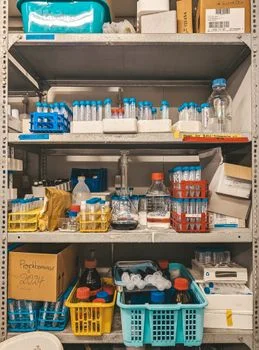
Operating Expenditure (OPEX) is a critical long-term cost factor, with energy, chemicals, and sludge disposal being the primary drivers in Oran's wastewater treatment landscape.
| Cost Category | Typical Percentage of OPEX | Oran Cost Considerations |
|---|---|---|
| Energy | 40% | DZD 12/kWh industrial tariff; MBR (0.8–1.2 kWh/m³) vs. CAS (0.4–0.6 kWh/m³) |
| Chemicals | 20% | PAC: DZD 150–250/kg; DAF reduces PAC usage by 30% |
| Sludge Disposal | 25% | DZD 3,000/ton landfill fee; Plate-and-frame filter presses reduce sludge volume by 70% |
| Labor & Maintenance | 15% | Skilled technician costs (DZD 3,500/day) |
Energy consumption accounts for roughly 40% of OPEX, with MBR systems typically requiring 0.8–1.2 kWh/m³ compared to 0.4–0.6 kWh/m³ for CAS. Given Oran's industrial electricity tariffs of DZD 12/kWh, optimizing aeration efficiency is paramount. Chemical costs, representing about 20% of OPEX, are influenced by the need for coagulants like Polyaluminium Chloride (PAC), which can cost DZD 150–250/kg. DAF systems can reduce PAC usage by up to 30% compared to sedimentation tanks. Sludge disposal, making up 25% of OPEX, is a significant expense in Oran, with landfill fees at DZD 3,000/ton. Employing sludge dewatering equipment such as plate-and-frame filter presses is crucial, as they can reduce sludge volume by up to 70% compared to centrifuges, thereby lowering hauling and disposal costs.
Influent strength directly impacts these OPEX components. High-strength wastewater, characteristic of food processing plants, can increase energy and chemical consumption by 25–40% compared to municipal wastewater. Effective chemical dosing systems, like those offered by HydropureWater, are vital for managing chemical usage efficiently. Our automatic chemical dosing systems ensure precise application, minimizing waste and cost. For reducing sludge disposal expenses in Oran, our plate-and-frame filter press is an ideal solution for sludge dewatering, directly addressing the high DZD 3,000/ton disposal fees.
Compliance-Driven Equipment Selection: Matching Tech to Oran’s Discharge Limits
Selecting the right wastewater treatment technology in Oran hinges on meeting Algeria Decree 05-12 and local reuse objectives, not just on cost.
| Technology | COD Removal (%) | TSS Removal (%) | Footprint | Energy Use (kWh/m³) | CAPEX Impact |
|---|---|---|---|---|---|
| CAS | 85-95 | 80-90 | Large | 0.4-0.6 | Base |
| MBR | 98-99.9 | 99-99.9 | Compact (40% smaller than CAS) | 0.8-1.2 | +30% |
| DAF | 70-90 (Pre-treatment) | 90-98 | Medium | 0.2-0.4 (Excluding air compression) | +25% (vs. sedimentation) |
| Lamella Clarifier | 50-70 (Primary) | 70-85 | Medium | Minimal | -10% (vs. CAS primary) |
For achieving COD <125 mg/L mandated by Algeria Decree 05-12, MBR systems are often the most effective solution, offering COD removal rates of 98-99.9%. DAF systems are highly effective for treating high-TSS influent, such as that from food processing industries, achieving TSS removal of 90-98%. Oran’s reuse mandates for irrigation or cooling towers necessitate tertiary treatment. Reverse Osmosis (RO) systems, costing approximately DZD 2M/m³/day, or UV disinfection systems, at DZD 500K/m³/day, can add 15–20% to the overall CAPEX. Considering the potential for stormwater infiltration, particularly in industrial zones, incorporating equalization tanks or designing for a 4:1 peak-to-average flow ratio (which can add DZD 800M–1.2B to a 500 m³/day system) is often required to maintain compliance during peak events. Comparing Oran’s compliance requirements to EU standards reveals a similar trend towards advanced treatment for stringent discharge limits. For textile plants in Oran facing TSS <30 mg/L limits, switching from CAS to DAF for pretreatment could hypothetically reduce CAPEX by 18% while ensuring compliance.
HydropureWater provides advanced solutions for stringent compliance needs. Our chlorine dioxide generators can be part of disinfection strategies for wastewater reuse, and our reverse osmosis (RO) water purification systems are designed to meet the high-purity requirements for industrial applications in Oran.
5-Year TCO Model: Comparing MBR vs. DAF for a 500 m³/day Plant in Oran
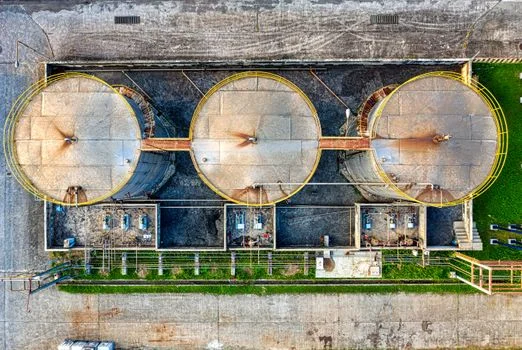
A 5-year Total Cost of Ownership (TCO) model illustrates the financial trade-offs between MBR and DAF technologies for a 500 m³/day plant in Oran, considering local cost factors.
| Cost Component | MBR (DZD Millions) | DAF (DZD Millions) |
|---|---|---|
| CAPEX (Total) | 3,900 | 3,250 |
| OPEX Year 1 | 420 | 490 |
| OPEX Year 2 | 435 | 505 |
| OPEX Year 3 | 450 | 520 |
| OPEX Year 4 | 465 | 535 |
| OPEX Year 5 | 480 | 550 |
| Total 5-Year OPEX | 2,250 | 2,600 |
| Total 5-Year TCO | 6,150 | 5,850 |
Assumptions: 500 m³/day average flow, BOD 1,500 mg/L, TSS 800 mg/L, 8% discount rate, Oran cost benchmarks.
The MBR system, with a higher CAPEX of DZD 3.9B compared to the DAF system's DZD 3.25B, demonstrates a lower 5-year OPEX of DZD 2.25B versus DZD 2.6B for DAF. This OPEX advantage stems from MBR's reduced sludge production and chemical usage. While DAF's lower initial CAPEX makes it attractive for high-TSS influent, particularly in food processing, the superior effluent quality from MBR (often COD <50 mg/L) can justify its premium for reuse applications. Sensitivity analysis reveals that fluctuations in electricity prices from DZD 10–14/kWh or sludge disposal fees from DZD 2,500–3,500/ton can significantly impact the TCO, reinforcing the importance of selecting technologies that optimize these operational costs.
Frequently Asked Questions
Q: What are the most cost-effective technologies for Oran’s industrial wastewater?
A: For high-TSS influent common in food processing, DAF systems (CAPEX: DZD 6.5M/m³/day) are cost-effective. For meeting COD <125 mg/L per Algeria Decree 05-12, MBR systems (CAPEX: DZD 7.8M/m³/day) are recommended, offering superior effluent quality.
Q: How do Oran’s land prices impact wastewater plant design?
A: MBR systems reduce the physical footprint by up to 40% compared to CAS, potentially saving DZD 6M–9M per hectare in land acquisition costs, given that Oran industrial zones average DZD 15M/hectare.
Q: What are the hidden costs of wastewater treatment in Oran?
A: Significant hidden costs include sludge disposal at DZD 3,000/ton, infrastructure for peak flow management (a 4:1 ratio can add DZD 800M–1.2B to a 500 m³/day system), and tertiary treatment for reuse, which can add 15–20% to CAPEX.
Q: Can I reuse treated wastewater in Oran?
A: Yes, treated wastewater can be reused for irrigation or cooling towers, but it requires tertiary treatment such as RO (adding DZD 2M–3M/m³/day to CAPEX) or UV disinfection, as demonstrated by the El-Kerma project.
Q: How do I reduce OPEX for my Oran wastewater plant?
A: Optimize aeration energy consumption (MBR vs. CAS efficiencies), leverage DAF for sludge reduction (leading to 22% lower disposal costs), and implement automated chemical dosing systems to minimize chemical usage, as indicated by OPEX data from leading providers.
Related Equipment
The following HydropureWater products are engineered for the wastewater challenges discussed above:
- DAF systems for high-TSS wastewater in Oran — view specifications, capacity range, and technical data
- MBR systems for COD <125 mg/L compliance in Oran — view specifications, capacity range, and technical data
- sludge dewatering equipment for Oran’s DZD 3,000/ton disposal fees — view specifications, capacity range, and technical data
Need a customized solution? Request a free quote with your specific flow rate and pollutant parameters.