Valencia’s Industrial Wastewater Challenges: Compliance Risks and Seasonal Spikes
Valencia’s industrial sector is navigating a complex landscape of wastewater management, characterized by the looming threat of European Union fines and the disruptive impact of seasonal flow variations. Spain incurred approximately €12 million in fines in 2023 due to non-compliance with EU Directive 91/271/EEC (European Commission report), with a significant portion of Valencia’s wastewater treatment plants (WWTPs) – an estimated 30% – being over 20 years old and at heightened risk. This aging infrastructure struggles to cope with the region’s dynamic demands. The Confederación Hidrográfica del Júcar’s 2023 report highlights a critical issue: seasonal tourism, particularly in areas like El Saler, can lead to a 40% increase in wastewater flow during peak months. This necessitates flexible treatment systems capable of handling such fluctuations without compromising effluent quality. Industrial zones such as Paterna and Sagunto present distinct challenges. Metalworking facilities require robust pretreatment for heavy metal removal, while food processing plants demand effective separation of oils and greases. Both often need to meet stringent discharge limits before releasing wastewater into municipal sewers. Conventional activated sludge systems, common in older facilities, frequently fail to meet the demanding parameters set by Spanish Royal Decree 509/2020, which mandates limits such as COD ≤125 mg/L and TSS ≤35 mg/L. Failure to implement effective pretreatment and upgrade aging infrastructure can result in overloaded municipal plants and significant financial penalties.
| Metric | Description | Impact/Risk |
|---|---|---|
| EU Directive 91/271/EEC Fines | Spain paid €12M in 2023 for non-compliance. | Financial penalties for Valencia's non-compliant WWTPs. |
| Aging Infrastructure | 30% of Valencia's WWTPs are over 20 years old. | Reduced efficiency, higher maintenance, increased risk of failure. |
| Seasonal Flow Spikes | Up to 40% increase in tourism zones (e.g., El Saler). | Overload of treatment systems, compromised effluent quality. |
| Industrial Pretreatment Needs | Metalworking (Paterna): Heavy metals. Food processing (Sagunto): FOG. | Potential damage to municipal WWTPs, non-compliance with discharge limits. |
| RD 509/2020 Discharge Limits | COD ≤125 mg/L, TSS ≤35 mg/L. | Conventional systems may struggle to meet these, necessitating advanced treatment. |
Pretreatment Requirements by Industry: Metalworking vs. Food Processing in Valencia
Understanding the specific influent characteristics of different industrial sectors is paramount for designing effective wastewater treatment strategies in Valencia. Metalworking facilities, common in industrial parks like Paterna, typically generate wastewater contaminated with heavy metals such as chromium (Cr), nickel (Ni), and copper (Cu). Effective pretreatment often involves chemical precipitation followed by Dissolved Air Flotation (DAF). According to EPA 2024 benchmarks, DAF systems can achieve over 95% removal of these metals. For example, a typical influent from a metalworking plant might contain Cr at 1-5 mg/L and Ni at 2-10 mg/L, requiring careful chemical dosing and flocculation to aggregate these ions for efficient separation via DAF. Conversely, food processing plants, prevalent in areas like Sagunto, contend with high concentrations of fats, oils, and greases (FOG), often ranging from 500 to 2,000 mg/L, alongside substantial organic loads (COD typically between 1,000 and 5,000 mg/L). DAF pretreatment is crucial here to remove FOG, which can otherwise cause operational issues in downstream biological treatment and municipal sewers. Often, DAF is coupled with anaerobic digestion to achieve 85–90% COD removal from high-strength organic wastewater. A practical example from Sagunto illustrates this: a food processor successfully reduced its FOG levels from 1,500 mg/L to below 50 mg/L by implementing a DAF pretreatment system, thereby meeting local discharge standards and preventing downstream operational problems.
| Industry Sector | Typical Influent Characteristics | Key Pollutants | Recommended Pretreatment | Target Effluent (Pretreatment) |
|---|---|---|---|---|
| Metalworking (e.g., Paterna) | pH: 4-8, TSS: 50-300 mg/L, Heavy Metals: Cr (1-5 mg/L), Ni (2-10 mg/L), Cu (1-5 mg/L) | Cr, Ni, Cu, Zn, Fe, Oils | Chemical Precipitation, Flocculation, DAF | Heavy Metals < 0.5 mg/L, TSS < 50 mg/L |
| Food Processing (e.g., Sagunto) | pH: 5-9, TSS: 100-500 mg/L, FOG: 500-2,000 mg/L, COD: 1,000-5,000 mg/L | FOG, BOD, COD, TSS, Nutrients | DAF, Grease Traps, Anaerobic Digestion | FOG < 50 mg/L, COD < 500 mg/L |
Modular MBR vs. Conventional Systems: Engineering Specs for Valencia’s Seasonal Flows
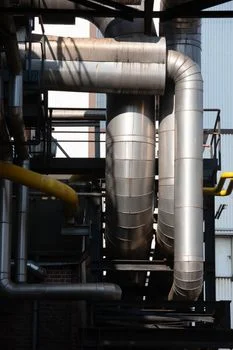
For Valencia’s industrial facilities facing significant seasonal flow variations, particularly the 40% spikes common in tourist zones, modular Membrane Bioreactor (MBR) systems offer a compelling engineering advantage over conventional activated sludge processes. MBR technology utilizes submerged membranes with pore sizes typically around 0.1 μm, enabling superior effluent quality with COD removal rates often exceeding 95%. Critically, MBR systems occupy approximately 60% less space than conventional activated sludge plants for the same treatment capacity (HydropureWater MBR product specs), a significant benefit in land-constrained industrial areas. the compact and often modular nature of MBR and underground systems like the WSZ integrated wastewater treatment unit allows for installation with minimal disruption to existing operations and landscaping, making them ideal for tourism zones where aesthetics and space are at a premium. While MBR systems have a higher specific energy consumption, typically ranging from 0.8–1.2 kWh/m³, compared to conventional systems (0.4–0.6 kWh/m³), this trade-off is often justified by their smaller footprint, higher effluent quality, and enhanced robustness against flow fluctuations. Conventional systems, with their larger hydraulic retention times and sludge volumes, are far less adaptable to rapid changes in influent flow and concentration, risking process upset. Given Valencia’s municipal WWTP limitations, including a 1.2 million PE capacity and the age of many facilities, implementing modular MBR solutions on-site can bypass municipal bottlenecks and ensure consistent compliance.
| Parameter | Modular MBR Systems | Conventional Activated Sludge | Relevance to Valencia |
|---|---|---|---|
| Filtration | 0.1 μm membrane filtration | Secondary clarifier | MBR ensures consistently high effluent quality. |
| COD Removal | ≥ 95% | 70-90% | MBR reliably meets strict discharge limits. |
| Footprint | 60% smaller | Larger | Space-saving, ideal for urban/tourist areas. |
| Flow Surge Capacity | Handles 1.5–2x design flow | Prone to upset with significant surges | Crucial for 40% seasonal flow spikes. |
| Energy Consumption | 0.8–1.2 kWh/m³ | 0.4–0.6 kWh/m³ | Higher energy cost offset by other benefits. |
| Installation Flexibility | Modular, underground options available (WSZ) | Requires significant space, fixed footprint | Adaptable to diverse site conditions. |
Valencia Compliance Checklist: EU 91/271/EEC and RD 509/2020 Requirements
Ensuring wastewater discharge compliance in Valencia requires a thorough understanding of both overarching EU directives and specific Spanish regulations. EU Directive 91/271/EEC mandates secondary treatment for all urban wastewater discharges exceeding a population equivalent (PE) of 2,000 and requires more stringent tertiary treatment for discharges into sensitive areas, such as the Albufera Natural Park. In Spain, Royal Decree 509/2020 sets critical effluent limits that industrial facilities must adhere to. These include maximum concentrations for Chemical Oxygen Demand (COD) of 125 mg/L, Biochemical Oxygen Demand (BOD5) of 25 mg/L, Total Suspended Solids (TSS) of 35 mg/L, Nitrogen (N) of 15 mg/L, and Phosphorus (P) of 2 mg/L. For specific industrial sectors, stricter limits apply. For example, metalworking industries in Valencia must comply with limits for heavy metals such as Chromium (Cr) ≤0.5 mg/L, Nickel (Ni) ≤2 mg/L, and Copper (Cu) ≤1 mg/L. To achieve and maintain compliance, robust monitoring systems are essential. This includes automated sampling for continuous data collection, and the integration of pH and flow sensors to track discharge conditions in real-time. Advanced chemical dosing systems, such as the automatic chemical dosing system, play a vital role in precisely adjusting pH, precipitating metals, or neutralizing pollutants, ensuring that effluent consistently meets regulatory requirements. Similarly, systems like the chlorine dioxide generator can be employed for disinfection or oxidation of recalcitrant compounds.
| Regulation/Parameter | Limit/Requirement | Valencia-Specific Considerations | Actionable Steps |
|---|---|---|---|
| EU Directive 91/271/EEC | Secondary treatment for >2,000 PE; Tertiary for sensitive areas. | Albufera Natural Park designated as sensitive area. | Assess plant PE; implement tertiary treatment if discharging to sensitive zones. |
| RD 509/2020: COD | ≤ 125 mg/L | General industrial discharge limit. | Ensure biological treatment efficiency or implement advanced oxidation. |
| RD 509/2020: TSS | ≤ 35 mg/L | General industrial discharge limit. | Effective sedimentation, filtration, or membrane processes. |
| RD 509/2020: Heavy Metals (Metalworking) | Cr ≤ 0.5 mg/L, Ni ≤ 2 mg/L, Cu ≤ 1 mg/L | Strict limits for Paterna industrial zone. | Implement chemical precipitation and DAF pretreatment. Use automatic chemical dosing for precision. |
| Monitoring | Automated sampling, pH, flow sensors. | Required for continuous compliance verification. | Install and maintain real-time monitoring equipment. |
Cost-Benefit Analysis: Modular MBR vs. DAF Pretreatment for Valencia Industries
Evaluating the financial implications of wastewater treatment solutions in Valencia necessitates a clear cost-benefit analysis that considers both capital expenditure (CapEx) and operational expenditure (OPEX), tailored to specific industrial needs. For industries like metalworking and food processing in Valencia, dedicated DAF pretreatment systems represent a moderate CapEx, typically ranging from €50,000 to €200,000, with associated OPEX of €0.15–€0.30 per cubic meter, primarily for chemicals and energy. These systems are highly effective at removing specific pollutants like FOG and heavy metals, thereby reducing the load on municipal WWTPs and preventing fines. Modular MBR systems, while having a higher CapEx (€200,000–€1,000,000), offer a different value proposition. Their OPEX can be higher (€0.50–€0.80/m³) due to increased energy consumption for aeration and membrane operation, but this is offset by significant benefits. The primary ROI drivers for MBR in Valencia include avoiding substantial EU fines (which can exceed €12M annually for Spain), achieving significant water reuse savings—as treated water can be reused for non-potable industrial processes at a cost saving of €0.50–€1.00/m³ in the region—and reclaiming valuable land due to their compact 60% smaller footprint compared to conventional systems. Given Valencia’s water scarcity, particularly in the Júcar River basin, the ability of MBR systems to enable 70–80% water reuse is a critical economic and environmental advantage, transforming wastewater from a liability into a resource.
| Aspect | DAF Pretreatment System | Modular MBR System | Key Valencia ROI Factors |
|---|---|---|---|
| CapEx | €50,000 – €200,000 | €200,000 – €1,000,000 | Initial investment vs. long-term compliance and reuse. |
| OPEX (per m³) | €0.15 – €0.30 | €0.50 – €0.80 | Energy, chemicals, maintenance costs. |
| Primary Application | FOG removal, heavy metal precipitation, TSS reduction. | High-quality effluent for discharge or reuse, compact footprint. | Targeted vs. comprehensive treatment. |
| Footprint Savings | Moderate | Significant (60% less than conventional) | Valuable in urban and industrial zones. |
| Water Reuse Potential | Limited (requires further treatment) | High (70-80% achievable) | Crucial for water-scarce Valencia. |
| Fines Avoidance | Helps meet intermediate limits. | Ensures compliance with final discharge limits. | Direct avoidance of €12M+ annual fines in Spain. |
Frequently Asked Questions
What are the discharge limits for metalworking wastewater in Valencia?
For metalworking industries in Valencia, the discharge limits are primarily governed by RD 509/2020, with specific additions for heavy metals. These include Chemical Oxygen Demand (COD) ≤125 mg/L, Total Suspended Solids (TSS) ≤35 mg/L, Chromium (Cr) ≤0.5 mg/L, Nickel (Ni) ≤2 mg/L, and Copper (Cu) ≤1 mg/L. Effective pretreatment using chemical precipitation and DAF is essential to meet these stringent requirements.
How do I handle 40% seasonal flow spikes in El Saler?
To effectively manage a 40% seasonal flow spike in areas like El Saler, modular wastewater treatment systems such as Membrane Bioreactors (MBR) or underground integrated units (WSZ) are recommended. These systems are designed for flexibility and can handle significant hydraulic variations without compromising effluent quality, unlike conventional activated sludge processes.
What’s the CapEx for a DAF system in Valencia?
The capital expenditure (CapEx) for a Dissolved Air Flotation (DAF) system in Valencia typically ranges from €50,000 to €200,000, depending on the required capacity and specific features. Operational expenditure (OPEX) for DAF systems is generally between €0.15–€0.30 per cubic meter, covering chemicals, energy, and maintenance.
Can I reuse treated wastewater in Valencia?
Yes, treated wastewater reuse is increasingly encouraged and feasible in Valencia, especially with advanced treatment technologies like MBR systems. MBRs can produce effluent of sufficient quality for 70–80% reuse in industrial processes, significantly contributing to water conservation efforts in the region and reducing reliance on scarce freshwater resources. Local regulations should be consulted for specific reuse applications.
Related Equipment
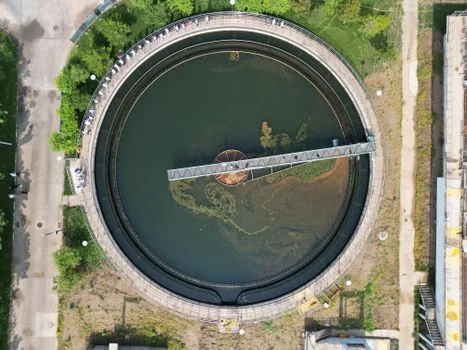
The following HydropureWater products are engineered for the wastewater challenges discussed above:
- Modular MBR systems for Valencia’s seasonal flow spikes and EU compliance — view specifications, capacity range, and technical data
Need a customized solution? Request a free quote with your specific flow rate and pollutant parameters.