In 2026, Kandy’s industrial buyers face stringent CEA discharge limits (specifically, <50 mg/L COD and <30 mg/L TSS for industrial effluent) and challenging mountainous terrain that demands compact, automated sewage treatment equipment. While top local suppliers like Water Lanka Services and EcoFlow Water Solutions offer advanced MBR and SBR systems with verifiable 92–97% TSS removal rates, the capital expenditure (CAPEX) and operational expenditure (OPEX) vary widely: MBR systems average $1,200–$1,800/m³/d CAPEX, while SBRs start at $800/m³/d. This guide provides Kandy-specific compliance checklists, detailed CAPEX/OPEX benchmarks, and a zero-risk selection framework tailored to the region’s unique climate and regulatory landscape, enabling industrial buyers and municipal engineers to make informed, cost-effective decisions.
Imagine a textile factory manager in Kandy, staring at another failed CEA compliance report. Despite investing heavily, their current system struggles to consistently meet the <50 mg/L COD limit, leading to costly fines and operational disruptions. The region's high rainfall pushes their conventional plant to its hydraulic limits, and the limited land availability due to mountainous terrain means expansion is impossible. This scenario is increasingly common as Kandy’s industries navigate stricter environmental regulations and unique geographical challenges. Selecting the right sewage treatment equipment supplier in Kandy isn't just about choosing technology; it's about navigating tropical climates, mountainous terrain, and evolving CEA standards to achieve sustainable, compliant operations.
Why Kandy’s Sewage Treatment Needs Are Unique: Climate, Terrain, and Compliance
Kandy’s distinctive geographical and climatic conditions significantly influence the design and performance of sewage treatment equipment. The city's tropical climate, with an average temperature of 27°C and approximately 2,000 mm of annual rainfall, accelerates biological growth rates in wastewater treatment processes but also increases the risk of membrane fouling in MBR systems. Suppliers adapt to these conditions by integrating features such as increased aeration capacity, automated backwashing cycles, and shorter membrane cleaning frequencies to maintain optimal performance.
The mountainous topography of Kandy, ranging from 477–740 m elevation, places severe constraints on land availability for industrial and municipal development. This limitation drives demand for compact and efficient sewage treatment solutions. For example, integrated WSZ underground sewage treatment plants, with capacities ranging from 1–80 m³/h, offer a significantly smaller footprint compared to conventional SBR systems, which can require up to 30% more surface area for equivalent capacities. This makes underground plants ideal for sites with limited land or aesthetic considerations.
Compliance with Sri Lanka’s Central Environmental Authority (CEA) discharge limits is non-negotiable for all industrial and municipal projects in Kandy. As of 2026, Kandy Municipal Council projects and industrial facilities must meet stringent effluent quality standards, including <50 mg/L COD, <30 mg/L TSS, and <10 mg/L NH₃-N. These standards are aligned with the broader principles of SLS 614:1983 water quality standards and local bylaws, requiring robust treatment technologies. For instance, the Kandy South Water Treatment Plant effectively utilizes a pulsator clarifier, achieving a remarkable 92% TSS removal at a design capacity of 35,000 m³/d. This advanced clarification technology demonstrates how high-efficiency solids removal, often a challenge in tropical turbid waters, can be achieved and adapted for industrial applications requiring stringent TSS compliance.
How to Choose Sewage Treatment Equipment for Kandy’s Climate: A Decision Framework
Selecting the optimal sewage treatment equipment for Kandy’s unique environment requires a structured approach that considers influent characteristics, compliance targets, site constraints, and operational efficiency. This decision framework guides industrial buyers and municipal engineers through critical evaluation steps.
| Decision Factor | Considerations for Kandy | Recommended Action |
|---|---|---|
| Influent COD (mg/L) | Textile mills: 1,200–2,500 mg/L; Food processing: 800–1,500 mg/L | >1,000 mg/L COD: Consider MBR or DAF pre-treatment. <1,000 mg/L COD: SBR may be sufficient. |
| Effluent TSS (mg/L) | CEA limit: <30 mg/L; Reuse target: <10 mg/L | For <10 mg/L TSS: MBR systems. For 20–30 mg/L TSS: SBR systems. |
| FOG Content | High in dairy/food processing plants (>100 mg/L) | High FOG: Integrate DAF systems for high-TSS wastewater in Kandy’s food and textile mills as primary treatment. |
| Land Availability | Limited in mountainous Kandy | Land-constrained sites: WSZ underground plants (1–80 m³/h). Temporary/mobile needs: Trailer-mounted MBRs. |
| Power Reliability | Potential for outages during monsoon season | Consider systems with backup power options or robust operational stability during fluctuations. |
Step 1: Assess Influent Quality. The first step involves a comprehensive analysis of the wastewater's chemical and physical properties. Textile mills in Kandy, for example, typically generate wastewater with high chemical oxygen demand (COD) ranging from 1,200–2,500 mg/L, often containing dyes and heavy metals, indicative of 'severe wastewater' (per Top 5 research). Food processing plants, by contrast, usually have COD levels between 800–1,500 mg/L, with significant Fats, Oils, and Grease (FOG) content. Understanding these parameters dictates the necessary pre-treatment and biological processes. If influent COD exceeds 1,000 mg/L, direct SBR treatment may be insufficient, necessitating advanced options like MBR or Dissolved Air Flotation (DAF) for effective organic load reduction.
Step 2: Match Technology to Compliance Needs. Different technologies achieve varying levels of effluent quality. For projects requiring stringent discharge limits, such as <10 mg/L TSS (e.g., for water reuse or sensitive receiving bodies), MBR systems for CEA-compliant effluent in Kandy’s tropical climate are typically the most effective. If compliance targets are less stringent, such as 20–30 mg/L TSS, Advanced Sequencing Batch Reactor (SBR) systems can be a cost-effective alternative. For wastewater heavy in FOG, common in dairy or meat processing, DAF systems are crucial for primary treatment to remove suspended solids and grease before biological treatment.
Step 3: Evaluate Land Constraints. Kandy's mountainous terrain often means limited land for industrial expansion. In such cases, compact solutions are paramount. WSZ underground sewage treatment plants for Kandy’s land-constrained sites, available in capacities from 1–80 m³/h, minimize surface footprint and integrate seamlessly into the landscape. For temporary sites or projects requiring mobility, trailer-mounted MBR units offer flexible deployment.
Step 4: Factor in Automation. Integrating automation, such as Supervisory Control and Data Acquisition (SCADA) systems, significantly enhances operational efficiency and reduces labor costs. SCADA systems, as used in the Kandy South Water Treatment Plant, can reduce OPEX by 15–20% through optimized chemical dosing, aeration control, and predictive maintenance. However, this comes with an additional CAPEX ranging from $50K–$150K, depending on the system's complexity and scale (per Top 4 research on KSWTP automation). The long-term savings often justify this initial investment.
Step 5: Validate Supplier Local Support. Kandy’s monsoon season (May–September) brings heavy rainfall and potential for operational disruptions, making reliable local support critical. When evaluating suppliers, inquire about their 24/7 service contracts, response times, and spare parts inventory within Sri Lanka. Asking specific questions like, "Do you stock spare membranes for MBR systems in Sri Lanka?" or "What is your guaranteed response time during the monsoon season?" can reveal a supplier's true capacity for local support. This proactive approach minimizes downtime and ensures continuous compliance.
Top 5 Sewage Treatment Equipment Suppliers in Kandy: Specs vs Costs (2026)
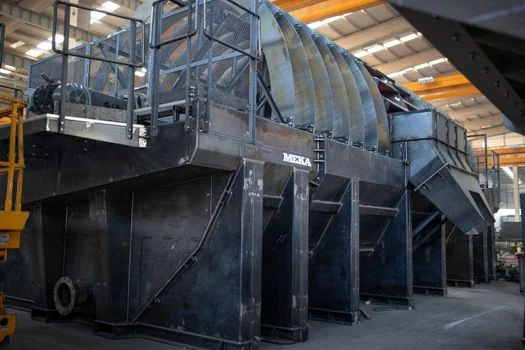
Identifying a reliable sewage treatment equipment supplier in Kandy requires a direct comparison of technical specifications, cost structures, and local support capabilities. The following table provides a head-to-head overview of key suppliers catering to industrial and municipal needs in the region, allowing buyers to shortlist vendors efficiently without extensive initial sales calls.
| Supplier | Technology Focus | Capacity Range (m³/h) | Effluent Quality (COD/TSS) | CAPEX ($/m³/d) | OPEX ($/m³) | Local Service (Y/N) | CEA Compliance (Y/N) |
|---|---|---|---|---|---|---|---|
| Water Lanka Services | SBR, Conventional Activated Sludge | 50–500 | 90% COD removal, 20-30 mg/L TSS | $800–$1,200 | $0.35–$0.45 | Y | Y |
| EcoFlow Water Solutions | MBR, UF/RO for Reuse | 10–200 | <10 mg/L TSS, <30 mg/L COD | $1,200–$1,800 | $0.50–$0.65 | Y | Y |
| AquaTech | Aerobic/Anaerobic, DAF | 20–300 | 85% COD removal, 30-40 mg/L TSS | $700–$1,100 | $0.30–$0.40 | Y | Y (with tertiary) |
| San Lan Technologies | Package Plants, SBR | 5–150 | 88% COD removal, 25-35 mg/L TSS | $750–$1,150 | $0.38–$0.48 | Y | Y |
| HydropureWater | WSZ Underground, MBR, DAF | 1–80 (WSZ), 10–200 (MBR) | 95% TSS removal, <10 mg/L TSS (MBR) | $900–$1,500 (WSZ) | $0.40–$0.55 | Y | Y |
Water Lanka Services is a prominent effluent treatment plant supplier in Sri Lanka, specializing in advanced Sequencing Batch Reactor (SBR) technology. Their SBR systems are suitable for capacities ranging from 50–500 m³/h, achieving approximately 90% COD removal and effluent TSS levels of 20–30 mg/L. Their CAPEX typically falls between $800–$1,200/m³/d, with OPEX averaging $0.35–$0.45/m³ (per Top 5 research, citing their focus on SBR). They provide strong local service and ensure CEA compliance for their installations.
EcoFlow Water Solutions focuses on advanced Membrane Bioreactor (MBR) systems, ideal for applications requiring superior effluent quality, often <10 mg/L TSS and <30 mg/L COD. Their systems typically cater to capacities from 10–200 m³/h. MBR technology, while achieving higher purity, comes with a higher CAPEX of $1,200–$1,800/m³/d and OPEX of $0.50–$0.65/m³ (per Top 1 research). They are known for providing solutions that meet stringent discharge limits.
HydropureWater offers specialized solutions particularly suited for Kandy’s challenging conditions, including WSZ underground sewage treatment plants for Kandy’s land-constrained sites. These compact, integrated units are designed for capacities from 1–80 m³/h, achieving 95% TSS removal and <10 mg/L TSS when equipped with MBR modules. The CAPEX for WSZ underground plants ranges from $900–$1,500/m³/d, with an OPEX of $0.40–$0.55/m³. Their offerings are ideal for sites with limited land availability or stringent aesthetic requirements, and they ensure full CEA compliance.
It is important to note that the provided CAPEX figures generally exclude civil works. Kandy’s rocky soil and mountainous topography can add a significant 10–15% to installation costs for excavation and foundation preparation (per Top 4 research on Kandy's mountainous topography), a critical hidden expense for project budgeting.
2026 Cost Benchmarks for Kandy Buyers: CAPEX, OPEX, and Hidden Expenses
Accurate budgeting for sewage treatment projects in Kandy requires a clear understanding of both direct capital and operational expenditures, as well as less obvious hidden costs. These benchmarks help industrial buyers and municipal engineers secure internal approval by presenting a comprehensive financial outlook.
| Cost Type | Technology/Industry | Cost Range | Notes for Kandy |
|---|---|---|---|
| CAPEX ($/m³/d) | MBR Systems | $1,200–$1,800 | Higher for advanced membrane types and automation. |
| SBR Systems | $800–$1,200 | Cost-effective for moderate effluent quality. | |
| DAF Systems (Primary) | $600–$1,000 | For high FOG/TSS influent, often combined with biological. | |
| WSZ Underground Plants | $900–$1,500 | Ideal for land-constrained sites, reduces civil work footprint. | |
| OPEX ($/m³) | Textile Mills | $0.45–$0.60 | Higher due to chemical consumption for color removal, energy for aeration. |
| Food Processing | $0.30–$0.45 | Lower COD loads than textile, but FOG management adds cost. | |
| Municipal | $0.20–$0.35 | Generally lower due to less complex influent, economies of scale. |
Capital Expenditure (CAPEX) varies significantly by the chosen technology. MBR systems for CEA-compliant effluent in Kandy’s tropical climate typically range from $1,200–$1,800/m³/d, reflecting the cost of membranes and advanced controls. SBR systems offer a more economical entry point at $800–$1,200/m³/d, suitable for projects with less stringent effluent requirements. Dissolved Air Flotation (DAF) systems, often employed for primary treatment of high-TSS or FOG-laden wastewater, fall within $600–$1,000/m³/d. For projects facing land limitations, WSZ underground sewage treatment plants for Kandy’s land-constrained sites present a CAPEX of $900–$1,500/m³/d, which can be offset by savings in land acquisition or aesthetic integration.
Operational Expenditure (OPEX) is influenced by influent quality, energy consumption, chemical usage, and sludge disposal. Textile mills typically incur higher OPEX, ranging from $0.45–$0.60/m³, due to the need for extensive chemical treatment for color removal and higher energy for aeration to handle elevated organic loads. Food processing plants generally have an OPEX of $0.30–$0.45/m³, while municipal projects benefit from economies of scale and less complex influent, resulting in OPEX of $0.20–$0.35/m³. For a comprehensive understanding of these costs, buyers can refer to detailed CAPEX/OPEX breakdowns for industrial buyers in South Asia, which offers comparable regional insights.
Hidden costs are particularly relevant in Kandy. The region's intense monsoon season can increase the frequency of membrane replacement in MBR systems, potentially adding 20% to the annual OPEX for these units due to increased fouling. Kandy’s rocky soil significantly impacts civil works. Excavation costs for foundations and underground installations can add $50–$100/m² to project budgets, a critical factor for WSZ underground plants or any buried infrastructure (per Top 4 research on mountainous topography). Buyers should also consider the financial implications of cost benchmarks for industrial wastewater treatment in similar climates to anticipate potential variations.
Regarding financing, Sri Lanka’s ‘Green Loan Scheme’ offers attractive incentives for CEA-compliant projects. Eligible projects can secure financing at a preferential interest rate of approximately 6%, provided they achieve specific environmental targets, such as consistently maintaining <30 mg/L TSS in their effluent. This scheme significantly improves the return on investment for sustainable wastewater treatment initiatives.
CEA Compliance Checklist for Kandy Sewage Treatment Projects (2026)
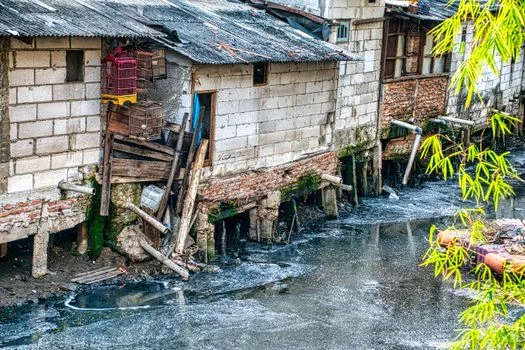
Ensuring full compliance with Sri Lanka’s Central Environmental Authority (CEA) standards and Kandy Municipal Council wastewater discharge limits is paramount for any sewage treatment project. This checklist outlines the essential stages and requirements to validate your project's compliance and reduce the risk of costly redesigns or fines.
- Pre-treatment Assessment:
- Solids Removal: For influent with significant coarse solids (>5 mm), install rotary screens (e.g., HydropureWater's GX Series rotary screens for >5 mm solids removal) to protect downstream equipment.
- FOG/Heavy Solids: For wastewater with FOG >100 mg/L (common in food processing) or TSS >500 mg/L, implement primary treatment like DAF systems for high-TSS wastewater in Kandy’s food and textile mills or lamella clarifiers (similar to the pulsator clarifier in KSWTP for high efficiency).
- Secondary Treatment Selection:
- High Purity Effluent: For discharge limits requiring <10 mg/L TSS and <30 mg/L COD, MBR systems for CEA-compliant effluent in Kandy’s tropical climate are necessary.
- Moderate Purity Effluent: For discharge limits of 20–30 mg/L TSS and <50 mg/L COD, Advanced Sequencing Batch Reactor (SBR) systems are typically sufficient.
- Tertiary Treatment & Disinfection:
- Pathogen Removal: To meet <1 mg/L E. coli standards (SLS 614:1983), integrate sand filtration followed by disinfection using ClO₂ generators for CEA-compliant disinfection in Kandy (e.g., HydropureWater).
- Nutrient Removal: For projects requiring <10 mg/L NH₃-N, advanced biological nutrient removal (BNR) processes may be required, often integrated into MBR or SBR designs.
- Monitoring & Documentation:
- Regular Reporting: CEA mandates quarterly water quality reports detailing parameters such as COD, TSS, NH₃-N, and pH. Ensure these reports include verifiable lab results from accredited laboratories like ITI Sri Lanka.
- SLS 614:1983 Adherence: All treated water quality must consistently meet or exceed the specified parameters in SLS 614:1983.
A downloadable version of this CEA compliance checklist is available for industrial buyers to streamline their project planning and supplier validation process, minimizing compliance risks.
Frequently Asked Questions
Industrial buyers and municipal engineers in Kandy often have specific questions regarding sewage treatment equipment selection, costs, and compliance. Here are answers to some of the most common inquiries.
What are the CEA discharge limits for industrial sewage in Kandy?
For industrial discharge, the Central Environmental Authority (CEA) in Kandy typically requires effluent to meet stringent standards: <50 mg/L COD, <30 mg/L TSS, <10 mg/L NH₃-N, and <1 mg/L E. coli (aligned with SLS 614:1983). Municipal wastewater discharge limits are often stricter, requiring <30 mg/L COD and <10 mg/L TSS, especially when discharging into sensitive receiving waters.
How much does a 50 m³/h sewage treatment plant cost in Kandy?
The capital expenditure (CAPEX) for a 50 m³/h sewage treatment plant in Kandy varies significantly by technology and industry. For a textile mill requiring robust treatment, an SBR system might cost $40K–$60K CAPEX, while an MBR system, offering higher effluent quality, could range from $60K–$90K. Operational expenditure (OPEX) for textile mills is typically $0.45–$0.60/m³. Food processing plants, often having lower COD loads, may see CAPEX costs 20–30% less and OPEX closer to $0.30–$0.45/m³.
Can I install a sewage treatment plant underground in Kandy?
Yes, installing a sewage treatment plant underground is a highly viable option in Kandy, especially given the city's limited land availability and mountainous terrain. WSZ underground sewage treatment plants for Kandy’s land-constrained sites, with capacities typically ranging from 1–80 m³/h, are specifically designed for this purpose. However, Kandy’s rocky soil may increase excavation costs by 10–15% compared to areas with softer ground, a factor to include in civil works budgeting.
What’s the best technology for high-TSS wastewater in Kandy?
For wastewater with high Total Suspended Solids (TSS), such as that from pulp/paper mills or certain food processing facilities with influent TSS >500 mg/L, Dissolved Air Flotation (DAF) systems are highly effective, capable of removing 90–95% of TSS as primary treatment. If the goal is to achieve extremely low TSS levels (<10 mg/L) for water reuse applications like irrigation or process water, MBR systems are the superior choice, often following DAF or other primary treatment.
Do suppliers in Kandy offer financing or leasing?
Many reputable sewage treatment equipment supplier in Kandy, such as Water Lanka Services, partner with local banks to offer financing or leasing options for industrial projects. These typically include 5–7 year leases with interest rates ranging from 8–10%. Additionally, Sri Lanka’s government-backed ‘Green Loan Scheme’ provides an attractive option for CEA-compliant projects, offering preferential interest rates of approximately 6% for investments in environmentally sustainable technologies.
Further Reading
Explore these in-depth articles on related wastewater treatment topics: