Wastewater Treatment Plant Cost in Odisha 2026: CAPEX, OPEX, Tech-Specific Breakdown & Zero-Risk Compliance
In Odisha, wastewater treatment plant costs vary widely based on technology, scale, and compliance requirements. For decentralized plants (1–100 KL/day), CAPEX ranges from ₹25,000 to ₹30,000 per KL/day, while large-scale OWSSB projects (e.g., 48 MLD) cost ₹298.20 Cr (₹6.21 Cr/MLD). OPEX for industrial plants averages ₹5–10 per KL treated, with energy (40–60% of OPEX) and sludge disposal (20–30%) as major cost drivers. Odisha Pollution Control Board norms (e.g., COD < 250 mg/L, BOD < 30 mg/L) may require tertiary treatment, adding 15–20% to CAPEX.
Why Odisha’s Wastewater Crisis Demands Urgent Action
Odisha’s major river systems, including the Mahanadi and Brahmani, currently exceed Class B water quality standards at multiple monitoring points in Bhubaneswar, Cuttack, and Sambalpur due to the discharge of untreated domestic and industrial effluent. According to the State Pollution Control Board (SPCB) monitoring data, the organic loading in these rivers has reached critical levels, threatening both aquatic ecosystems and municipal water security. In response, the Odisha Pollution Control Board (OPCB) has initiated a 2025–2026 enforcement drive targeting over 500 industries for non-compliance with discharge norms.
The financial risks of inaction are substantial; OPCB’s 2024 circular outlines penalties of up to ₹5 Cr or immediate plant shutdowns for repeat offenders. A real-world example occurred in 2023, where a textile factory in Rourkela was fined ₹1.2 Cr after its effluent exceeded Chemical Oxygen Demand (COD) limits by 400%, leading to a temporary suspension of its operating license. This enforcement environment makes understanding the wastewater treatment plant cost in odisha india a critical priority for industrial procurement managers.
On the municipal front, the Odisha Water Supply and Sewerage Board (OWSSB) has set an ambitious 2026 target to achieve 100% sewerage coverage for major urban hubs like Bhubaneswar, Sambalpur, and Rourkela. While these large-scale projects address urban waste, industrial players must independently manage their effluents to meet the OPCB's stringent 2026 standards. Failure to invest in compliant infrastructure now often leads to higher remediation costs and legal liabilities later.
Wastewater Treatment Plant Costs in Odisha: CAPEX Breakdown by Technology and Scale
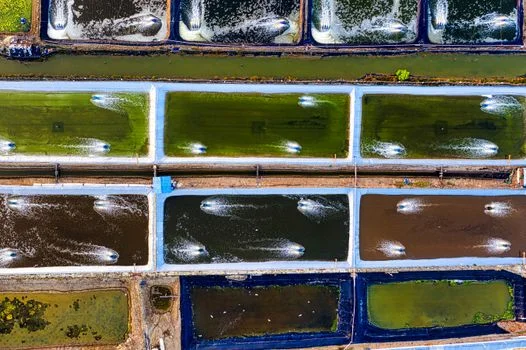
Capital Expenditure (CAPEX) for wastewater treatment in Odisha is primarily dictated by the chosen technology and the daily volume of effluent. Decentralized plants with a capacity of 1–100 KL/day typically cost between ₹25,000 and ₹30,000 per KL/day. For many small-to-medium enterprises (SMEs), prefabricated underground sewage treatment systems for Odisha’s decentralized projects offer a cost advantage, often reducing civil engineering expenses by 10–15% compared to traditional site-built concrete structures.
For medium-scale operations (100–1,000 KL/day), the technology choice significantly impacts the initial investment. Conventional Activated Sludge (CAS) systems remain the baseline for affordability, while advanced membrane systems command a premium due to their higher effluent quality and smaller footprint. Industry benchmarks for 2026 suggest the following ranges:
| Technology Type | CAPEX (per KL/day) | Footprint Requirement | Effluent Quality (BOD) |
|---|---|---|---|
| Conventional Activated Sludge (CAS) | ₹30,000 – ₹35,000 | High | < 30 mg/L |
| Sequential Batch Reactor (SBR) | ₹35,000 – ₹40,000 | Medium | < 20 mg/L |
| Membrane Bioreactor (MBR) | ₹40,000 – ₹50,000 | Low | < 5 mg/L |
| Dissolved Air Flotation (DAF) | ₹25,000 – ₹35,000 | Medium | Variable (Pre-treatment) |
Large-scale municipal or cluster-based industrial projects (1,000+ KL/day) follow a different cost curve. Standard CAS systems at this scale cost ₹2.5–4 Cr per MLD (Million Liters per Day), whereas MBR systems for Odisha’s high-compliance industrial zones (Bhubaneswar, Rourkela) can range from ₹4–6 Cr per MLD. The OWSSB’s 48 MLD project in Bhubaneswar, which includes extensive tertiary treatment, reached ₹6.21 Cr/MLD, reflecting the high cost of meeting modern environmental standards.
Specific cost drivers in Odisha include the risk of monsoon flooding, which typically adds 5–10% to CAPEX for elevated plinths and reinforced waterproofing. However, these costs are partially offset by local labor rates, which remain approximately 20% lower than the national industrial average in states like Maharashtra or Gujarat.
OPEX Benchmarks for Odisha: Energy, Chemicals, Labor, and Sludge Disposal Costs
Operational Expenditure (OPEX) is where the long-term viability of a wastewater project is determined. In Odisha, energy consumption is the dominant cost driver, accounting for 40–60% of total OPEX. Based on 2026 Odisha industrial electricity tariffs (₹6–8/kWh), a conventional system consumes 0.3–0.5 kWh/KL, while an MBR system, due to its high-pressure membrane requirements, consumes 0.6–0.8 kWh/KL.
Chemical costs typically range from ₹1–3 per KL treated, primarily for coagulants and flocculants. However, advanced systems like MBR can reduce chemical dependency by 30–40% because the physical membrane barrier replaces much of the chemical settling process. Labor costs in Odisha are relatively competitive, averaging ₹3–5/KL for decentralized plants and dropping to ₹1–2/KL for large-scale automated facilities. Maintenance budgets should be set at 5–10% of CAPEX annually, with MBR systems requiring a specific sinking fund for membrane replacement every 5–7 years, costing approximately ₹5–8/KL/year over the membrane's lifecycle.
| OPEX Component | Cost (₹ per KL treated) | % of Total OPEX |
|---|---|---|
| Energy (Electricity) | ₹3.00 – ₹6.40 | 45% - 55% |
| Chemicals & Consumables | ₹1.00 – ₹3.00 | 15% - 20% |
| Labor & Supervision | ₹1.50 – ₹4.00 | 15% - 25% |
| Sludge Disposal & Dewatering | ₹2.00 – ₹4.00 | 10% - 15% |
| Routine Maintenance | ₹0.50 – ₹1.50 | 5% - 10% |
A significant emerging cost is sludge management. The OPCB's 2024 guidelines effectively ban the disposal of untreated sludge in landfills by 2026, adding ₹1–2/KL to processing costs for mechanical dewatering. Implementing sludge dewatering solutions to comply with Odisha’s 2026 ban on untreated sludge disposal is now a mandatory requirement for any zero-risk procurement strategy. Automated dosing also helps control costs, as an automatic chemical dosing system can prevent the over-application of expensive polymers.
Centralized vs. Decentralized Systems: Which is Right for Your Odisha Project?
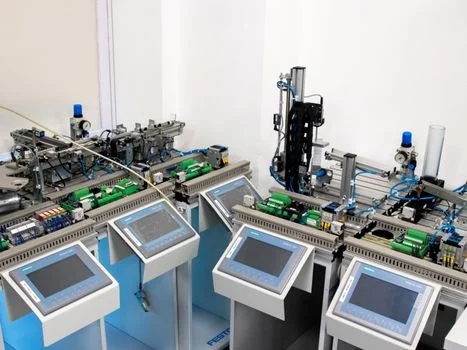
Choosing between a centralized system (connecting to a municipal grid) and a decentralized system (on-site treatment) depends on the project's location and the urgency of the timeline. Centralized systems, such as those managed by OWSSB, offer economies of scale with lower CAPEX per MLD, but they are often plagued by long lead times (3–5 years) and high connection fees. many of Odisha's rural and peri-urban industrial clusters lack the necessary sewer network to support centralized treatment.
Decentralized systems allow for rapid deployment (3–6 months) and provide the owner with direct control over effluent quality. This is particularly advantageous in high-risk zones like the Brahmani river basin, where OPCB monitoring is frequent. While decentralized plants have a higher OPEX per KL, they eliminate the risk of municipal system failures and allow for localized water reuse, which can significantly offset costs. For a deeper look at how these models compare nationally, see our guide on national cost benchmarks for wastewater treatment plants in India.
| Parameter | Centralized (OWSSB) | Decentralized (On-site) |
|---|---|---|
| Deployment Time | 3 – 5 Years | 3 – 6 Months |
| CAPEX (Relative) | Lower (₹2.5-4 Cr/MLD) | Higher (₹25k-50k/KL) |
| Water Reuse Potential | Low (Needs secondary piping) | High (Directly available) |
| Compliance Risk | Shared with Municipality | Sole Responsibility |
Odisha Pollution Control Board Compliance: Costs and Requirements for 2026
Compliance with OPCB norms is the single most important factor in avoiding catastrophic financial penalties. The 2026 discharge norms for industrial units in Odisha are strictly defined: COD must be under 250 mg/L, Biochemical Oxygen Demand (BOD) under 30 mg/L, and Total Suspended Solids (TSS) under 100 mg/L. For units discharging into sensitive water bodies, BOD limits may be further tightened to < 10 mg/L.
Meeting these standards often requires tertiary treatment, such as sand filtration, activated carbon, or reverse osmosis for industrial water reuse. These additions typically increase CAPEX by 15–20%. Additionally, OPCB mandates monthly effluent testing from third-party accredited labs, costing between ₹50,000 and ₹1 Lakh per year depending on the number of parameters tested. Disinfection is also a key requirement; many plants now utilize a chlorine dioxide generator to ensure pathogen-free discharge without the harmful byproducts of traditional chlorination.
Industrial buyers should follow this OPCB compliance checklist:
- Verify influent characteristics through 7-day composite sampling.
- Ensure the design includes a 20% buffer for peak hydraulic loads.
- Secure a valid Consent to Establish (CTE) before beginning construction.
- Implement real-time online monitoring systems (OCEMS) for large-scale units.
- Contract with authorized third-party vendors for sludge disposal.
Case Study: OWSSB’s 48 MLD Sewage Treatment Plant in Bhubaneswar

The OWSSB’s 48 MLD Sewage Treatment Plant (STP) in Bhubaneswar serves as a benchmark for large-scale wastewater infrastructure in the state. Funded through a combination of JICA loans and state budget allocations, the project had a CAPEX of ₹298.20 Cr and an annual OPEX budget of ₹57.54 Cr. The plant utilizes Conventional Activated Sludge technology augmented with tertiary sand filtration and UV disinfection to meet high-density urban discharge norms.
| Cost Category | Allocation (%) | Key Components |
|---|---|---|
| Civil Works | 40% | RCC tanks, primary clarifiers, administrative buildings |
| Mechanical/Electrical | 35% | Blowers, pumps, SCADA systems, UV units |
| Land Acquisition | 15% | Government land transfers and compensation |
| Contingencies | 10% | Consultancy, testing, and unplanned delays |
Lessons from this project highlight the importance of planning for land acquisition and energy tariffs. Land delays extended the project timeline by 18 months, and energy costs were 25% higher than initial projections due to the intensive aeration required for tertiary standards. For planners in other regions, comparing this to municipal sewage treatment plant costs and tech specs in Karnataka can provide additional perspective on regional variances in civil and land costs.
ROI Calculator: How to Justify Wastewater Treatment Plant Costs in Odisha
Justifying the cost of a WWTP to a corporate board requires a clear Return on Investment (ROI) calculation. The fundamental formula for ROI in this context is: (Annual Savings + Avoided Penalties) / (CAPEX + Annual OPEX). In Odisha, the "avoided penalties" variable is often the largest driver of ROI, given the OPCB's aggressive enforcement stance.
Consider a textile plant in Rourkela with a 50 KL/day discharge. By investing ₹15 Lakh in a compliant treatment system, they avoid a potential ₹1.2 Cr fine (based on 2023 precedents). by recycling 70% of their water for non-process use, they save ₹30 Lakh annually on water procurement (at ₹40/KL). With an annual OPEX of ₹8 Lakh, the payback period is less than 18 months. This ROI model is similar to those used in other industrial hubs; for comparison, see the wastewater treatment costs and compliance in Northeast India.
Variables to customize in your ROI calculation include:
- Current water procurement cost (₹/KL).
- Local industrial electricity tariff (₹/kWh).
- Projected OPCB penalty for non-compliance.
- Value of CSR and brand reputation for "Zero Liquid Discharge" (ZLD) status.
Frequently Asked Questions
What is the average cost of a 100 KLD sewage treatment plant in Odisha?
For a 100 KLD plant, the CAPEX typically ranges from ₹25 Lakh to ₹35 Lakh depending on the technology. SBR systems are on the higher end of this range but offer better compliance security. OPEX for such a plant averages ₹15,000 to ₹25,000 per month, primarily driven by power and chemical dosing.
How do Odisha Pollution Control Board norms affect plant cost?
OPCB norms require secondary treatment at a minimum, but 70% of industrial projects now require tertiary treatment (filtration/disinfection) to meet BOD < 10 mg/L limits. This requirement adds approximately 15–20% to the initial CAPEX and increases OPEX by ₹1.5–2.5 per KL treated.
Is decentralized wastewater treatment viable for Odisha's rural industries?
Yes, decentralized systems are often the only viable option in rural Odisha where municipal sewerage is non-existent. These systems are faster to deploy (3–6 months) and allow for on-site water reuse, providing a hedge against water scarcity and OPCB penalties for illegal discharge into local water bodies.
What are the main OPEX drivers for WWTPs in Bhubaneswar?
Energy is the primary driver, accounting for 50% of OPEX due to the high aeration requirements of modern plants. Sludge disposal is the second fastest-growing cost, as new OPCB regulations mandate mechanical dewatering and authorized disposal, which can cost up to ₹4 per KL of treated water.