Assam’s industrial wastewater treatment market is projected to grow 12% annually through 2026, driven by Assam PCB’s stricter discharge limits (e.g., COD ≤250 mg/L for textile effluent, TSS ≤100 mg/L for pharma). For Guwahati’s textile and pharmaceutical sectors, dissolved air flotation (DAF) systems achieve 90–95% TSS removal at ₹25–40L CAPEX for 50 KLD, while membrane bioreactors (MBRs) deliver near-reuse-quality effluent (COD ≤50 mg/L) at ₹80–120L CAPEX. Local suppliers like Vikas Pump offer ETPs starting at ₹15L for 10 KLD, but customization for Assam’s high-COD effluent (2,000–5,000 mg/L) can increase costs by 30–50%.
Why Assam’s Industrial Wastewater Treatment Needs a Localized Approach
Meeting environmental compliance standards for industrial wastewater treatment in Assam India requires a highly localized approach, diverging significantly from generic national guidelines. Assam PCB’s 2024 discharge limits for industrial sectors, such as COD ≤250 mg/L for textile effluent and TSS ≤100 mg/L for pharmaceutical wastewater, are increasingly stringent, often exceeding or refining national CPCB standards to address local ecological sensitivities. For instance, while CPCB sets a general COD limit of 250 mg/L, Assam PCB’s enforcement and regional industrial concentrations necessitate more precise and effective treatment solutions.
Guwahati’s industrial effluent presents unique challenges. Textile factories frequently discharge wastewater with COD levels ranging from 3,000–5,000 mg/L and color units between 500–1,500 Pt-Co, primarily due to dyes and processing chemicals. Pharmaceutical units, conversely, contend with high Total Dissolved Solids (TDS) concentrations of 1,500–3,000 mg/L and pH fluctuations between 5–9, stemming from diverse chemical processes. Food processing industries face effluent characterized by high Biochemical Oxygen Demand (BOD) (1,000–3,000 mg/L) and Fats, Oils, and Grease (FOG) (200–800 mg/L).
A textile unit in Guwahati recently faced a penalty of ₹12L for consistently exceeding its COD discharge limits, highlighting the direct financial consequences of non-compliance. Implementing a specialized DAF pretreatment system, tailored to the high organic load of textile wastewater, subsequently reduced the unit’s COD by 70%, enabling it to meet Assam PCB standards and avoid further penalties (HydropureWater field data, 2025). This case underscores the critical need for solutions designed for specific local effluent characteristics.
A common mistake in industrial wastewater treatment in Assam is deploying generic Effluent Treatment Plants (ETPs) without accounting for these localized high-COD or high-TDS effluent profiles. Such systems often struggle to achieve compliance, leading to 30–50% higher operational expenditure (OPEX) due to excessive chemical dosing, increased sludge generation, and frequent system adjustments, proving that a one-size-fits-all approach is both ineffective and costly in Assam.
| Industry Type | Parameter | Typical Influent Range (Assam) | Assam PCB Discharge Limit (2024) | CPCB General Standard |
|---|---|---|---|---|
| Textile | COD | 3,000–5,000 mg/L | ≤250 mg/L | ≤250 mg/L |
| Textile | TSS | 500–1,500 mg/L | ≤100 mg/L | ≤100 mg/L |
| Textile | Color | 500–1,500 Pt-Co | ≤150 Pt-Co | ≤150 Pt-Co |
| Pharmaceutical | TDS | 1,500–3,000 mg/L | ≤2,100 mg/L | ≤2,100 mg/L |
| Pharmaceutical | pH | 5–9 | 6.5–8.5 | 6.5–8.5 |
| Food Processing | BOD | 1,000–3,000 mg/L | ≤30 mg/L | ≤30 mg/L |
| Food Processing | FOG | 200–800 mg/L | ≤10 mg/L | ≤10 mg/L |
Assam PCB Compliance Checklist: Discharge Limits and Treatment Requirements
Adhering to Assam PCB’s 2024 discharge limits is mandatory for all industrial units operating within the state, with non-compliance carrying significant legal and financial repercussions. The Assam PCB sets specific parameters for various industries, which dictate the necessary performance of any industrial wastewater treatment system. For textile industries, strict limits include COD ≤250 mg/L, BOD ≤30 mg/L, TSS ≤100 mg/L, and color ≤150 Pt-Co. Pharmaceutical units must meet TSS ≤100 mg/L, TDS ≤2,100 mg/L, and maintain a pH between 6.5–8.5. Food processing facilities are typically required to achieve BOD ≤30 mg/L and FOG ≤10 mg/L, while distilleries face stringent limits on parameters like BOD and COD due to high organic loads.
Sampling frequency and reporting requirements vary based on the scale and nature of industrial operations in Guwahati and other Assam industrial zones. Large industrial units typically require monthly effluent sampling and submission of detailed analysis reports to the Assam PCB, whereas Small and Medium Enterprises (SMEs) may have quarterly reporting obligations. Accurate record-keeping and timely submission are critical components of a robust compliance strategy for industrial wastewater treatment in Assam India.
Penalties for non-compliance with Assam PCB standards are severe, ranging from fines of ₹50K–₹12L per violation, depending on the severity and recurrence. Repeated violations can lead to production halts, sealing of industrial units, and legal action under the Water (Prevention & Control of Pollution) Act, 1974. These enforcement measures underscore the economic imperative of effective wastewater treatment.
Interpreting Assam PCB’s Consent-to-Operate (CTO) conditions for wastewater treatment plants involves understanding key clauses related to effluent quality, treatment capacity, monitoring points, and sludge management. A CTO is typically valid for five years and requires a timely renewal application, often necessitating updated effluent test reports and a compliance plan. Ensuring continuous adherence to CTO conditions is fundamental for uninterrupted industrial operations in Assam.
| Parameter | Textile Industry (mg/L, unless specified) | Pharmaceutical Industry (mg/L, unless specified) | Food Processing Industry (mg/L, unless specified) | Distillery (mg/L, unless specified) |
|---|---|---|---|---|
| pH | 6.5–8.5 | 6.5–8.5 | 6.5–8.5 | 6.5–8.5 |
| COD | ≤250 | ≤250 | ≤250 | ≤250 |
| BOD (3 days at 27°C) | ≤30 | ≤30 | ≤30 | ≤30 |
| TSS | ≤100 | ≤100 | ≤100 | ≤100 |
| TDS | ≤2,100 | ≤2,100 | ≤2,100 | ≤2,100 |
| Oil & Grease | ≤10 | ≤10 | ≤10 | ≤10 |
| Color | ≤150 Pt-Co | — | — | — |
| Ammoniacal Nitrogen | — | — | — | ≤50 |
Wastewater Treatment Technologies for Assam’s Key Industries: DAF vs. MBR vs. ETP
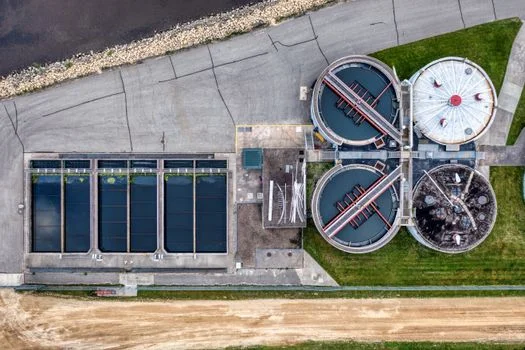
Selecting the optimal wastewater treatment technology in Assam hinges on matching the system’s capabilities to the specific effluent characteristics, compliance requirements, and operational constraints of local industries. Dissolved Air Flotation (DAF) systems are highly effective for primary treatment of textile and food processing wastewater, achieving 90–95% TSS removal, 70–80% COD reduction, and FOG removal rates up to 99%. This efficiency makes DAF ideal for Assam’s high-COD effluent (2,000–5,000 mg/L) from textile dyeing units and high-FOG wastewater from food processing, significantly reducing the load on subsequent biological stages. HydropureWater offers robust DAF systems for high-TSS industrial wastewater in Assam, engineered for consistent performance.
Membrane Bioreactors (MBRs) represent an advanced solution particularly suited for pharmaceutical and distillery wastewater in Assam, delivering near-reuse-quality effluent with COD ≤50 mg/L and TSS ≤5 mg/L. MBR systems offer a 60% smaller footprint compared to conventional activated sludge systems, which is a critical advantage for space-constrained industrial zones in Guwahati. Their ability to handle high TDS (1,500–3,000 mg/L) and produce a superior effluent quality makes MBR systems for pharmaceutical wastewater in Guwahati an excellent choice for industries aiming for water reuse or stringent discharge limits. For more on advanced MBR solutions, consider how advanced MBR solutions for Assam’s pharmaceutical effluent compare to other regions.
Conventional Effluent Treatment Plants (ETPs) remain a viable option for general industrial use, particularly for Small and Medium Enterprises (SMEs) with lower effluent volumes and less complex waste streams. ETPs typically offer 80–90% COD removal and come with a lower CAPEX, ranging from ₹15–50L for 10–100 KLD systems. However, they require larger footprints for secondary clarifiers and more intensive sludge handling. While effective for a broad range of applications, ETPs may require significant customization and additional polishing steps to consistently meet Assam PCB’s stricter limits for high-strength effluents. The need for precise chemical dosing is often met by chemical dosing systems for Assam’s high-COD textile effluent.
A technology selection matrix helps match Assam’s diverse effluent characteristics to the most appropriate treatment system. For instance, textile effluent with high COD and color typically benefits from DAF pretreatment followed by biological treatment, while pharmaceutical effluent with high TDS and complex organics often necessitates MBR technology. Food processing wastewater with high FOG and BOD can be effectively managed with DAF as a primary step, followed by an aerobic biological process. Understanding these specific needs is paramount for effective industrial wastewater treatment in Assam.
| Feature | Dissolved Air Flotation (DAF) | Membrane Bioreactor (MBR) | Conventional Effluent Treatment Plant (ETP) |
|---|---|---|---|
| Primary Application in Assam | Textile (high COD, color), Food Processing (high FOG, BOD) | Pharmaceutical (high TDS, complex organics), Distillery | General Industrial (SMEs, lower volume, less complex) |
| Key Strengths | High TSS/FOG removal (90-99%), significant COD reduction (70-80%), effective pretreatment | Near-reuse quality effluent (COD ≤50 mg/L), small footprint (60% less), robust against shocks | Lower CAPEX, widely understood, adaptable for various loads |
| Effluent Quality (Typical) | TSS: 50-150 mg/L, COD: 500-1500 mg/L (post-DAF) | TSS: ≤5 mg/L, COD: ≤50 mg/L, BOD: ≤5 mg/L | TSS: 50-100 mg/L, COD: 100-250 mg/L, BOD: 10-30 mg/L |
| Footprint | Moderate (compact for primary treatment) | Smallest (ideal for space-constrained Guwahati) | Largest (requires secondary clarifiers) |
| CAPEX (Indicative, 50-100 KLD) | ₹25–40L (50 KLD) | ₹80–120L (100 KLD) | ₹15–50L (10-100 KLD) |
| OPEX (Indicative) | ₹5–10/m³ (chemicals, power) | ₹15–25/m³ (membrane replacement, aeration) | ₹8–15/m³ (sludge, chemicals, power) |
| Compliance Suitability | Excellent for primary treatment, needs secondary for full compliance | Excellent for stringent discharge & reuse standards | Good for general compliance, may need polishing for strict limits |
Engineering Specs for Assam’s Industrial Wastewater: Influent, Effluent, and Process Parameters
Precise engineering specifications are fundamental for designing and operating effective industrial wastewater treatment systems in Assam, ensuring compliance with local regulations. Influent characteristics for Assam’s key industries dictate the necessary treatment intensity. Textile wastewater, for example, typically presents with high COD (3,000–5,000 mg/L), high TSS (500–1,500 mg/L), and significant color (500–1,500 Pt-Co units). Pharmaceutical effluent often features high TDS (1,500–3,000 mg/L) and a variable pH (5–9), alongside complex organic compounds. Food processing wastewater is characterized by high BOD (1,000–3,000 mg/L) and FOG (200–800 mg/L).
To meet Assam PCB limits, specific effluent targets must be achieved. For textile wastewater, this means reducing COD to ≤250 mg/L and TSS to ≤100 mg/L. Pharmaceutical effluent requires TSS ≤100 mg/L and TDS ≤2,100 mg/L, while food processing must achieve BOD ≤30 mg/L and FOG ≤10 mg/L. These targets necessitate robust treatment processes capable of significant pollutant removal efficiencies.
Process parameters for DAF systems are critical for their performance in treating high-solids and FOG-laden wastewater. An optimal air-to-solids ratio typically ranges from 0.02–0.06, ensuring efficient flotation of suspended particles. Hydraulic loading rates are generally maintained between 5–15 m/h, and chemical dosing, including coagulants (50–200 mg/L) and flocculants (1–5 mg/L), is finely tuned to enhance particle agglomeration and separation. For MBRs, membrane flux is typically set between 15–25 LMH (liters per square meter per hour) to balance performance and minimize fouling. Mixed Liquor Suspended Solids (MLSS) concentrations are maintained at high levels, usually 8,000–12,000 mg/L, to maximize biological treatment efficiency. Aeration demand ranges from 0.3–0.6 m³ air/m³ wastewater, crucial for both biological activity and membrane scouring. Conventional ETPs, particularly those employing activated sludge, rely on hydraulic retention time (HRT) of 8–24 hours, a Food-to-Microorganism (F/M) ratio of 0.1–0.3, and a sludge retention time (SRT) of 10–30 days to ensure effective organic removal and biomass stability. Understanding global cost benchmarks can provide further context; learn more about global cost benchmarks for industrial wastewater treatment.
| Parameter Type | Textile Industry | Pharmaceutical Industry | Food Processing Industry |
|---|---|---|---|
| Influent Characteristics (Typical) | |||
| COD (mg/L) | 3,000–5,000 | 500–2,000 | 1,000–3,000 |
| BOD (mg/L) | 1,000–2,000 | 200–800 | 1,000–3,000 |
| TSS (mg/L) | 500–1,500 | 100–500 | 200–800 |
| TDS (mg/L) | 500–1,500 | 1,500–3,000 | 500–1,200 |
| pH | 6–10 | 5–9 | 4–8 |
| Color (Pt-Co) | 500–1,500 | — | — |
| FOG (mg/L) | 50–150 | — | 200–800 |
| Effluent Targets (Assam PCB Limits) | |||
| COD (mg/L) | ≤250 | ≤250 | ≤250 |
| BOD (mg/L) | ≤30 | ≤30 | ≤30 |
| TSS (mg/L) | ≤100 | ≤100 | ≤100 |
| TDS (mg/L) | ≤2,100 | ≤2,100 | ≤2,100 |
| pH | 6.5–8.5 | 6.5–8.5 | 6.5–8.5 |
| Color (Pt-Co) | ≤150 | — | — |
| FOG (mg/L) | ≤10 | ≤10 | ≤10 |
| Process Parameters (Typical) | |||
| DAF Air-to-Solids Ratio | 0.02–0.06 | — | 0.02–0.06 |
| DAF Hydraulic Loading Rate | 5–15 m/h | — | 5–15 m/h |
| MBR Membrane Flux | — | 15–25 LMH | — |
| MBR MLSS | — | 8,000–12,000 mg/L | — |
| ETP HRT (Biological) | 8–24 hours | 12–36 hours | 8–24 hours |
| ETP F/M Ratio | 0.1–0.3 | 0.05–0.2 | 0.1–0.3 |
Cost Models for Industrial Wastewater Treatment in Assam: CAPEX, OPEX, and ROI

Understanding the full cost implications, including Capital Expenditure (CAPEX), Operational Expenditure (OPEX), and Return on Investment (ROI), is crucial for industrial buyers evaluating wastewater treatment systems in Assam. CAPEX benchmarks for various technologies in Assam reflect regional material costs and installation complexities. A 50 KLD DAF system typically ranges from ₹25–40L, while a 100 KLD MBR system, offering superior effluent quality and a smaller footprint, commands a higher CAPEX of ₹80–120L. Conventional ETPs for 10–100 KLD are generally more affordable, priced between ₹15–50L. Cost drivers include the level of automation, material of construction (e.g., MS vs. SS), and civil work requirements. For comparison, it can be useful to see how Haryana’s industrial wastewater treatment compares to Assam’s.
OPEX benchmarks are equally important for long-term budgeting. DAF systems typically incur OPEX of ₹5–10/m³ for chemicals (coagulants, flocculants) and power. MBR systems, while producing higher quality effluent, have a higher OPEX of ₹15–25/m³ due to membrane replacement cycles and aeration energy demands. ETPs generally fall in the middle, with OPEX ranging from ₹8–15/m³ for sludge disposal, chemical dosing, and power consumption.
Hidden costs often overlooked in initial assessments can significantly impact the overall financial viability of industrial wastewater treatment in Assam. Sludge disposal costs are a major component, with charges ranging from ₹2–5/kg for landfill disposal to ₹10–20/kg for more advanced incineration, depending on the sludge type and local regulations. Chemical dosing, particularly for high-COD effluents, can add ₹10–30/kg for coagulants and flocculants. Labor costs for operating and maintaining the plant typically amount to ₹15–25K/month for skilled operators.
Calculating the Return on Investment (ROI) for industrial wastewater treatment systems in Assam demonstrates their long-term economic benefits. For a 50 KLD textile wastewater treatment system, the payback period can be estimated at 3–5 years. This ROI is primarily driven by avoiding Assam PCB penalties, which can be as high as ₹12L per year for consistent non-compliance, and potential water reuse savings of approximately ₹5L per year, reducing reliance on fresh water sources. These savings, combined with enhanced brand reputation and social license to operate, make the investment in compliant wastewater treatment financially sound.
| Cost Category | DAF System (50 KLD) | MBR System (100 KLD) | Conventional ETP (10-100 KLD) |
|---|---|---|---|
| CAPEX Benchmarks (Indicative) | |||
| System Cost | ₹25–40L | ₹80–120L | ₹15–50L |
| Installation & Civil Work | 15–25% of system cost | 10–20% of system cost | 20–35% of system cost |
| Automation/Instrumentation | ₹2–5L | ₹5–10L | ₹1–3L |
| OPEX Benchmarks (Indicative per m³ treated) | |||
| Chemicals | ₹3–6/m³ | ₹1–3/m³ | ₹2–5/m³ |
| Power Consumption | ₹2–4/m³ | ₹8–12/m³ | ₹4–8/m³ |
| Maintenance (Spares, Labor) | ₹1–2/m³ | ₹6–10/m³ (includes membrane) | ₹1–3/m³ |
| Sludge Disposal | ₹0.5–1/m³ (based on volume) | ₹0.5–1/m³ (based on volume) | ₹1–2/m³ (based on volume) |
| Total OPEX (per m³) | ₹5–10/m³ | ₹15–25/m³ | ₹8–15/m³ |
| Hidden Costs (Annual Indicative for 50 KLD) | |||
| Sludge Disposal (Landfill) | ₹2–5/kg (dry solid) | ₹2–5/kg (dry solid) | ₹2–5/kg (dry solid) |
| Chemical Dosing (Coagulants/Flocculants) | ₹10–30/kg | ₹10–30/kg | ₹10–30/kg |
| Labor (1 operator) | ₹1.8–3L/year | ₹1.8–3L/year | ₹1.8–3L/year |
| ROI Calculation Example (50 KLD Textile Unit) | |||
| Assam PCB Penalty Avoidance | ₹12L/year | — | — |
| Water Reuse Savings | ₹5L/year | ₹7–10L/year | ₹2–3L/year |
| Estimated Payback Period | 3–5 years | 4–7 years | 3–6 years |
How to Select a Wastewater Treatment Supplier in Assam: A 5-Step Decision Framework
Selecting the right wastewater treatment supplier in Assam is a critical decision that impacts compliance, operational efficiency, and long-term costs. A structured approach ensures that the chosen partner can effectively address the unique challenges of industrial wastewater treatment in Assam India.
- Step 1: Assess Supplier Expertise in Assam’s Key Industries. Prioritize suppliers with a proven track record and specific experience in treating effluent from textile, pharmaceutical, or food processing industries in Assam. Request detailed case studies or references from Guwahati-based clients to verify their understanding of local effluent characteristics and regulatory nuances.
- Step 2: Verify Compliance with Assam PCB Standards. Demand concrete evidence that the supplier’s proposed systems consistently meet Assam PCB discharge limits. This includes requesting recent test reports for treated effluent from their installations, demonstrating compliance with parameters like COD ≤250 mg/L for textile or TSS ≤100 mg/L for pharmaceutical wastewater.
- Step 3: Evaluate Customization Capabilities. Assam’s industrial effluent, particularly high-COD textile wastewater (3,000–5,000 mg/L), rarely fits a standard treatment mold. A competent supplier must demonstrate the ability to design and implement tailored solutions, such as specialized DAF for textile pretreatment or MBRs for pharmaceutical effluent, rather than offering generic ETPs.
- Step 4: Compare After-Sales Support and Local Presence. Long-term operational success heavily relies on prompt and effective after-sales support. Local suppliers, like Vikas Pump, often provide 24/7 service and faster response times within Assam, which can be crucial during system upsets. Evaluate service contracts, spare parts availability, and technical assistance commitments.
- Step 5: Request a Pilot Study. Before committing to a full-scale deployment, insist on a pilot study using your actual effluent. This allows for real-world validation of the system’s performance (e.g., COD/TSS removal efficiency, chemical consumption) and provides a reliable basis for predicting full-scale operational parameters and costs.
Frequently Asked Questions
Industrial buyers in Assam often have specific questions regarding compliance, costs, and technology selection for industrial wastewater treatment in Assam India. Here are answers to common queries:
What are Assam PCB’s discharge limits for textile wastewater?
Assam PCB requires COD ≤250 mg/L, BOD ≤30 mg/L, TSS ≤100 mg/L, and color ≤150 Pt-Co for textile effluent. Non-compliance can result in fines up to ₹12L per violation, alongside potential production halts and legal action under the Water (Prevention & Control of Pollution) Act, 1974.
How much does a 50 KLD DAF system cost in Assam?
A 50 KLD DAF system for textile wastewater typically costs ₹25–40L CAPEX, with an estimated OPEX of ₹5–10/m³ for chemicals and power. Customization required for treating Assam’s characteristic high-COD effluent (3,000–5,000 mg/L) may increase the initial costs by 30–50%.
Which technology is best for pharmaceutical wastewater in Assam?
Membrane Bioreactors (MBRs) are generally considered ideal for pharmaceutical wastewater in Assam due to their superior ability to handle high TDS (1,500–3,000 mg/L) and complex organics, consistently delivering near-reuse-quality effluent (COD ≤50 mg/L, TSS ≤5 mg/L). The CAPEX for a 100 KLD MBR system typically ranges from ₹80–120L.
Can I reuse treated wastewater in Assam?
Yes, treated wastewater can be reused in Assam, but it requires additional tertiary treatment steps, such as Reverse Osmosis (RO) and disinfection, to meet Assam PCB’s specific reuse guidelines. For industrial reuse, common targets include TDS ≤500 mg/L. MBRs are often employed as an effective pretreatment step for such reuse systems, significantly reducing the load on subsequent advanced filtration stages.
How do I get consent-to-operate (CTO) from Assam PCB for my wastewater treatment plant?
To obtain a Consent-to-Operate (CTO) from Assam PCB, industrial units must submit a comprehensive application that includes the treatment system’s detailed engineering specifications, recent effluent test reports demonstrating compliance, and a clear compliance plan. CTOs are typically valid for five years and require timely annual renewal, necessitating ongoing monitoring and reporting.