Hospital wastewater in Cebu requires treatment to meet DENR DAO 2016-08 standards, including <50 mg/L BOD, <100 mg/L COD, and <1,000 MPN/100mL fecal coliform. Systems like MBR (membrane bioreactors) or chlorine dioxide disinfection achieve 99%+ pathogen removal, while SBR (sequencing batch reactors) offer cost-effective compliance for smaller facilities. CAPEX ranges from ₱5M for 10 m³/h systems to ₱25M for 50 m³/h, with OPEX driven by energy (0.8–1.2 kWh/m³) and chemical costs (₱15–₱30/m³).
Why Cebu Hospitals Fail DENR Wastewater Inspections (And How to Fix It)
Approximately 80% of hospital effluent samples in Cebu exceed DENR DAO 2016-08 fecal coliform limits (>1,000 MPN/100mL) due to inadequate disinfection and system undersizing (DENR 2023 data). For facility managers in the Cebu metropolitan area, the frustration of a failed inspection often stems from a fundamental disconnect between the system's design and the actual medical waste load. Hospital wastewater is not "standard" sewage; it is a complex cocktail of high-strength organic matter, pharmaceutical residues, and highly resilient pathogens that traditional septic-based systems cannot neutralize.
Untreated hospital wastewater in Cebu typically shows BOD (Biochemical Oxygen Demand) levels averaging 300–600 mg/L, which is more than ten times the DAO limit of 50 mg/L. This spike is often driven by the high concentration of organic matter from kitchens and wards, coupled with laboratory reagents that inhibit the natural biological breakdown of waste. many facilities rely on outdated liquid chlorination systems. While inexpensive, these systems often fail to kill antibiotic-resistant bacteria (ARB) and can produce harmful trihalomethanes (THMs), leading to secondary compliance failures under toxicity standards.
The solution lies in upgrading to technologies that address the specific "spikiness" of hospital flow. Case studies in the region demonstrate that successful compliance is achievable through modernization. For instance, Perpetual Succor Hospital reduced its effluent BOD by 92% after transitioning to a probiotic-enhanced Sequencing Batch Reactor (SBR) system (IWSI 2024). By integrating specialized microbial cultures, the facility stabilized its biomass even during periods of high chemical discharge from sterilization units. Addressing the root cause—usually undersized equalization tanks or lack of pre-treatment for laboratory waste—is the first step toward a zero-risk compliance strategy.
DAO 2016-08/2021-19 Compliance: Effluent Limits and Sampling Protocols for Cebu Hospitals
The Department of Environment and Natural Resources (DENR) mandates that hospital effluent in Cebu must adhere to strict biological and chemical limits under DAO 2016-08 and the updated DAO 2021-19 standards. These regulations are designed to protect Cebu’s coastal waters and groundwater from the specific risks associated with healthcare activities, such as infectious pathogens and heavy metal contamination from radiology and diagnostic labs. Failure to meet these parameters results in significant financial penalties, ranging from ₱50,000 to ₱500,000 per violation, or the issuance of a Cease and Desist Order (CDO) under DENR Administrative Order 2020-01.
Compliance is not merely about the final discharge but also the rigor of the monitoring process. DENR requires quarterly composite sampling, which must be flow-proportional over a 24-hour period. This ensures that the data reflects the hospital's peak operating hours rather than just a "snapshot" during low-flow periods. For laboratory waste, DAO 2021-19 introduces critical heavy metal limits—such as mercury at <0.01 mg/L and lead at <0.1 mg/L—which necessitate specialized pre-treatment if the hospital operates a full-scale diagnostic wing.
| Parameter | DAO 2016-08 Limit (Class C) | DAO 2021-19 Update / Heavy Metals | Typical Hospital Influent (Cebu) |
|---|---|---|---|
| BOD (mg/L) | 50 | No Change | 300 – 600 |
| COD (mg/L) | 100 | No Change | 500 – 1,200 |
| TSS (mg/L) | 70 | 50 (Stricter) | 200 – 400 |
| Fecal Coliform (MPN/100mL) | 400 | 1,000 (General) | 10^6 – 10^8 |
| Mercury (mg/L) | 0.002 | 0.01 | 0.05 – 0.2 (Lab waste) |
| Lead (mg/L) | 0.05 | 0.1 | 0.15 – 0.5 |
To ensure valid results, sampling procedures must follow EPA Method 405.1 for BOD and 5220B for COD. Samples must be collected in sterile containers, stored at 4°C, and transported to a DENR-accredited laboratory within 24 hours. Given the high pathogen load, hospital facility managers should prioritize the documentation of these sampling protocols for submission via the DENR e-WQMS portal to maintain a clean compliance record.
Hospital Wastewater Treatment Technologies: MBR vs. SBR vs. Chemical Disinfection for Cebu
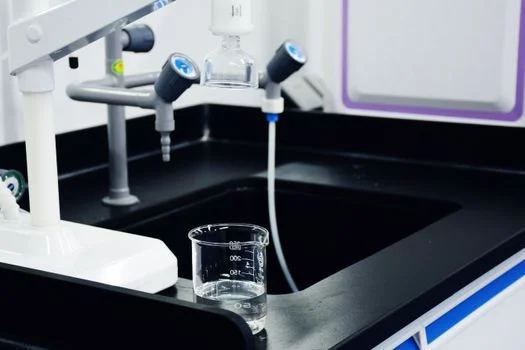
Selecting between Membrane Bioreactor (MBR) and Sequencing Batch Reactor (SBR) technologies for Cebu hospitals depends primarily on the required effluent quality for water reuse and the available physical footprint. MBR systems represent the gold standard for healthcare facilities because they combine biological treatment with physical membrane filtration. Using 0.1 μm PVDF membranes, MBR systems for hospital wastewater in Cebu achieve 99% virus removal (including SARS-CoV-2) and consistently produce effluent with BOD levels below 10 mg/L. This high-quality water is often suitable for non-potable reuse, such as toilet flushing or landscape irrigation, which is a significant advantage in water-stressed areas of Cebu.
For smaller facilities or those with limited CAPEX, the Sequencing Batch Reactor (SBR) offers a viable alternative. SBRs operate in cycles—fill, react, settle, and decant—within a single tank, reducing the need for separate clarifiers. While SBRs can achieve 90–95% BOD removal, they typically require a robust secondary disinfection stage to meet fecal coliform standards. In many retrofitted Cebu hospitals, chlorine dioxide disinfection for hospitals is used to augment existing SBR or activated sludge systems. Unlike traditional chlorine, chlorine dioxide (ClO₂) is effective against cyst-forming pathogens and does not form carcinogenic byproducts, making it safer for discharge into local waterways.
| Feature | MBR (Membrane Bioreactor) | SBR (Sequencing Batch Reactor) | ClO2 Disinfection |
|---|---|---|---|
| Effluent Quality | Superior (Reuse Quality) | High (Discharge Quality) | Disinfection Only |
| Footprint | Compact (50% less than SBR) | Moderate | Very Small |
| BOD Removal | 98% – 99%+ | 90% – 95% | N/A |
| Pathogen Kill | 99.99% (Physical Barrier) | Requires Post-Treatment | 99.9% (Chemical) |
| OPEX | Higher (Energy/Membrane) | Moderate | Low (Chemical only) |
For specialized needs, such as the removal of radionuclides or heavy metals from oncology and radiology departments, removing phosphorus from hospital wastewater via chemical precipitation or electrocoagulation may be required. compact hospital wastewater treatment systems are increasingly popular for clinic-sized facilities in Cebu, providing an all-in-one footprint that includes ozone-based disinfection and automated sludge management.
Step-by-Step: Designing a DENR-Compliant Hospital Wastewater System in Cebu
Engineering a DENR-compliant wastewater system for a Cebu healthcare facility requires a seven-step protocol beginning with influent characterization and ending with a 30-day performance validation by an accredited third-party lab. The unique challenge in hospital design is the "peaking factor"—hospitals generate significantly more waste during morning rounds and visiting hours. A system designed only for average flow will inevitably fail during these peaks, leading to untreated bypass and DENR fines.
- Characterize Influent: Conduct comprehensive testing for BOD, COD, TSS, fecal coliform, and heavy metals. Typical hospital influent in Cebu ranges from 300–600 mg/L BOD and 500–1,200 mg/L COD.
- Size the System: Use a peak flow factor (usually 2.0 to 2.5 times the average daily flow) and ensure a Hydraulic Retention Time (HRT) of at least 8–12 hours for biological stability.
- Select Pre-treatment: Install rotary mechanical bar screens to remove medical plastics, wipes, and solids that can damage pumps. Equalization tanks are mandatory to balance pH and flow spikes from laundry or lab discharges.
- Choose Core Technology: Select MBR for high-density urban areas with limited space or SBR for facilities where land is available and budget is a primary concern.
- Design Post-treatment: Implement tertiary polishing. For high-TSS influent, high-efficiency sedimentation tanks or lamella clarifiers can reduce the load on the biological stage.
- Plan for Sludge Management: Hospital sludge is classified as hazardous waste. Using plate and frame filter presses can reduce sludge volume by up to 70%, significantly lowering hauling costs which currently range from ₱5,000 to ₱10,000 per ton in Cebu.
- Commissioning and Validation: Conduct a 30-day performance test. Ensure that three consecutive samples meet DAO 2016-08 standards before final handover to hospital operations.
This systematic approach mirrors the rigorous standards required in other emerging healthcare hubs, as seen in hospital wastewater treatment compliance in other regions. By following these engineering steps, Cebu hospitals can mitigate the risk of environmental litigation and ensure long-term operational stability.
Cost Breakdown: CAPEX, OPEX, and ROI for Hospital Wastewater Systems in Cebu

Total capital expenditure (CAPEX) for a hospital wastewater treatment plant in Cebu currently ranges from ₱5 million to ₱25 million, depending on hydraulic load and the degree of automation required. While the initial investment for advanced systems like MBR is higher than traditional activated sludge, the long-term savings in footprint and avoided penalties often justify the cost. For 2026 budgeting, procurement officers should factor in a 5–10% inflation buffer for imported membrane components and specialized control systems.
Operational expenditure (OPEX) is primarily driven by energy consumption, chemical reagents, and sludge disposal. In Cebu, electricity costs (₱12–₱15/kWh) make energy efficiency a critical selection criterion. MBR systems typically consume 0.8–1.2 kWh per cubic meter of treated water, while SBR systems are slightly more efficient at 0.5–0.8 kWh/m³. However, MBR saves on chemical costs because the physical membrane barrier reduces the need for heavy coagulants and high chlorine dosages.
| System Capacity | Estimated CAPEX (Installed) | Monthly OPEX (Avg) | Estimated ROI (Years) |
|---|---|---|---|
| 10 m³/day (Small Clinic/Infirmary) | ₱4.5M – ₱6.5M | ₱15,000 – ₱25,000 | 6 – 8 Years |
| 30 m³/day (Medium Hospital) | ₱10M – ₱14M | ₱35,000 – ₱55,000 | 5 – 7 Years |
| 50 m³/day (Large Medical Center) | ₱18M – ₱25M | ₱65,000 – ₱90,000 | 4 – 6 Years |
The Return on Investment (ROI) for modern systems is realized through three main channels: avoided DENR fines (which can exceed ₱1M annually for persistent violators), reduced water procurement costs through reuse, and lower sludge disposal fees. A case study of ARC Hospital in Cebu showed a 30% reduction in OPEX after switching from traditional liquid chlorine to a more efficient chlorine dioxide generation system, primarily due to lower chemical consumption and reduced labor for system maintenance (IWSI 2024).
Frequently Asked Questions
What are the DENR requirements for hospital wastewater in Cebu?
Hospitals must comply with DAO 2016-08, which limits BOD to <50 mg/L and fecal coliform to <400–1,000 MPN/100mL. Additionally, DAO 2021-19 mandates strict monitoring of heavy metals like mercury and lead. Quarterly self-monitoring reports (SMR) must be submitted via the DENR online portal.
How much does a hospital wastewater treatment plant cost in Cebu?
For a mid-sized facility (30 m³/day), CAPEX is typically between ₱10M and ₱14M. Smaller systems for clinics start around ₱4.5M. OPEX generally ranges from ₱15 to ₱30 per cubic meter of treated effluent, covering power, chemicals, and labor.
What’s the best technology for small hospitals (<20 beds)?
The compact systems are ideal for small footprints. These integrated units use a combination of biological treatment and ozone or chlorine dioxide disinfection, requiring minimal operator intervention and meeting all DENR discharge standards.
Can hospital wastewater be reused in Cebu?
Yes, effluent from MBR systems is high-quality (<10 mg/L BOD, zero detectable solids) and can be reused for non-potable applications like cooling towers, toilet flushing, and garden irrigation, following the guidelines set in DAO 2021-19.
What are the penalties for non-compliance?
Fines range from ₱10,000 to ₱200,000 per day of violation under RA 9275 (Clean Water Act). In Cebu, the DENR has been known to issue ₱500,000 fines for significant fecal coliform breaches and can order the closure of facilities that fail to implement corrective actions within 6 months.