Hospital wastewater in Johor Bahru requires treatment to meet Malaysia’s DOE Standard B (BOD ≤ 20 mg/L, COD ≤ 80 mg/L, TSS ≤ 50 mg/L, E. coli ≤ 100 CFU/100mL) and Johor State Water Quality Standards. Typical influent characteristics include COD 500–1,200 mg/L, BOD 200–600 mg/L, and pathogen loads 10³–10⁶ CFU/mL (per 2024 Malaysian Water Association benchmarks). This guide provides 2025 engineering specs, cost benchmarks, and equipment selection for compliance.
Johor Bahru Hospital Wastewater: Regulatory Compliance Requirements for 2025
The Environmental Quality (Sewage) Regulations 2009 mandate that all healthcare facilities in Johor Bahru discharging effluent downstream of water intakes must adhere to Standard B limits at a minimum. For facilities located within the catchment areas of the Sungai Johor or Sungai Muar, stricter local municipal requirements often apply to prevent eutrophication and pharmaceutical bioaccumulation. Failure to meet these standards results in penalties under Section 25 of the Environmental Quality Act 1974, which can include fines up to RM 100,000 or imprisonment, as seen in recent enforcement actions across the Iskandar Malaysia region where facilities faced operational shutdowns due to persistent TSS and E. coli limit excursions.
| Parameter | DOE Standard B Limit | Johor State Monitoring Frequency | Unit |
|---|---|---|---|
| Biochemical Oxygen Demand (BOD₅) | ≤ 20 | Monthly / Quarterly | mg/L |
| Chemical Oxygen Demand (COD) | ≤ 80 | Monthly / Quarterly | mg/L |
| Suspended Solids (TSS) | ≤ 50 | Monthly / Quarterly | mg/L |
| Oil and Grease (O&G) | ≤ 5.0 | Monthly | mg/L |
| Ammoniacal Nitrogen | ≤ 10.0 | Monthly | mg/L |
| Escherichia coli | ≤ 100 | Weekly | CFU/100mL |
| pH Value | 5.5 – 9.0 | Continuous/Daily | - |
Beyond standard parameters, the Johor Department of Environment (DOE) has increased scrutiny on pharmaceutical residues and heavy metals such as Mercury (Hg) and Silver (Ag) used in medical imaging and laboratory reagents. Monitoring procedures in Johor Bahru now require electronic reporting through the Online Environmental Reporting (OER) system. Engineers must ensure that the Treatment Plant (TP) design accounts for "slug loads"—sudden spikes in disinfectant concentrations (e.g., quaternary ammonium compounds) that can inhibit biological treatment processes if not properly equalized.
Hospital Wastewater Characteristics: Influent vs Effluent Quality Benchmarks
Raw hospital effluent in the Johor Bahru metropolitan area exhibits significantly higher variability than municipal sewage due to the intermittent discharge of laboratory chemicals, laundry detergents, and surgical theatre wash-down. According to 2024 Malaysian Water Association benchmarks, hospital influent typically contains high concentrations of organic matter and specific medical contaminants that require targeted removal strategies. For instance, pharmaceutical concentrations in Johor hospitals have been recorded in the range of 1–10 µg/L, necessitating advanced oxidation or membrane filtration to prevent environmental persistence.
| Parameter | Typical Influent (Johor) | Standard B Effluent Target | Reuse Target (Irrigation) |
|---|---|---|---|
| COD (mg/L) | 500 – 1,200 | < 80 | < 50 |
| BOD (mg/L) | 200 – 600 | < 20 | < 10 |
| TSS (mg/L) | 150 – 400 | < 50 | < 5 |
| E. coli (CFU/mL) | 10³ – 10⁶ | < 100 | Not Detectable |
| FOG (mg/L) | 50 – 150 | < 5 | < 1 |
Seasonal variations in Johor Bahru, particularly during the monsoon season (November to February), can lead to hydraulic overloading in older hospital facilities with poor stormwater separation. This dilution effect lowers the influent concentration but increases the volumetric flow rate, often washing out biomass in conventional activated sludge systems. Conversely, during dry spells, the concentration of pathogens and pharmaceuticals increases, placing a higher demand on disinfection systems. Effective design must incorporate an equalization tank with a minimum 6-8 hour hydraulic retention time (HRT) to buffer these fluctuations and protect downstream biological units.
Treatment Technology Comparison: MBR vs DAF vs Chemical Dosing for Hospital Effluent
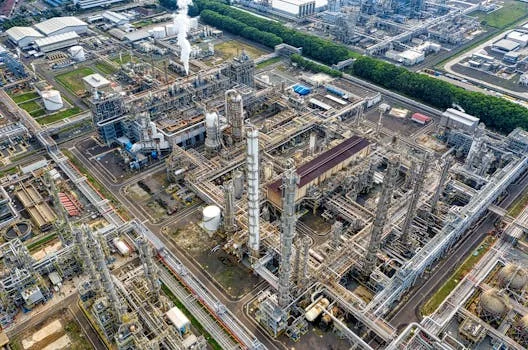
Selecting the appropriate technology for hospital wastewater in Johor Bahru depends on the required effluent quality, available footprint, and the specific contaminants present, such as high Fats, Oils, and Grease (FOG) from kitchen facilities or high pathogen loads from infectious disease wards. Membrane Bioreactor (MBR) technology has become the benchmark for urban hospitals in Johor Bahru due to its ability to produce high-quality effluent suitable for non-potable reuse while maintaining a compact footprint. In contrast, Dissolved Air Flotation (DAF) is often utilized as a pretreatment step for facilities with large-scale catering services to manage high FOG and TSS loads before biological treatment.
| Feature | MBR System | DAF System | Chemical Dosing |
|---|---|---|---|
| COD Removal (%) | 95 – 98% | 40 – 60% | 20 – 30% |
| TSS Removal (%) | > 99% | 90 – 95% | 70 – 85% |
| Pathogen Removal | 99.99% (Log 4) | Moderate | 99.99% (with ClO₂) |
| Footprint | Very Compact | Moderate | Small |
| Typical Application | Main Treatment | Pretreatment (FOG) | Disinfection/Polishing |
For hospitals requiring high-tier compliance, an MBR membrane bioreactor system for hospital wastewater offers a 60% smaller footprint than conventional systems (per HydropureWater MBR Series data), making it ideal for facilities in congested areas like Larkin or Mount Austin. If the primary concern is high grease content from hospital cafeterias, a DAF system for high-efficiency FOG and TSS removal is recommended to prevent membrane fouling or sludge bulking. Finally, to ensure complete pathogen inactivation, a chlorine dioxide generator for hospital effluent disinfection provides a 99.99% kill rate with minimal chemical consumption, typically 5–10 mg/L, without the harmful byproducts associated with traditional chlorination.
Hospital Wastewater Treatment Plant Design: Process Flow and Engineering Parameters
Engineering a robust hospital wastewater treatment plant (WWTP) in Johor Bahru requires a multi-stage approach to address the heterogeneous nature of the waste stream. The process begins with rigorous physical pretreatment to remove non-biodegradable solids and medical plastics. Utilizing high-efficiency rotary mechanical bar screens for hospital influent is critical to prevent clogging of pumps and aeration equipment. Following screening, wastewater enters an equalization tank where pH is neutralized and flow is stabilized before entering the biological stage.
The core of the system typically involves an aerobic biological process. For a compact medical wastewater treatment system for clinics, the system integrates these stages into a single skid-mounted unit. Critical engineering parameters for Johor Bahru hospitals include:
- Hydraulic Retention Time (HRT): 12–24 hours for biological stages to ensure pharmaceutical degradation.
- Sludge Age (SRT): 15–25 days to promote the growth of nitrifying bacteria and specialized microbes capable of breaking down complex organics.
- Aeration Rate: 0.5–1.2 m³/min per m³ of tank volume, depending on the COD load.
- Membrane Flux (for MBR): 15–25 Liters per Square Meter per Hour (LMH) to prevent rapid fouling.
The final stage is disinfection. While UV is effective for clear effluent, Johor Bahru hospitals often prefer Ozone or Chlorine Dioxide due to their residual disinfecting power, which prevents pathogen regrowth in discharge pipes. For comparative insights, you may review Sabah’s hospital wastewater treatment regulations and equipment selection to understand how different regional climates impact design parameters like aeration efficiency and sludge production.
Cost Benchmarks: Hospital Wastewater Treatment Plant CAPEX and OPEX in Johor Bahru (2025)

Budgeting for a hospital WWTP in Johor Bahru requires a clear distinction between Capital Expenditure (CAPEX) for the initial installation and Operational Expenditure (OPEX) for long-term maintenance. In 2025, MBR systems command a higher CAPEX due to membrane costs but offer lower total life-cycle costs through reduced footprint and potential water reuse savings. DAF systems are more affordable initially but require consistent chemical inputs and sludge management, which can increase OPEX over time.
| System Type | CAPEX (RM per m³/day) | OPEX (RM per m³ treated) | Maintenance Interval |
|---|---|---|---|
| MBR Integrated | RM 5,000 – 10,000 | RM 0.80 – 2.00 | 6 Months (Cleaning) |
| DAF Pretreatment | RM 3,000 – 7,000 | RM 0.50 – 1.50 | 3 Months (Mechanical) |
| Standard Activated Sludge | RM 4,000 – 8,000 | RM 0.60 – 1.20 | Monthly (Sludge) |
| Chemical Disinfection | RM 1,500 – 3,500 | RM 0.30 – 0.70 | Quarterly (Sensors) |
For a medium-sized hospital in Johor Bahru (e.g., 200 m³/day capacity), an MBR system might require an initial investment of RM 1.2M to RM 1.8M. However, the avoidance of non-compliance fines (which can exceed RM 50,000 per incident) and the ability to reuse water for landscape irrigation (saving RM 2.50/m³ on municipal water rates) typically results in a Return on Investment (ROI) within 4–6 years. Smaller clinics (10–50 m³/day) often find that pre-engineered package plants offer the best balance of cost and compliance, similar to the models discussed in Penang’s package wastewater treatment plant compliance and supplier checklist.
Equipment Selection Framework: Choosing the Right System for Johor Bahru Hospitals
Selecting the optimal equipment requires a systematic evaluation of site-specific constraints and long-term operational goals. In Johor Bahru, where land value is high and DOE enforcement is stringent, the decision-making process often prioritizes footprint and reliability over the lowest initial cost. Engineers should use a decision tree that evaluates daily flow volume, the presence of specific contaminants like high FOG, and whether the hospital plans to implement water recycling.
| If Hospital Requirement is... | Then Recommended Technology is... | Key Selection Factor |
|---|---|---|
| Urban, Limited Space | MBR Integrated System | Footprint & Effluent Clarity |
| High Laundry/Kitchen Load | DAF + Biological | O&G Removal Efficiency |
| Small Clinic/Remote Site | Compact Package Plant | Ease of Installation |
| Strict Pathogen Control | Chlorine Dioxide + UV | Multi-barrier Disinfection |
When evaluating suppliers in Johor Bahru, ensure they provide local technical support and are familiar with the specific reporting requirements of the Johor DOE office. Common mistakes include undersizing equalization tanks, which leads to biological shock, and neglecting sludge management; a hospital producing 100 m³/day can generate 2-5 m³ of wet sludge weekly, requiring dedicated thickening or dewatering equipment. A comprehensive supplier checklist should include DOE certification for the equipment, availability of spare parts (especially membrane modules and dosing pumps), and a proven track record with Johor-based healthcare projects.
Frequently Asked Questions
Does hospital wastewater in Johor Bahru require Standard A or Standard B?
Most hospitals in Johor Bahru must meet Standard B. However, if the discharge point is upstream of a water intake (e.g., certain areas near the Johor River), the DOE may mandate Standard A. Always verify your specific discharge coordinates with the Johor DOE.
Can MBR systems remove pharmaceutical residues?
Yes, MBR systems are significantly more effective than conventional activated sludge at removing pharmaceuticals due to their longer sludge age (SRT), which allows for the growth of specialized bacteria that can degrade complex organic molecules.
What is the typical lifespan of membranes in a Johor hospital WWTP?
With proper pretreatment (fine screening) and regular Clean-In-Place (CIP) cycles, high-quality PVDF membranes typically last 5 to 8 years in hospital applications.
Is on-site sludge treatment necessary for Johor hospitals?
While not always mandatory, on-site dewatering (e.g., using a filter press) significantly reduces the volume of sludge, lowering the cost of scheduled waste disposal by licensed contractors, which is highly regulated in Johor.
How does the Johor monsoon affect WWTP performance?
Heavy rainfall can cause hydraulic surges. Systems must be designed with adequate equalization and overflow bypasses to prevent washing out the biological culture, ensuring compliance is maintained even during peak storm events.