Hospital Wastewater Treatment in Sabah Malaysia: 2025 Engineering Guide with Costs, Compliance & Equipment Selection
Hospital wastewater treatment in Sabah, Malaysia requires systems that remove 99%+ of pathogens, 90%+ of BOD/COD, and mitigate antimicrobial resistance (AMR) genes—common in Malaysian hospital effluent (e.g., ESKAPE pathogens detected at 10^3–10^5 CFU/mL per MDPI 2025). Sabah’s Department of Environment (DOE) enforces strict discharge limits (BOD ≤ 20 mg/L, TSS ≤ 50 mg/L, fecal coliforms ≤ 100 CFU/100mL), while AMR risks demand advanced disinfection (e.g., chlorine dioxide or MBR). This guide provides 2025 engineering specs, cost benchmarks (MYR 1.2–4.5M for 50–200 m³/day systems), and compliance checklists for Sabah hospitals.Why Sabah Hospitals Need Specialized Wastewater Treatment Systems
Sabah’s hospital wastewater contains 10^3–10^5 CFU/mL of ESKAPE pathogens (MDPI 2025 study), exceeding WHO AMR thresholds by 100–1,000x, highlighting a critical public health and environmental challenge. These concentrations of multidrug-resistant bacteria such as *Klebsiella pneumoniae*, *Acinetobacter baumannii*, and *Pseudomonas aeruginosa* present a significant risk if discharged untreated. The Department of Environment (DOE) Malaysia initiated a 2024 enforcement blitz in Kota Kinabalu, targeting 12 hospitals for non-compliance, citing violations such as BOD/TSS exceeding limits and fecal coliforms greater than 1,000 CFU/100mL. Many existing hospital wastewater treatment systems, often relying on outdated septic tanks, are ill-equipped to handle the complex effluent characteristics. Septic tank overflows in Sabah, as documented by a UNEP PDF, contribute to approximately 30% of coastal water contamination, leading to significant ecological damage and triggering DOE fines up to MYR 500K for polluters. Such failures not only degrade marine ecosystems but also pose direct health risks to communities. conventional wastewater treatment methods are largely ineffective against antimicrobial resistance (AMR) genes like *blaNDM-1* and *mecA*, which persist through biological processes and can transfer resistance to environmental bacteria. These genes, prevalent in hospital effluent, necessitate advanced oxidation or membrane filtration technologies to ensure their effective removal and prevent their dissemination into the environment, aligning with global efforts to combat antimicrobial resistance wastewater treatment.Sabah DOE Wastewater Discharge Standards: 2025 Compliance Checklist
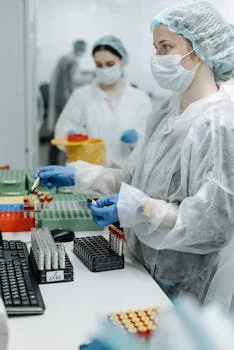
| Parameter | Sabah DOE Discharge Limit | Notes for Hospital Effluent |
|---|---|---|
| Biochemical Oxygen Demand (BOD₅) | ≤ 20 mg/L | Indicates organic pollution load. High BOD requires efficient biological treatment. |
| Chemical Oxygen Demand (COD) | ≤ 80 mg/L | Measures total organic content. Often higher than BOD in hospital effluent due to non-biodegradable chemicals. |
| Total Suspended Solids (TSS) | ≤ 50 mg/L | Particulate matter. High TSS can indicate poor sedimentation or filtration. |
| Fecal Coliforms | ≤ 100 CFU/100mL | Key indicator of pathogenic contamination, requiring effective disinfection. |
| Oil & Grease | ≤ 10 mg/L | Common in kitchen or laundry wastewater within hospitals. |
| Ammoniacal Nitrogen (NH₃-N) | ≤ 20 mg/L | From urine and protein breakdown. Requires nitrification. |
| pH | 6.0 – 9.0 | Must be neutralized before discharge. |
| Residual Chlorine | 0.5 – 1.0 mg/L | Ensures effective disinfection while preventing environmental toxicity. |
Treatment Process Design: MBR vs. DAF + Disinfection for Sabah Hospitals
Selecting between Membrane Bioreactor (MBR) and Dissolved Air Flotation (DAF) combined with advanced disinfection is critical for Sabah hospitals aiming for optimal effluent quality and AMR mitigation. Both technologies offer robust solutions for hospital effluent treatment in Malaysia, but their operational profiles, footprint, and cost implications differ significantly. The choice between an MBR system and a DAF + Chlorine Dioxide (ClO₂) system depends on specific hospital needs, site constraints, and budget. Here’s a detailed comparison:| Feature | MBR (Membrane Bioreactor) | DAF + Chlorine Dioxide (ClO₂) |
|---|---|---|
| Effluent Quality | Superior (BOD < 5 mg/L, TSS < 1 mg/L) | Good (BOD < 15 mg/L, TSS < 10 mg/L) |
| Pathogen Removal | 99.9% (including viruses, bacteria) | 99% (bacteria, some viruses) |
| AMR Gene Reduction | 95% (physical barrier) | 90% (chemical oxidation) |
| Footprint | Compact (up to 70% smaller than conventional) | Moderate (requires 2x footprint of MBR) |
| CAPEX (100 m³/day) | MYR 2.8M (approx. 30% higher) | MYR 2.1M |
| OPEX (per m³) | MYR 1.20–1.50 (higher energy for membranes) | MYR 0.80–1.00 (chemical dosing cost: ClO₂ MYR 0.80/m³) |
| Maintenance | Membrane cleaning/replacement (every 5-7 years) | Chemical storage/handling, DAF unit maintenance |
| Process Complexity | Moderately complex (automated controls) | Simpler (requires careful chemical management) |
Antimicrobial Resistance Mitigation: Advanced Treatment Strategies
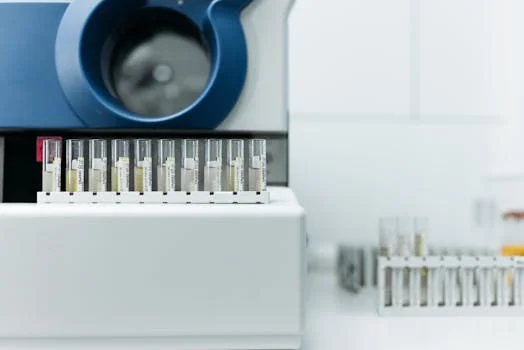
| Technology | Primary Mechanism | AMR Gene Removal Efficiency | Notes |
|---|---|---|---|
| MBR (Membrane Bioreactor) | Physical filtration (0.1 μm membranes) | 95% | Blocks bacteria, viruses, and extracellular DNA. |
| Ozone (O₃) | Strong oxidation | 99% | Breaks down cell walls and DNA/RNA. Highly effective but energy-intensive. |
| Chlorine Dioxide (ClO₂) | Oxidation (DNA/RNA disruption) | 90% | Effective against a broad spectrum of pathogens, including ESKAPE. |
| UV Disinfection | DNA damage (non-oxidative) | 80% | Requires clear effluent; less effective against extracellular genes. |
| Activated Carbon | Adsorption | 70% | Removes organic micropollutants that can select for resistance. |
| Electrochemical Oxidation | Hydroxyl radical generation | 99.9% | Emerging tech; very high energy consumption. |
Cost Breakdown: Hospital Wastewater Treatment Systems in Sabah (2025)
Understanding the comprehensive capital expenditure (CAPEX) and operational expenditure (OPEX) is crucial for budgeting hospital wastewater treatment systems in Sabah. These costs vary significantly based on the chosen technology, system capacity, and specific site challenges inherent to the region. The following table provides estimated CAPEX and OPEX ranges for typical hospital wastewater treatment systems in Sabah for 2025:| System Type | Capacity Range (m³/day) | Estimated CAPEX (MYR) | Estimated OPEX (MYR/m³) |
|---|---|---|---|
| MBR System | 50 – 100 | 2.8M – 3.5M | 1.20 – 1.50 |
| MBR System | 101 – 200 | 3.5M – 4.5M | 1.00 – 1.30 |
| DAF + ClO₂ System | 50 – 100 | 2.1M – 2.6M | 0.80 – 1.00 |
| DAF + ClO₂ System | 101 – 200 | 2.6M – 3.2M | 0.70 – 0.90 |
| Compact Medical Wastewater System (Ozone) | < 50 | 1.2M – 1.8M | 0.90 – 1.10 |
Equipment Selection Guide: Matching Treatment Systems to Sabah Hospital Needs
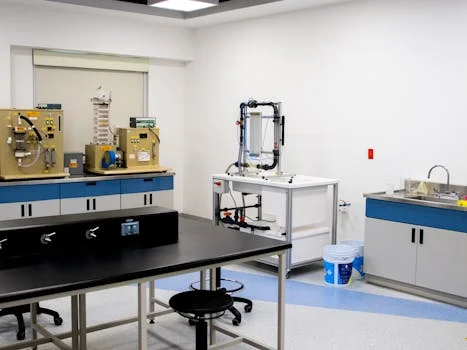
| Hospital Size / Flow Rate | AMR Risk Level | Budget Range (MYR) | Recommended System Type | Key Features / Considerations |
|---|---|---|---|---|
| Small (<50 m³/day) | Low to Medium | 1.0M – 1.8M | Medical Wastewater Treatment System | Compact, integrated, ozone disinfection, low footprint. HydropureWater compact medical wastewater system. |
| Medium (50–150 m³/day) | Medium to High | 2.0M – 3.5M | MBR System or DAF + ClO₂ | MBR for high effluent quality/small footprint; DAF+ClO₂ for lower CAPEX/larger footprint. HydropureWater MBR system. |
| Large (>150 m³/day) | High | 3.5M – 5.0M+ | Custom MBR + Advanced Oxidation (e.g., Ozone) | Maximized AMR removal, highest effluent quality, scalability, robust compliance. |
Frequently Asked Questions
Addressing common inquiries provides immediate clarity on the complexities of hospital wastewater treatment in Sabah, from regulatory compliance to operational logistics.Q: What is the largest STP in Malaysia?
A: The largest sewage treatment plant (STP) in Malaysia is Kuala Lumpur’s Pantai STP, serving a population equivalent (PE) of 675,000. In Sabah, the largest STP is located in Kota Kinabalu, designed for approximately 100,000 PE. Hospital wastewater treatment systems, however, are typically much smaller, processing 50–200 m³/day, which corresponds to roughly 100–400 PE.
Q: How is hospital wastewater treated in Sabah?
A: In Sabah, approximately 60% of hospital wastewater is currently treated using on-site septic tanks, while 40% utilizes small, conventional STPs. Only about 15% of facilities employ advanced treatment systems like MBR or DAF combined with advanced disinfection to consistently meet stringent DOE standards, according to UNEP 2024 data. This highlights a significant gap in advanced medical wastewater treatment system adoption.
Q: What is the sewage system in Malaysia?
A: Malaysia's sewage system is a mix of centralized sewerage networks, serving about 60% of urban populations, and on-site systems, which cater to approximately 40% of rural and peri-urban areas. Sabah, in particular, relies heavily on on-site systems, including septic tanks and independent sewerage treatment plants (ISTPs), due to its dispersed population and varied topography.
Q: How much does hospital wastewater treatment cost in Sabah?
A: The capital expenditure (CAPEX) for hospital wastewater treatment in Sabah ranges from MYR 1.2M to MYR 4.5M for systems handling 50–200 m³/day. Operational expenditure (OPEX) typically falls between MYR 0.80 and MYR 1.50 per cubic meter (m³) of treated wastewater, based on 2025 benchmarks. These costs vary depending on the technology chosen, capacity, and site-specific challenges like remote logistics.
Q: How to mitigate AMR in hospital wastewater?
A: To effectively mitigate antimicrobial resistance (AMR) in hospital wastewater, a multi-barrier approach is recommended. This involves combining Membrane Bioreactor (MBR) technology, which achieves up to 95% AMR removal through physical filtration, with advanced oxidation processes. Disinfection methods like chlorine dioxide (90% AMR removal) or ozone (99% AMR removal) provide layered protection against resistant bacteria and their genes, as supported by the MDPI 2025 study.