Why Penang Hospitals Need Specialized Wastewater Treatment Systems
Hospital wastewater treatment in Penang requires systems capable of removing 99%+ pathogens and reducing BOD to <50 mg/L to comply with Malaysian DOE standards (Environmental Quality (Sewage) Regulations 2009). In 2025, hospitals in Penang typically invest RM 1.2–3.5 million for turnkey systems, with MBR systems achieving the highest effluent quality (TSS <5 mg/L) but at 30–40% higher capital cost than DAF-based solutions. Chlorine dioxide disinfection is increasingly preferred over chlorine gas due to lower toxicity and compliance with WHO guidelines for residual disinfectant levels.
Hospital effluent presents unique challenges compared to municipal sewage. It is often significantly more concentrated with pathogens such as E. coli and hepatitis viruses, as well as pharmaceuticals and heavy metals like mercury from dental amalgam. WHO 2023 data indicates these contaminants can be 10–100 times more concentrated than in typical domestic wastewater. To manage this, the Malaysian Department of Environment (DOE) mandates that hospital effluent must meet Class IIB standards under the Environmental Quality (Sewage) Regulations 2009. These standards stipulate limits of <50 mg/L for Biochemical Oxygen Demand (BOD), <100 mg/L for Chemical Oxygen Demand (COD), and <50 mg/L for Total Suspended Solids (TSS).
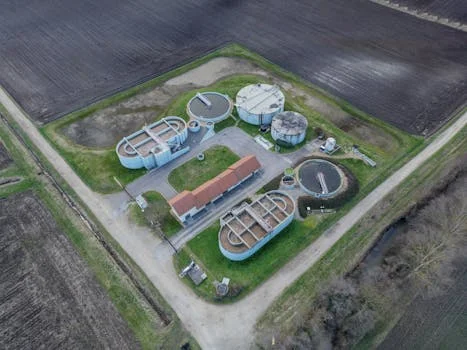
Penang's geographical characteristics, including a high water table and limited available land, further necessitate efficient and compact wastewater treatment solutions. Underground package systems, such as those from our WSZ series, offer a distinct advantage by minimizing surface footprint and integrating seamlessly into hospital infrastructure, addressing space constraints effectively. A prime example of successful upgrade is Hospital Lam Wah Ee, which in 2022 implemented an MBR system. This upgrade dramatically reduced their effluent BOD from 210 mg/L to a compliant 12 mg/L, thereby avoiding potential DOE fines estimated at RM 80,000 annually. The system's specifications included advanced membrane filtration and robust disinfection, demonstrating the efficacy of specialized technologies in meeting stringent discharge requirements.
Treatment Technologies for Hospital Wastewater: How They Work and When to Use Them
Selecting the appropriate wastewater treatment technology is crucial for achieving compliance and optimizing operational costs. Each technology offers a unique approach to tackling the complex pollutant profile of medical effluent.
Membrane Bioreactor (MBR) systems represent a highly advanced solution, integrating biological treatment with membrane filtration. In an MBR, activated sludge, a community of microorganisms, breaks down organic pollutants. This biological process is coupled with ultrafiltration membranes, typically with a pore size of 0.1 μm. This membrane barrier effectively retains all suspended solids and a significant portion of pathogens, resulting in exceptionally high effluent quality with TSS levels consistently below 5 mg/L and achieving over 99.9% pathogen removal. While MBR systems offer superior effluent quality, they require regular maintenance. Membrane cleaning, essential for maintaining flux rates, is typically performed every 3–6 months and involves chemical cleaning processes that contribute to operational costs.
Dissolved Air Flotation (DAF) is another widely adopted technology, particularly effective for removing oils, greases, and suspended solids. DAF systems work by introducing micro-bubbles of air into the wastewater. These bubbles attach to suspended particles and FOG (Fats, Oils, and Grease), causing them to float to the surface where they are skimmed off. DAF systems can achieve over 95% removal of FOG and suspended solids, making them ideal for hospitals with substantial kitchen and laundry operations. However, DAF is less effective at removing dissolved contaminants like pharmaceuticals. For detailed specifications relevant to hospital applications, refer to our DAF product catalog.
Chlorine Dioxide (ClO₂) Disinfection is increasingly becoming the preferred method for sterilizing hospital wastewater. Unlike traditional chlorine-based disinfectants, ClO₂ offers a potent kill rate of 99.99% against a broad spectrum of pathogens without generating harmful chlorinated byproducts. On-site ClO₂ generators provide a safe and efficient way to produce the disinfectant as needed. This method is particularly advantageous for meeting stringent WHO guidelines regarding residual disinfectant levels in treated effluent, ensuring both public health and environmental safety. Generator sizing is typically tailored to the hospital's bed count, with units available for facilities ranging from 50 to 500 beds.
Underground Package Systems (WSZ Series) are pre-fabricated, all-in-one solutions designed for ease of installation and operation. These systems typically incorporate an aerobic/anaerobic (A/O) biological contact oxidation process, followed by sedimentation and disinfection. They are engineered to handle flow rates from 1 to 80 m³/h, often requiring minimal to no continuous operator presence. Their compact, underground design is particularly beneficial for hospitals with limited space and sensitive aesthetic requirements.
| Parameter | MBR (Membrane Bioreactor) | DAF (Dissolved Air Flotation) | Chlorine Dioxide Disinfection | Underground Package System (WSZ Series) |
|---|---|---|---|---|
| Primary Function | High-level organic and solids removal, pathogen reduction | FOG and suspended solids removal | Pathogen inactivation | Comprehensive primary/secondary treatment, disinfection |
| Typical TSS Removal | >99% (to <5 mg/L) | 95%+ | N/A | Variable (depends on biological stage) |
| Pathogen Removal | >99.9% | Limited | 99.99% | Variable (enhanced by disinfection) |
| Ideal For | Strict discharge limits, space constraints, water reuse | High FOG loads, pre-treatment | Final disinfection stage, compliance with WHO residuals | Compact footprint, minimal operator intervention, varied influent |
| Key Maintenance | Membrane cleaning (3-6 months), occasional replacement | Sludge removal, skimmer maintenance | Chemical replenishment, generator servicing | Sludge removal, routine mechanical checks |
| Capital Cost (Relative) | High | Medium | Medium (for generator) | Medium to High |
| Operating Cost (Relative) | Medium to High (energy, membrane replacement) | Medium (energy, chemicals) | Low to Medium (chemical costs) | Low to Medium |
| Footprint | Compact | Medium | Compact | Very Compact (underground) |
2025 Cost Benchmarks for Hospital Wastewater Treatment Systems in Penang
Budgeting for hospital wastewater treatment requires a clear understanding of both capital and operational expenditures. In Penang, the investment landscape for 2025 is shaped by technology choices, system capacity, and available financing. For comprehensive turnkey systems designed to meet stringent DOE standards, hospitals can expect capital costs to range from RM 1.2 million to RM 3.5 million. This figure is highly dependent on the hospital's size and the chosen treatment technology. For instance, a 50-bed clinic will have a significantly lower investment than a 500-bed tertiary care facility.
A typical cost breakdown for these turnkey systems includes approximately 60% for the equipment itself, 20% for necessary civil works, 15% for installation and integration, and the remaining 5% for commissioning and initial setup. These benchmarks are informed by regional cost guides, such as those available for Sarawak, providing a valuable point of comparison for Malaysian wastewater treatment plant cost. Operating costs, a critical factor for long-term financial planning, generally fall between RM 0.80 to RM 2.50 per cubic meter of treated wastewater. This range encompasses energy consumption, chemical procurement, and anticipated maintenance, including eventual membrane replacement for MBR systems. Notably, MBR systems tend to incur 20–30% higher operating costs compared to DAF-based solutions, primarily due to energy demands for aeration and membrane upkeep.
To mitigate these capital outlays, hospitals can explore various funding options. The Malaysian Green Technology Financing Scheme (GTFS) is a significant resource, offering attractive financing at interest rates as low as 2% for eligible wastewater treatment projects that demonstrate environmental benefits. The application process involves a detailed project proposal and adherence to GTFS eligibility criteria. The return on investment (ROI) for these systems is driven by several factors. Most immediately, it involves avoiding substantial DOE fines, which can range from RM 50,000 to RM 200,000 annually for non-compliance. implementing advanced treatment for water reuse, such as for irrigation or cooling tower makeup, can generate significant savings. For a 300-bed hospital, the payback period for a water recycling system can be as short as 5–7 years, depending on water tariffs and usage patterns.
| Cost Component | Estimated Range (RM) | Percentage of Total Capital Cost | Notes |
|---|---|---|---|
| Turnkey System (50-bed Clinic) | 1,200,000 - 1,800,000 | N/A | Basic MBR or Advanced Package System |
| Turnkey System (500-bed Hospital) | 2,500,000 - 3,500,000 | N/A | Advanced MBR or integrated solutions |
| Equipment | N/A | 60% | MBR modules, DAF units, generators, pumps, controls |
| Civil Works | N/A | 20% | Tanks, pipework, foundation |
| Installation & Commissioning | N/A | 20% | On-site assembly, testing, startup |
| Operating Cost per m³ | 0.80 - 2.50 | N/A | Includes energy, chemicals, maintenance, membrane replacement (MBR) |
| MBR Operating Cost Premium | 20-30% higher | N/A | Compared to DAF-based systems |
| Potential DOE Fines Avoided (Annual) | 50,000 - 200,000 | N/A | Per incident/violation |
Compliance Checklist: Meeting Malaysian DOE Standards for Hospital Effluent
Ensuring consistent compliance with Malaysian DOE standards is paramount for any hospital operating in Penang. The Environmental Quality (Sewage) Regulations 2009 set specific discharge limits that must be met to avoid penalties and protect public health. A thorough understanding and diligent application of these regulations are essential for facility managers and environmental engineers.
The primary effluent limits mandated by the DOE for hospital wastewater are stringent. These include a maximum BOD of <50 mg/L, a maximum COD of <100 mg/L, and a maximum TSS of <50 mg/L. In addition to these general parameters, microbiological limits are also critical. For example, E. coli counts must not exceed 100 CFU/100 mL in the treated effluent. These limits are designed to prevent the discharge of pollutants that could harm aquatic ecosystems and pose risks to human health through water contamination.
Regular sampling and analysis are a cornerstone of compliance. The DOE typically requires weekly composite samples for BOD and COD analysis, ensuring that average daily loads are accurately represented. Monthly sampling is generally required for microbiological parameters like E. coli. It is imperative that sampling is conducted using approved methods and that the testing is performed by laboratories accredited by the Department of Standards Malaysia (DOSM) to ensure the validity of the results. Maintaining comprehensive documentation is equally important. Wastewater treatment logs, detailed records of chemical usage, and meticulous maintenance schedules must be retained for a minimum of five years, as these are subject to DOE audit and verification.
Common violations observed in Penang hospitals in 2023 included exceeding the BOD limits, which accounted for approximately 40% of reported non-compliance incidents. Inadequate disinfection, leading to elevated pathogen counts, is another frequent issue. The DOE enforces these regulations through a system of warnings, improvement orders, and escalating fines. For repeated or severe violations, facilities may face temporary closure or significant legal penalties. Proactive monitoring and robust treatment systems are the most effective strategies to prevent such enforcement actions.
How to Select the Right System for Your Penang Hospital: A Decision Framework
Choosing the optimal wastewater treatment system for a hospital in Penang involves a systematic evaluation of needs, constraints, and available technologies. This decision framework guides facility managers and engineers through the selection process, ensuring a compliant and cost-effective solution.
Step 1: Assess Influent Characteristics. The first critical step is to conduct thorough laboratory testing of the hospital's raw wastewater. This analysis should identify key parameters such as BOD, COD, TSS, FOG, and the presence of specific pharmaceuticals or heavy metals. Understanding the influent composition is foundational for selecting a technology capable of effectively treating these contaminants. The cost of such testing is typically nominal compared to the overall system investment, ranging from RM 2,000 to RM 10,000 depending on the scope of analysis.
Step 2: Determine Required Effluent Quality. The intended use of the treated effluent dictates the required quality standards. For direct discharge into surface waters, compliance with Class IIB standards (as per DOE regulations) is mandatory. If water reuse is planned, such as for irrigation, toilet flushing, or cooling tower makeup, higher effluent quality standards, potentially Class IV or even higher, may be necessary. Consult the latest DOE standards for specific reuse categories.
Step 3: Evaluate Site Constraints. Physical limitations of the hospital site play a significant role in technology selection. Factors like available land area, proximity to sensitive receptors (e.g., residential areas), noise restrictions, and the local water table must be considered. Underground package systems, like our WSZ series, are particularly well-suited for hospitals with limited space or stringent aesthetic requirements, as they minimize surface footprint and operational visibility.
Step 4: Compare Technologies. Based on the influent characteristics, effluent quality requirements, and site constraints, compare the suitability of different treatment technologies. Refer to the technology comparison table provided earlier in this guide. This step involves weighing the pros and cons of MBR, DAF, chlorine dioxide disinfection, and integrated package systems against your specific operational context.
Step 5: Request Pilot Testing. For complex or high-stakes projects, particularly when considering advanced technologies like MBR or DAF, requesting pilot testing is highly recommended. A pilot system allows for real-world validation of the technology's performance with the hospital's actual wastewater. Pilot tests typically run for 3–6 months and can cost between RM 50,000 to RM 150,000, depending on the system size and duration. This investment can prevent costly errors and ensure the selected full-scale system meets all performance and compliance objectives.
Frequently Asked Questions
What is the oldest hospital in Penang? The oldest hospital in Penang is Hospital Pulau Pinang, established in 1855. However, Hospital Lam Wah Ee, founded in 1883, is recognized for having one of the most advanced wastewater treatment systems, incorporating MBR technology and chlorine dioxide disinfection.
What is the waste issue in Malaysia? In Malaysia, hospitals generate a significant amount of clinical waste, estimated at 0.5–1.2 kg per bed per day, with only about 60% currently treated via incineration according to Malaysian DOE 2023 data. While solid clinical waste management has received considerable attention, the regulation and treatment of hospital wastewater are increasingly under scrutiny, with stricter enforcement anticipated post-2025. The DOE's 2025–2030 enforcement plan aims to address these gaps.
What is the recycling rate in Penang? Penang reported a recycling rate of 32% in 2023. However, the recycling of hospital wastewater remains a niche application due to the high costs associated with the advanced treatment required to meet stringent reuse standards. Potential applications for treated hospital wastewater include irrigation and cooling tower makeup, offering opportunities for water conservation.
How much does hospital wastewater treatment cost in Penang? For turnkey systems in Penang, the estimated cost in 2025 ranges from RM 1.2 million to RM 3.5 million, depending on the hospital's capacity and the selected technology. Ongoing operating costs are projected to be between RM 0.80 and RM 2.50 per cubic meter of treated water.
What are the DOE’s 2025 compliance updates for hospital effluent? While specific regulatory updates are subject to official gazetting, the trend indicates a move towards stricter limits for emerging contaminants, such as pharmaceuticals. For instance, limits for antibiotics could be introduced at levels below 1 μg/L. the DOE is expected to mandate online monitoring for key parameters like BOD and TSS, integrated into a digital compliance portal, to enhance real-time oversight and enforcement.
Related Equipment

The following HydropureWater products are engineered for the wastewater challenges discussed above:
- MBR systems for hospital wastewater treatment — view specifications, capacity range, and technical data
- compact medical wastewater treatment systems — view specifications, capacity range, and technical data
- chlorine dioxide disinfection for hospital effluent — view specifications, capacity range, and technical data
Need a customized solution? Request a free quote with your specific flow rate and pollutant parameters.