Hospital Wastewater Treatment in Makassar: 2025 Engineering Guide, Costs & Compliance
Hospitals in Makassar must treat wastewater to meet South Sulawesi Governor Regulation No. 69/2010, which sets maximum BOD levels at 50 mg/L, COD at 100 mg/L, and TSS at 50 mg/L. Current data from 2021 indicates 60% of Makassar hospitals fail dissolved oxygen (DO) tests, operating at vulnerable levels. However, EM4-enhanced biofilters demonstrate 91% COD removal in 18 days, potentially cutting compliance costs by 30-40% compared to conventional systems. This guide provides a data-driven engineering perspective on regulations, treatment methods, costs, and compliance solutions tailored for Makassar hospitals in 2025.Why Makassar Hospitals Are Failing Wastewater Compliance Tests
A 2021 study revealed that 60% of Makassar hospitals are currently failing dissolved oxygen (DO) tests, indicating vulnerable effluent quality that poses environmental risks (Jurnal IJHS, 2021). This widespread non-compliance stems from a combination of outdated infrastructure, inadequate treatment processes, and insufficient operational management. Initial BOD levels in hospital wastewater in Makassar can fluctuate significantly, ranging from moderate (50-100 mg/L) in the morning to heavy (>100 mg/L) in the afternoon, reflecting varied hospital activities (Jurnal IJHS, 2021). while specific current COD levels are not consistently reported, research indicates that untreated hospital wastewater often contains high organic compounds, with initial BOD levels observed at 322.65 mg/L in some facilities (GSSRR, 2019), implying that COD levels frequently exceed regulatory limits. Common causes for these compliance failures include the continued use of conventional or undersized IPAL (Instalasi Pengolahan Air Limbah) systems that cannot handle the complex organic and pathogenic loads of hospital wastewater. Many existing systems lack robust disinfection stages, leading to high coliform counts, and often exhibit poor sludge management, which further contributes to effluent quality issues. The South Sulawesi Environmental Agency (2024) enforces strict penalties for non-compliance, including fines up to IDR 500 million or even facility closure, underscoring the urgency for hospitals to upgrade their wastewater treatment infrastructure.| Parameter | Typical Untreated Hospital Wastewater in Makassar (Example) | South Sulawesi Governor Regulation No. 69/2010 Limit | Compliance Status (2021 Data) |
|---|---|---|---|
| Dissolved Oxygen (DO) | Vulnerable levels | Not explicitly set as effluent limit, but indicates poor quality | 60% of hospitals failing (Jurnal IJHS, 2021) |
| BOD | 50-100 mg/L (morning), >100 mg/L (afternoon); Initial: 322.65 mg/L (GSSRR, 2019) | ≤50 mg/L | Frequently exceeds limits |
| COD | High organic load (specific data varies) | ≤100 mg/L | Often exceeds limits (GSSRR, 2019) |
| TSS | Initial: 48.82 mg/L (GSSRR, 2019) | ≤50 mg/L | Variable, often requires treatment |
| Coliform | High pathogenic load | ≤3,000 MPN/100mL (MoE No. 5/2014) | Requires effective disinfection |
Makassar Hospital Wastewater Regulations: 2025 Standards & Compliance Checklist
| Parameter | South Sulawesi Governor Regulation No. 69/2010 | Ministry of Environment Regulation No. 5/2014 |
|---|---|---|
| BOD5 | ≤50 mg/L | — |
| COD | ≤100 mg/L | — |
| TSS | ≤50 mg/L | — |
| pH | 6-9 | 6-9 |
| Coliform (Total) | — | ≤3,000 MPN/100mL |
| Residual Chlorine | — | ≥0.5 mg/L |
| Oil & Grease | ≤10 mg/L | ≤10 mg/L |
Makassar Hospital Wastewater Compliance Checklist (2025)
- Regulatory Review: Confirm all IPAL operations align with South Sulawesi Governor Regulation No. 69/2010 and Ministry of Environment Regulation No. 5/2014.
- Effluent Monitoring: Conduct quarterly laboratory tests for BOD, COD, TSS, pH, Coliform, and residual chlorine by accredited labs.
- IPAL System Audit: Annually assess the existing IPAL for capacity, efficiency, and component integrity.
- Disinfection Protocol: Ensure a robust disinfection stage is in place, maintaining residual chlorine ≥0.5 mg/L.
- Sludge Management: Develop and implement a plan for regular and safe disposal of wastewater sludge, often requiring specialized third-party services.
- Operator Certification: Verify that all IPAL operators possess current certifications recognized by local environmental authorities.
- Record Keeping: Maintain detailed logs of all effluent test results, maintenance activities, chemical consumption, and operator training for at least 5 years.
- Emergency Response Plan: Establish protocols for managing IPAL failures, spills, or non-compliance incidents.
- Training & Capacity Building: Provide ongoing training for IPAL staff on new technologies, operational best practices, and regulatory updates.
- Annual Reporting: Submit comprehensive environmental performance reports to the South Sulawesi Environmental Agency as required.
Hospital Wastewater Treatment Methods: Engineering Specs & Cost Comparison
Several advanced wastewater treatment methods are engineered to meet the stringent 2025 compliance standards for hospitals in Makassar, each offering distinct advantages in efficiency, footprint, and cost. Selecting the optimal technology depends on factors such as influent quality, required effluent standards, available space, and budget.- Biofilter (Anaerobic-Aerobic): This biological treatment method effectively removes organic pollutants. EM4-enhanced biofilters have demonstrated impressive performance, achieving 91% COD removal and 90% TSS removal in hospital wastewater (GSSRR, 2019). Biofilters are generally robust and have lower operational complexity compared to membrane systems. For a 50 m³/day system, capital costs typically range from IDR 800 million to 1.2 billion.
- MBR (Membrane Bioreactor): MBR systems integrate membrane filtration with biological treatment, offering superior effluent quality with 95%+ removal efficiency for BOD, COD, and TSS. Their compact design can reduce the required footprint by up to 60% compared to conventional activated sludge systems, making them ideal for space-constrained hospitals. However, MBR systems for hospital wastewater with 95%+ removal efficiency involve higher capital costs, typically IDR 1.5 billion to 2.2 billion for a 50 m³/day system, largely due to the specialized membranes. Membrane replacement costs, typically every 5-7 years, are a significant operational expenditure.
- DAF (Dissolved Air Flotation): A Dissolved Air Flotation (DAF) machine for effective TSS and FOG removal is highly effective for primary treatment, achieving up to 95% TSS removal. DAF is particularly well-suited for hospital wastewater with high concentrations of fats, oils, and grease (FOG), often found in kitchen and laundry effluents. A 50 m³/day DAF system typically costs between IDR 1.1 billion and 1.8 billion, often used as a pre-treatment stage before biological processes.
- Chlorine Dioxide Disinfection: For terminal disinfection, an on-site chlorine dioxide generator for hospital wastewater disinfection is highly effective. Chlorine dioxide (ClO₂) achieves over 99% pathogen kill, including bacteria, viruses, and protozoa, while ensuring compliance with residual chlorine requirements (≥0.5 mg/L). A 50 m³/day chlorine dioxide generator system typically costs between IDR 300 million and 500 million. Operational costs include chemical consumption (sodium chlorite and hydrochloric acid), which varies based on effluent quality and flow.
| Treatment Method | BOD/COD/TSS Removal Efficiency | Footprint (Relative) | Energy Use (Relative) | O&M Costs (Relative) | Compliance Ease | 5-Year TCO (Est. IDR Billion for 50 m³/day) |
|---|---|---|---|---|---|---|
| Biofilter (Anaerobic-Aerobic) | 90-91% (COD/TSS) | Medium | Low | Medium-Low | Moderate (requires disinfection) | 1.2 - 1.8 |
| MBR (Membrane Bioreactor) | 95%+ | Small (60% smaller) | High | High (membrane replacement) | High (excellent effluent) | 2.5 - 3.5 |
| DAF (Dissolved Air Flotation) | 95% TSS (primary treatment) | Medium | Medium | Medium | Good (for pre-treatment) | 1.5 - 2.2 |
| Chlorine Dioxide Disinfection | 99%+ pathogen kill (post-treatment) | Very Small | Low | Medium (chemical consumption) | High (meets residual Cl) | 0.4 - 0.7 (disinfection only) |
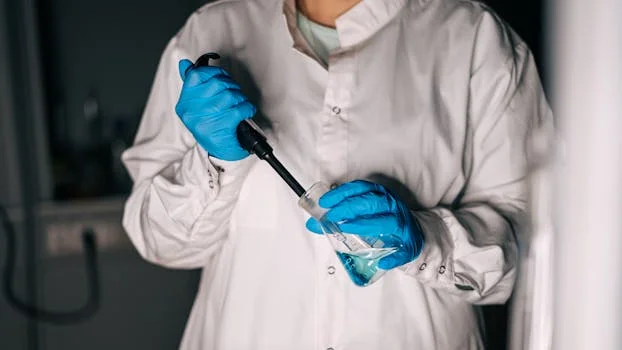
Case Study: Upgrading Hasanuddin University Hospital’s Wastewater System
How to Budget for Hospital Wastewater Treatment in Makassar: 2025 Cost Breakdown
Effective budgeting for hospital wastewater treatment in Makassar requires a clear understanding of both capital expenditure (CapEx) and operational and maintenance (O&M) costs, which can range from IDR 800 million to IDR 2.5 billion for a 50 m³/day system. These figures depend significantly on the chosen treatment technology and the specific site conditions. Understanding how hospital wastewater treatment costs compare in other emerging markets can also provide valuable context. Capital costs (CapEx) for a 50 m³/day IPAL system in Makassar typically range from IDR 800 million for a basic biofilter system to IDR 2.5 billion for an advanced MBR system. This includes civil works, equipment procurement, installation, and commissioning. O&M costs are a critical ongoing expense, generally falling between IDR 150 million and 300 million per year. This covers electricity consumption (especially higher for MBR and DAF), chemical reagents (for disinfection, pH adjustment, or flocculation), labor for operation and maintenance, and periodic replacement of consumables like membranes in MBR systems. For example, membrane replacement for an MBR system can cost IDR 200-300 million every 5-7 years. Regular testing costs are also essential for compliance, typically amounting to IDR 50 million to 80 million per year for quarterly BOD, COD, TSS, pH, and coliform tests performed by accredited laboratories.| Cost Category | Estimated Range (IDR) for 50 m³/day System (2025) | Notes |
|---|---|---|
| Capital Costs (CapEx) | 800 Million – 2.5 Billion | Biofilter (low end) to MBR (high end) |
| Civil Works & Installation | 30% - 40% of CapEx | Site-specific, includes tanks, piping, electrical |
| Equipment Procurement | 60% - 70% of CapEx | Treatment units, pumps, controls, disinfection system |
| Operational & Maintenance (O&M) Costs (Annual) | 150 Million – 300 Million | Varies by technology and operational efficiency |
| Energy Consumption | 40 Million – 100 Million | Higher for MBR/DAF due to aeration/pumping |
| Chemicals (Disinfection, pH, etc.) | 30 Million – 80 Million | Chlorine dioxide, coagulants, nutrient supplements |
| Labor (Operator & Maintenance) | 50 Million – 80 Million | Part-time or dedicated personnel |
| Membrane Replacement (for MBR) | 40 Million – 60 Million (annualized) | Approx. IDR 200-300 Million every 5-7 years |
| Sludge Disposal | 10 Million – 20 Million | Contracted hazardous waste disposal |
| Compliance & Testing Costs (Annual) | 50 Million – 80 Million | Quarterly lab tests, reporting, certifications |
Frequently Asked Questions
Do hospitals in Makassar need to treat wastewater?
Yes, all hospitals in Makassar are legally mandated to treat their wastewater before discharge, as stipulated by South Sulawesi Governor Regulation No. 69/2010 and Ministry of Environment Regulation No. 5/2014. Non-compliance carries significant risks, including fines up to IDR 500 million and potential facility closure by the South Sulawesi Environmental Agency.
Which method is best for disinfecting hospital wastewater?
Chlorine dioxide (ClO₂) is highly effective for disinfecting hospital wastewater, achieving over 99% pathogen kill, including bacteria, viruses, and spores, while also ensuring compliance with residual chlorine requirements (WHO Guidelines for Drinking-water Quality). An on-site chlorine dioxide generator for a 50 m³/day system typically costs between IDR 300 million and 500 million.
What is the cost of a hospital wastewater treatment plant in Makassar?
The capital cost for a 50 m³/day hospital wastewater treatment plant (IPAL) in Makassar ranges from IDR 800 million to 2.5 billion, depending on the chosen treatment method (e.g., biofilter vs. MBR). Annual operational and maintenance (O&M) costs typically fall between IDR 150 million and 300 million. Hospitals often achieve a return on investment (ROI) of 2.5 to 3 years primarily through avoided fines and improved operational efficiency.
What are the effluent standards for hospital wastewater in Makassar?
The primary effluent standards for hospital wastewater in Makassar, per South Sulawesi Governor Regulation No. 69/2010, are: BOD ≤50 mg/L, COD ≤100 mg/L, TSS ≤50 mg/L, and pH 6-9. Additionally, Ministry of Environment Regulation No. 5/2014 requires Coliform ≤3,000 MPN/100mL and a residual chlorine ≥0.5 mg/L after disinfection.
Can hospital wastewater be discharged into municipal sewers?
Hospital wastewater can only be discharged into municipal sewers if it has been pre-treated to meet the specific standards set by the local municipal wastewater authority. Due to the high organic loads, chemical contaminants, and pathogenic microorganisms present in hospital wastewater, most Makassar hospitals require dedicated on-site treatment to prevent overloading and contaminating the communal sewage system.
Related Equipment
- compact hospital wastewater treatment system with ozone disinfection — view specifications, capacity range, and technical data
- MBR system for hospital wastewater with 95%+ removal efficiency — view specifications, capacity range, and technical data
- on-site chlorine dioxide generator for hospital wastewater disinfection — view specifications, capacity range, and technical data
Need a customized solution? Request a free quote with your specific flow rate and pollutant parameters.