Hospital Wastewater Treatment in Bahia Brazil: 2025 Engineering Guide, Costs & Compliance
Hospital wastewater in Bahia, Brazil, requires specialized treatment to meet CONAMA 430/2011 standards (BOD < 120 mg/L, TSS < 150 mg/L, E. coli < 1,000 MPN/100mL). Studies in Salvador detected gadolinium (a contrast agent) and carbapenem-resistant bacteria in 100% of hospital effluent samples (Roth et al., 2018; PubMed 2024). Effective systems combine primary screening, biological treatment (e.g., MBR with 0.1 μm filtration), and disinfection (chlorine dioxide or ozone). Costs range from $50,000–$500,000 USD for turnkey systems, with payback periods of 3–7 years via avoided fines and water reuse savings.
Why Hospital Wastewater in Bahia Requires Specialized Treatment
Hospital effluent in Bahia presents a unique and complex challenge due to its diverse contaminant profile, demanding specialized treatment beyond conventional municipal sewage systems. Untreated hospital wastewater contains a hazardous mix of pharmaceuticals, pathogens, and heavy metals that pose significant environmental and public health risks. For instance, studies conducted in Salvador have consistently detected gadolinium (a contrast agent used in MRI scans) and carbapenem-resistant Enterobacteriaceae (CRE) in 100% of hospital effluent samples analyzed (Roth et al., 2018; PubMed 2024). These findings, based on 42 hospital samples, underscore the pervasive presence of highly resistant bacteria and persistent chemicals.
The environmental impact of these contaminants is substantial, particularly in Bahia's sensitive coastal ecosystems. Gadolinium, for example, has been detected in Salvador's coastal waters at concentrations ranging from 10–50 ng/L, raising concerns about its potential for bioaccumulation in local fisheries and subsequent entry into the food chain (Roth et al., 2018). the discharge of antibiotic-resistant bacteria contributes to the broader problem of antimicrobial resistance, threatening the efficacy of medical treatments for the wider population. Beyond these, heavy metals such as mercury (from dental clinics) and lead (from radiology departments) also contribute to the toxic load.
Regulatory risks for non-compliant hospitals in Brazil are severe, with CONAMA 430/2011 imposing fines up to R$50 million (approximately $10 million USD) for effluent discharge violations. Bahia state regulations further stipulate stricter limits for hospitals, such as a chlorine residual of less than 0.5 mg/L in discharged effluent, emphasizing the need for advanced disinfection and dechlorination stages. A notable case is the Hospital do Subúrbio in Salvador, which successfully implemented a Public-Private Partnership (PPP) model, reducing emergency room wait times by 60% and improving patient access. However, like many facilities, its initial design primarily focused on operational efficiency rather than advanced compact hospital wastewater treatment systems. Upgrading such a facility to include advanced biological and tertiary treatment could cost an estimated $300,000 to $500,000, offering benefits like avoided regulatory fines, enhanced public health protection, and potential water reuse savings, leading to a typical payback period of 5-7 years.
Hospital Wastewater Characteristics: Flow Rates and Contaminant Loads in Bahia
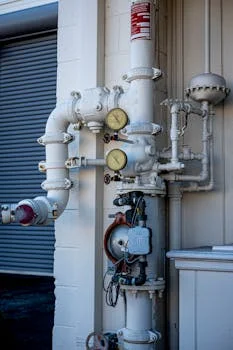
Accurate characterization of hospital wastewater flow rates and contaminant loads is fundamental for designing effective and compliant treatment systems in Bahia. The average flow rate for hospital wastewater in Bahia typically ranges from 0.5 to 1.2 m³/bed/day, a figure derived from 2023 state health department data and consistent with national benchmarks. This range can vary significantly between public and private institutions, as well as by hospital specialization (e.g., surgical vs. general care).
Contaminant loads in hospital effluent are markedly higher than municipal sewage. Typical concentrations observed in Bahia include Biochemical Oxygen Demand (BOD) at 200–600 mg/L, Chemical Oxygen Demand (COD) at 400–1,200 mg/L, and Total Suspended Solids (TSS) at 150–400 mg/L. Pathogen indicators like E. coli are frequently found at concentrations of 10⁶–10⁸ MPN/100mL. These levels far exceed the CONAMA 430/2011 discharge limits, which mandate BOD < 120 mg/L, TSS < 150 mg/L, and E. coli < 1,000 MPN/100mL.
Beyond conventional pollutants, hospital wastewater in Bahia carries significant loads of pharmaceuticals and heavy metals. Gadolinium concentrations, a key concern identified in Salvador coastal studies, can range from 5–50 μg/L in effluent (Roth et al., 2018). Other pharmaceuticals like ciprofloxacin (an antibiotic) are found at 1–10 μg/L, and hormones such as estradiol at 0.1–1 μg/L. Heavy metals, particularly mercury (0.5–5 mg/L) from dental amalgam waste and lead (0.1–1 mg/L) from radiology departments, also pose significant risks, often exceeding CONAMA limits for specific heavy metal discharge.
| Parameter | Typical Hospital Effluent (Bahia) | CONAMA 430/2011 Limit | Notes |
|---|---|---|---|
| Flow Rate | 0.5–1.2 m³/bed/day | N/A (Design parameter) | Public hospitals often higher due to older infrastructure. |
| BOD | 200–600 mg/L | < 120 mg/L | Requires significant biological treatment. |
| COD | 400–1,200 mg/L | < 200 mg/L | Indicates high organic load. |
| TSS | 150–400 mg/L | < 150 mg/L | Primary and secondary treatment crucial. |
| E. coli | 10⁶–10⁸ MPN/100mL | < 1,000 MPN/100mL | Mandatory advanced disinfection. |
| Gadolinium | 5–50 μg/L | No specific limit (emerging contaminant) | Requires advanced tertiary treatment. |
| Mercury (Hg) | 0.5–5 mg/L | < 0.01 mg/L | Often necessitates pre-treatment for dental waste. |
| Lead (Pb) | 0.1–1 mg/L | < 0.5 mg/L | Radiology waste requires careful management. |
Treatment Technologies Compared: MBR vs. DAF vs. Chlorine Dioxide for Hospital Effluent
Selecting the appropriate wastewater treatment technology for hospitals in Bahia hinges on balancing removal efficiency, footprint, capital expenditure (Capex), operational expenditure (Opex), and specific compliance needs. Three prominent technologies—Membrane Bioreactors (MBR), Dissolved Air Flotation (DAF), and Chlorine Dioxide (ClO₂)—offer distinct advantages for treating medical effluent in Brazil.
MBR (Membrane Bioreactor) systems offer exceptional contaminant removal, with 0.1 μm filtration capable of removing 99.9% of pathogens and up to 95% of pharmaceuticals, including emerging contaminants like gadolinium. Their compact design means they require a footprint approximately 60% smaller than conventional activated sludge systems, making them ideal for urban hospitals in space-constrained areas like Salvador city center. Energy consumption for advanced MBR systems typically ranges from 0.8–1.2 kWh/m³, reflecting their high treatment intensity. MBR technology is particularly effective at achieving reuse-quality effluent, aligning with sustainability goals and potential water savings.
DAF (Dissolved Air Flotation) systems are highly effective for primary treatment, primarily removing 90–95% of Total Suspended Solids (TSS) and Fats, Oils, and Greases (FOG). This process, however, requires chemical dosing (e.g., polyaluminum chloride) to enhance flocculation and flotation. The Capex for DAF systems for hospital wastewater pretreatment is generally 30% lower than that of MBR systems, making them a cost-effective option for hospitals with high solids loads, such as surgical centers or those with significant food service operations. DAF serves as an excellent pretreatment stage, reducing the load on subsequent biological processes.
Chlorine Dioxide (ClO₂) stands out as a superior disinfection method for hospital wastewater, achieving a 99.99% pathogen kill rate, including highly resistant bacteria and viruses. Unlike traditional chlorine, ClO₂ does not form harmful trihalomethanes (THMs), a significant environmental and health advantage. On-site generation of on-site chlorine dioxide generation systems avoids the risks associated with transporting and storing hazardous chemicals, enhancing safety. While Opex can be 20% higher than chlorine due to precursor chemical costs, its efficacy is paramount, especially where antibiotic-resistant bacteria are a concern, as mandated by certain Bahia state guidelines for hospital discharge.
| Technology | BOD Removal | TSS Removal | E. coli Removal | Gadolinium Removal | Typical Capex | Typical Opex | Footprint | CONAMA 430/2011 Suitability |
|---|---|---|---|---|---|---|---|---|
| MBR (Membrane Bioreactor) | >95% | >99% | >99.9% | >90% | High ($$$) | Moderate ($$) | Compact | Excellent (Achieves reuse quality) |
| DAF (Dissolved Air Flotation) | 30-50% (Primary) | 90-95% (Primary) | Limited | Limited | Low ($) | Moderate ($$) | Medium | Good (As pretreatment) |
| Chlorine Dioxide (ClO₂) | N/A (Disinfection) | N/A (Disinfection) | >99.99% | Limited (Oxidation) | Moderate ($$) | Higher ($$$) | Small | Excellent (Tertiary disinfection) |
Engineering a Hospital Wastewater Treatment System: Step-by-Step Design
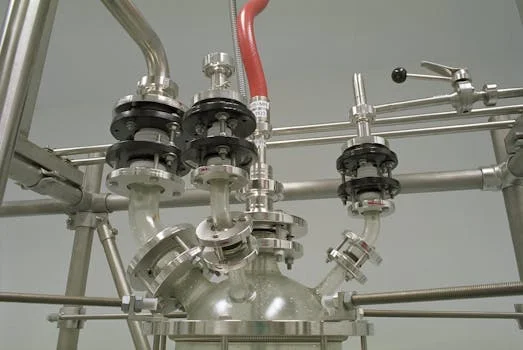
Designing a robust hospital wastewater treatment system in Bahia requires a systematic approach, beginning with a thorough understanding of influent characteristics and progressing through multi-stage treatment to meet stringent discharge standards. This step-by-step guide provides a practical framework for engineers.
Step 1: Influent Characterization. The initial and most critical step involves comprehensive testing of the raw hospital wastewater. This includes analyzing for conventional parameters such as BOD, COD, TSS, E. coli, pH, and temperature. Crucially, specific analyses for pharmaceuticals (e.g., gadolinium, antibiotics) and heavy metals (e.g., mercury, lead) must be conducted to accurately profile the unique medical effluent. Use Bahia’s average loads (as discussed previously) as a baseline for design, but site-specific data is indispensable.
Step 2: Pretreatment. To protect downstream equipment and processes, pretreatment is essential. Install robust rotary mechanical bar screens (GX Series) capable of removing solids larger than 3 mm, preventing clogging and damage. For hospitals with significant radiology departments, grit removal units should be included to capture sand and other dense particles from contrast agents, which can accumulate and reduce efficiency in subsequent stages.
Step 3: Primary Treatment. The primary treatment stage aims to significantly reduce TSS and FOG. This is typically achieved using DAF systems for hospital wastewater pretreatment or conventional sedimentation tanks. DAF is particularly effective for removing fats, oils, and greases, reducing TSS by 90–95%. Chemical dosing, such as polyaluminum chloride, can enhance flocculation and improve removal efficiency to over 90%.
Step 4: Secondary Treatment. Biological treatment forms the core of contaminant removal. Membrane Bioreactor (MBR) systems with 0.1 μm membranes are highly recommended for hospital applications due to their superior performance, achieving up to 95% BOD removal and producing reuse-quality effluent with turbidity typically less than 1 NTU. Alternatively, conventional activated sludge systems followed by clarification and UV disinfection can be employed, though they require a larger footprint and may not achieve the same level of pathogen or pharmaceutical removal as MBR.
Step 5: Tertiary Treatment. This stage focuses on polishing the effluent and ensuring complete disinfection. On-site chlorine dioxide generation systems (5–10 mg/L dosage) are highly effective for achieving a 99.99% pathogen kill rate without forming harmful disinfection byproducts. Ozone treatment is another effective alternative. If discharging to sensitive receiving waters or for water reuse, a dechlorination step (e.g., sodium bisulfite dosing) is necessary to meet Bahia state regulations for chlorine residual (< 0.5 mg/L).
Step 6: Sludge Management. The sludge generated from primary and secondary treatment contains concentrated pollutants, including pathogens and pharmaceuticals, and must be handled as hazardous waste. Plate-and-frame filter presses are commonly used for dewatering, achieving a solids content of 20–30%. The dewatered sludge must be disposed of in accordance with CONAMA 375/2006, which classifies it as hazardous waste if pharmaceuticals or heavy metals are present, requiring specialized landfill or incineration.
Cost Breakdown and ROI Analysis for Hospital Wastewater Systems in Bahia
The financial implications of implementing a hospital wastewater treatment system in Bahia involve significant capital and operational expenditures, but these are offset by substantial returns on investment through compliance and resource recovery. Understanding this cost framework is crucial for procurement teams and facility managers.
Capital Expenditure (Capex): For turnkey hospital wastewater treatment systems in Bahia, Capex typically ranges from $50,000 to $500,000 USD. This broad range accounts for variations in system capacity, technology choice, and site-specific complexities. MBR systems, due to their advanced technology and higher contaminant removal efficiency, generally cost 20–30% more than a combined DAF + chlorine dioxide system. The table below provides typical cost ranges based on system size, reflecting the initial investment required for design, equipment, installation, and commissioning.
Operational Expenditure (Opex): Opex for hospital wastewater treatment in Bahia typically falls between $0.50 and $2.00/m³ of treated water. This includes energy, chemicals, maintenance, and labor. MBR systems have higher energy costs, often ranging from $0.80–$1.20/m³, primarily due to membrane aeration and filtration. Chlorine dioxide generation costs are approximately $0.30–$0.50/m³ for chemicals and electricity. Labor requirements are usually around 1 Full-Time Equivalent (FTE) for systems treating more than 50 m³/day, covering monitoring, maintenance, and reporting.
ROI Drivers: The return on investment for healthcare wastewater systems is driven by several key factors:
- Avoided Fines: Non-compliance with CONAMA 430/2011 and Bahia state regulations can result in fines ranging from R$10,000 to R$50 million per year. A compliant system eliminates this significant financial risk.
- Water Reuse Savings: Treated effluent can be reused for non-potable applications such as irrigation, toilet flushing, and cooling towers, leading to savings of R$5–R$15/m³ on potable water purchases.
- Reduced Sewer Fees: Municipalities often offer 20–40% discounts on sewer fees for hospitals that pre-treat their effluent to meet specific discharge parameters, further reducing operational costs.
Payback Period: The typical payback period for a comprehensive hospital wastewater treatment system in Bahia ranges from 3 to 7 years. For example, a 50 m³/day MBR system, with an estimated Capex of $300,000 USD, could generate annual savings of R$120,000 (approximately $24,000 USD) from avoided fines and water reuse. This scenario yields an approximate 5-year payback, demonstrating the long-term financial viability of investing in advanced treatment.
| System Size (m³/day) | Technology Type | Estimated Capex (USD) | Estimated Opex (USD/m³) | Typical Payback (Years) |
|---|---|---|---|---|
| 10–25 | DAF + Biological + ClO₂ | $50,000–$150,000 | $1.50–$2.00 | 5–7 |
| 25–50 | MBR + ClO₂ | $150,000–$300,000 | $1.00–$1.50 | 4–6 |
| 50–100 | MBR + ClO₂/Ozone | $300,000–$500,000 | $0.50–$1.00 | 3–5 |
Compliance Checklist: Meeting CONAMA 430/2011 and Bahia State Regulations
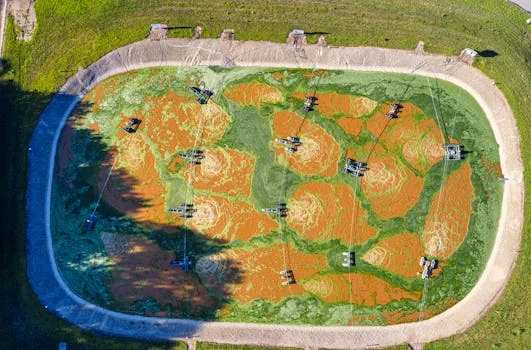
Ensuring continuous compliance with Brazilian federal and Bahia state environmental regulations is paramount for hospital operations. This checklist provides a clear framework for facility managers to audit and maintain their wastewater treatment systems, avoiding severe penalties.
Effluent Limits: Hospitals must consistently meet the discharge standards set by CONAMA 430/2011 and any stricter limits imposed by Bahia’s environmental agency (INEMA). Key parameters include:
- BOD < 120 mg/L
- COD < 200 mg/L
- TSS < 150 mg/L
- E. coli < 1,000 MPN/100mL
- pH between 5 and 9
- Bahia state also specifies a chlorine residual < 0.5 mg/L, which is critical for disinfection and protection of aquatic life.
Monitoring Requirements: Regular and accurate monitoring is essential for demonstrating compliance. The typical monitoring schedule includes:
- Daily: pH, chlorine residual, and effluent flow rate.
- Weekly: BOD, TSS, and E. coli.
- Quarterly: Comprehensive analysis for pharmaceuticals (e.g., gadolinium, specific antibiotics) and heavy metals (e.g., mercury, lead), especially if these are identified as significant contaminants in the influent characterization.
Reporting: All monitoring data and operational records must be compiled into monthly reports and submitted to Bahia’s environmental agency (INEMA). These reports should include:
- Summary of effluent quality parameters against regulatory limits.
- Volume of wastewater treated and discharged.
- Details of any operational incidents or non-compliance events and corrective actions taken.
- Sludge generation and disposal records, including hazardous waste manifests.
Penalties: Non-compliance can lead to severe penalties. Fines can reach up to R$50 million for significant or repeated violations. In extreme cases, repeated non-compliance can result in the suspension of hospital operating licenses, causing substantial operational disruption and reputational damage. Adhering to Curitiba’s hospital wastewater treatment standards or similar rigorous guidelines can help proactively avoid such issues.
| Parameter | CONAMA 430/2011 Limit | Bahia State Limit (Hospitals) |
|---|---|---|
| BOD | < 120 mg/L | < 120 mg/L |
| COD | < 200 mg/L | < 200 mg/L |
| TSS | < 150 mg/L | < 150 mg/L |
| E. coli | < 1,000 MPN/100mL | < 1,000 MPN/100mL |
| pH | 5–9 | 5–9 |
| Chlorine Residual | No specific limit | < 0.5 mg/L |
Frequently Asked Questions
How is hospital wastewater treated?
Hospital wastewater is treated through a multi-stage process typically involving primary screening (to remove large solids), followed by biological treatment (e.g., Membrane Bioreactor or activated sludge) to reduce organic matter and pathogens, and then tertiary treatment for disinfection (e.g., chlorine dioxide or ozone) and removal of specific contaminants like pharmaceuticals. This comprehensive approach ensures compliance with stringent discharge standards like CONAMA 430/2011.
What are the primary contaminants in Bahia's hospital wastewater?
The primary contaminants in Bahia's hospital wastewater include high levels of organic matter (BOD 200–600 mg/L, COD 400–1,200 mg/L), suspended solids (TSS 150–400 mg/L), and pathogens (E. coli 10⁶–10⁸ MPN/100mL). Additionally, emerging contaminants like gadolinium (5–50 μg/L), various antibiotics (e.g., ciprofloxacin 1–10 μg/L), and heavy metals (e.g., mercury 0.5–5 mg/L) are commonly detected, requiring specialized treatment stages.
How much does a hospital wastewater treatment system cost in Bahia?
The capital expenditure (Capex) for a turnkey hospital wastewater treatment system in Bahia typically ranges from $50,000 to $500,000 USD, depending on factors such as system capacity (e.g., 10–100 m³/day) and technology chosen (MBR systems are generally 20-30% more expensive than DAF + chlorine dioxide). Operational expenditure (Opex) is usually between $0.50 and $2.00/m³ of treated water, covering energy, chemicals, and labor costs. Payback periods often fall within 3–7 years through avoided fines and water reuse savings.