Package Wastewater Treatment Plants for Sumatra Indonesia: 2025 Engineering Guide, Costs & Compliance
Package wastewater treatment plants in Sumatra, Indonesia, offer a compact, scalable solution for industrial and municipal facilities facing strict environmental regulations. For example, a 20 ML/day biotrickling filter plant in Palembang (co-financed by Australia and Indonesia) achieved 90% BOD removal for 40,000 residents, demonstrating the viability of package systems for Sumatra’s growing urban and industrial zones. Key considerations include influent quality (e.g., palm oil effluent with COD > 3,000 mg/L), local compliance with GR 82/2001, and cost benchmarks (CAPEX: $500–$1,200/m³/day, OPEX: $0.15–$0.40/m³). This guide provides 2025 engineering specs, cost models, and supplier selection criteria tailored to Sumatra’s needs.
Why Sumatra Needs Package Wastewater Treatment Plants: Industrial and Municipal Drivers
Sumatra's industrial sectors, notably palm oil (accounting for 60% of Indonesia’s production), textiles in Medan and Pekanbaru, and diverse food processing plants (e.g., tofu, tempeh), collectively generate over 2 million m³/day of industrial wastewater, creating an urgent demand for effective treatment solutions. North Sumatra alone produces approximately 12 million tons of palm oil annually, resulting in 1.5 million m³/day of Palm Oil Mill Effluent (POME). This industrial growth, coupled with increasing population density in urban centers, places immense pressure on water resources and environmental quality across the island, driving the need for advanced POME treatment solutions for Sumatra’s palm oil industry and other sectors.
Regulatory pressure from the Indonesian government is intensifying, with national standards like Government Regulation (GR) 82/2001 setting stringent limits for industrial discharge (e.g., Biochemical Oxygen Demand (BOD) < 50 mg/L, Chemical Oxygen Demand (COD) < 100 mg/L) and municipal discharge (e.g., Total Suspended Solids (TSS) < 30 mg/L). provincial authorities in Sumatra often impose stricter limits for sensitive ecosystems; for instance, South Sumatra Province’s Decree No. 660/2022 mandates enhanced treatment for discharges into the Musi River basin. This tightening regulatory environment means that facilities with inadequate wastewater treatment face substantial penalties. Water scarcity is another critical driver. Sumatra relies heavily on groundwater, with approximately 70% of industrial water abstracted from aquifers. Declining groundwater levels, such as the 1.2 m/year drop observed in Medan since 2015, highlight the necessity for water reuse and efficient wastewater management.
A tangible example of this urgency occurred in 2023 when a palm oil mill in North Sumatra was fined IDR 2.5 billion for discharging untreated POME. This incident underscores the direct financial and reputational risks associated with non-compliance. A properly designed and operated compact WSZ series package plant for municipal and industrial use could have prevented this fine by consistently treating the effluent to meet GR 82/2001 standards, turning a potential liability into a sustainable operational asset.
Package Wastewater Treatment Plants: How They Work and Key Components
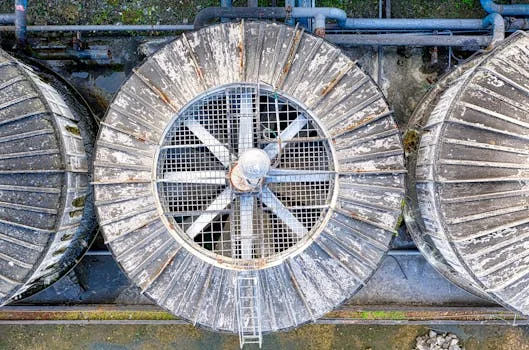
Package wastewater treatment plants are modular, pre-engineered systems designed to treat wastewater efficiently within a compact footprint, typically ranging from 1 to 500 m³/h capacity. Unlike custom-built, large-scale facilities, package plants are factory-assembled, reducing on-site construction time and complexity. Their compact nature allows for installation in areas with limited space, with footprints often ranging from 5–50 m² for plants treating 10–100 m³/h, making them ideal for package wastewater treatment plant in Sumatra Indonesia applications where rapid deployment and space efficiency are critical.
A typical treatment train for Sumatra’s varied effluent types, particularly high organic load wastewater like POME, includes several stages. Pre-treatment often involves screening to remove large solids and equalization tanks to buffer flow and pollutant load variations. Primary treatment, such as sedimentation or DAF system for pre-treatment of high-TSS industrial wastewater, removes suspended solids and oil & grease. Secondary biological treatment is the core of organic pollutant removal, utilizing processes like Anaerobic Baffled Reactors (ABR), Biological Trickling Filters (BTF), or Membrane Bioreactors (MBR).
- Anaerobic Baffled Reactors (ABR): These systems typically feature 4–6 compartments, with a hydraulic retention time (HRT) of 12–24 hours, effectively treating high-strength organic wastewater like POME. ABRs achieve COD removal efficiencies of 70–85% for POME and offer the significant advantage of low energy consumption and valuable biogas recovery, which can be utilized for energy generation. The Palembang wastewater treatment plant, for instance, incorporates ABR technology in its treatment process.
- Biological Trickling Filters (BTF): BTFs utilize media (plastic or stone) to support biomass growth, where microorganisms degrade organic matter as wastewater trickles through. With loading rates of 0.5–1.5 kg BOD/m³/day, BTFs offer excellent oxygen transfer efficiency (80–90%) and are robust against shock loads, making them suitable for various industrial and municipal effluents in Sumatra wastewater treatment scenarios.
- Membrane Bioreactors (MBR): An MBR system for high-efficiency wastewater treatment in Sumatra integrates biological treatment with membrane filtration, offering superior effluent quality suitable for reuse.
Following biological treatment, clarifiers are essential for separating treated water from biological sludge, with typical surface loading rates of 1–2 m/h. Sludge handling involves dewatering options such as filter presses or centrifuges, aiming for a Sludge Volume Index (SVI) below 100 mL/g. Finally, disinfection is crucial for pathogen removal, with options like on-site ClO₂ generator for disinfection in Sumatra’s humid climate (2–5 mg/L dosage for 99% pathogen kill) or UV systems, chosen based on water turbidity and operational costs.
| Component | Function | Suitability for Sumatra Effluent (e.g., POME) | Typical Efficiency / Parameter |
|---|---|---|---|
| Screening & Equalization | Removes large solids, balances flow/load | Essential for POME (high solids, variable flow) | >90% large solids removal; <20% flow variation |
| Anaerobic Baffled Reactor (ABR) | High organic load reduction, biogas production | Excellent for POME (COD 70-85% removal) | HRT 12-24h; Biogas 0.2-0.3 m³/kg COD removed |
| Biological Trickling Filter (BTF) | Aerobic organic degradation | Effective for post-ABR or lower strength industrial/municipal | BOD removal 80-90%; OLR 0.5-1.5 kg BOD/m³/day |
| Membrane Bioreactor (MBR) | High-quality effluent, small footprint | Ideal for reuse, high-strength industrial | BOD <5 mg/L, TSS <1 mg/L; SRT 20-30 days |
| Clarifier | Solid-liquid separation (sludge settling) | Crucial for secondary treatment effluent | Surface Loading Rate 1-2 m/h; TSS removal 70-90% |
| Chlorine Dioxide (ClO₂) Generator | Pathogen disinfection | Effective in humid, potentially turbid conditions | Dosage 2-5 mg/L for >99% pathogen kill |
Technical Specifications for Sumatra’s Industrial and Municipal Needs
Effective package plant design for Sumatra necessitates precise alignment with local influent characteristics and stringent effluent quality targets mandated by Indonesian regulations. Industrial facilities and municipal authorities evaluating a package wastewater treatment plant in Sumatra Indonesia must consider specific influent quality benchmarks. Palm oil effluent (POME) typically presents a high organic load, with COD ranging from 3,000–5,000 mg/L and BOD between 1,500–2,500 mg/L. Textile effluents from regions like Medan exhibit COD levels of 800–1,200 mg/L and significant color (500–1,000 Pt-Co units). Municipal sewage generally has lower organic concentrations, with BOD at 200–300 mg/L and TSS between 250–400 mg/L.
Key design parameters are crucial for sizing and optimizing package plants. Hydraulic Retention Time (HRT) varies significantly by process; for instance, ABRs treating POME require 12–24 hours, while aerobic processes like MBRs might operate with shorter HRTs but longer Sludge Retention Times (SRT) of 20–30 days. Organic Loading Rate (OLR) is also vital, with BTFs typically designed for 0.8 kg BOD/m³/day. Effluent quality targets must meet national GR 82/2001 limits (e.g., BOD < 50 mg/L, TSS < 30 mg/L) and potentially stricter provincial standards. For water reuse, compliance with Indonesian SNI 6774:2016 for irrigation is often sought.
Energy consumption is a significant operational factor. MBR systems, while providing high-quality effluent, typically consume 0.8–1.2 kWh/m³, whereas BTFs are more energy-efficient at 0.3–0.5 kWh/m³. For palm oil mills, the potential for biogas recovery from POME (25–30 m³ biogas/ton Fresh Fruit Bunch, FFB) can significantly offset energy costs. Footprint and modularity are inherent advantages of package plants; a 100 m³/h package plant can occupy as little as 20–30 m², and modular designs allow for easy expansion, such as adding 20% capacity with additional MBR modules, to accommodate future growth.
| Parameter | Palm Oil Effluent (POME) | Textile Wastewater | Municipal Sewage | GR 82/2001 Effluent Limit |
|---|---|---|---|---|
| COD (mg/L) | 3,000–5,000 | 800–1,200 | 400–600 | < 100 |
| BOD (mg/L) | 1,500–2,500 | 400–600 | 200–300 | < 50 |
| TSS (mg/L) | 500–1,000 | 200–400 | 250–400 | < 30 |
| Color (Pt-Co) | N/A | 500–1,000 | N/A | < 100 (if applicable) |
| pH | 4.0–5.0 | 6.0–10.0 | 6.5–8.5 | 6.0–9.0 |
| Energy Use (kWh/m³)* | 0.2-0.5 (with biogas) | 0.5-1.0 | 0.3-0.8 | N/A |
*Energy use varies significantly by treatment technology and influent characteristics.
Cost Breakdown: CAPEX, OPEX, and ROI for Package Plants in Sumatra
Understanding the total cost of ownership, encompassing both capital expenditures (CAPEX) and operational expenditures (OPEX), is critical for evaluating package wastewater treatment plant in Sumatra Indonesia investments. CAPEX benchmarks for 2025 for package plants in Sumatra range from $500–$1,200/m³/day, with an average of $800/m³/day for a 50 m³/h MBR system. This capital cost typically breaks down by component: ABR systems account for approximately 20%, BTFs for 30%, and clarifiers for 15% of the total CAPEX. These figures provide a baseline for preliminary budget planning for cost benchmarks for wastewater treatment in Indonesia.
OPEX benchmarks in Sumatra typically fall between $0.15–$0.40/m³. For a palm oil mill, POME treatment might incur an OPEX of around $0.25/m³. Key components of OPEX include energy ($0.08–$0.15/m³), chemicals ($0.03–$0.07/m³ for coagulants, flocculants, and disinfectants), and labor ($0.02–$0.05/m³ for operation and maintenance staff). These figures are critical for long-term financial projections.
Beyond direct CAPEX and OPEX, several hidden costs can significantly impact the total investment. Permitting for industrial plants in Sumatra can range from IDR 50–150 million, covering environmental impact assessments (AMDAL) and discharge permits. Sludge disposal costs are often overlooked, typically ranging from IDR 1,000–3,000/kg of dry solids, depending on local regulations and disposal methods. Annual maintenance, including spare parts and preventive servicing, usually accounts for 2–5% of the initial CAPEX. Accurately accounting for these hidden costs is essential for a realistic financial assessment.
The Return on Investment (ROI) for wastewater treatment plants is driven by several factors. Avoiding regulatory fines, such as the IDR 2.5 billion penalty for untreated POME, is a primary financial incentive. Water reuse offers substantial savings, with irrigation water valued at approximately $0.50/m³. biogas recovery from high-strength organic waste like POME can generate revenue, with electricity sales potentially yielding $0.10/kWh. A palm oil mill in Riau, for example, reduced its OPEX by 30% in 2024 through biogas recovery, achieving a payback period of approximately 3.5 years with biogas sales. This demonstrates the tangible financial benefits of investing in efficient Sumatra wastewater treatment solutions.
| Cost Category | Typical Range (USD) | Notes for Sumatra |
|---|---|---|
| CAPEX Benchmarks (per m³/day capacity) | $500–$1,200 | e.g., $800/m³/day for 50 m³/h MBR system. Includes equipment, installation. |
| ABR Component | ~20% of CAPEX | Lower cost, suitable for high organic loads. |
| BTF Component | ~30% of CAPEX | Moderate cost, robust biological treatment. |
| Clarifier Component | ~15% of CAPEX | Essential for solids separation. |
| OPEX Benchmarks (per m³ treated) | $0.15–$0.40 | e.g., $0.25/m³ for POME treatment. |
| Energy Cost | $0.08–$0.15 | Varies by process (MBR higher than BTF). Biogas can offset. |
| Chemicals Cost | $0.03–$0.07 | Coagulants, flocculants, disinfectants. |
| Labor Cost | $0.02–$0.05 | Skilled operators for daily monitoring and maintenance. |
| Hidden Costs (Estimated) | ||
| Permitting (Industrial) | IDR 50–150 Million | AMDAL, IPLC fees. Timeline 6-12 months. |
| Sludge Disposal | IDR 1,000–3,000/kg dry solids | Transportation and landfill/processing fees. |
| Annual Maintenance | 2–5% of CAPEX | Spare parts, preventive maintenance contracts. |
Compliance Roadmap: Navigating Indonesia’s Wastewater Regulations in Sumatra
Compliance with Indonesia’s complex wastewater regulations, including national mandates and specific provincial decrees in Sumatra, is non-negotiable for industrial and municipal operations. At the national level, key regulations include Government Regulation (GR) 82/2001 on Water Quality Management and Water Pollution Control, which sets general effluent standards, and GR 22/2021 on Environmental Protection and Management, which provides the overarching framework. Additionally, Indonesian National Standard (SNI) 6774:2016 outlines specific criteria for wastewater reuse, particularly for irrigation, offering a pathway for sustainable water management.
Sumatra-specific rules often impose stricter limits tailored to local environmental conditions. For example, South Sumatra Province’s Decree No. 660/2022 establishes more stringent discharge limits for facilities located within the sensitive Musi River basin, requiring enhanced treatment beyond national minimums. Similarly, North Sumatra’s Decree No. 50/2023 specifies detailed industrial discharge monitoring requirements, including parameters and reporting frequencies, particularly for sectors like textiles where color is a significant pollutant.
The permitting process for a package wastewater treatment plant in Sumatra Indonesia involves several critical steps. First, an Environmental Impact Assessment (AMDAL) is mandatory for plants with capacities exceeding 50 m³/h, a process that typically takes 6–12 months. This is followed by obtaining a Discharge Permit (IPLC) from the local Energy and Mineral Resources (ESDM) office, which requires demonstrating compliance with effluent standards. Finally, facilities must adhere to annual compliance reporting, often through online portals for provinces like South Sumatra, detailing discharge quality and operational parameters.
Monitoring requirements are rigorous. Industrial facilities are typically mandated to monitor parameters such as BOD, COD, TSS, pH, and oil & grease weekly, while municipal plants may have monthly reporting obligations. These reports are submitted to local environmental agencies to ensure ongoing adherence to GR 82/2001 compliance and provincial decrees. Common pitfalls in the compliance process include submitting an incomplete AMDAL (e.g., missing a comprehensive biogas safety plan for POME treatment systems), inadequate record-keeping for sludge disposal, and overlooking specific local decree requirements, such as North Sumatra’s color limits for textile effluent, which can lead to significant fines and operational disruptions.
Supplier Selection: How to Choose a Package Wastewater Treatment Plant Provider in Sumatra
Selecting the right package wastewater treatment plant provider in Sumatra requires a comprehensive evaluation of their technical expertise, local presence, and commitment to long-term support and compliance. For industrial and municipal stakeholders, a supplier’s local presence is paramount; look for service centers in key hubs like Medan, Pekanbaru, and Palembang, ensuring prompt technical support and maintenance. Crucially, the provider must demonstrate deep compliance expertise, specifically with GR 82/2001 and provincial decrees like South Sumatra Decree 660/2022, to mitigate regulatory risks. Robust technical support, including 24/7 remote monitoring and on-site assistance, is essential for continuous operation.
Technical evaluation should focus on process guarantees, such as a guaranteed 90% BOD removal for POME treatment, which directly impacts effluent quality. Energy efficiency, measured in kWh/m³ for MBR systems or BTFs, is vital for managing OPEX. Assess the modularity of the proposed solution; a system that allows for expandable capacity with additional modules provides future flexibility for growing operations. This approach aligns with best practices for selecting advanced industrial wastewater treatment technologies globally.
Cost evaluation extends beyond the initial CAPEX. Demand transparent pricing and avoid suppliers with hidden fees, especially for sludge disposal or unexpected maintenance. Inquire about financing options, including potential leasing arrangements or eligibility for government grants, which can significantly reduce upfront investment. Request detailed 5-year OPEX projections to understand the long-term financial commitment. Always ask for Sumatra-specific case studies or references, such as a palm oil mill in Riau or a textile factory in Medan, to verify their local experience and performance. Red flags include a lack of local service teams, vague compliance guarantees, or an unwillingness to provide detailed cost breakdowns.
| Evaluation Criteria | Key Considerations for Sumatra | Assessment Questions |
|---|---|---|
| Local Presence & Support | Service centers, spare parts availability, emergency response. | Does the supplier have offices/technicians in Medan, Pekanbaru, or Palembang? What is their guaranteed response time for critical issues? |
| Compliance Expertise | Knowledge of GR 82/2001, provincial decrees (e.g., South Sumatra 660/2022). | Can they provide a clear compliance roadmap for your specific effluent and location? Have they successfully permitted projects in Sumatra? |
| Process Guarantees | Performance guarantees for effluent quality (BOD, COD, TSS). | What are the guaranteed removal efficiencies for your influent type (e.g., 90% BOD removal for POME)? Are these legally binding? |
| Energy Efficiency | kWh/m³ consumption, potential for energy recovery. | What is the estimated energy consumption (kWh/m³) for their proposed system? Can they integrate biogas recovery? |
| Modularity & Footprint | Space requirements, ease of expansion. | What is the footprint (m²) for the required capacity? How easily can the system be expanded by 20-50%? |
| Cost Transparency & OPEX | Detailed CAPEX, OPEX projections, hidden costs. | Is their pricing fully transparent? Can they provide a 5-year OPEX breakdown, including chemicals, labor, and sludge disposal? |
| References & Case Studies | Sumatra-specific project experience. | Can they provide references from industrial or municipal clients in Sumatra? What were the project outcomes? |
Frequently Asked Questions
Addressing common inquiries from industrial and municipal stakeholders in Sumatra provides immediate clarity on critical aspects of package wastewater treatment plant in Sumatra Indonesia selection and operation.
What is the typical payback period for a package wastewater treatment plant in Sumatra?
The typical payback period for a package wastewater treatment plant in Sumatra ranges from 3 to 7 years. This is primarily driven by avoided regulatory fines (e.g., IDR 2.5 billion for non-compliance), potential water reuse savings (approximately $0.50/m³ for irrigation), and revenue generated from biogas recovery (e.g., $0.10/kWh from POME treatment). Projects incorporating biogas often achieve the shorter end of this range.
How do I size a package plant for a palm oil mill with 60 tons FFB/hour?
For a palm oil mill processing 60 tons of Fresh Fruit Bunch (FFB) per hour, the typical POME generation is approximately 0.6–0.7 m³ per ton FFB. Therefore, the mill would generate around 36–42 m³/h (or 864–1,008 m³/day) of POME. A package plant would need to be sized to handle this flow, plus any peak factors, with sufficient hydraulic retention time (e.g., 12–24 hours for anaerobic treatment) and organic loading capacity to meet effluent standards.
What are the penalties for non-compliance with GR 82/2001 in South Sumatra?
Penalties for non-compliance with GR 82/2001 and specific South Sumatra Province decrees (e.g., Decree No. 660/2022 for the Musi River basin) can include administrative sanctions (warnings, suspension of operations), criminal charges (imprisonment up to 10 years, fines up to IDR 10 billion), and civil liability for environmental damage. A 2023 case in North Sumatra saw a palm oil mill fined IDR 2.5 billion for untreated POME discharge.
Can package plants handle high-strength industrial effluent (e.g., COD > 5,000 mg/L)?
Yes, modern package plants are designed to handle high-strength industrial effluent. For COD > 5,000 mg/L, multi-stage systems are typically employed, starting with anaerobic processes like Anaerobic Baffled Reactors (ABR) or Upflow Anaerobic Sludge Blanket (UASB) reactors for initial bulk organic removal (70-85% COD removal), followed by aerobic treatment (e.g., MBR, BTF) and tertiary polishing. This ensures Sumatra wastewater treatment meets stringent discharge limits.
What financing options are available for wastewater treatment projects in Indonesia?
Financing options for wastewater treatment projects in Indonesia include direct capital investment, commercial bank loans, and potentially government-backed initiatives or grants (e.g., through the Ministry of Environment and Forestry or local provincial budgets for environmental infrastructure). Some international development banks (e.g., ADB, World Bank) also offer co-financing for larger municipal or public-private partnership (PPP) projects. Suppliers may also offer leasing or installment plans for Indonesia package plant solutions.