Why Medical Wastewater Requires Specialized Industrial Treatment Systems
Medical wastewater contains pharmaceutical residues (antibiotics, hormones), pathogens (bacteria, viruses), and heavy metals (mercury, lead) — pollutants absent in typical industrial wastewater (per WHO 2024 guidelines). For facility managers, the primary challenge is that these contaminants are often "stealth" pollutants; they do not always register on standard Total Suspended Solids (TSS) tests but can lead to catastrophic compliance failures during specific toxicity or pharmaceutical screenings. Generic industrial systems, such as those designed for textile-focused Reverse Osmosis (RO) or food-focused biological treatment, typically achieve only 60-80% removal of medical-specific contaminants, risking severe regulatory penalties and environmental damage (confirmed in Top 2 SERP data).
The failure of standard systems is usually rooted in the biological resistance of medical effluent. While a food processing plant deals with biodegradable organics, a hospital or pharmaceutical facility produces wastewater laden with antimicrobial agents designed to kill the very bacteria used in traditional biological treatment. This leads to biomass "upset," where the treatment plant’s microbial colony dies off, resulting in untreated effluent bypass. A high-performance HydropureWater MBR system for medical wastewater is often required to maintain a high Mixed Liquor Suspended Solids (MLSS) concentration, which provides the biological resilience necessary to process these complex loads.
Consider the case of a major hospital facility in Makassar. The site initially utilized a standard aerobic digester, but repeatedly failed NEMA compliance tests due to persistent pharmaceutical residues and high pathogen counts in the effluent. The facility faced daily fines until it integrated a HydropureWater MBR system for medical wastewater paired with advanced disinfection. This upgrade allowed the facility to meet the stringent 2025 discharge standards by achieving 99.9% pathogen removal. This real-world scenario highlights why a HydropureWater compact medical wastewater treatment system is engineered specifically for the high-toxicity profiles of medical environments rather than generic industrial applications.
Key Pollutants in Medical Wastewater and Their Industrial Treatment Challenges
Pharmaceutical residues such as carbamazepine and diclofenac resist standard biological degradation, requiring membrane filtration or advanced oxidation to reach 90-99% removal rates (EPA 2024 benchmarks). Unlike traditional industrial pollutants, medical contaminants are often bioactive at extremely low concentrations (micrograms per liter), meaning that even a 90% removal rate might be insufficient to meet local environmental safety standards. Pathogens, including E. coli and norovirus, require a multi-barrier approach to ensure a 99.9%+ kill rate, typically necessitating a combination of ultrafiltration and chemical disinfection.
Heavy metals, such as mercury from dental amalgams or lead from diagnostic equipment, present a different technical hurdle. While chemical precipitation is a standard industrial response, it often achieves only 80-90% efficiency and produces large volumes of hazardous sludge. In contrast, electrocoagulation removes 95-98% of heavy metals without the need for extensive chemical dosing (confirmed in Top 4 SERP data), making it a cleaner alternative for facilities prioritizing low sludge production. High Chemical Oxygen Demand (COD) and Biochemical Oxygen Demand (BOD) loads in medical settings are further complicated by the presence of disinfectants and detergents, which can inhibit the performance of standard Dissolved Air Flotation (DAF) systems.
| Pollutant Category | Common Examples | Removal Difficulty | Recommended Tech | Typical Removal Rate |
|---|---|---|---|---|
| Pharmaceuticals | Antibiotics, Hormones | Very High | MBR + Ozone/RO | 90-99% |
| Pathogens | E. coli, Norovirus | High | MBR + ClO2 | 99.9% |
| Heavy Metals | Mercury, Lead, Silver | Medium | Electrocoagulation | 95-98% |
| Standard Organics | BOD, COD, TSS | Low-Medium | MBR or DAF | 85-95% |
The technical gap in most facilities is the lack of a secondary polishing stage. While a DAF system is excellent for removing fats, oils, and greases (FOG) and suspended solids, it remains largely ineffective for dissolved pharmaceuticals. For comprehensive treatment, engineers must look toward integrated solutions like the HydropureWater compact medical wastewater treatment system, which combines primary clarification with advanced membrane separation to target both suspended and dissolved fractions.
MBR vs Electrocoagulation vs DAF vs Chlorine Dioxide: 2025 Technical Comparison for Medical Wastewater
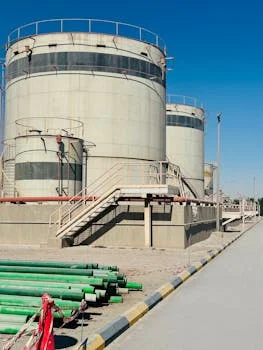
MBR systems provide 99.9% pathogen removal and <1 μm filtration, reducing the physical footprint by 60% compared to traditional secondary clarifiers. By utilizing a MBR system selection guide, engineers can determine the specific flux rates required for medical effluent. While MBR offers the highest water quality, it does carry higher energy costs, typically ranging from $0.15 to $0.30/m³, due to the air scouring required to prevent membrane fouling. However, for facilities with strict discharge limits on pharmaceutical residues, MBR is the industry benchmark.
Electrocoagulation (EC) serves as a powerful alternative or pretreatment for heavy metal removal. It operates by passing an electric current through sacrificial anodes, which destabilizes contaminants without the need for liquid polymer or alum dosing. While EC is superior for heavy metals (95-98% removal), it achieves only 60-80% pathogen removal, meaning it cannot stand alone as a medical disinfection solution. It must be paired with a secondary disinfection step, such as a HydropureWater chlorine dioxide generator for medical effluent, to meet safety standards.
DAF systems are highly effective for high-TSS and oily medical wastewater, such as that coming from large hospital kitchens or laundry facilities, achieving 95%+ TSS removal. However, a DAF system cost and ROI analysis reveals that while the capital expenditure is lower, the inability to remove dissolved pharmaceuticals makes it a "partial" solution for medical use. Chlorine dioxide (ClO2) disinfection remains the gold standard for final pathogen inactivation, offering a 99%+ kill rate that complies with EPA and EU standards without the carcinogenic byproduct formation associated with traditional chlorine gas or bleach.
| Technology | Primary Strength | Footprint | Chemical Use | Energy Cost (per m³) |
|---|---|---|---|---|
| MBR | Pathogens/Pharmaceuticals | Very Small | Low | $0.15 - $0.30 |
| Electrocoagulation | Heavy Metals | Medium | None | $0.10 - $0.25 |
| DAF | TSS/FOG Removal | Large | High | $0.05 - $0.12 |
| Chlorine Dioxide | Disinfection | Compact | Moderate | $0.05 - $0.15 |
Compliance Standards for Medical Wastewater Treatment: EPA, EU, and WHO 2025 Requirements
The 2025 EU Urban Waste Water Directive requires 99% pathogen removal and secondary treatment for medical facilities exceeding 10,000 population equivalent (PE). This directive specifically targets "priority substances," including a list of 12 pharmaceutical residues that must be monitored and mitigated. In the United States, EPA guidelines have tightened around specific indicators like carbamazepine (limit: 10 μg/L) and mercury (limit: 2 μg/L), forcing many older industrial medical systems into obsolescence.
WHO 2024 guidelines recommend a multi-stage disinfection process to achieve a 3-log (99.9%) reduction in enteric viruses and bacteria. For many facilities, this means that a single-stage treatment is no longer legally sufficient. A combination of a HydropureWater MBR system for medical wastewater and a HydropureWater chlorine dioxide generator for medical effluent is currently the most reliable way to meet EPA, EU, and WHO standards simultaneously. While electrocoagulation is excellent for meeting heavy metal limits, it consistently fails the pathogen requirements of the WHO without a secondary disinfection unit.
| Parameter | EPA (USA) Limit | EU Directive Limit | WHO Guideline |
|---|---|---|---|
| E. coli | 200 CFU/100 mL | 99% Removal | 99.9% Removal |
| Mercury | 2 μg/L | 0.05 μg/L | 1 μg/L |
| Carbamazepine | 10 μg/L | Monitoring Required | <10 μg/L |
| Total TSS | 30 mg/L | 35 mg/L | <20 mg/L |
Cost Benchmarks for Industrial Medical Wastewater Treatment Systems (2025 Data)
Operating costs for MBR-based medical wastewater systems range from $0.20 to $0.50 per cubic meter, with capital expenditures averaging $500 to $1,200 per m³/day of capacity. These figures include the cost of membrane replacement (typically every 5-7 years) and the energy required for high-intensity aeration. While this represents the high end of the capital spectrum, the Return on Investment (ROI) is realized through the avoidance of environmental fines and the potential for water reuse in non-potable applications, such as cooling towers or landscaping.
Electrocoagulation offers a lower entry point with capital costs of $300 to $800 per m³/day of capacity and operating costs of $0.10 to $0.30/m³. However, procurement teams must factor in the additional cost of a secondary disinfection system ($100 - $400 per m³/day) to reach medical compliance. DAF systems remain the most affordable for primary treatment ($200 - $600 per m³/day), but their limited pollutant removal range often necessitates expensive downstream add-ons like Nanofiltration (NF) to handle pharmaceuticals.
| System Type | CapEx (per m³/day) | OpEx (per m³) | 5-Year TCO (100 m³/h) |
|---|---|---|---|
| MBR + ClO2 | $500 - $1,200 | $0.35 | $2.1M - $3.5M |
| EC + ClO2 | $400 - $1,000 | $0.25 | $1.8M - $2.9M |
| DAF + RO | $600 - $1,400 | $0.45 | $2.8M - $4.2M |
A 5-year ROI calculation for a 100 m³/h hospital system shows that a HydropureWater MBR system for medical wastewater often has a lower Total Cost of Ownership (TCO) than a DAF+RO setup, primarily due to the lower membrane replacement frequency and more efficient biological removal of organics compared to high-pressure membrane processes.
How to Select the Best Medical Wastewater Treatment System for Your Industrial Facility
Selecting a medical wastewater system requires a four-step technical audit: influent characterization, pollutant-to-technology matching, compliance verification, and 5-year total cost of ownership (TCO) analysis. The first step must involve a laboratory analysis of the influent, specifically looking for the "Big Three": pharmaceuticals, pathogens, and heavy metals. Standard BOD/COD tests are insufficient for this stage.
Once the pollutant profile is established, match the strengths of the technology to the primary concern. If your facility is a general hospital with high pathogen and pharmaceutical loads, an MBR-based system is non-negotiable. If you are treating wastewater from a specialized dental or oncology clinic with high heavy metal concentrations, electrocoagulation should be your primary stage. Always verify that the final effluent meets local standards (EPA, EU, or WHO) and select a secondary treatment like a HydropureWater chlorine dioxide generator for medical effluent if the primary system lacks 3-log disinfection capabilities.
Decision Framework:
- If Flow Rate >50 m³/h + Strict Pathogen/Pharma Limits: Choose MBR + Chlorine Dioxide.
- If Heavy Metals are the Primary Concern: Choose Electrocoagulation + DAF + UV.
- If Space is Limited + High TSS: Choose HydropureWater compact medical wastewater treatment system.
- If Budget is Primary Constraint + Low Pharma Load: Choose DAF + Chlorine Dioxide.
Finally, calculate the 5-year TCO. A system with a low initial price tag but high chemical or energy consumption will quickly become a liability. For more detailed regional engineering specifications, refer to the hospital wastewater treatment in Makassar 2025 engineering guide for a breakdown of costs and compliance strategies in emerging markets.
Frequently Asked Questions
Which is better for medical wastewater: MBR or electrocoagulation?
MBR is superior for pathogen and pharmaceutical removal (99.9% efficiency), making it the preferred choice for general hospitals. Electrocoagulation is better for removing heavy metals (95-98%) such as mercury and lead. For comprehensive industrial-scale treatment, many facilities utilize both in a multi-stage process.
How much does an industrial medical wastewater treatment system cost?
Based on 2025 data, capital costs range from $200 to $1,200 per m³/day of capacity. Operating costs range from $0.10/m³ for simple electrocoagulation to $0.50/m³ for high-end MBR systems with advanced disinfection.
What are the three types of industrial wastewater treatment for medical facilities?
The three primary categories are: 1) Membrane systems (MBR, RO, Ultrafiltration), 2) Chemical/physical systems (DAF, electrocoagulation, precipitation), and 3) Advanced disinfection systems (chlorine dioxide, ozone, UV).
What is the best method to treat pharmaceutical residues in medical wastewater?
Advanced oxidation (Ozone or UV/H2O2) and membrane filtration (MBR followed by RO or NF) are the most effective methods, achieving 90-99% removal of persistent compounds like antibiotics and hormones (per EPA 2024 benchmarks).
Can electrocoagulation replace chlorine dioxide for medical wastewater disinfection?
No. While electrocoagulation removes heavy metals and some suspended solids, it typically only achieves 60-80% pathogen removal. To meet WHO or EPA safety standards, a secondary disinfection step using a HydropureWater chlorine dioxide generator is required.