In Abuja, a 100 m³/day wastewater treatment plant costs ₦12–₦25 million in 2025, with MBR systems averaging ₦22M and conventional activated sludge starting at ₦15M. Industrial plants (e.g., food processing) may exceed ₦35M due to pretreatment needs. Compliance with FMEnv standards (BOD < 30 mg/L, TSS < 50 mg/L) is non-negotiable—AEPB fines for violations averaged ₦2.5M in 2024, up 40% from the prior year. This guide provides a tech-specific cost breakdown, Abuja-specific compliance costs, and an ROI calculator to help buyers compare options and justify investments.
Why Abuja Factories Are Investing in Wastewater Treatment in 2025
Abuja Environmental Protection Board (AEPB) fines for non-compliance with effluent discharge standards rose 40% in 2024, averaging ₦2.5 million per violation (AEPB 2024 Enforcement Report). This escalating regulatory pressure is a primary driver for industrial and commercial entities across Abuja to invest in robust wastewater treatment infrastructure. Sectors such as food processing, pharmaceuticals, and large residential estates are among the top violators, facing significant financial penalties and reputational damage for discharging untreated or inadequately treated wastewater.
Beyond regulatory enforcement, increasing water scarcity in critical industrial zones like Idu and Mabushi is compelling facilities to explore wastewater reuse. Groundwater depletion in areas such as Wuse and Maitama, coupled with industrial water demand projected to grow 15% annually (Nigerian Water Resources Master Plan 2023), makes treated wastewater a viable alternative for non-potable applications. This includes cooling tower makeup, industrial process water, and irrigation, directly reducing reliance on municipal supply or borehole extraction.
For instance, a 50 m³/day food processing plant located in Gwagwalada demonstrated substantial benefits after installing a HydropureWater WSZ series package plant. Prior to installation, the plant faced recurring AEPB fines for discharging effluent with BOD levels exceeding 300 mg/L and TSS over 250 mg/L. Post-installation, the plant consistently achieved effluent quality with BOD < 30 mg/L and TSS < 50 mg/L, leading to an 80% reduction in fines and a 30% cut in overall water costs through treated effluent reuse for non-food contact applications. This real-world example highlights the dual advantage of compliance and cost savings that drives current investment trends in Abuja.
Wastewater Treatment Plant Costs in Abuja: 2025 CAPEX Breakdown by Technology
The upfront capital expenditure (CAPEX) for a wastewater treatment plant in Abuja varies significantly based on technology, capacity, and specific site requirements, with MBR systems typically demanding higher initial investment but offering substantial operational advantages. For a standard 100 m³/day capacity, HydropureWater’s 2025 data indicates CAPEX ranging from ₦15 million for conventional activated sludge to ₦22 million for advanced MBR systems.
MBR (Membrane Bioreactor) systems, while costing approximately 47% more in CAPEX than conventional activated sludge, offer superior effluent quality (99% BOD removal) and a significantly smaller footprint, reducing land use by up to 60%. This makes MBR systems for high-efficiency BOD removal in Abuja ideal for space-constrained sites such as hospitals, hotels, and urban residential estates where land prices are high (e.g., Idu industrial zone land prices can be 2-3x higher than in Gwagwalada). The compact nature of MBR technology minimizes civil works and allows for easier integration into existing facilities.
Conventional activated sludge remains the lowest-CAPEX option, typically starting at ₦15 million for a 100 m³/day system. However, these systems require larger land areas for secondary clarifiers and sludge drying beds, which can be challenging and costly in Abuja's rapidly developing urban areas. They are often suitable for sites with ample space and where stringent effluent quality for reuse is not the primary driver.
Sequencing Batch Reactor (SBR) systems, with an average CAPEX of ₦18 million for 100 m³/day, provide flexibility for facilities with variable wastewater loads, such as seasonal food processing plants or hotels with fluctuating occupancy. SBRs integrate equalization, aeration, and clarification in a single tank, reducing footprint compared to conventional activated sludge. However, they demand more sophisticated control systems and skilled operators, which can impact long-term labor costs in Abuja (₦300K–₦500K/month for certified technicians).
Industrial facilities, particularly those in pharmaceuticals, textiles, or food processing, often require additional pretreatment steps, which can add ₦5–₦10 million to the base CAPEX. For example, food processing plants generating high levels of fats, oils, and grease (FOG) necessitate DAF pretreatment for Abuja’s food processing plants (Dissolved Air Flotation), which can range from ₦5 million to ₦10 million depending on flow rate and FOG concentration. This specialized equipment prevents damage to downstream biological processes and ensures overall system efficiency.
| Technology | 100 m³/day CAPEX (₦ Million, 2025) | Key Advantages | Abuja-Specific Cost Drivers |
|---|---|---|---|
| Conventional Activated Sludge | ₦15 | Lowest initial CAPEX, robust for domestic wastewater. | Requires larger land footprint (high land cost in urban Abuja). |
| Sequencing Batch Reactor (SBR) | ₦18 | Flexible for variable flow/load, compact footprint. | Higher automation, requires skilled operators (₦300K–₦500K/month for technicians). |
| Membrane Bioreactor (MBR) | ₦22 | Superior effluent quality, smallest footprint, high BOD removal (99%). | Higher initial membrane cost, power consumption, skilled maintenance. |
| DAF Pretreatment (Industrial) | ₦5–₦10 (add-on) | Effective FOG removal, protects downstream biological processes. | Specific to industrial needs (food processing, abattoirs). |
| Note: Costs exclude land acquisition and major civil works, which vary significantly by location. Land prices in Abuja's Idu industrial zone can exceed ₦50,000/m², impacting overall project feasibility. For more compact solutions, consider underground WSZ series for Abuja estates and hospitals. | |||
OPEX and Compliance Costs: What Abuja Buyers Overlook
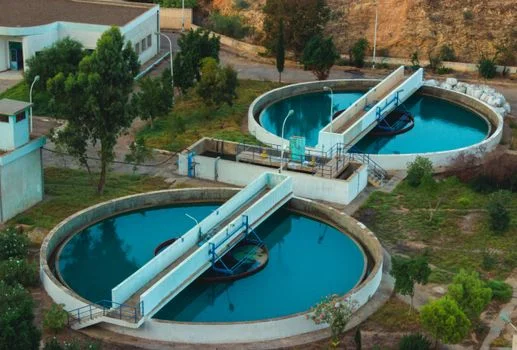
Annual operating expenses (OPEX) for wastewater treatment plants in Abuja can significantly impact the total cost of ownership, often surprising buyers who focus solely on CAPEX. For a 100 m³/day system, annual OPEX ranges from ₦2.1 million for activated sludge to ₦3.2 million for MBR systems, excluding critical compliance-related expenditures and the hidden costs of Abuja's power challenges.
Power consumption is a major OPEX component. MBR systems, due to their membrane aeration and filtration requirements, typically incur higher electricity costs, averaging ₦1.2 million/year for a 100 m³/day plant. Activated sludge systems are less power-intensive, around ₦800K/year. However, Abuja's unreliable grid supply means facilities often rely on backup generators, adding ₦1 million to ₦2 million annually in diesel and maintenance costs, a critical factor for MBR systems that require continuous operation. Chemical costs, primarily for pH adjustment, nutrient dosing, and disinfection, average ₦500K/year across technologies. Labor costs, including salaries for certified operators for 24/7 plant monitoring, can amount to ₦3.6 million/year for a typical 100 m³/day facility.
Beyond direct operational costs, compliance with federal (FMEnv) and local (AEPB) regulations introduces mandatory expenses. FMEnv permit fees range from ₦500K to ₦2 million (one-time initial fee) with an additional ₦200K/year for environmental monitoring permits (FMEnv 2024 fee schedule). AEPB requires quarterly effluent testing by accredited laboratories, costing approximately ₦150K per test (₦600K/year), and an annual compliance audit fee of ₦1 million. Failure to meet FMEnv standards (BOD < 30 mg/L, TSS < 50 mg/L) triggers significant penalties; AEPB fines for violations averaged ₦2.5 million in 2024, coupled with mandatory corrective action plans and the potential for plant shutdowns for repeat offenders (AEPB 2024 Enforcement Report).
Sludge disposal also contributes to OPEX. For every 100 m³/day of wastewater treated, approximately 0.5–1 m³ of dewatered sludge is generated. Landfill tipping fees in Abuja range from ₦500 to ₦1,000 per m³ (Abuja Environmental Protection Board 2024), making efficient sludge dewatering equipment, such as filter presses, an important consideration to minimize disposal volumes. For facilities generating significant sludge, equipment like HydropureWater plate and frame filter presses can reduce disposal costs by up to 80%.
| OPEX Category | MBR (₦/year, 2025) | Activated Sludge (₦/year, 2025) | SBR (₦/year, 2025) |
|---|---|---|---|
| Power Consumption (Grid) | ₦1,200,000 | ₦800,000 | ₦1,000,000 |
| Backup Power (Generators) | ₦1,500,000 | ₦1,000,000 | ₦1,200,000 |
| Chemicals (Coagulants, Disinfectants) | ₦500,000 | ₦450,000 | ₦550,000 |
| Labor (24/7 Operations) | ₦3,600,000 | ₦3,600,000 | ₦3,600,000 |
| Routine Maintenance & Spares | ₦800,000 | ₦500,000 | ₦650,000 |
| Sludge Disposal | ₦300,000 | ₦500,000 | ₦400,000 |
| Subtotal OPEX | ₦7,900,000 | ₦6,850,000 | ₦7,400,000 |
| FMEnv Annual Monitoring Permit | ₦200,000 | ₦200,000 | ₦200,000 |
| AEPB Quarterly Testing (4x) | ₦600,000 | ₦600,000 | ₦600,000 |
| AEPB Annual Audit Fee | ₦1,000,000 | ₦1,000,000 | ₦1,000,000 |
| Total Annual Cost (OPEX + Compliance) | ₦9,700,000 | ₦8,650,000 | ₦9,200,000 |
| Note: These figures are indicative for a 100 m³/day plant. Actual costs may vary based on specific site conditions, influent quality, and operational efficiency. Potential AEPB fines (₦2.5M/violation) are not included in the 'Total Annual Cost' but represent a significant risk. Consider chlorine dioxide generators for effective disinfection, reducing compliance risks. | |||
ROI Calculator: Payback Periods for Industrial Reuse in Abuja
Investing in a wastewater treatment plant in Abuja can yield significant returns through reduced water utility bills and avoided regulatory fines, with payback periods typically ranging from 3 to 7 years depending on the system capacity and reuse application. Abuja's industrial water tariffs increased by 25% in 2024 to ₦40/m³ (Abuja Water Board), making water reuse an increasingly attractive economic proposition for businesses.
Consider a 100 m³/day MBR system reusing 80% of its treated effluent for cooling tower makeup. At a municipal water cost of ₦40/m³ and an estimated treated effluent cost of ₦10/m³ (OPEX share), the facility saves approximately ₦4.8 million annually (80 m³/day * 300 days/year * ₦30/m³ saving). Given an average CAPEX of ₦22 million and annual OPEX of ₦7.9 million (from previous section), the payback period for this scenario is approximately 4.6 years, calculated as (CAPEX + Annual OPEX) / (Annual Water Savings + Fine Avoidance).
Another compelling scenario involves a 50 m³/day system utilizing treated effluent for irrigation. Drawing from the Gwagwalada food plant case study, if the facility previously relied on borehole water costing ₦30/m³ and can now use treated effluent at ₦5/m³, it achieves annual savings of ₦1.8 million (40 m³/day * 300 days/year * ₦25/m³ saving). With a CAPEX of approximately ₦16 million for a 50 m³/day MBR and proportional OPEX, the payback period extends to around 6.2 years. The inclusion of avoided AEPB fines (e.g., ₦2.5 million per violation) significantly shortens payback periods, making compliance a direct financial benefit rather than just a regulatory burden.
| System Capacity (m³/day) | Technology Type | Reuse Application | Water Savings (m³/year) | Cost Savings (₦/year) | Estimated Payback Period (years) |
|---|---|---|---|---|---|
| 50 | Activated Sludge | Irrigation | 12,000 | ₦1,800,000 | 6.2 |
| 100 | MBR | Cooling Tower Makeup | 24,000 | ₦4,800,000 | 4.6 |
| 150 | SBR | Process Water (non-critical) | 36,000 | ₦7,200,000 | 3.8 |
| 200 | MBR | Cooling Tower Makeup & Irrigation | 48,000 | ₦9,600,000 | 3.2 |
| Note: Calculations assume 80% effluent reuse for 300 operating days/year. Water cost savings are based on Abuja municipal industrial rates of ₦40/m³ vs. treated effluent cost of ₦10/m³. Payback Period (years) = (CAPEX + Annual OPEX) / (Annual Water Savings + Fine Avoidance). Fine Avoidance is a critical factor and can accelerate ROI significantly. For comprehensive cost benchmarks, refer to how WWTP costs vary across African cities. | |||||
How to Choose the Right Wastewater Treatment System for Your Abuja Facility
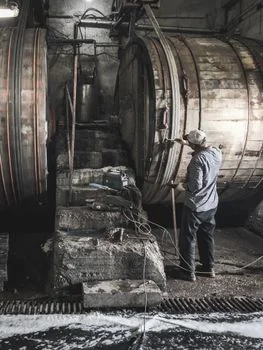
Selecting the optimal wastewater treatment system for an Abuja facility requires a systematic approach, starting with a detailed analysis of influent characteristics and matching them to the appropriate technology to meet specific effluent quality and operational goals. The decision framework begins by categorizing the wastewater as primarily domestic or industrial, as this dictates the initial treatment steps and overall complexity.
For facilities generating predominantly domestic wastewater, such as hospitals, hotels, and residential estates, the primary concerns are pathogen removal and BOD/TSS reduction. Hospitals, with their sensitive effluent, benefit from HydropureWater's medical wastewater treatment solutions, often incorporating MBR systems for 99% pathogen removal, followed by advanced disinfection using chlorine dioxide generators to meet stringent FMEnv medical effluent standards. For estates in space-constrained areas like Wuse II and Maitama, underground WSZ series for Abuja estates and hospitals (1–80 m³/day) offer space efficiency and allow for landscaping integration, minimizing visual impact.
Industrial wastewater presents a more complex challenge due to varied pollutant profiles. Food processing plants in the Gwagwalada industrial zone, for instance, often have high concentrations of fats, oils, and grease (FOG) and organic matter. These require robust pretreatment like DAF pretreatment for Abuja’s food processing plants (Dissolved Air Flotation) to effectively remove FOG before it can interfere with downstream biological processes like activated sludge. For industries with highly variable flow rates or pollutant loads, such as those with batch processes, Sequencing Batch Reactor (SBR) systems provide the necessary flexibility and operational control.
Facilities in the textile or pharmaceutical sectors, dealing with complex organic compounds, color, or toxicity, may require advanced treatment options. This often involves integrating advanced oxidation processes (AOPs) like Fenton or catalytic ozonation, which can add an additional ₦10–₦15 million to the CAPEX but are crucial for achieving compliance with specialized industrial discharge limits. Considering cost benchmarks for industrial WWTPs in emerging markets can provide further context for these specialized applications.
Frequently Asked Questions
Q: What are the FMEnv effluent standards for Abuja in 2025?
A: The Federal Ministry of Environment (FMEnv) standards for Abuja in 2025 mandate effluent quality of BOD < 30 mg/L, TSS < 50 mg/L, pH between 6 and 9, and fecal coliform < 1,000 CFU/100mL (FMEnv 2024 guidelines). MBR systems typically achieve these standards directly, while conventional activated sludge may require tertiary filtration for consistent compliance.
Q: How much does a 50 m³/day wastewater treatment plant cost in Abuja?
A: A 50 m³/day wastewater treatment plant in Abuja typically costs between ₦8 million and ₦18 million, depending on the technology chosen. Conventional activated sludge systems start around ₦8 million, SBR systems average ₦12 million, and MBR systems are approximately ₦16 million. Industrial facilities may need to add an extra ₦3 million to ₦5 million for specific pretreatment, such as DAF for food processing wastewater.
Q: What’s the payback period for a wastewater treatment plant in Abuja?
A: The payback period for a wastewater treatment plant in Abuja generally ranges from 3 to 7 years for systems exceeding 50 m³/day, largely depending on the scale of water reuse and the avoidance of regulatory fines. Reusing treated effluent for cooling tower makeup often offers the fastest ROI, typically 3–4 years, due to high municipal water tariffs. Irrigation reuse, as seen in the Gwagwalada case study, typically provides a payback of 5–7 years.
Q: Can I reuse treated wastewater in Abuja?
A: Yes, treated wastewater can be reused in Abuja for non-potable applications such as cooling towers, industrial process water (non-food contact), irrigation, and toilet flushing. FMEnv requires a specific reuse permit, which costs approximately ₦300K annually, along with mandatory quarterly testing (₦150K per test) to ensure the treated water meets the required quality for its intended reuse application.
Q: What are the penalties for non-compliance in Abuja?
A: Non-compliance with wastewater discharge standards in Abuja carries significant penalties. AEPB fines averaged ₦2.5 million per violation in 2024, in addition to requiring immediate corrective action plans, which often involve installing or upgrading a WWTP within a six-month timeframe. Repeat offenders face escalated enforcement measures, including temporary plant shutdowns until full compliance is achieved (AEPB 2024 Enforcement Report).