Wastewater Treatment Plant Cost in Kampala 2026: CAPEX, OPEX & Tech-Specific Breakdown for Industrial Buyers
In Kampala, wastewater treatment plant costs vary widely by technology and scale: a 15,000 m³/day municipal plant like Nalukolongo requires €29M CAPEX (€1,933/m³), while industrial decentralized systems (e.g., MBR for 500 m³/day) start at €1.2M (€2,400/m³). Key cost drivers include influent quality (Kampala’s industrial wastewater averages 800–1,500 mg/L COD), NEMA compliance (e.g., effluent <50 mg/L BOD), and local labor/material premiums (30–40% higher than East African benchmarks). This guide breaks down CAPEX, OPEX, and tech-specific costs for 2026.
Why Kampala’s Wastewater Treatment Costs Are Higher Than Regional Averages
Kampala’s wastewater treatment project costs consistently exceed those of neighboring East African cities due to specific local economic and regulatory factors. Kampala’s construction labor costs are 35% higher than Nairobi and 50% higher than Dar es Salaam, according to ILO 2025 data, a disparity driven by skilled labor shortages and union wage premiums within the region. This significantly inflates civil works and installation components of any plant investment.
the procurement of specialized equipment and materials faces substantial import tariffs and taxes. Imported materials, such as advanced PVDF membranes for MBR systems or high-grade stainless steel components, incur an 18% VAT plus an additional 10% import duty, collectively adding 28% to equipment costs (Uganda Revenue Authority 2024). This premium applies to critical components not locally manufactured, impacting overall capital expenditure.
Regulatory compliance also drives up costs. NEMA’s 2023 effluent standards, which mandate stringent limits like BOD <50 mg/L and TSS <30 mg/L, necessitate tertiary treatment for approximately 90% of industrial plants in Kampala. This requirement typically increases CAPEX by 20–30% compared to systems designed for secondary treatment only. Facilities must invest in advanced processes like filtration or disinfection to achieve these discharge parameters.
Finally, Kampala’s influent variability significantly impacts pretreatment needs, adding to the overall cost structure. Industrial parks, such as Namanve, often discharge wastewater with high concentrations of fats, oils, and grease (FOG) or specific chemical pollutants, requiring specialized pretreatment stages like DAF systems for FOG removal before biological treatment. This variability demands more robust and often more expensive initial treatment steps compared to more predictable municipal sewage.
CAPEX Breakdown: Wastewater Treatment Plant Costs in Kampala by Technology and Scale
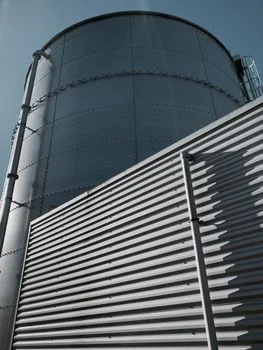
Capital expenditure for wastewater treatment plants in Kampala is heavily influenced by plant scale, chosen technology, and the significant local costs for civil works. Civil works account for 40–50% of total CAPEX in Kampala, higher than the 30% observed in European projects, primarily due to high excavation costs, challenging soil conditions, and the need for extensive soil stabilization (per Uganda National Water and Sewerage Corporation 2024).
For large-scale municipal projects, equipment costs for a 15,000 m³/day plant can reach €13M (scraped content, adjusted for Kampala's 30% premium), but the total investment, including civil works and installation, often exceeds €29M, as seen with the Nalukolongo plant. MBR systems for NEMA-compliant industrial wastewater treatment in Kampala typically have 25% higher equipment CAPEX than conventional activated sludge systems. However, they offer a crucial advantage by reducing the required footprint by up to 60%, a critical factor for land-constrained industrial zones like Namanve Industrial Park where real estate is at a premium.
For smaller, decentralized applications such as hotels or hospitals, WSZ underground plants for small-scale applications in Kampala offer a compelling alternative. These integrated solutions can provide up to 30% lower CAPEX for capacities ranging from 1–80 m³/h, as they minimize the need for extensive civil works and blend seamlessly into the environment. However, this CAPEX advantage is often balanced by a 15% higher OPEX due to the specialized membrane replacement costs inherent in compact, advanced systems.
| Technology Type | Capacity (m³/day) | Equipment Cost (€/m³/day) | Civil Works Cost (€/m³/day) | Installation Cost (€/m³/day) | Total CAPEX (€/m³/day) |
|---|---|---|---|---|---|
| Activated Sludge | 500 | 1,200 | 1,000 | 600 | 2,800 |
| Activated Sludge | 2,000 | 950 | 750 | 450 | 2,150 |
| Activated Sludge | 15,000 | 650 | 870 | 413 | 1,933 |
| MBR Integrated | 500 | 1,500 | 900 | 700 | 3,100 |
| MBR Integrated | 2,000 | 1,200 | 650 | 550 | 2,400 |
| MBR Integrated | 15,000 | 810 | 800 | 480 | 2,090 |
| DAF + Biological | 500 | 1,300 | 950 | 650 | 2,900 |
| DAF + Biological | 2,000 | 1,050 | 700 | 500 | 2,250 |
| WSZ Underground | 100 | 900 | 500 | 400 | 1,800 |
| WSZ Underground | 500 | 850 | 450 | 350 | 1,650 |
OPEX Benchmarks: Annual Operating Costs for Kampala’s Wastewater Treatment Plants
Annual operating costs (OPEX) for wastewater treatment plants in Kampala are significantly impacted by local energy prices, import duties on chemicals, and restricted sludge disposal options. Energy costs in Kampala are 15–20% higher than regional averages, reaching approximately €0.18/kWh compared to €0.15/kWh in Kenya, primarily due to grid instability and the frequent reliance on more expensive diesel generators for consistent power supply (per Uganda Electricity Regulatory Authority 2024).
Chemical costs, including coagulants, flocculants, and disinfectants, are approximately 25% higher in Kampala due to import duties and logistical challenges. However, advanced systems like MBR can offer a counter advantage by reducing overall chemical consumption by 30–40% compared to conventional activated sludge processes, due to their superior filtration capabilities. For precise dosing, automatic chemical dosing systems are critical for optimizing chemical use and minimizing waste.
Sludge disposal represents another substantial OPEX component. Costs in Kampala range from €50–€80/ton, which is approximately 40% higher than in Nairobi. This premium is a direct consequence of limited landfill capacity, the absence of widespread beneficial reuse programs, and NEMA’s 2023 restrictions on land application of untreated sludge. Efficient plate and frame filter presses can significantly reduce sludge volume and associated disposal costs by achieving higher dewatering efficiency.
| Cost Component | Capacity (m³/day) | Cost (€/m³) | % of Total OPEX | Kampala-Specific Notes |
|---|---|---|---|---|
| Energy | 500 | 0.25 | 40% | 20% higher due to grid instability; reliance on diesel generators. |
| Energy | 2,000 | 0.20 | 35% | Slightly better efficiency at scale, but still affected by grid. |
| Energy | 15,000 | 0.15 | 30% | Economies of scale, but high base energy rates persist. |
| Chemicals | 500 | 0.15 | 25% | 25% higher due to import duties; MBR reduces chemical use. |
| Chemicals | 2,000 | 0.12 | 20% | Bulk purchasing offers minor savings. |
| Chemicals | 15,000 | 0.09 | 15% | Significant bulk discounts possible for large municipal plants. |
| Labor | 500 | 0.10 | 15% | 35-50% higher than regional averages for skilled operators. |
| Labor | 2,000 | 0.08 | 14% | More efficient staffing per m³ at larger scale. |
| Labor | 15,000 | 0.06 | 12% | Dedicated, specialized teams for large facilities. |
| Maintenance & Spares | 500 | 0.08 | 13% | High humidity accelerates corrosion; spare parts often imported. |
| Maintenance & Spares | 2,000 | 0.07 | 12% | Proactive maintenance programs are crucial. |
| Maintenance & Spares | 15,000 | 0.06 | 12% | Complex systems require specialized servicing. |
| Sludge Disposal | 500 | 0.04 | 7% | €50-€80/ton; 40% higher than Nairobi due to limited capacity. |
| Sludge Disposal | 2,000 | 0.03 | 5% | Volume-based discounts may apply for larger quantities. |
| Sludge Disposal | 15,000 | 0.03 | 6% | Significant volumes require strategic management. |
| Total OPEX (Avg) | 500 | 0.62 | 100% | |
| Total OPEX (Avg) | 2,000 | 0.50 | 100% | |
| Total OPEX (Avg) | 15,000 | 0.40 | 100% |
Tech Comparison: MBR vs. Activated Sludge vs. DAF for Kampala’s Industrial Wastewater
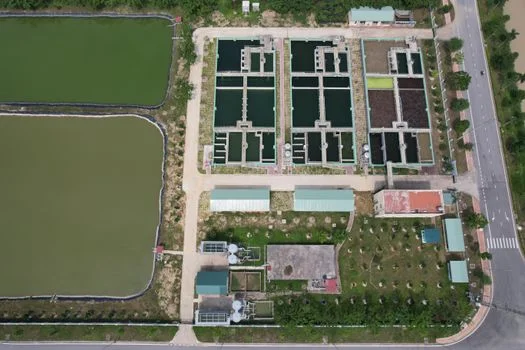
Selecting the optimal wastewater treatment technology for Kampala’s industrial influent, characterized by COD levels of 800–1,500 mg/L and TSS of 300–600 mg/L, involves a critical trade-off between CAPEX, OPEX, footprint, and effluent quality. MBR systems for NEMA-compliant industrial wastewater treatment in Kampala consistently achieve 95%+ COD removal rates and produce NEMA-compliant effluent, typically with BOD levels well below 50 mg/L. While MBR systems demand approximately 25% higher CAPEX and 10% higher OPEX due to the specialized membrane replacement costs, their compact footprint (requiring 60% less land than conventional activated sludge) is invaluable in Kampala’s land-scarce industrial zones.
Conventional activated sludge systems, by comparison, are roughly 30% cheaper in initial CAPEX. However, they often struggle with the significant influent load variability common in Kampala’s industrial settings, frequently failing to consistently meet NEMA’s stringent TSS limits without additional treatment. This often necessitates integrating DAF systems for high-FOG wastewater pretreatment in Kampala, which adds an additional 15% to the overall CAPEX to ensure compliance for TSS removal.
For industries generating high-FOG wastewater, such as food processing plants, DAF + biological systems offer the lowest initial CAPEX. While effective for FOG and TSS removal, these systems typically require 20% more land area than MBR and incur higher ongoing chemical dosing costs to maintain optimal performance. Understanding these distinctions is critical for industrial buyers evaluating long-term operational viability against upfront investment in the Kampala market. For more details on compliance, refer to NEMA-compliant food processing wastewater treatment in East Africa.
| Technology | CAPEX (€/m³/day) | OPEX (€/m³) | Footprint (m²/m³/day) | Effluent Quality (BOD/TSS) | NEMA Compliance |
|---|---|---|---|---|---|
| MBR Integrated | 2,400–3,100 | 0.55–0.70 | 0.5–0.8 | <10 mg/L BOD, <5 mg/L TSS | Yes |
| Activated Sludge | 2,150–2,800 | 0.50–0.62 | 1.2–1.8 | 20–50 mg/L BOD, 20–30 mg/L TSS (often requires tertiary) | Conditional (often needs upgrade) |
| DAF + Biological | 2,250–2,900 | 0.58–0.75 | 1.0–1.5 | 15–40 mg/L BOD, 10–20 mg/L TSS (strong for FOG/TSS) | Yes (with proper design) |
Compliance-Driven Cost Adjustments: Meeting NEMA and World Bank Standards in Kampala
Meeting regulatory standards significantly impacts both the CAPEX and OPEX of wastewater treatment plants in Kampala. NEMA’s 2023 effluent standards, which specify limits such as BOD <50 mg/L, TSS <30 mg/L, and fecal coliform <1,000 CFU/100mL, necessitate tertiary treatment for an estimated 90% of industrial facilities. This requirement typically adds 20–30% to the total CAPEX, as plants must incorporate advanced filtration, disinfection, or nutrient removal stages (per NEMA 2024 guidelines).
Projects funded by international bodies, such as the World Bank (e.g., the Nalukolongo plant), introduce additional compliance layers. These projects often require equipment suppliers to hold ISO 14001 certification, which can add 5–10% to procurement costs due to the rigorous quality and environmental management systems involved. However, this investment often translates into long-term savings, as ISO-certified equipment typically features energy-efficient designs, reducing OPEX by 10–15% over the plant's operational life. For disinfection, NEMA-compliant disinfection with chlorine dioxide generators is an effective solution.
To ensure compliance and mitigate future costs, industrial buyers should prioritize equipment with the following features:
- Automatic chemical dosing for precise pH adjustment and coagulation.
- Integrated membrane filtration (e.g., MBR) for superior BOD/TSS removal.
- Chlorine dioxide generators or UV systems for effective fecal coliform disinfection.
- Sludge dewatering systems capable of achieving <20% moisture content to reduce disposal volumes.
- Real-time effluent monitoring systems with data logging for NEMA reporting.
A Kampala textile factory, for instance, successfully reduced its CAPEX by 15% while meeting NEMA’s stringent color removal standards (effluent <75 Pt-Co) by implementing a DAF + MBR hybrid system. This integrated approach allowed for efficient removal of dyes and suspended solids, demonstrating how strategic technology selection can achieve compliance cost-effectively. Further efficiency gains can be found in 12 strategies to cut OPEX for Kampala’s wastewater treatment plants.
Decision Framework: How to Select the Right Wastewater Treatment Plant for Your Kampala Project
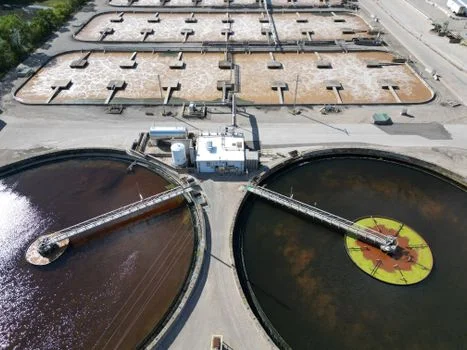
Selecting the optimal wastewater treatment plant for a project in Kampala requires a structured approach that meticulously evaluates influent characteristics, regulatory targets, site constraints, and financial implications. This framework ensures that the chosen technology is both effective and economically viable.
- Step 1: Characterize Influent (COD, TSS, FOG, pH): Kampala’s industrial wastewater typically averages 800–1,500 mg/L COD, alongside significant TSS and FOG concentrations, depending on the industry. A thorough influent analysis is paramount to determine the necessary pretreatment and primary biological treatment (e.g., MBR or activated sludge) requirements. High FOG content, for example, will necessitate DAF systems for high-FOG wastewater pretreatment in Kampala.
- Step 2: Define Effluent Targets (NEMA vs. Reuse): NEMA compliance mandates stringent discharge limits, typically requiring <50 mg/L BOD and <30 mg/L TSS. If treated wastewater reuse (e.g., for irrigation or cooling) is intended, even stricter targets (<10 mg/L BOD and advanced disinfection) according to WHO guidelines must be met, which may require additional tertiary treatment steps like reverse osmosis or UV disinfection.
- Step 3: Evaluate Land Constraints: Land availability in Kampala’s industrial zones is often limited and expensive. MBR systems for NEMA-compliant industrial wastewater treatment in Kampala are highly advantageous here, requiring up to 60% less land than conventional activated sludge systems. For very small, decentralized applications, WSZ underground plants for small-scale applications in Kampala can minimize footprint entirely.
- Step 4: Compare CAPEX/OPEX Trade-offs: MBR systems, while having approximately 25% higher CAPEX, can offer 15% lower OPEX over the long term for high-strength wastewater due to reduced sludge production, lower chemical consumption, and superior effluent quality that minimizes non-compliance fines. Conversely, activated sludge has lower upfront costs but may incur higher OPEX if frequent chemical dosing or additional tertiary treatment is needed to meet NEMA standards.
- Step 5: Verify Vendor Compliance: Ensure that the chosen equipment vendor provides systems that meet NEMA’s 2023 standards and, for internationally funded projects, adheres to World Bank’s ISO 14001 requirements. Request comprehensive technical specifications and performance guarantees. For guidance on MBR selection, see how to select the right MBR system for Kampala’s industrial wastewater.
Frequently Asked Questions
Q: What is the cheapest wastewater treatment plant for a small factory in Kampala?
A: For capacities between 50–200 m³/day, an underground WSZ plant offers the lowest CAPEX, ranging from €1.2M–€3M. However, an MBR system (€1.5M–€4M) often provides superior compliance and a smaller footprint for high-strength industrial wastewater, potentially offering better long-term value.
Q: How much does it cost to upgrade an existing plant to meet NEMA 2023 standards?
A: Upgrades typically cost 30–50% of a new plant's CAPEX, which for a 1,000 m³/day facility could range from €500K–€1.5M. This investment often includes retrofitting with DAF pretreatment, MBR modules, or advanced disinfection systems to meet stricter effluent limits.
Q: Are there financing options for wastewater treatment plants in Kampala?
A: Yes, several institutions offer financing. The World Bank, African Development Bank, and Uganda Development Bank provide loans at 8–12% interest for NEMA-compliant projects. Additionally, local vendors like HydropureWater may offer leasing options or flexible payment structures.
Q: What is the lifespan of a wastewater treatment plant in Kampala?
A: Civil works typically have a lifespan of 30–50 years. Mechanical and electrical components, such as membranes, pumps, and blowers, generally last 10–15 years with proper maintenance. Kampala’s high humidity and corrosive atmosphere necessitate the use of stainless steel or specially coated materials to ensure longevity.
Q: Can I reuse treated wastewater in Kampala?
A: Yes, treated wastewater can be reused for non-potable applications such as irrigation, industrial cooling, or toilet flushing. However, reuse requires additional treatment (e.g., RO or UV disinfection) to meet specific WHO guidelines and NEMA permits, which mandate proper monitoring and reporting.