Hawaii Sewage Treatment Equipment Suppliers 2025: Engineering Specs, Local Compliance & Cost-Effective Decision Framework
Hawaii’s sewage treatment equipment market is dominated by three key suppliers—International Wastewater Technologies, Hawaii Engineering Services, and Optimal Water—each offering systems compliant with Hawaii DOH and EPA Region 9 standards. For example, International Wastewater Technologies’ aerobic tanks achieve 92-97% TSS removal (EPA 2024 benchmarks) and are approved for projects up to 80 m³/h, while Hawaii Engineering Services specializes in municipal headworks equipment like rotary bar screens with 6-100mm bar spacing. This guide provides a supplier comparison matrix, engineering specs, and a cost breakdown to help you select the right system for your project.
Imagine a facility manager at a major Waikiki resort receiving a notice of violation from the Hawaii Department of Health (DOH). The existing wastewater plant, built in the 1990s, can no longer handle the increased organic load from modern high-occupancy rates, and the proximity to the shoreline makes saltwater intrusion a constant threat to biological stability. This scenario is increasingly common across the islands as 2025 regulations tighten. Selecting a sewage treatment equipment supplier in Hawaii USA requires more than just looking at a price tag; it demands an understanding of island-specific logistics, corrosive environments, and stringent nitrogen reduction mandates.
Why Hawaii’s Sewage Treatment Equipment Market Is Unique
Saltwater intrusion affects 40% of coastal wastewater systems in Hawaii, with 2023 USGS data indicating groundwater salinity levels in parts of Honolulu and Maui reaching 250 mg/L or higher. This salinity disrupts conventional activated sludge processes, necessitating equipment that can withstand chloride-induced corrosion and maintain biological activity in fluctuating osmotic pressures. Unlike the mainland United States, where land is abundant, Hawaii averages only 0.5 acres of available land per capita compared to 1.5 acres in the continental US. This scarcity forces developers toward compact, high-efficiency technologies like MBR systems for Hawaii’s high-strength wastewater, which offer a footprint 60% smaller than traditional clarifiers.
The regulatory landscape is governed by the Hawaii DOH Wastewater Branch under Chapter 11-62, HAR, and federal EPA Region 9 NPDES permits. New 2025 mandates require enhanced nutrient removal (ENR) in "sensitive areas" near coral reefs, specifically targeting nitrogen and phosphorus. all equipment must meet Hawaii DOH 2024 guidelines for wind load ratings, ensuring systems remain operational during Category 4 hurricanes with wind speeds up to 150 mph (per ASCE 7-16 standards). Logistical constraints add another layer of complexity; mainland equipment often incurs a 30% shipping premium via Matson or Young Brothers, and lead times for custom-engineered systems currently average 12-16 weeks.
Local service availability is the final differentiator. With only three major suppliers offering statewide coverage across Oahu, Maui, Kauai, and the Big Island, procurement managers must prioritize vendors who maintain local spare parts inventories. A system failure in a remote area of Kona cannot wait for a part to be shipped from California; the cost of downtime and potential EPA fines far outweighs the initial savings of a cheaper, unsupported mainland system.
How to Choose a Sewage Treatment Equipment Supplier in Hawaii: A 5-Step Decision Framework
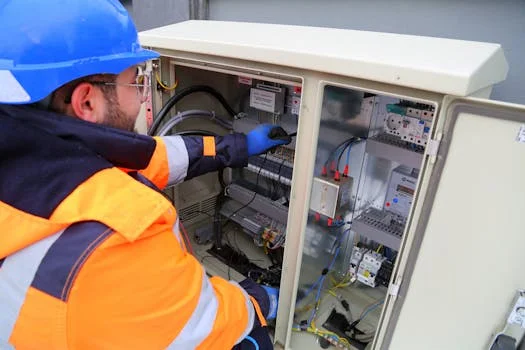
Selecting a sewage treatment equipment supplier in Hawaii USA requires a structured evaluation of technical performance and long-term support. A failure to match equipment to Hawaii’s specific influent characteristics—such as high grease content from resort kitchens or high salinity—often leads to premature membrane fouling or pump failure.
- Step 1: Verify Compliance: Ensure the supplier provides NSF/ANSI 40 and 245 certifications. For industrial projects, check for UL 142 compliance for any integrated fuel storage and adherence to EPA Region 9 discharge limits.
- Step 2: Match Capacity to Load: Size your system based on peak flow rather than average flow. Residential projects typically require 1-5 m³/h, while large hotels and hospitals need 5-50 m³/h. Industrial facilities should look for modular designs capable of 50-300 m³/h.
- Step 3: Audit Local Support: Ask for the number of Hawaii-based technicians and the location of their parts warehouse. 24/7 emergency response is a baseline requirement for hospitality and healthcare sectors.
- Step 4: Total Cost of Ownership (TCO) Analysis: While a Membrane Bioreactor (MBR) may cost $1.2M upfront, a 2024 Hawaii DOH cost study indicates these systems save an average of $50,000 per year in energy and sludge handling costs compared to conventional methods.
- Step 5: Pilot Testing: For high-strength wastewater (high COD/BOD), request a pilot unit. This is critical for food processing or EPA-compliant hospital wastewater treatment for Hawaii to ensure the biological process can handle specific chemical loads.
| Project Type | Recommended Technology | Typical Flow Rate (m³/h) | Key Compliance Requirement |
|---|---|---|---|
| Residential Community | Aerobic Treatment Units (ATU) | 1 - 10 | NSF/ANSI 40 / HAR 11-62 |
| Resort / Hotel | MBR (Membrane Bioreactor) | 10 - 100 | Water Reuse (R-1) Standards |
| Hospital / Clinic | Integrated MBR + UV | 5 - 30 | Pathogen & Pharmaceutical Removal |
| Food Processing | DAF (Dissolved Air Flotation) | 20 - 200 | Pre-treatment for Sewer Surcharges |
Top 3 Sewage Treatment Equipment Suppliers in Hawaii: Engineering Specs and Cost Comparison
The following table provides a side-by-side comparison of the leading suppliers in the Hawaii market. Data is based on 2024-2025 engineering specifications and estimated project costs for the Hawaii region.
| Supplier | Primary System Type | TSS Removal (%) | Energy (kWh/m³) | Lead Time | Estimated Capital Cost |
|---|---|---|---|---|---|
| International Wastewater Technologies | Aerobic Tanks / ATUs | 92 - 97% | 0.6 - 1.2 | 8 Weeks | $50K - $250K |
| Hawaii Engineering Services | Municipal Headworks / Screens | 85 - 95% (Solids) | 0.4 - 0.8 | 12 Weeks | $200K - $1M |
| Optimal Water | MBR / Industrial Reuse | >99% | 1.2 - 2.5 | 16 Weeks | $1M - $5M |
International Wastewater Technologies is the go-to for smaller commercial and multi-residential projects. Their aerobic tanks are frequently used in projects up to 80 m³/h and are praised for their 92-97% TSS removal rates. Hawaii Engineering Services focuses on large-scale municipal and industrial infrastructure, providing heavy-duty rotary bar screens and grit chambers that are essential for protecting downstream biological processes from Hawaii's volcanic grit and debris.
For high-performance needs, MBR systems for Hawaii’s high-strength wastewater provided by Optimal Water offer the highest effluent quality, often meeting R-1 recycled water standards for irrigation. For industrial pre-treatment, DAF systems for industrial pretreatment in Hawaii are effective at removing fats, oils, and grease (FOG) which are prevalent in the local food and beverage industry. To understand how these technologies compare to other regions, you can view a cost comparison for wastewater treatment projects across states.
Hawaii-Specific Compliance Checklist for Sewage Treatment Equipment
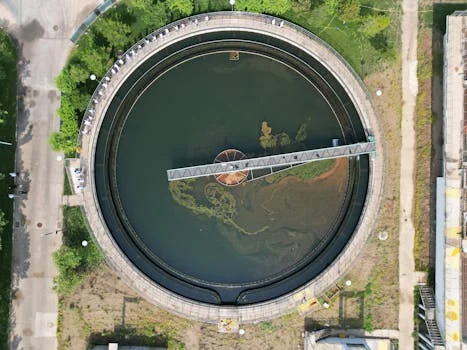
Meeting regulatory standards in Hawaii requires a multi-tiered approach involving state, federal, and county-specific rules. Failure to comply can result in fines exceeding $10,000 per day and the suspension of operating permits.
- Hawaii DOH Wastewater Branch (Chapter 11-62, HAR): All new systems must be approved by the DOH. Residential and small commercial systems must carry NSF/ANSI 40 certification. In "Nitrogen Sensitive Areas" (particularly on Maui and the Big Island), NSF/ANSI 245 certification for nitrogen reduction is mandatory.
- EPA Region 9 NPDES Permits: For facilities discharging into state waters, the 2025 update mandates limits of 30 mg/L for BOD, 30 mg/L for TSS, and 10 mg/L for ammonia. For a technical deep dive on MBR membrane performance, engineers can verify how these systems achieve limits far below these requirements.
- County-Specific Mandates:
- Oahu: Secondary treatment is required for all new developments; cesspools must be converted by 2050.
- Maui: Recent 2025 legislation bans single-chamber septic tanks in favor of multi-stage aerobic units.
- Hawaii County: Mandates 100-foot setbacks from shorelines for any new sewage treatment infrastructure.
- Energy Efficiency (Hawaii Act 15, 2023): New systems must demonstrate a 20% energy saving over 2010 baselines. This often requires the use of Variable Frequency Drives (VFDs) on blowers and pumps.
- Hurricane Resilience: Equipment must be rated for 150 mph wind loads (ASCE 7-16) and include onsite emergency backup power capable of 24-hour operation (Hawaii DOH 2024 guidelines).
Cost Breakdown: Sewage Treatment Equipment in Hawaii (2025 Data)
Budgeting for sewage treatment equipment in Hawaii must account for the "island premium." Electricity in Hawaii costs between $0.30 and $0.50 per kWh, which is nearly triple the US national average. This makes energy-efficient equipment selection the most critical factor for long-term ROI.
| Cost Component | Residential (1-5 m³/h) | Commercial (5-50 m³/h) | Industrial (50-300 m³/h) |
|---|---|---|---|
| Capital Equipment | $20,000 - $100,000 | $100,000 - $500,000 | $500,000 - $5,000,000 |
| Shipping & Logistics | $3,000 - $10,000 | $15,000 - $60,000 | $50,000 - $300,000 |
| Annual Energy Cost | $1,500 - $4,000 | $12,000 - $45,000 | $60,000 - $250,000 |
| Annual Maintenance | $500 - $2,000 | $10,000 - $30,000 | $40,000 - $150,000 |
Financing is available through several local and federal programs. The Hawaii Green Infrastructure Authority (HGIA) offers loans at approximately 3% interest for energy-efficient wastewater upgrades. For smaller projects in rural areas, USDA Rural Development grants can cover up to 75% of capital costs for projects under $500,000. Additionally, the City and County of Honolulu offers a $5,000 rebate for homeowners and small businesses installing nitrogen-reducing systems.
The ROI for high-efficiency systems is compelling. An MBR system typically pays for itself within 5 to 7 years by enabling water reuse for landscape irrigation, significantly reducing potable water bills. For industrial facilities, DAF systems for industrial pretreatment in Hawaii often pay back in 3 to 5 years by eliminating high-strength sewage surcharges. For more context, see how industrial wastewater compliance differs by state.
Case Study: Upgrading a Waikiki Hotel’s Sewage Treatment System for EPA Compliance
In late 2023, a 300-room hotel in Waikiki faced escalating EPA fines of $10,000 per month. An inspection revealed that their aging treatment plant was consistently exceeding BOD limits, with effluent reaching 85 mg/L against a permit limit of 30 mg/L. The facility was also struggling with the high cost of hauling excess sludge to the Sand Island Wastewater Treatment Plant.
The hotel opted to install a 30 m³/h MBR system for Hawaii’s high-strength wastewater. The selection was based on the system's ability to handle high COD (1,200 mg/L) from the hotel's three restaurants and its compact footprint, which fit within the existing basement mechanical room. The project was financed through a $200,000 loan from the Hawaii Green Infrastructure Authority.
The results were immediate. Effluent BOD dropped to 10 mg/L, well below the EPA limit. the hotel was able to reuse the treated effluent for its extensive tropical gardens and cooling towers, reducing its municipal water bill by 40%. A key lesson learned was the necessity of pilot testing; the high concentration of cleaning chemicals used in the hotel's laundry required a specific membrane cleaning protocol that was identified during the 4-week pilot phase.
Frequently Asked Questions
What is the average lead time for sewage treatment equipment in Hawaii?
Due to ocean freight and custom engineering for high-salinity environments, lead times typically range from 12 to 16 weeks. Some local suppliers maintain stock of standard aerobic tanks for 8-week delivery.
Do I need nitrogen reduction for my project in Maui?
Yes, Maui’s 2025 regulations mandate nitrogen reduction (NSF/ANSI 245) for all new systems in sensitive groundwater areas to protect coastal reef health.
Are MBR systems worth the extra cost in Hawaii?
Given Hawaii’s high electricity costs ($0.40/kWh) and limited land, MBR systems offer the best ROI through water reuse and a 60% smaller footprint. They typically pay back in 5-7 years.
What wind load ratings are required for outdoor treatment equipment?
All equipment must be rated for 150 mph winds per ASCE 7-16 standards to ensure resilience against Category 4 hurricanes, as required by Hawaii DOH 2024 guidelines.
Can I get a loan for upgrading my wastewater system?
Yes, the Hawaii Green Infrastructure Authority (HGIA) provides low-interest loans for energy-efficient systems, and the USDA offers grants for rural projects under $500,000.
Related Equipment
- MBR systems for Hawaii’s high-strength wastewater — view specifications, capacity range, and technical data
- DAF systems for industrial pretreatment in Hawaii — view specifications, capacity range, and technical data
- EPA-compliant hospital wastewater treatment for Hawaii — view specifications, capacity range, and technical data
Need a customized solution? Request a free quote with your specific flow rate and pollutant parameters.