Why Bogotá Housing Needs a Packaged, Decentralized Option
Bogotá's centralized wastewater system is anchored by two flagship plants: El Salitre, upgraded to treat 7 m³/s (about 30% of the city's wastewater) with a future disinfection stage sized for 14 m³/s of agricultural reuse, and Canoas, designed for an average daily flow of 16 m³/s with phased chemical-assisted primary treatment, sludge digestion, biogas recovery, and biosolids production. The Bogotá River basin covers 6,000 km² across 45 municipalities and serves nearly 10 million people in the lower basin. Housing on the urban edge, in smaller Andean municipalities, or in phases that pre-date trunk-sewer extension cannot wait for centralized capacity. A packaged, decentralized sewage treatment plant sized to the development's own design flow is the realistic answer, provided it is specified to clear the discharge objectives set by CAR Cundinamarca, the regional environmental authority that co-led the basin plan with World Bank technical support.
Sizing a Packaged STP for a Bogotá Housing Development
Residential wastewater is highly variable through a typical weekday. Peak flow occurs in the mornings, late afternoon, and evenings when residents leave or return, with long low-flow periods in between; the treatment system has to absorb those peaks without losing performance, and then idle efficiently during troughs. Pollutant concentrations also run high in residential streams because disinfectant and cleaning-product use is heavy, and many houses lack grease traps, so ammonia and COD load must be carried explicitly into the biological design (Biocell, residential development product page).
The practical size band for packaged residential systems spans small projects up to 50 people and larger developments up to 5,000 people, so the supplier's modular offering should cover the full build-out curve rather than just the opening phase. Phase the plant with the development: a modular system expanded capacity-by-capacity reduces both upfront CAPEX lock-in and the risk of over-sizing at handover. A buried A/O packaged sewage treatment plant in the 1–80 m³/h range covers most small-to-medium residential envelopes, while an MBR integrated system at 10–2,000 m³/day covers the upper end of the residential envelope where reuse-class effluent is needed. A representative sizing table is shown below.
| Development size | Typical population | Design flow band | Packaged STP fit | Notes |
|---|---|---|---|---|
| Small cluster / phase 1 | Up to ~50 people | Low single-digit m³/h | Buried A/O unit, modular tank | Standard domestic discharge; confirm grease trap upstream |
| Mid-size multi-phase | ~50–500 people | Low-to-mid m³/h | Buried A/O or containerized MBBR | Modular expansion path required |
| Large residential | ~500–5,000 people | Mid m³/h to ~80 m³/h | Buried A/O or MBR skid | MBR if reuse or strict discharge limit |
| Master-planned community (upper envelope) | Approaching 5,000+ people | Up to ~2,000 m³/day | MBR integrated system | Plan phased delivery and biosolids handling from day one |
The sizing table above is a procurement aid, not a substitute for a site-specific flow and load calculation. Buyers should request a calculation showing design flow (average and peak), BOD/COD/ammonia load, and a peaking factor that reflects residential morning/evening peaks rather than a generic 1.5–2x assumption. A defensible sizing workflow for residential and camp projects follows the same containerized MBR sizing approach used in the HydropureWater Wellington residential guide.
Above-Ground Containerized vs Below-Ground Buried: Site Decision
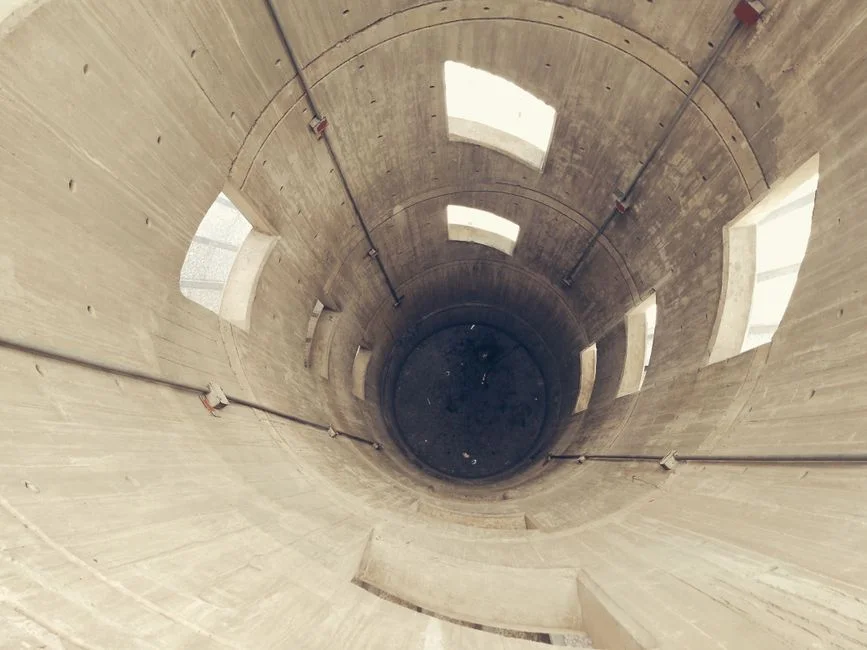
The buried vs containerized decision is a site decision, not a technology decision, and it should be made before talking to suppliers because civil scope, structural design, and noise/odor control all change with it. Below-ground solutions are typically an MBBR or SBR process installed inside a concrete tank poured on site; this is extremely cost-effective where civil works are feasible and the site allows excavation, and it hides the plant under landscaping, but it ties the project to a tank pour and a fixed location (Biocell, residential development product page). Above-ground solutions are containerized or "plug-and-play" modules running fixed-bed, MBBR, or MBR processes; they fit where excavation is restricted, where a faster install is needed, or where the plant may be relocated, which is common on phased Andean developments with tight footprints.
For pilot phases that may be decommissioned or moved before a master-planned community is approved, an above-ground containerized MBR packaged plant limits sunk cost and can be redeployed. A buried A/O packaged sewage treatment plant, on the other hand, is the right pick where the housing project is committed to a fixed footprint and the developer wants the plant to disappear under a green area. Either way, confirm that the civil or skid package matches the chosen technology and the permit pathway under CAR.
Technology Comparison: SBR, MBBR, Fixed-Bed, and MBR
Four process routes dominate the packaged residential menu, and the choice is driven by effluent class, footprint, and operating constraint rather than brand. SBR runs in cycles that include rest and settlement periods without electricity, which the Biocell product literature documents as outperforming market-typical constant-aeration packaged plants on electricity consumption, a relevant point in Colombia where energy tariffs are a major OPEX line. MBBR in a concrete tank is a cost-effective, robust option for residential duty where the effluent class is standard domestic discharge rather than reuse. Fixed-bed biological reactor is offered in containerized format for sites where biofilm-based treatment with low operator skill is preferred. MBR delivers near-reuse-quality effluent at sub-micron filtration with roughly 60% smaller footprint than a conventional plant of equivalent capacity, in the 10–2,000 m³/day band, which is the right pick where the master plan calls for irrigation reuse or strict discharge limits (Biocell, residential development product page).
An MBR skid also opens the door to a future disinfection upgrade, a UV polishing step or chlorine dioxide generator, to reach reuse class, mirroring the El Salitre trajectory where a future disinfection stage is sized for 14 m³/s of agricultural reuse (World Bank, Bogotá circular economy post). The comparison table below matches each technology to the housing project's design driver.
| Technology | Typical format | Footprint | Effluent class fit | Best-fit project | Operating note |
|---|---|---|---|---|---|
| SBR (sequencing batch) | Buried concrete tank or skid | Moderate | Standard domestic discharge | Multi-phase residential, energy-cost sensitive | Cyclic aeration lowers electricity use vs constant-aeration packaged plants |
| MBBR (moving-bed biofilm) | Buried concrete tank | Moderate | Standard domestic discharge | Cost-driven residential, robust duty | No submerged moving parts in many designs; tolerant of variable load |
| Fixed-bed biological | Containerized | Compact | Standard to elevated domestic | Restricted footprint, low operator skill | Biofilm-based, low sludge yield relative to activated sludge |
| MBR (membrane bioreactor) | Containerized skid or integrated system | ~60% smaller than conventional | Near-reuse / strict discharge | Master-planned community with reuse or strict limit | Sub-micron filtration; pair with disinfection for reuse class |
Headworks matter at every technology choice. A rotary mechanical bar screen upstream protects blowers, diffusers, and membranes from ragging and grit, and is standard on packaged plants serving residential developments of any meaningful size.
Altitude, Cold, and Bio-Kinetic Adjustments for Bogotá

Bogotá sits at roughly 2,640 m elevation, and many surrounding Cundinamarca developments sit higher still. Lower atmospheric pressure reduces oxygen transfer efficiency in aerated systems, so diffuser selection and blower sizing have to be derated for altitude, not just for flow. Diurnal and seasonal temperature swings on the Bogotá savanna are modest compared with higher Andean sites, but they still affect nitrification kinetics; an SBR or MBR with adjustable cycle times handles this variability better than fixed-aeration systems. Confirm with any supplier that the quoted aeration equipment is derated for the project's specific elevation, and request a dissolved-oxygen profile at design load with the SOTR adjusted to site pressure, otherwise DO setpoints will not be met and ammonia removal will be at risk. The Brazilian industrial wastewater guide covers a parallel altitude-aware aeration discussion that reinforces the same principle for Latin American projects.
Permitting, Discharge Class, and Biosolids
Any packaged plant in Bogotá's hinterland falls under CAR Cundinamarca, the regional authority that co-led the Bogotá River basin plan with World Bank technical support, so engage CAR before finalizing technology so the discharge objective is locked in (World Bank, Bogotá circular economy post). Align the chosen effluent class with the downstream water body: a higher bar (MBR plus disinfection) is appropriate where the project borders the Bogotá River basin or where the master plan anticipates agricultural reuse, comparable to El Salitre's planned 14 m³/s reuse stream. Plan biosolids handling from day one. El Salitre alone produces 132 tons/day (dry basis) of biosolids suitable for agricultural use; a packaged plant serving thousands of residents produces a smaller but still non-trivial cake that needs sludge dewatering with a filter press or contracted hauling. A 1–500 m² plate-and-frame filter press covers the full municipal-to-residential scale and lets the developer avoid liquid-sludge disposal. Confirm with CAR whether the packaged plant's treated effluent is acceptable for irrigation of green areas inside the development, which can reduce potable irrigation demand.
Procurement Checklist for a Bogotá Packaged STP
Convert the technical content into a buyer-facing list of inputs to request from any shortlisted supplier.
- Ask for a sizing calculation showing design flow (average and peak), BOD/COD/ammonia load, and a peaking factor that reflects residential morning/evening peaks rather than a generic 1.5–2x assumption.
- Ask whether the aeration system is derated for project altitude and for a dissolved-oxygen profile at design load; request the quoted SOTR versus standard oxygen transfer rate at site elevation.
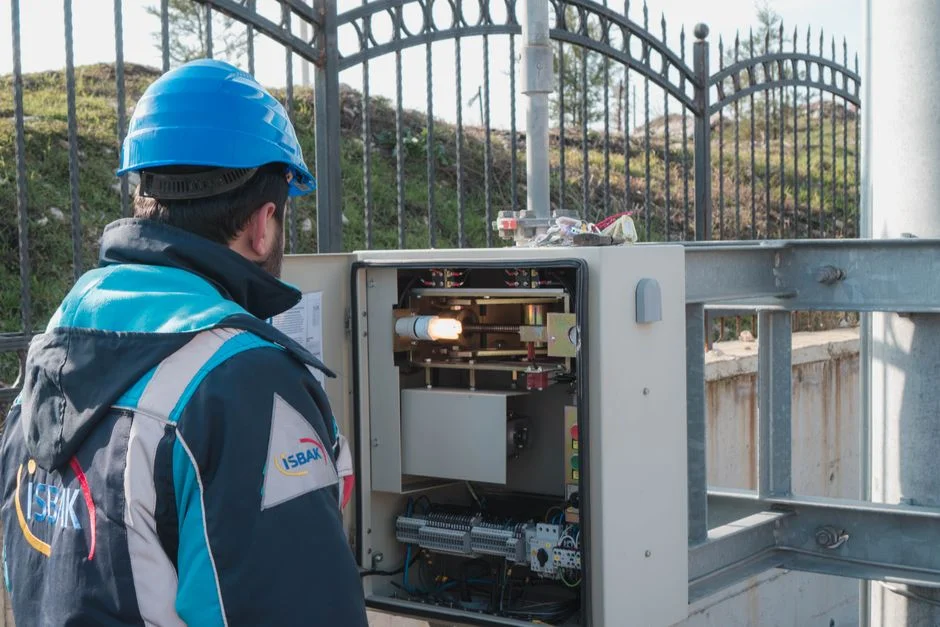
- Request the alarm and SCADA scope (GSM alarm dialout, continuous monitoring) and confirm whether any non-specialist operator can run standard maintenance without entering tanks or emptying them.
- Request documentation of independent certification to local and national standards, and a reference list of comparable residential projects in Latin America with similar altitude and effluent class.
- Request a phased delivery plan if the housing development is staged, with a clear add-on path (extra modules, phosphorus removal, ammonia polishing, disinfection) without replacing the original package, and an automatic chemical dosing system sized for the polishing train.
Two budget-side questions belong in this checklist as well. Request a written CAPEX split between the packaged plant, civil works, headworks bar screen, and biosolids dewatering so the developer can compare offers apples-to-apples. Request an OPEX estimate that states energy consumption per m³ treated at the project's specific elevation, because altitude derating changes blower duty and therefore the electricity line item.
Frequently Asked Questions
What size packaged STP does a Bogotá housing development actually need?
Size it from population, not from a generic m³/day figure. Residential flow is highly variable through a typical weekday with morning, late-afternoon, and evening peaks, and pollutant concentrations run high because of disinfectant and cleaning-product use, so design flow, BOD, COD, and ammonia load must be calculated for the specific project (Biocell, residential development product page). The practical packaged residential band runs from projects up to 50 people up to larger projects up to 5,000 people, and the supplier's modular offering should cover the full build-out curve.
Which technology should a Bogotá housing developer pick, and is buried or containerized better?
Pick by effluent class, footprint, and energy cost. SBR is the right pick where energy cost matters and the effluent target is standard domestic discharge; MBBR is the cost-effective robust default; fixed-bed suits restricted-footprint sites with low operator skill; MBR is the right pick where the master plan calls for irrigation reuse or strict discharge limits, and pairs with a UV polishing step or chlorine dioxide generator to reach reuse class. Choose buried where civil works are feasible and the plant is permanent; choose containerized where excavation is restricted, install speed matters, or the plant may be relocated (Biocell, residential development product page).
How much does a packaged STP cost for a Bogotá housing development?
The supplied research does not publish a packaged STP price for Bogotá residential projects, so no quotation can be reproduced here. Buyers should request a written CAPEX split between the packaged plant, civil works, headworks bar screen, and biosolids dewatering, plus an OPEX estimate stated as energy consumption per m³ treated at the project's specific elevation, and compare offers on that basis rather than on a headline number.
How do I select a packaged STP supplier for a Bogotá project and what permit risk should I check?
Shortlist suppliers who can document independent certification to local and national standards, provide a reference list of comparable residential projects in Latin America at similar altitude and effluent class, and supply a sizing calculation with a residential peaking factor rather than a generic assumption. Confirm the CAR Cundinamarca permit pathway before finalizing technology, because the discharge objective set by CAR, not the developer's internal brief, drives the effluent class and therefore the technology choice (World Bank, Bogotá circular economy post). Also confirm phased delivery terms and the add-on path for phosphorus removal, ammonia polishing, and disinfection so the original package is not scrapped when the development expands.
Related Equipment
- buried A/O packaged sewage treatment plant — specifications, capacity range, and technical data
- containerized MBR packaged plant — specifications, capacity range, and technical data
- sludge dewatering filter press — specifications, capacity range, and technical data
- UV polishing step — specifications, capacity range, and technical data
- headworks bar screen — specifications, capacity range, and technical data