Sewage Treatment Equipment Suppliers in Guanajuato Mexico: 2025 Engineering Guide with Local Compliance, Costs & Decision Framework
A recent PROFEPA audit revealing non-compliance with NOM-001-SEMARNAT can be a significant setback for any industrial plant manager in Guanajuato. The region’s rapid industrial growth—led by automotive, food processing, and mining sectors—has intensified wastewater discharge regulations, requiring TSS <30 mg/L and COD <125 mg/L for most industrial effluents. Local suppliers like EcoMex and SAVECO offer DAF systems (92-97% TSS removal) and MBR plants (effluent <10 mg/L BOD) to meet these stringent standards, with costs ranging from $80,000 for compact units to $1.2M for high-capacity industrial systems. This guide provides Guanajuato-specific compliance data, technical specs, and a supplier decision framework to help you select sewage treatment equipment that balances performance, cost, and local support, ensuring long-term operational peace of mind.
Why Guanajuato’s Wastewater Regulations Demand Advanced Treatment Equipment
PROFEPA enforcement data for Guanajuato indicates that 28% of industrial facilities faced penalties for wastewater discharge violations in 2023, underscoring the critical need for advanced treatment equipment. Guanajuato’s industrial landscape, characterized by robust automotive manufacturing, intensive food processing, and significant mining operations, generates complex wastewater streams that necessitate specialized treatment to meet stringent regulatory standards. Automotive plants often discharge heavy metals, oils, and greases, while food processing facilities contend with high biochemical oxygen demand (BOD), chemical oxygen demand (COD), and fats, oils, and greases (FOG). Mining operations typically produce acidic effluents laden with heavy metals and suspended solids.
The primary federal regulation governing industrial wastewater discharge in Mexico is NOM-001-SEMARNAT-2021, which sets maximum permissible limits for various pollutants. For most industrial effluents discharged into national waters in Guanajuato, this standard requires Total Suspended Solids (TSS) <30 mg/L, Chemical Oxygen Demand (COD) <125 mg/L, and Biochemical Oxygen Demand (BOD) <30 mg/L. However, local municipal permits can impose even stricter limits. For instance, León requires tertiary treatment for food processors discharging into the municipal sewer system, aiming for effluent quality suitable for potential reuse. Irapuato, recognizing the benefits of advanced treatment, offers subsidies for industrial facilities adopting MBR systems to promote water conservation.
Non-compliance with these regulations carries severe consequences. PROFEPA (Federal Attorney for Environmental Protection) is actively enforcing these limits, with fines reaching up to 50,000 UDIs (Units of Measure and Update), equivalent to approximately $180,000 USD, or even plant shutdowns. A notable 2023 PROFEPA case study in Guanajuato involved the temporary closure of a tannery in León for repeated violations of heavy metal discharge limits, highlighting the financial and operational risks of inadequate treatment. Guanajuato has set ambitious 2025 water reuse targets, aiming for 20% of industrial effluent to be treated and reused for non-potable applications. This emerging trend directly impacts equipment selection, as advanced systems like MBR and Reverse Osmosis (RO) are essential for achieving the high-quality effluent required for such initiatives.
| Parameter | NOM-001-SEMARNAT (General Limit) | León Municipal (Food Processing) | Irapuato Municipal (General) |
|---|---|---|---|
| Total Suspended Solids (TSS) | <30 mg/L | <20 mg/L | <30 mg/L |
| Chemical Oxygen Demand (COD) | <125 mg/L | <100 mg/L | <125 mg/L |
| Biochemical Oxygen Demand (BOD) | <30 mg/L | <15 mg/L | <30 mg/L |
| Fats, Oils, Greases (FOG) | <15 mg/L | <10 mg/L | <15 mg/L |
| pH | 6.0 - 9.0 | 6.0 - 9.0 | 6.0 - 9.0 |
Key Sewage Treatment Technologies for Guanajuato’s Industrial Needs
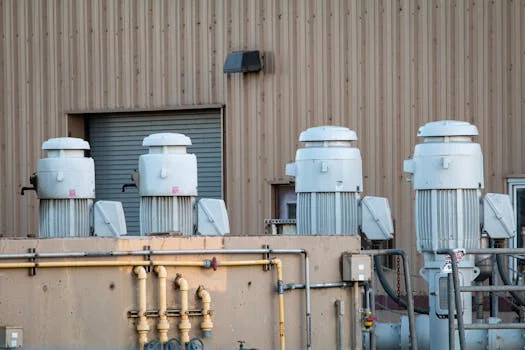
Selecting the appropriate sewage treatment technology is paramount for industrial facilities in Guanajuato, as specific processes are optimized to address the unique contaminant profiles of local industries. The diverse wastewater characteristics from automotive, food processing, and mining sectors demand a tailored approach to ensure compliance with Guanajuato wastewater discharge limits and operational efficiency.
- Dissolved Air Flotation (DAF) Systems: DAF systems are highly effective for removing fats, oils, greases (FOG), suspended solids, and certain heavy metals through the introduction of fine air bubbles that float contaminants to the surface for skimming. Per EPA 2024 benchmarks, DAF systems achieve TSS removal rates of 92-97%. They are ideally suited for Guanajuato’s food processing plants, which generate high FOG and suspended solids, and automotive facilities dealing with oily wastewater. A Guanajuato food processing plant recently reported 30% cost savings compared to conventional sedimentation due to the smaller footprint and higher efficiency of their high-efficiency DAF system for Guanajuato’s food processing and mining effluent. For more detailed technical specifications, refer to detailed DAF system specifications and selection criteria.
- Membrane Bioreactor (MBR) Systems: MBR systems combine biological treatment with membrane filtration, offering superior effluent quality and a compact footprint. They are capable of producing effluent BOD <10 mg/L and achieve 60% smaller footprints than conventional activated sludge systems, as per WAMGROUP 2023 data for Mexico installations. MBR technology is critical for industrial facilities aiming for water reuse, aligning with Guanajuato’s 2025 water reuse targets, and for those needing to meet stringent tertiary treatment requirements, particularly for MBR system for Guanajuato’s water reuse and tertiary treatment needs.
- Chemical Dosing Systems: Precision chemical dosing is indispensable for pH adjustment, coagulation, and flocculation. For Guanajuato’s mining effluent, which often has a pH between 3-5, lime dosing at 200-500 mg/L is typically required for neutralization, according to local lab data. Automated automatic chemical dosing systems ensure optimal chemical usage, enhancing pollutant removal efficiency and reducing operational costs for various industrial applications.
- Sludge Dewatering Systems: Managing the sludge generated from wastewater treatment is a significant operational challenge. Plate-and-frame filter presses are commonly used in Guanajuato’s food processing sector to dewater sludge, achieving 30-40% dry solids content, as evidenced by local plant data. This reduces sludge volume, lowering disposal costs and improving handling efficiency.
- Disinfection Systems: For specific applications, such as hospital wastewater or where pathogen removal is critical, disinfection is a final essential step. Guanajuato’s 2024 hospital compliance guidelines require a 99.9% pathogen kill rate. Technologies like chlorine dioxide or ozone are employed; for example, HydropureWater's compact ozone disinfection units achieve these high pathogen reduction rates.
| Technology | Primary Application in Guanajuato | Key Performance Metric | Advantages |
|---|---|---|---|
| DAF System | Food Processing, Automotive (FOG, TSS, Oil) | 92-97% TSS Removal (EPA 2024) | High efficiency for FOG/solids, compact, cost-effective |
| MBR System | Water Reuse, Tertiary Treatment, High BOD/COD | Effluent BOD <10 mg/L (WAMGROUP 2023) | Superior effluent quality, 60% smaller footprint |
| Chemical Dosing | Mining (pH adjustment), General Coagulation/Flocculation | pH 3-5 influent to 6-9 (Local Lab Data) | Precise control, enhanced pollutant removal |
| Sludge Dewatering | All Industrial Sectors (Sludge Volume Reduction) | 30-40% Dry Solids (Guanajuato Plant Data) | Reduced disposal costs, improved handling |
| Disinfection | Hospital Wastewater, Pathogen Control | 99.9% Pathogen Kill | Ensures public health and environmental safety |
Guanajuato Sewage Treatment Equipment Suppliers: Technical Specs Comparison
Evaluating sewage treatment equipment suppliers in Guanajuato requires a detailed comparison of technical specifications, localized support, and proven performance across the region's diverse industrial sectors. This structured approach helps industrial plant managers and municipal engineers identify the most suitable partners for their specific sewage treatment equipment supplier in Guanajuato Mexico needs.
- SAVECO (WAMGROUP): A globally recognized name, SAVECO provides state-of-the-art solutions through WAMGROUP's extensive network. Their offerings include DAF systems with capacities ranging from 4 to 300 m³/h and MBR modules with membrane surface areas from 80 to 225 m². A key advantage for Guanajuato clients is their commitment to spare parts availability via their global network, often guaranteeing 48-hour delivery for critical components within the region, minimizing downtime.
- EcoMex: As a pioneer in Mexican environmental technology, EcoMex Solutions focuses on innovation. They offer AI-driven monitoring systems that provide real-time tracking of parameters like TSS and COD, enabling proactive process optimization. Their Reverse Osmosis (RO) systems are particularly notable for water reuse applications, achieving up to 95% recovery rates for automotive plants in Mexico, critical for Guanajuato’s water conservation efforts.
- VANDERBEKEN AMERICAS: Specializing in custom industrial systems, VANDERBEKEN AMERICAS excels in addressing highly specific wastewater challenges, such as heavy metal removal for mining effluent treatment. They provide strong local engineering support from their offices in León, Guanajuato, which is crucial for complex installations and ongoing technical assistance.
- HydropureWater: HydropureWater offers robust and adaptable sewage treatment solutions. Their compact underground sewage treatment system for Guanajuato’s space-constrained industrial sites, the WSZ series, is available in capacities from 1 to 80 m³/h, ideal for facilities with limited surface area. They also deploy mobile DAF units, as demonstrated by a 2024 Guanajuato food processing plant deployment, providing flexible and rapid deployment options for temporary needs or pilot testing. Their high-efficiency DAF system for Guanajuato’s food processing and mining effluent is known for its robust construction and effective separation.
- San Lan Technologies: San Lan Technologies specializes in prefabricated wastewater treatment plants, offering turnkey solutions for both industrial and municipal projects. Their systems range in capacity from 1 to 500 m³/h, providing scalable options. A notable 2023 installation in Irapuato showcased their capability to deliver comprehensive, ready-to-operate facilities, streamlining procurement and deployment for large-scale projects.
| Supplier | Key Technology Focus | Typical Capacity Range | Local Support in Guanajuato | Unique Selling Proposition |
|---|---|---|---|---|
| SAVECO (WAMGROUP) | DAF Systems, MBR Modules | DAF: 4-300 m³/h; MBR: 80-225 m² modules | Global network, 48-hour spare parts delivery | Proven global presence, rapid spare parts logistics |
| EcoMex | AI-driven Monitoring, RO Systems | Customized per project; RO: 95% recovery | Regional offices in Mexico | AI-driven optimization, high water reuse rates |
| VANDERBEKEN AMERICAS | Custom Industrial Systems, Heavy Metal Removal | Project-specific | Local engineering support in León | Tailored solutions for complex industrial effluents |
| HydropureWater | Underground WSZ, Mobile DAF Units | WSZ: 1-80 m³/h; Mobile DAF: Flexible | Local deployment support, technical assistance | Compact footprint (WSZ), flexible mobile solutions |
| San Lan Technologies | Prefabricated Plants, Turnkey Solutions | 1-500 m³/h | Project-based installation teams | Rapid deployment of complete, modular plants |
Cost Breakdown: Sewage Treatment Equipment in Guanajuato (2025 Data)
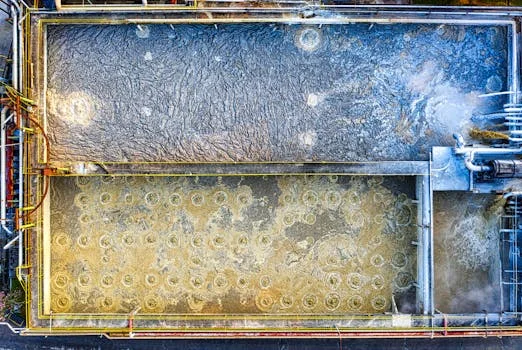
The total cost of ownership for industrial sewage treatment equipment in Guanajuato extends beyond initial purchase, encompassing significant installation, operational, and maintenance expenses, which can range from $80,000 to over $1.2M for high-capacity systems. Understanding these industrial sewage treatment costs Mexico is crucial for accurate budgeting and return on investment (ROI) calculations for projects in Guanajuato.
- Equipment Costs: The capital expenditure for sewage treatment equipment varies significantly by technology and capacity. Based on Guanajuato supplier quotes from 2024, DAF systems typically range from $50,000 for smaller units to $300,000 for high-capacity industrial applications. MBR plants, offering superior effluent quality and smaller footprints, are more expensive, ranging from $200,000 to $1.2M. Compact underground WSZ units, ideal for space-constrained industrial sites, generally cost between $80,000 and $400,000.
- Installation Costs: Installation expenses typically represent 20-30% of the equipment cost, depending on site complexity, civil works requirements, and specialized labor. In Guanajuato, labor rates for certified technicians for such projects typically fall between $30 and $50 per hour. These costs include civil engineering, piping, electrical connections, and system commissioning.
- Operational Costs: Ongoing operational expenses are a critical component of the total cost of ownership. Energy consumption is a major factor, with electricity rates in Guanajuato currently ranging from $0.10 to $0.15/kWh. Chemical costs, particularly for pH adjustment and flocculants in processes like DAF or chemical precipitation, can range from $5 to $15 per cubic meter of treated water, depending on influent characteristics. Routine maintenance, including spare parts, membrane cleaning for MBR systems, and labor, can cost between $10,000 and $50,000 per year for typical industrial systems.
- Local Incentives: Guanajuato offers several financial incentives to encourage sustainable wastewater management. The state’s 2025 water reuse grants can cover up to 30% of the equipment cost for facilities investing in MBR or RO systems that enable treated wastewater reuse. Additionally, some municipalities, like León, provide specific subsidies for food processors adopting advanced treatment technologies to reduce their environmental impact.
- ROI Calculation: Considering a 50 m³/h DAF system installed in a Guanajuato automotive plant, the investment can yield a substantial return. With an estimated equipment cost of $150,000 and installation at $40,000, the initial outlay is $190,000. If the system reduces PROFEPA fines by 40% (e.g., from $50,000 annually to $30,000) and enables 15% water cost savings through partial reuse, the annual savings could be approximately $20,000 from fine reduction and $15,000 from water savings. This leads to an estimated payback period of 3.2 years, demonstrating the economic viability of investing in compliant sewage treatment equipment.
| Cost Category | Typical Range in Guanajuato | Notes for Guanajuato Industries |
|---|---|---|
| DAF System (Equipment) | $50,000 – $300,000 | Ideal for FOG/TSS in food processing, automotive |
| MBR Plant (Equipment) | $200,000 – $1,200,000 | For water reuse, high-quality effluent needs |
| Underground WSZ Unit (Equipment) | $80,000 – $400,000 | Space-saving solution for compact sites |
| Installation Costs | 20-30% of Equipment Cost | Labor rates: $30–$50/hour for certified technicians |
| Energy (Operational) | $0.10 – $0.15/kWh | Significant factor for continuous operation |
| Chemicals (Operational) | $5 – $15/m³ treated water | Varies by influent and treatment process |
| Maintenance (Annual) | $10,000 – $50,000/year | Includes spare parts, labor, membrane cleaning |
| Water Reuse Grants (Incentive) | Up to 30% of MBR/RO equipment cost | Specific to Guanajuato’s 2025 targets |
How to Select a Sewage Treatment Equipment Supplier in Guanajuato: A 5-Step Decision Framework
A structured 5-step decision framework is essential for industrial and municipal buyers in Guanajuato to navigate the complexities of selecting the optimal sewage treatment equipment supplier, ensuring compliance, efficiency, and long-term reliability. This framework helps mitigate risks associated with non-compliance and operational inefficiencies, which can lead to significant PROFEPA fines Guanajuato 2024.
- Step 1: Define Your Effluent Profile and Match to Technology. Begin by thoroughly characterizing your wastewater. This involves comprehensive testing for key parameters such as TSS, COD, BOD, pH, and specific heavy metals or other pollutants relevant to your industry. Local Guanajuato labs can provide detailed analyses and recommendations for appropriate testing protocols. Based on this profile, match your needs to the most suitable technology. For high FOG and suspended solids, a mobile DAF unit for pilot testing might be ideal, while stringent discharge limits or water reuse goals would necessitate an MBR system.
- Step 2: Verify Supplier Compliance Expertise. Ensure your potential supplier possesses deep expertise in Mexican environmental regulations, particularly NOM-001-SEMARNAT, and local municipal permits specific to Guanajuato (e.g., León, Irapuato). Ask for references from other industrial clients in Guanajuato who have successfully achieved and maintained compliance using their equipment. A supplier's track record of navigating complex local regulatory landscapes is as important as their technical capabilities.
- Step 3: Assess Local Support Capabilities. For industrial operations in Guanajuato, reliable local support is non-negotiable. Evaluate suppliers based on their spare parts availability within Mexico, technician response times for emergencies, and the presence of local engineering teams. For example, WAMGROUP's 48-hour delivery guarantee for critical spare parts in Guanajuato sets a high benchmark for responsive service, minimizing costly downtime.
- Step 4: Compare Total Cost of Ownership (TCO). Look beyond the initial purchase price to assess the total cost of ownership, which includes equipment, installation, operational expenses (energy, chemicals, labor), and long-term maintenance. Utilize the cost breakdown table provided in the previous section to make an informed decision. Consider the potential for local incentives, such as Guanajuato’s 2025 water reuse grants, which can significantly impact the overall financial viability.
- Step 5: Pilot Test the Proposed Solution. Before committing to a full-scale installation, consider pilot testing the recommended sewage treatment equipment. Renting a mobile DAF or MBR unit for a 3-month period allows you to validate its performance under your facility's specific wastewater characteristics, fluctuating loads, and Guanajuato’s unique climate and water conditions. This critical, often overlooked step, provides invaluable data, confirms effluent quality, and helps fine-tune operational parameters, significantly de-risking the full-scale investment.
Frequently Asked Questions
Industrial and municipal entities in Guanajuato frequently inquire about specific regulatory requirements, equipment costs, and operational considerations when evaluating sewage treatment solutions.
What are the discharge limits for industrial wastewater in Guanajuato?
For most industrial wastewater discharged into national waters in Guanajuato, NOM-001-SEMARNAT-2021 mandates limits such as TSS <30 mg/L, COD <125 mg/L, and BOD <30 mg/L. However, specific municipal permits, particularly in cities like León and Irapuato, may impose stricter limits depending on the industry and receiving body.
How much does a DAF system cost for a food processing plant in Guanajuato?
The equipment cost for a DAF system suitable for a food processing plant in Guanajuato typically ranges from $50,000 to $300,000, depending on capacity and features. Installation costs add another 20-30%. Operational costs, including energy and chemicals, can be $5-$15 per cubic meter of treated water.
Which sewage treatment suppliers offer 24/7 support in Guanajuato?
While 24/7 on-site support can be rare, leading suppliers like SAVECO (WAMGROUP) and HydropureWater offer robust technical assistance with rapid response times. SAVECO, for instance, aims for 48-hour delivery of critical spare parts for Guanajuato clients, ensuring minimal operational downtime.
Can I reuse treated wastewater in Guanajuato, and what equipment do I need?
Yes, Guanajuato actively promotes water reuse, with a target of 20% industrial effluent reuse by 2025. To achieve the high-quality effluent required for non-potable industrial or agricultural reuse, advanced treatment technologies such as Membrane Bioreactor (MBR) systems followed by Reverse Osmosis (RO) are typically essential.
What are the common mistakes when buying sewage treatment equipment in Guanajuato?
Common mistakes include underestimating the nuances of local Guanajuato regulatory compliance, neglecting a comprehensive total cost of ownership analysis, skipping the crucial pilot testing phase, and selecting suppliers who lack strong local support for installation, spare parts, and ongoing technical assistance.