Tabuk’s Wastewater Challenges: Why Local Conditions Demand Custom Solutions
Tabuk’s industrial growth—driven by oil/gas, mining, and food processing—demands sewage treatment equipment that meets Saudi Arabia’s strict environmental standards (SASO 2857:2023) while handling high salinity and temperatures. Leading suppliers in Tabuk offer systems like MBR (99% TSS removal) and DAF (92–97% TSS removal) for flows from 1–2000 m³/day, with costs ranging from SAR 500,000 for compact units to SAR 15M+ for industrial-scale plants. This guide provides engineering specs, compliance checklists, and a supplier decision framework tailored to Tabuk’s unique conditions.
Engineering projects in Tabuk face environmental variables that render standard, off-the-shelf equipment obsolete within months of commissioning. The primary driver of system failure is the region's extreme thermal profile. With average summer temperatures exceeding 45°C, biological treatment processes experience accelerated metabolic rates that can lead to biomass death or "bulking" if not managed. Suppliers must compensate for these conditions using enhanced aeration systems, insulated tankage, and cooling loops to maintain the 25–35°C range required for stable microbial activity (HydropureWater field data, 2025).
Groundwater and industrial effluents in the Tabuk region often exhibit high salinity, with Total Dissolved Solids (TDS) reaching up to 3000 mg/L. This exceeds the SASO 2857:2023 limits for chloride and sulfate, both capped at 250 mg/L for discharge. High salinity increases the osmotic pressure on biological cells, necessitating the use of salt-tolerant bacterial strains or physical-chemical pre-treatment stages to protect downstream membranes. The industrial profile of the region is unique; approximately 60% of Tabuk’s wastewater originates from the oil/gas, mining, and food processing sectors, according to 2024 Saudi Industrial Development Fund (SIDF) data. These streams are characterized by high oil and grease (O&G) concentrations and heavy metal loads that require specific separation technologies before biological treatment can occur.
A benchmark for successful adaptation is the Duba Bulk Plant’s 2000 m³/day containerized oily water treatment system. This project utilized modular units designed for desert conditions, incorporating specialized coatings to resist UV degradation and sand-ingress protection for all rotating equipment. For engineering managers, the lesson is clear: any equipment selection must begin with a 12-month influent profile that accounts for seasonal temperature swings and salinity spikes.
Saudi Arabia’s 2025 Wastewater Regulations: Compliance Checklist for Tabuk Projects
Compliance in Tabuk is governed by the national SASO 2857:2023 standards, but municipal planners must also account for local Tabuk Municipality bylaws regarding odor control and noise levels in proximity to urban centers. Failure to adhere to these standards results in fines of up to SAR 1 million and potential operational shutdowns under the Saudi Environmental Law of 2020.
The following table compares the 2025 Saudi national standards against international benchmarks, highlighting the strictness of local requirements for industrial discharge.
| Parameter | SASO 2857:2023 Limit | US EPA (Secondary) | EU Directive (91/271/EEC) |
|---|---|---|---|
| BOD5 (mg/L) | 30 | 30 | 25 |
| COD (mg/L) | 125 | N/A | 125 |
| TSS (mg/L) | 30 | 30 | 35 |
| Fecal Coliform (MPN/100mL) | 1,000 | 200 | N/A |
| Oil & Grease (mg/L) | 10 | 10 | N/A |
The permitting process in Tabuk typically spans 6 to 12 months. It requires a comprehensive environmental impact assessment (EIA), detailed engineering drawings stamped by a Saudi-licensed firm, and a sludge management plan. Fees for these permits range from SAR 50,000 to SAR 200,000 depending on the plant's capacity and the complexity of the influent. To streamline this, procurement officers should prioritize suppliers that offer "turnkey compliance" packages. This includes SASO-certified components, automated remote monitoring for real-time reporting to the National Center for Environmental Compliance (NCEC), and on-site operator training conducted in Arabic, which is increasingly preferred by the Tabuk Municipality.
Suppliers also assist in meeting the Medina’s hospital wastewater treatment standards and equipment checklist, which often serves as a secondary reference for sensitive projects in the Tabuk region, such as those involving healthcare facilities or specialized food production zones.
Sewage Treatment Technologies Compared: Which System Fits Tabuk’s Needs?
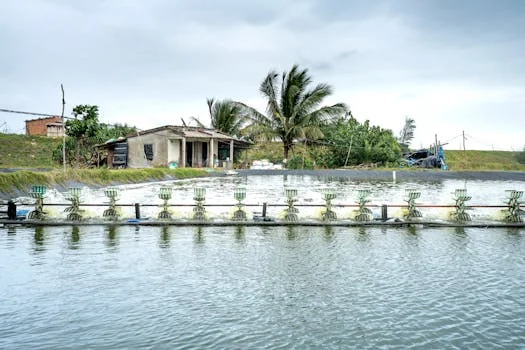
Tabuk’s industrial zones typically require Membrane Bioreactors (MBR), Dissolved Air Flotation (DAF), or integrated package plants based on influent composition and site constraints.
MBR Systems: These are the gold standard for high-strength industrial wastewater, particularly in food processing. They utilize PVDF membranes that provide a physical barrier to bacteria and suspended solids, ensuring 99% TSS removal. They are highly effective at handling the salinity spikes common in Tabuk because the high biomass concentration (MLSS) provides a buffer against toxic shocks. A MBR system for Tabuk’s high-strength industrial wastewater is ideal when space is limited, as it eliminates the need for secondary clarifiers.
DAF Systems: For the oil/gas and mining sectors, a high-efficiency DAF system for Tabuk’s oily wastewater is essential. These systems use micro-bubble technology to float oil and suspended solids to the surface for mechanical skimming. In Tabuk’s heat, DAF systems are preferred for pre-treatment because they are purely physical-chemical and are not subject to the temperature-induced biological failures that plague aerobic systems. You can find more details in this detailed DAF system specifications and selection guide.
Integrated and Containerized Systems: For municipal planners and remote mining camps, the compact underground sewage treatment system for Tabuk’s municipal projects (WSZ Series) offers a low-profile, cost-effective solution. These units are often buried to protect them from direct solar radiation and to preserve the aesthetics of the site.
| Technology | Flow Rate (m³/day) | TSS Removal | Footprint | Energy Use (kWh/m³) | Est. Cost (SAR) |
|---|---|---|---|---|---|
| MBR | 10 – 2,000 | >99% | Small | 0.8 – 1.5 | 800k – 15M |
| DAF | 100 – 5,000 | 92 – 97% | Medium | 0.4 – 0.7 | 400k – 5M |
| Integrated (WSZ) | 1 – 500 | 85 – 90% | Very Small | 0.5 – 0.9 | 150k – 1.2M |
| Containerized | 10 – 1,000 | 90 – 95% | Modular | 0.7 – 1.2 | 500k – 3M |
Supplier Decision Framework: 7 Questions to Ask Before Choosing a Partner in Tabuk
A supplier’s technical catalog is only half the story. In the remote environment of Tabuk, operational reliability hinges on support and adaptability. Use the following framework to evaluate potential sewage treatment equipment suppliers in Tabuk:
- Local Service Presence: Does the supplier maintain a service center or a dedicated technician team in Tabuk? Given the 1,000km distance from Riyadh, a 24-hour response time guarantee is critical to prevent system overflows.
- Material Specifications: Can the supplier provide duplex stainless steel or specialized epoxy coatings? Tabuk’s high-salinity wastewater will corrode standard Grade 304 stainless steel within 18 months.
- Compliance Track Record: Can they provide three case studies of SASO 2857:2023 certified projects within the last 24 months? Ask specifically for NCEC-approved discharge data.
- After-Sales Lead Times: What is the local stock level for critical spares like air diffusers, membrane modules, and dosing pumps? Remote projects cannot afford 6-week lead times from overseas.
- Training Capability: Do they provide on-site training for your staff in Arabic? Tabuk Municipality often requires that the primary O&M manuals be available in the local language for safety compliance.
- Modular Scalability: Is the system designed to be expanded? With Tabuk’s rapid growth under Vision 2030, a system that can double its capacity by adding a second train is more valuable than a fixed-capacity plant.
- Total Cost of Ownership (TCO) Transparency: Does the quote include civil works, electrical integration, and the first year of chemical consumables? Hidden costs in civil engineering often account for 30% of the total budget.
Suppliers who provide "turnkey" services—covering everything from the initial EIA to the final NCEC permit—typically offer the best ROI despite higher initial capital expenditures.
Cost Breakdown for Sewage Treatment Plants in Tabuk: 2025 Budgeting Guide
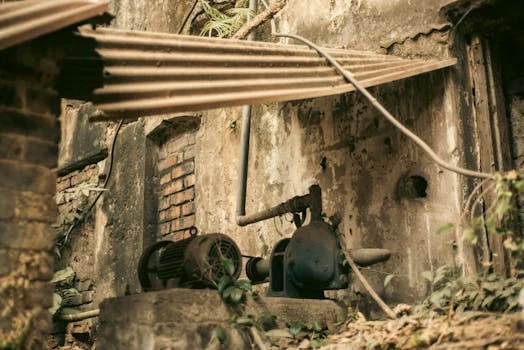
Budgeting for a sewage treatment plant in Tabuk requires a split between Capital Expenditure (CAPEX) and Operating Expenditure (OPEX). While CAPEX is a one-time cost, the harsh climate of Tabuk can drive OPEX higher than in more temperate regions due to increased cooling and aeration requirements.
| System Capacity | Technology Type | CAPEX (SAR) | Annual OPEX (SAR) | Major OPEX Drivers |
|---|---|---|---|---|
| 100 m³/day | Integrated (WSZ) | 350,000 – 600,000 | 45,000 | Electricity, Sludge Hauling |
| 500 m³/day | MBR | 1,800,000 – 2,500,00
Get a Free Quote — Tell Us About Your Project
Contact Us
|