Why Estado de México’s 2025 Wastewater Compliance Deadline Is a Game-Changer for Industrial Plants
In Estado de México, SEMARNAT’s 2024 audit found only 42% of industrial plants currently meet LGEEPA’s mandated effluent standards of TSS <30 mg/L and COD <125 mg/L for industrial discharges, creating an urgent compliance gap before the 2025 enforcement deadline. This regulatory shift transforms wastewater treatment from a secondary concern into a critical operational imperative for industrial facilities across the state. Specifically, automotive and food processing plants in high-industrial-density zones like Toluca and Naucalpan face the highest immediate risk due to their inherently variable organic loads and often constrained land availability.
Many legacy wastewater treatment systems in these regions struggle to consistently meet the stricter LGEEPA wastewater standards 2025, particularly when faced with fluctuating production schedules or diverse waste streams. Non-compliance carries severe consequences, including daily fines up to $10,000 MXN and the potential for forced operational shutdowns, as outlined in SEMARNAT’s 2024 enforcement guidelines. Such penalties can cripple production, damage corporate reputation, and incur substantial unforeseen costs.
For instance, a Toluca automotive supplier, facing a looming SEMARNAT audit, proactively upgraded its aging activated sludge system to an MBR (Membrane Bioreactor) system. Before the upgrade, their effluent frequently exceeded COD limits (averaging 180 mg/L) and TSS (averating 45 mg/L). Post-implementation, the MBR system consistently achieved 99% TSS removal and reduced COD to below 100 mg/L, enabling the plant to avoid a potential $500,000 MXN fine and ensure uninterrupted production. This case highlights the critical need for advanced sewage treatment equipment in Estado de México to meet the evolving regulatory landscape.
Top 5 Sewage Treatment Equipment Suppliers in Estado de México: Engineering Specs Compared
The Estado de México industrial wastewater treatment landscape features several key suppliers, each offering distinct technological advantages tailored to specific industrial needs. Understanding their engineering specifications, compliance capabilities, and operational profiles is crucial for informed procurement decisions. HydropureWater, with its focus on compact, automated solutions, stands out for land-constrained sites.
- Supplier A (Hybrid Biocultivo Specialist): A leading regional supplier specializing in hybrid biocultivo systems demonstrates COD removal rates of 90–95% and OPEX around $0.12/m³. This technology is particularly ideal for food processing plants due to its proven stability against variable organic loads (per Top 2 industry data). Their systems often feature robust biological processes that can handle high-strength wastewater.
- Supplier B (DAF System Provider): Another prominent supplier focuses on Dissolved Air Flotation (DAF) systems, achieving 92–97% TSS removal. Their CAPEX typically ranges from $80K–$500K for capacities between 10–200 m³/h (per Top 1 industry cost range). DAF systems are highly effective for pre-treatment, removing suspended solids, oils, and greases.
- Supplier C (Modular MBR Innovator): A supplier known for its modular MBR systems boasts 99% TSS removal and a significantly reduced footprint, often 60% smaller than conventional Activated Sludge or A/O (Anaerobic/Oxic) systems (per Top 1 industry data on MBR efficiency). These MBR systems are ideal for achieving reuse-quality effluent.
- Supplier D (Sludge Dewatering Expert): This specialist provides plate-and-frame filter presses for sludge dewatering, achieving 30–50% solids concentration. Their equipment is critical for reducing sludge volume and disposal costs, a vital component of efficient industrial wastewater management.
- HydropureWater (Integrated & Underground Solutions): HydropureWater offers advanced solutions like the underground WSZ series, designed for capacities from 1–80 m³/h. These systems require no dedicated operator, making them ideal for land-constrained industrial parks in Toluca and Naucalpan. HydropureWater also provides containerized wastewater treatment systems for rapid deployment and scalability.
The following table provides a comparison of key engineering specifications and commercial aspects:
| Supplier Type/Technology | Effluent Quality (TSS/COD) | Typical CAPEX (10-100 m³/h) | Typical OPEX ($/m³) | Footprint (relative) | Lead Time (weeks) | Certifications (Examples) |
|---|---|---|---|---|---|---|
| Hybrid Biocultivo (Supplier A) | TSS <20 mg/L, COD <100 mg/L | $100K–$800K | $0.10–$0.15 | Medium-Large | 16–20 | ISO 9001, Local Environmental |
| DAF Systems (Supplier B) | TSS <30 mg/L, FOG <10 mg/L | $80K–$500K | $0.15–$0.20 | Medium | 8–12 | ISO 9001 |
| Modular MBR (Supplier C) | TSS <5 mg/L, COD <50 mg/L | $120K–$1.2M | $0.20–$0.25 | Small (60% less) | 20–24 | ISO 14001, NSF/ANSI 61 |
| Sludge Press (Supplier D) | Sludge cake 30-50% solids | $50K–$300K | $0.05–$0.10 (sludge only) | Small-Medium | 10–14 | CE, Local Safety |
| HydropureWater (WSZ/Integrated) | TSS <10 mg/L, COD <80 mg/L | $70K–$600K | $0.10–$0.18 | Very Small (Underground/Container) | 12–18 | ISO 9001, CE, Local Environmental |
How to Choose the Right Sewage Treatment Technology for Your Estado de México Plant
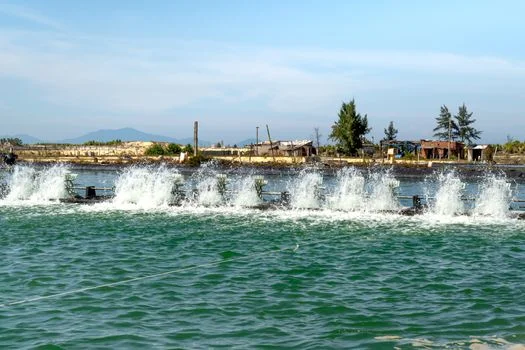
Selecting the optimal sewage treatment equipment for your Estado de México plant requires a structured decision framework that aligns effluent requirements, site constraints, and budget. Begin by defining your primary effluent requirements: are you aiming for LGEEPA compliance (TSS <30 mg/L, COD <125 mg/L) or pursuing water reuse quality (often TSS <5 mg/L, COD <50 mg/L)? Once this is clear, filter options based on available footprint, budget, and desired automation levels.
For automotive plants in Toluca, where land is often at a premium, prioritizing footprint efficiency is critical. Technologies like HydropureWater’s underground WSZ series or modular MBR systems offer significant space savings. MBR systems, for example, can reduce the required land area by up to 60% compared to conventional activated sludge plants, making them ideal for high-density industrial parks. The high-quality effluent from MBRs also opens opportunities for non-potable water reuse, further enhancing ROI.
Food processing plants in Naucalpan, characterized by variable organic loads and often high fats, oils, and grease (FOG) content, benefit greatly from systems designed for stability. Hybrid biocultivo systems (e.g., from Supplier A, a regional specialist) are particularly effective in stabilizing effluent quality despite significant fluctuations in influent characteristics. Top 2 industry data indicates their load resistance reduces OPEX by minimizing chemical dosing and process upsets compared to conventional A/O systems.
For municipal projects, a common approach involves DAF systems for pre-treatment to remove suspended solids and FOG, followed by A/O or MBR for secondary and tertiary treatment. While DAF systems offer lower CAPEX initially, the subsequent biological treatment choice dictates overall efficiency and OPEX. How DAF systems achieve 95%+ FOG and TSS removal makes them a strong first step.
Land-constrained sites, regardless of industry, should strongly consider underground or containerized wastewater treatment systems. HydropureWater's WSZ series exemplifies this, integrating primary, secondary, and tertiary treatment into a compact, subterranean footprint. For sites with immediate needs or limited permanent space, containerized solutions offer rapid deployment and scalability.
When facing budget constraints, DAF systems typically offer a 30% lower CAPEX compared to MBR. However, this often comes with higher OPEX due to increased chemical consumption and sludge handling. A thorough cost-benefit analysis, including long-term operational expenses, is essential.
| Decision Factor | Automotive (Toluca) | Food Processing (Naucalpan) | Municipal | Land-Constrained | Budget-Constrained |
|---|---|---|---|---|---|
| Primary Goal | LGEEPA + Water Reuse | LGEEPA + Load Stability | LGEEPA + Capacity | LGEEPA + Footprint | LGEEPA + Low CAPEX |
| Recommended Technology | MBR, Underground WSZ | Hybrid Biocultivo, DAF (pre-treatment) | DAF + A/O or MBR | Underground WSZ, Containerized | DAF (followed by basic biological) |
| Key Benefit | Small footprint, high reuse potential | Stable effluent, handles variable loads | Scalability, robust pre-treatment | Minimal surface impact, quick install | Lower initial investment |
| Consideration | Higher CAPEX, membrane maintenance | Sludge management, specialized bio-media | Large footprint, energy use | Excavation costs, accessibility | Higher OPEX, potentially lower effluent quality |
Estado de México Wastewater Treatment Costs: CAPEX, OPEX, and ROI by Technology
Understanding the full financial implications of a sewage treatment equipment procurement involves a detailed breakdown of both Capital Expenditure (CAPEX) and Operational Expenditure (OPEX), regionalized for Estado de México. These costs, along with potential Return on Investment (ROI), are critical for justifying budgets and making informed decisions for industrial and municipal wastewater projects.
CAPEX by technology for a 10–200 m³/h system in Estado de México typically ranges: DAF systems from $80K–$500K, MBR systems from $120K–$1.2M, and hybrid biocultivo systems from $100K–$800K (per Top 1 industry cost range). These figures encompass equipment purchase, installation, and initial commissioning.
OPEX breakdown is crucial for long-term financial planning. Energy typically accounts for 40% of OPEX, with regionalized costs differing significantly; for example, industrial electricity rates in Toluca can average $0.15/kWh, notably higher than the national average of $0.12/kWh. Chemicals constitute about 25% of OPEX, labor 20%, and maintenance 15%. Labor costs in Estado de México, particularly for skilled operators, can be 10-15% higher than in less industrialized regions of Mexico. This detailed analysis is vital for accurate budget projections for wastewater treatment CAPEX OPEX Mexico.
ROI calculation demonstrates the long-term value of investing in advanced systems. MBR systems, despite their higher CAPEX, often pay back in 3–5 years primarily through water reuse savings. For automotive plants in Toluca, treating and reusing wastewater for non-potable applications (e.g., cooling towers, washdowns) can reduce fresh water consumption by up to 80%, leading to substantial savings on water acquisition and discharge fees. This economic incentive, combined with compliance assurance, makes MBR a compelling option.
Hidden costs can significantly impact project budgets if not accounted for. Land acquisition costs in industrial zones vary dramatically; a square meter in Toluca can cost upwards of $200/m², while in areas like Ecatepec, it might be $120/m². Permitting lead times for SEMARNAT approval typically range from 8–12 weeks, and any delays can incur additional project management costs or even production downtime.
| Technology | CAPEX (10-100 m³/h) | OPEX ($/m³) in Estado de México | Typical ROI (years via water reuse) | Key Hidden Costs |
|---|---|---|---|---|
| DAF Systems | $80K–$500K | $0.18–$0.25 (higher chemical/sludge) | N/A (pre-treatment) | Sludge disposal, higher energy for pumps |
| MBR Systems | $120K–$1.2M | $0.15–$0.22 (lower chemical, higher energy) | 3–5 years | Membrane replacement, specialized labor |
| Hybrid Biocultivo | $100K–$800K | $0.12–$0.18 (lower energy/chemical) | 5–7 years | Media replacement, larger footprint land cost |
| HydropureWater WSZ (Underground) | $70K–$600K | $0.10–$0.18 (low labor/energy) | 4–6 years | Excavation, specialized installation |
LGEEPA Compliance Checklist: How to Ensure Your Estado de México Plant Meets 2025 Standards
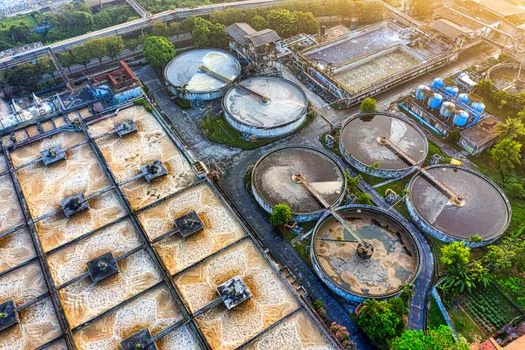
Achieving and maintaining LGEEPA compliance for your Estado de México plant by the 2025 deadline requires a systematic approach, integrating robust engineering solutions with diligent operational practices. This SEMARNAT compliance checklist provides a step-by-step guide to mitigate regulatory risks and ensure continuous adherence to effluent standards.
- Step 1: Conduct a Pre-Audit with SEMARNAT-Approved Labs. Before any significant investment, perform comprehensive wastewater testing for TSS, COD, pH, and any industry-specific parameters (e.g., heavy metals for automotive, FOG for food processing). Utilize SEMARNAT-approved laboratories in Estado de México (e.g., Analítica Ambiental, Laboratorio de Análisis de Aguas del Valle de México) to ensure data validity and establish a baseline for your current discharge profile.
- Step 2: Select a Supplier with LGEEPA Compliance Guarantees. Choose a sewage treatment equipment supplier that offers explicit LGEEPA compliance guarantees, including effluent quality certifications and, ideally, pilot testing capabilities. HydropureWater, for instance, provides detailed compliance documentation packages and can conduct pilot studies to demonstrate performance under your specific industrial conditions.
- Step 3: Implement Continuous Monitoring. Install online TSS/COD sensors and pH meters for real-time effluent quality monitoring. These systems provide immediate data, allowing for rapid adjustments to treatment processes and preventing non-compliance events. Ensure data logging capabilities meet SEMARNAT’s reporting requirements, typically retaining records for at least five years.
- Step 4: Train Staff on SEMARNAT Reporting. Develop a robust internal training program for plant operators and environmental managers on SEMARNAT reporting protocols. This includes understanding the specific parameters, frequency, and format for monthly discharge reports. Establish clear internal procedures for data collection, review, and submission to avoid administrative penalties.
- Step 5: Schedule Quarterly Audits with SEMARNAT. Proactively engage with SEMARNAT by scheduling quarterly internal audits, and consider inviting SEMARNAT representatives for periodic reviews. This demonstrates a commitment to compliance and allows for early identification and rectification of potential issues. Common pitfalls include incomplete documentation, calibration issues with monitoring equipment, and inconsistent sampling procedures.
Suppliers like HydropureWater offer comprehensive compliance documentation packages, including system design specifications, performance guarantees, and operational manuals tailored to LGEEPA requirements, simplifying the audit process for industrial buyers.
Frequently Asked Questions
What are the LGEEPA effluent standards for Estado de México in 2025?
The LGEEPA effluent standards for industrial discharges in Estado de México mandate Total Suspended Solids (TSS) <30 mg/L and Chemical Oxygen Demand (COD) <125 mg/L. Additionally, specific industries like automotive and food processing may face stricter limits for heavy metals, fats, oils, and greases (FOG), and other pollutants, based on their industrial activity and discharge location.
How much does a sewage treatment plant cost in Toluca?
The Capital Expenditure (CAPEX) for a sewage treatment plant in Toluca typically ranges from $80K for a 10 m³/h DAF system to $1.2M for a 200 m³/h MBR system. Operational Expenditure (OPEX) varies between $0.12–$0.25/m³, depending on the chosen technology, energy consumption (with Toluca industrial electricity rates averaging $0.15/kWh), chemical usage, and labor costs. Hidden costs like land acquisition ($200/m² in Toluca) and permitting fees also contribute significantly.
Which sewage treatment technology is best for food processing plants in Naucalpan?
For food processing plants in Naucalpan, hybrid biocultivo systems (e.g., those offered by a regional specialist in this technology) are highly recommended. These systems are designed to stabilize effluent quality effectively despite the variable organic loads and high FOG content common in this industry. They can reduce OPEX by up to 25% compared to conventional A/O systems due to their robust biological process and resistance to shock loads.
What are the lead times for sewage treatment equipment in Estado de México?
Lead times for sewage treatment equipment in Estado de México vary by technology and customization. Modular DAF systems typically require 8–12 weeks for fabrication and delivery. More complex or custom MBR systems can take 20–24 weeks. Additionally, securing SEMARNAT approval for permits adds another 8–12 weeks to the overall project timeline, making early planning essential.
How can I ensure my Estado de México plant meets LGEEPA standards?
To ensure your Estado de México plant meets LGEEPA standards, begin by conducting a pre-audit with SEMARNAT-approved laboratories to establish your current effluent profile. Next, select a sewage treatment equipment supplier that provides explicit LGEEPA compliance guarantees, including effluent quality certifications and support documentation. Finally, implement continuous monitoring with online TSS/COD sensors and comprehensive staff training on SEMARNAT reporting protocols to maintain ongoing compliance.