Ibadan’s 2025 Industrial Wastewater Regulations: NESREA vs. Lagos EPA Standards
Ibadan’s industrial wastewater treatment landscape in 2025 is shaped by NESREA’s 2023 discharge limits (COD < 250 mg/L, BOD < 30 mg/L, TSS < 50 mg/L) and Lagos State EPA’s stricter enforcement in Alakia and Oluyole Industrial Estates. For food processing plants, DAF systems for Ibadan’s food processing and textile plants achieve 92–97% TSS removal at ₦15–₦45 million ($18,000–$55,000) for 10–50 m³/h capacities, while MBR systems for near-reuse-quality effluent in Ibadan deliver near-reuse-quality effluent (<1 mg/L TSS) at ₦30–₦80 million ($36,000–$97,000). Chemical dosing with polyaluminum chloride (PAC) costs ₦1,200–₦1,800/kg, reducing sludge volume by 30–40% when paired with plate-frame filter presses. This guide provides Ibadan-specific engineering specs, cost benchmarks, and a compliance checklist for 2025 upgrades.
NESREA’s 2023 National Environmental (Chemicals, Pharmaceuticals, Soap and Detergent Manufacturing Industries) Regulations mandate a maximum COD limit of 250 mg/L and a pH range of 6–9 for all industrial discharge into public drains. While NESREA provides the national framework, plants located in high-density zones like Alakia or those supplying the Lagos market often face scrutiny from the Lagos State Environmental Protection Agency (LASEPA), which enforces stricter limits, such as COD < 150 mg/L for food processing. In 2023, a significant enforcement action in the Alakia Industrial Estate resulted in a ₦2.5 million fine for a beverage facility after TSS levels exceeded 150 mg/L, demonstrating the shift toward zero-tolerance for non-compliance.
Common violations in Ibadan’s industrial corridors include excessive oil and grease (O&G) from food processing and heavy metal contamination (Chromium and Lead) from pharmaceutical and textile operations. Regulatory bodies now require automated monitoring for plants discharging over 50 m³/day. Failure to meet these standards results in penalties ranging from ₦500,000 to ₦5 million, with the added risk of permanent plant shutdowns per the 2023 NESREA guidelines.
| Parameter | NESREA 2023 Limits | Lagos EPA (Ibadan-Adjacent) | Typical Violation (Ibadan) |
|---|---|---|---|
| COD (mg/L) | < 250 | < 150 | 800–2,500 (Textile) |
| BOD (mg/L) | < 30 | < 50 | 1,500–3,000 (Food) |
| TSS (mg/L) | < 50 | < 30 | 300–1,200 (General) |
| Oil & Grease (mg/L) | < 10 | < 10 | 200–800 (Food) |
| pH | 6.0–9.0 | 6.0–9.0 | 4.0–11.0 (Pharma) |
Industrial Wastewater Characteristics in Ibadan: Industry-Specific Pollutants and Treatment Challenges
Industrial effluent from food processing plants in the Oluyole Industrial Estate typically exhibits Biological Oxygen Demand (BOD) concentrations ranging from 1,500 to 3,000 mg/L. These high organic loads are often accompanied by Fats, Oils, and Grease (FOG) levels reaching 800 mg/L, which can quickly blind conventional filtration systems if not pre-treated. In the textile sector, particularly near Apata, wastewater is characterized by high Color (500–1,500 ADMI) and chemical oxygen demand (COD) from synthetic dyes and sizing agents, requiring specialized oxidation or coagulation stages.
Pharmaceutical plants in Alakia present the most complex profiles, with COD levels often exceeding 10,000 mg/L and the presence of active pharmaceutical ingredients (APIs) that inhibit biological treatment. A critical challenge for Ibadan engineers is the high variability in flow rates. Many plants operate on seasonal production cycles, leading to "shock loads" that can crash a biological reactor. groundwater intrusion in older industrial zones often increases influent salinity, which necessitates when to use RO systems for industrial wastewater in Ibadan for plants targeting process water reuse.
| Industry Sector | Primary Pollutants | Typical COD (mg/L) | Treatment Challenge |
|---|---|---|---|
| Food Processing | BOD, FOG, TSS | 2,000–4,500 | High organic load shocks |
| Textile | Dyes, Cr, Pb, COD | 800–2,500 | Color removal & heavy metals |
| Pharmaceutical | APIs, Solvents, COD | 5,000–15,000 | Biological toxicity |
| Chemical/Soap | Surfactants, pH | 1,000–3,000 | Foaming & pH swings |
Treatment Technology Comparison: DAF vs. MBR vs. Chemical Dosing for Ibadan Plants
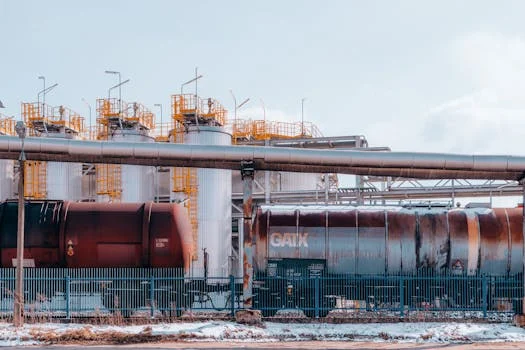
Dissolved Air Flotation (DAF) systems utilized in Ibadan’s textile sector achieve a Total Suspended Solids (TSS) reduction of up to 97% by utilizing micro-bubbles between 20 and 50 microns in diameter. These systems are the primary choice for food processing plants in Oluyole due to their efficiency in removing emulsified fats and oils. A DAF system with a capacity of 10–50 m³/h costs between ₦15 million and ₦45 million, offering a lower energy footprint compared to aerobic digestion while requiring a smaller physical footprint than traditional sedimentation tanks.
For facilities requiring high-purity effluent for discharge into sensitive water bodies or for internal reuse, Membrane Bioreactors (MBR) are the standard. MBR systems integrate biological degradation with membrane filtration (typically 0.03-micron pore size), ensuring TSS levels remain below 1 mg/L. While highly effective, MBRs in Ibadan face risks from high-turbidity influent; therefore, robust pre-treatment is mandatory to prevent membrane fouling. PLC-controlled chemical dosing for Ibadan’s variable wastewater flows is often integrated to stabilize influent pH and enhance flocculation before the MBR stage. Optimizing chemical dosing for Ibadan’s high-turbidity wastewater using Polyaluminum Chloride (PAC) or Aluminum Chlorohydrate (ACH) at dosing rates of 50–200 mg/L can reduce overall sludge volume by 30% compared to traditional alum-based systems.
| Technology | TSS Removal | Energy Use | CAPEX (10-50 m³/h) | Best For |
|---|---|---|---|---|
| DAF System | 92–97% | Medium | ₦15M–₦45M | FOG & TSS (Food/Textile) |
| MBR System | > 99% | High | ₦30M–₦80M | Reuse & High COD (Pharma) |
| Chemical Dosing | 50–70% | Low | ₦5M–₦12M | Pre-treatment/Coagulation |
Sludge Management in Ibadan: Dewatering, Disposal, and Cost Benchmarks for 2025
NESREA’s 2023 guidelines for sludge management require industrial waste to be dewatered to a moisture content of less than 60% before landfill disposal in Oyo State. For many Ibadan plants, sludge handling is an afterthought that leads to high disposal costs and regulatory friction. Sludge dewatering for Ibadan’s landfill constraints is most effectively managed using a plate-frame filter press, which produces a dry cake with 30–40% solids content. This significantly reduces the volume of waste transported to landfills compared to gravity thickening or drying beds.
The capital cost for a Sludge dewatering for Ibadan’s landfill constraints using a plate-frame system ranges from ₦8 million to ₦25 million. Maintenance typically involves membrane or cloth replacement every 2–3 years, depending on the corrosivity of the sludge. For textile plants with high fiber content in their waste, belt filter presses may be preferred for continuous operation, though they yield a slightly higher moisture content (75–82%). Disposal fees at Ibadan municipal landfills are projected to reach ₦15,000–₦30,000 per ton in 2025, making efficient dewatering a critical factor in operational cost control.
| Equipment | Final Cake Dryness | CAPEX (NGN) | Maintenance Factor |
|---|---|---|---|
| Plate-Frame Press | 30–40% | ₦8M–₦25M | Filter cloth replacement |
| Belt Filter Press | 18–25% | ₦12M–₦30M | Belt tracking & washing |
| Sludge Drying Bed | 15–20% | ₦2M–₦5M | Land area & odor |
2025 Capital and Operating Costs for Industrial Wastewater Treatment in Ibadan
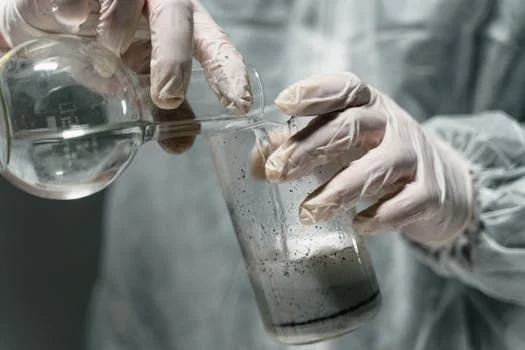
Capital expenditure for a 50 m³/h industrial wastewater treatment plant in Ibadan currently ranges from ₦45 million to ₦120 million depending on the required effluent quality and technology selected. These figures include the primary treatment units, balancing tanks, and control systems. However, procurement managers must account for Ibadan-specific civil engineering challenges. For instance, the rocky soil conditions in the Oluyole Industrial Estate can increase the cost of underground tank construction by 25–40% compared to sites in Alakia.
Operating expenses (OPEX) are driven primarily by energy costs and chemical consumption. With industrial electricity tariffs in Nigeria fluctuating between ₦50 and ₦80/kWh, energy-efficient DAF motors and MBR blowers are essential for long-term viability. Chemical costs for PAC and polymers average ₦1,200–₦1,800/kg, with a medium-sized plant consuming 500–1,500 kg per month. Additionally, obtaining discharge permits from NESREA or Oyo State environmental agencies involves administrative fees and laboratory testing costs ranging from ₦500,000 to ₦2 million annually.
| Cost Category | Estimated Range (NGN) | Estimated Range (USD) | Frequency |
|---|---|---|---|
| Total CAPEX (50 m³/h) | ₦45M – ₦120M | $55,000 – $145,000 | One-time |
| Installation & Civil | ₦10M – ₦30M | $12,000 – $36,000 | One-time |
| Annual OPEX (Energy/Chem) | ₦4M – ₦10M | $4,800 – $12,000 | Yearly |
| Permits & Compliance | ₦0.5M – ₦2M | $600 – $2,400 | Yearly |
Equipment Checklist for Ibadan Plants: Compliance, Capacity, and Supplier Selection
Selecting the right equipment requires a systematic evaluation of both technical specifications and the local support ecosystem in Oyo State. Plant engineers should prioritize systems that offer modularity, allowing for capacity expansion as production grows. The following checklist serves as a baseline for 2025 equipment procurement:
- Regulatory Alignment: Does the equipment guarantee effluent that meets NESREA 2023 limits for your specific industry? Request third-party lab results from existing installations in Nigeria.
- Material Specifications: For food processing, ensure all wetted parts are Grade 304 or 316 stainless steel. For chemical plants, verify explosion-proof ratings for dosing pumps and mixers.
- Hydraulic Loading: Ensure the system is sized for peak flow (m³/h), not just average flow. Ibadan’s seasonal production spikes require at least a 20% buffer in balancing tank capacity.
- Local Technical Support: Does the supplier have Ibadan-based technicians or a rapid-response team in Lagos? Verify the availability of critical spares like MBR cassettes or DAF air compressors within a 48-hour window.
- Sludge Handling: Confirm that the dewatering unit can achieve <60% moisture to meet Oyo State landfill requirements.
- Operational Complexity: Evaluate if your current staff can operate the system. MBRs require higher technical literacy than simple chemical dosing and DAF systems.
Red flags during supplier selection include a lack of NESREA certification, vague performance guarantees regarding COD reduction, and the absence of reference sites within the Alakia, Oluyole, or Apata industrial zones. For broader context on regional standards, engineers may reference food processing wastewater treatment benchmarks for tropical climates.
Frequently Asked Questions
What are the current NESREA discharge limits for Ibadan industrial plants in 2025?Per the 2023 NESREA guidelines, most industrial sectors must meet limits of COD < 250 mg/L, BOD < 30 mg/L, and TSS < 50 mg/L. Specific industries like pharmaceuticals or textiles may have additional requirements for heavy metals (e.g., Chromium < 1 mg/L). Compliance is monitored through mandatory quarterly reports and unannounced inspections.
How much does a DAF system cost in Nigeria?For a typical capacity of 10–50 m³/h, a Dissolved Air Flotation (DAF) system costs between ₦15 million and ₦45 million ($18,000–$55,000). This cost varies based on material (stainless steel vs. carbon steel) and the level of automation required for chemical dosing and sludge removal.
Which is better for Ibadan textile plants: MBR or DAF?DAF is superior for primary removal of TSS and emulsified oils at a lower CAPEX. However, MBR is necessary if the plant intends to reuse water for dyeing processes or if the final discharge must meet ultra-strict COD limits (<50 mg/L). Most modern textile plants in Ibadan use a hybrid approach: DAF for pre-treatment followed by MBR for polishing.
What are the sludge disposal requirements in Oyo State?Industrial sludge must be dewatered to at least 40% solids (less than 60% moisture content) before it is accepted at municipal landfills. Additionally, sludge containing heavy metals above NESREA limits (e.g., Lead > 100 mg/kg) must undergo stabilization or be disposed of at specialized hazardous waste sites, which significantly increases costs.
How long does it take to get environmental permits for a new treatment plant?In Ibadan, the timeline for NESREA or Lagos EPA (for border-zone plants) approval typically ranges from 3 to 6 months. This includes the Environmental Impact Assessment (EIA) review, engineering design approval, and site inspection. Engaging an accredited consultant can expedite this process.
Related Equipment
- DAF systems for Ibadan’s food processing and textile plants — view specifications, capacity range, and technical data
- MBR systems for near-reuse-quality effluent in Ibadan — view specifications, capacity range, and technical data
- PLC-controlled chemical dosing for Ibadan’s variable wastewater flows — view specifications, capacity range, and technical data
- Sludge dewatering for Ibadan’s landfill constraints — view specifications, capacity range, and technical data
Need a customized solution? Request a free quote with your specific flow rate and pollutant parameters.