Mexico’s industrial wastewater treatment landscape is defined by NOM-001-SEMARNAT-2021, which sets strict discharge limits (e.g., 150 mg/L BOD₅ for food processing, 50 mg/L TSS for automotive) and mandates water reuse in water-stressed regions like Chihuahua and Monterrey. In 2025, treatment costs range from $0.80/m³ for basic sedimentation to $3.50/m³ for advanced MBR systems, with payback periods of 3–7 years for water reuse projects. PROFEPA inspections now prioritize real-time monitoring, making automated dosing systems and remote telemetry critical for compliance.
Why Mexico’s Industrial Wastewater Regulations Are Changing in 2025
Water stress now affects 60% of industrial zones in northern Mexico, compelling the National Water Plan 2024–2030 to prioritize industrial water reuse over traditional discharge. For a factory manager in Monterrey or Saltillo, the frustration of a failed PROFEPA inspection is often the first sign that legacy systems are no longer sufficient. The transition from the 1996 standards to NOM-001-SEMARNAT-2021 has introduced significantly tighter tolerances for parameters such as Chemical Oxygen Demand (COD) and Total Suspended Solids (TSS), alongside new requirements for true color and toxicity monitoring.
PROFEPA’s 2025 enforcement focus has shifted toward real-time monitoring and mandatory water reuse quotas. In high-consumption industries, such as beverage and automotive manufacturing, facilities are now required to demonstrate 15% to 30% water reuse rates. Failure to meet these quotas or discharge limits can result in penalties reaching up to 2% of annual revenue, or in extreme cases, permanent plant closure. Automated monitoring is no longer a luxury; it is a regulatory necessity to provide the continuous data stream PROFEPA auditors demand during unannounced inspections.
A recent case study from an automotive plant in Monterrey illustrates this shift. The facility was facing monthly fines exceeding $15,000 USD due to fluctuating heavy metal concentrations that legacy clarifiers could not manage. By installing a compact MBR system for water reuse in automotive plants equipped with remote telemetry, the plant achieved a 99% reduction in heavy metal discharge and reduced its fresh water intake by 25%. The integrated automation allowed the plant to provide instant compliance reports, effectively reducing inspection-related downtime to zero.
| Regulatory Driver | Legacy Standard (NOM-001-1996) | 2025 Standard (NOM-001-2021) | Operational Impact |
|---|---|---|---|
| BOD₅ (Food Processing) | 200 mg/L | 150 mg/L | Requires enhanced biological or DAF pre-treatment |
| TSS (General Industrial) | 150 mg/L | 50 - 100 mg/L | Necessitates high-rate clarification or MBR |
| Water Reuse Quotas | Voluntary | 15-30% in stressed regions | Drives adoption of tertiary RO and MBR |
| Monitoring Frequency | Monthly/Quarterly | Real-time/Daily for key parameters | Requires PLC-controlled chemical dosing for NOM-001-SEMARNAT-2021 compliance |
NOM-001-SEMARNAT-2021 Compliance Checklist: Parameter Limits by Industry
NOM-001-SEMARNAT-2021 replaces the outdated 1996 standards by introducing stricter limits on organic load, toxicity, and heavy metals for industrial effluents. For environmental engineers, the challenge lies in the "True Color" and "Toxicity" parameters, which were previously overlooked but are now central to CONAGUA water permits. Compliance requires a granular understanding of how specific industrial processes contribute to the wastewater stream. For example, textile plants must now address color removal more aggressively, while petrochemical facilities must focus on phenol and heavy metal reduction.
| Parameter | Food Processing | Textile/Apparel | Automotive/Metal | Petrochemical |
|---|---|---|---|---|
| BOD₅ (mg/L) | 150 | 200 | 60 | 100 |
| COD (mg/L) | 300 | 400 | 150 | 250 |
| TSS (mg/L) | 100 | 100 | 50 | 50 |
| Fats, Oils, Grease (mg/L) | 15 | 25 | 15 | 20 |
| Total Nitrogen (mg/L) | 25 | 40 | 15 | 20 |
| Heavy Metals (Pb, Cr, Cd) | <0.5 combined | <1.0 combined | <0.2 combined | <0.5 combined |
Monitoring frequency is strictly dictated by the daily discharge volume. Facilities discharging more than 1,000 m³/day must conduct daily sampling for pH, temperature, and flow, while BOD₅ and COD require weekly analysis. Heavy metals and toxicity testing are typically quarterly, unless a violation occurs, which triggers mandatory monthly testing. For specialized facilities, such as clinics or research labs, medical wastewater treatment solutions must be integrated to handle pathogens and specific chemical reagents before entering the main industrial sewer line.
Common compliance pitfalls during PROFEPA audits include inadequate sludge handling and documentation gaps. Many facilities focus solely on the liquid effluent but fail to provide a certified sludge disposal manifest. In Mexico, sludge must be characterized as hazardous or non-hazardous (NOM-052-SEMARNAT-2005). If sludge is found to contain high concentrations of heavy metals without proper disposal records, the facility faces the same penalties as direct water pollution. the lack of a calibrated flow meter is the most frequent administrative violation cited by CONAGUA.
Industrial Wastewater Treatment Technologies for Mexico: How to Match Equipment to Your Effluent
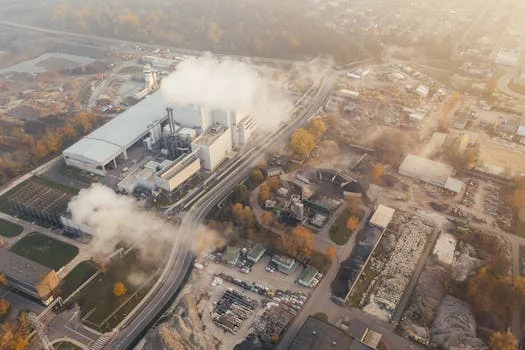
Selecting the correct treatment technology in Mexico depends on the specific concentration of fats, oils, and grease (FOG) versus dissolved organic solids in the effluent stream. Because many Mexican industrial parks have limited space, footprint-to-flow ratios are a critical engineering metric. A lamella clarifier selection guide for high-TSS effluent can help engineers choose between traditional sedimentation and high-rate inclined plate systems, which reduce footprint by up to 90%.
Dissolved Air Flotation (DAF): This is the standard for food processing and slaughterhouse operations where FOG levels exceed 100 mg/L. A high-efficiency DAF system for food processing effluent utilizes micro-bubbles (30–50 μm) to lift emulsified oils and suspended solids to the surface for mechanical skimming. In Mexican poultry processing, DAF systems consistently achieve 95% FOG removal and 85% TSS removal when paired with proper chemical conditioning using polyaluminum chloride (PAC) at dosages of 50–150 mg/L (HydropureWater field data, 2025).
Membrane Bioreactor (MBR): For automotive and textile plants seeking high-quality water for reuse, MBR is the preferred secondary and tertiary treatment. MBR combines biological treatment with 0.1 μm pore size membrane filtration. This eliminates the need for secondary clarifiers and produces effluent with TSS < 1 mg/L and BOD₅ < 5 mg/L. While energy costs are higher ($0.40–$0.60/m³), the ability to reuse this water in cooling towers or industrial washing provides a significant hedge against rising municipal water rates in states like Querétaro and Guanajuato.
Lamella Clarifiers: In mining and pulp/paper industries with high TSS loads, high-efficiency sedimentation tanks are essential. These units operate at surface loading rates of 20–40 m/h. To optimize performance, sludge recirculation is often employed to increase floc size, which is particularly effective for heavy metal precipitation in metal finishing wastewater.
| Technology | Primary Use Case | Removal Efficiency (TSS/BOD) | Footprint | Energy Use |
|---|---|---|---|---|
| DAF | Food, Dairy, Oily Waste | 85% / 60% | Medium | Low-Medium |
| MBR Integrated | Automotive, Reuse, Urban | 99% / 95% | Very Small | High |
| Lamella Clarifier | Mining, Paper, Primary TSS | 90% / 30% | Small | Very Low |
| Activated Sludge | Large Municipal/Industrial | 90% / 90% | Very Large | Medium |
2025 Cost Benchmarks for Industrial Wastewater Treatment in Mexico
Industrial wastewater treatment costs in Mexico for 2025 reflect a 15% increase in operational expenses due to higher chemical costs and energy tariffs, offset by the rising cost of municipal water. For a facility manager, budgeting requires a split between CAPEX (equipment and installation) and OPEX (chemicals, energy, sludge disposal). Total treatment costs are heavily influenced by the required discharge quality; reaching "reuse quality" typically doubles the OPEX compared to "sewer discharge quality."
| Treatment Stage | CAPEX ($ USD / m³ capacity) | OPEX ($ USD / m³ treated) | Key Cost Drivers |
|---|---|---|---|
| Pre-treatment (Screening/Equalization) | $150 - $300 | $0.05 - $0.10 | Maintenance of screens |
| Primary (DAF/Clarification) | $400 - $800 | $0.20 - $0.45 | Coagulant/Flocculant dosage |
| Secondary (Biological/MBR) | $800 - $1,500 | $0.35 - $0.70 | Aeration energy, membranes |
| Tertiary (RO/UV/Ozone) | $600 - $1,200 | $0.40 - $0.90 | Filter replacement, power |
| Sludge Management | $200 - $400 | $0.15 - $0.30 | Disposal fees ($80-$150/ton) |
For a typical food processing plant in Central Mexico treating 500 m³/day, a combined DAF and activated sludge system would require a CAPEX of approximately $1.2M USD. The OPEX would hover around $1.10/m³. However, if the plant implements water reuse for non-process applications, the payback period is estimated at 3–5 years, especially considering that industrial water rates in water-stressed municipalities can exceed $2.50/m³. For specific regional guidance, see Guanajuato’s 2025 package plant requirements and supplier checklist.
Hidden costs often derail wastewater budgets. Sludge disposal in Mexico has become increasingly expensive, with specialized waste haulers charging between $80 and $150 per ton depending on the moisture content and toxicity. Investing in a screw press or filter press to dewater sludge from 2% solids to 25% solids can reduce disposal volumes by 90%, often paying for itself within 18 months. Additionally, annual PROFEPA compliance audits and laboratory certifications can cost between $5,000 and $20,000 USD, depending on the complexity of the effluent.
How to Select a Wastewater Treatment Supplier in Mexico: 8 Critical Questions to Ask
Supplier selection for Mexican industrial projects requires a verification of NOM-001-SEMARNAT-2021 compliance guarantees and the availability of local technical support for PROFEPA audits. Many international vendors sell equipment without understanding the specific nuances of Mexican electricity (60Hz, voltage fluctuations) or the availability of specific chemical reagents. A Querétaro textile plant recently avoided $200,000 in potential fines by switching to a supplier that offered not just equipment, but PROFEPA-certified operator training and monthly compliance audits.
The Engineering Evaluation Checklist:
- Compliance Guarantee: Does the contract explicitly state that the treated effluent will meet NOM-001-SEMARNAT-2021 limits under peak load conditions?
- Pilot Testing: Can the supplier provide a bench-scale or pilot-scale demonstration using your actual facility wastewater?
- Local Service: What is the guaranteed response time for a technician to arrive on-site in the event of a system failure? (Target: <24 hours).
- Telemetry: Does the system include remote monitoring that can be integrated with CONAGUA’s reporting requirements?
- Automation: Is the chemical dosing automated based on real-time flow and pH sensors?
- Spare Parts: Are critical components (pumps, membranes, sensors) stocked within Mexico to avoid customs delays?
- Sludge Strategy: Does the proposed solution include a dewatering step to minimize disposal costs?
- References: Can the supplier provide contact information for at least three industrial plants in Mexico currently using their technology for compliance?
When reviewing contracts, ensure performance guarantees include specific removal percentages for your "problem" parameters (e.g., 90% BOD₅ removal). It is also advisable to compare how DAF systems perform in Latin American regulatory environments to understand cross-border engineering standards and technology reliability.
Frequently Asked Questions
Does Mexico have an EPA equivalent?Yes, environmental regulation is split between two main bodies. PROFEPA (Procuraduría Federal de Protección al Ambiente) is the enforcement arm that conducts inspections and issues fines. CONAGUA (Comisión Nacional del Agua) manages water rights, discharge permits, and the implementation of the National Water Plan.
What are the penalties for non-compliance with NOM-001-SEMARNAT-2021?Fines are calculated using UMAs (Unidad de Medida y Actualización). In 2025, penalties range from 500 to 50,000 UMAs (approximately $5,000 to $500,000 USD). Repeat violations often lead to the temporary or permanent closure of the production line.
Can industrial wastewater be reused in Mexico?Yes, and it is increasingly mandatory in the north and bajio regions. Reuse requires tertiary treatment (typically MBR followed by RO or UV) to meet NOM-003-SEMARNAT-1997 standards for human contact or specific industrial process requirements.
How much does a DAF system cost in Mexico?For industrial applications, a complete DAF system (pumps, saturation tank, skimmer, and controls) costs between $50,000 and $300,000 USD. The price varies based on flow rate (4 m³/h to 300 m³/h) and whether the tank is stainless steel or epoxy-coated carbon steel.
What’s the best wastewater treatment technology for a food processing plant in Mexico?The most effective configuration is a multi-stage process: 1. Mechanical screening (to remove solids), 2. DAF (to remove 95% of FOG), and 3. MBR or Activated Sludge (to bring BOD₅ and COD into NOM-001 compliance). This approach ensures the biological stage is not overwhelmed by fats and oils.